
Why Your Home Office Deserves a Nice Desk Chair
When your commute shrinks from thirty minutes to thirty seconds, the boundaries between “work” and “home” blur. Suddenly, the chair you sit in for eight hours isn’t just office furniture—it’s part of your living space. A nice desk chair for home office does double duty: it must keep you physically comfortable during back-to-back Zoom calls and also look good next to your houseplants or bookshelf. It’s the intersection of ergonomics and interior design.
According to a 2023 survey by the American Home Furnishings Alliance, 74% of remote workers said a comfortable chair directly improved their work satisfaction. But “comfort” is subjective. For some, it means plush cushioning; for others, it’s about breathable mesh and adjustable lumbar. This guide will walk you through everything you need to know to find a chair that feels nice to you—without compromising on support or style.
The Anatomy of a “Nice” Desk Chair: Beyond the Looks
It’s easy to fall for a chair that looks chic on Instagram but leaves you aching by noon. A truly nice chair is built on a foundation of thoughtful features. Let’s dissect the components that separate a pretty chair from a pretty and practical one.
1. Seat Comfort: The Foundation of Your Workday
The seat pan is where you spend 90% of your time. Look for high-density foam (at least 2.5–3 inches thick) that won’t flatten out after six months. A waterfall edge—where the front curves downward—relieves pressure on your thighs and improves circulation. Some premium chairs add a gel layer to dissipate heat. Think of it like a good mattress: you want support, not just softness.
2. Backrest Dynamics: Active vs. Passive Support
There are two schools of thought here. Passive support uses a fixed lumbar curve or a cushion. It’s simple and often sufficient if the curve hits your sweet spot. Active support involves mechanisms that move with you—like a tension-adjustable recline or a lumbar pad that slides up/down. For a home office where you might shift from typing to thinking (leaning back), active support is a game-changer. It keeps your back engaged and reduces stiffness.
3. Material Matters: Fabric, Mesh, or Faux Leather?
Your choice here affects both comfort and vibe:
- Breathable mesh is perfect for long hours and warmer climates. It hugs your back without trapping heat. Modern mesh chairs often have sleek, minimalist frames.
- Fabric upholstery (wool blends, polyester) feels warm and inviting. It’s available in countless colors and patterns—great for adding personality. Look for stain-resistant treatments.
- Faux leather offers a sophisticated, easy-to-wipe surface. However, cheaper versions can crack or feel sticky. If you go this route, choose bonded leather with a fabric backing for durability.
4. Armrest Adjustability: The Silent Productivity Booster
Fixed armrests are a gamble. Too high and you’ll shrug your shoulders; too low and you’ll slouch. A nice home office chair should have at least 2D armrests (height and width adjustable). For ultimate flexibility, 4D armrests (height, width, depth, and pivot) let you position them so your elbows rest at a 90-degree angle, taking strain off your neck and shoulders.
What the Data Says: Ergonomics at Home
A study by the Cornell University Ergonomics Web noted that sitting with a 100–110 degree recline (open angle between thighs and torso) reduces spinal disc pressure by up to 35% compared to sitting upright. This is why a nice desk chair should have a reliable recline mechanism with lockable positions. Another interesting stat: The Global Ergonomics Association found that workers with fully adjustable chairs reported 43% less discomfort in the lower back after a 6-month period.
So when you’re browsing, don’t just look at the price tag. Look for words like “synchronous tilt,” “seat slider,” and “adjustable lumbar.” These aren’t buzzwords—they’re the difference between a chair that’s merely nice to look at and one that’s nice to live in.
Quick Comparison: Nice Chair Styles for Home Offices
| Style | Best For | Typical Features | Vibe |
|---|---|---|---|
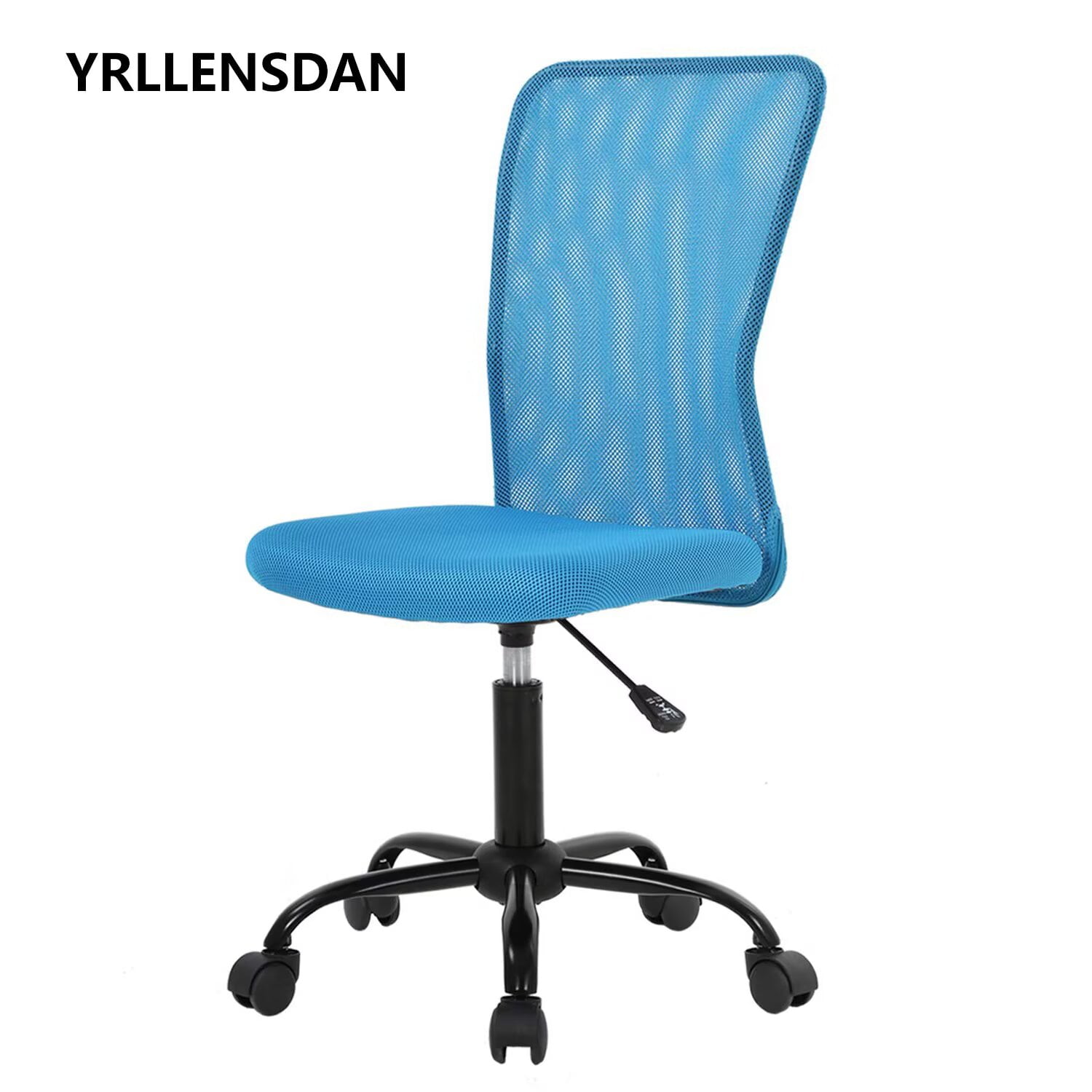
| Minimalist Mesh | Hot climates, focus on airflow | Breathable back, simple frame, often headrest-free | Modern, airy, functional |
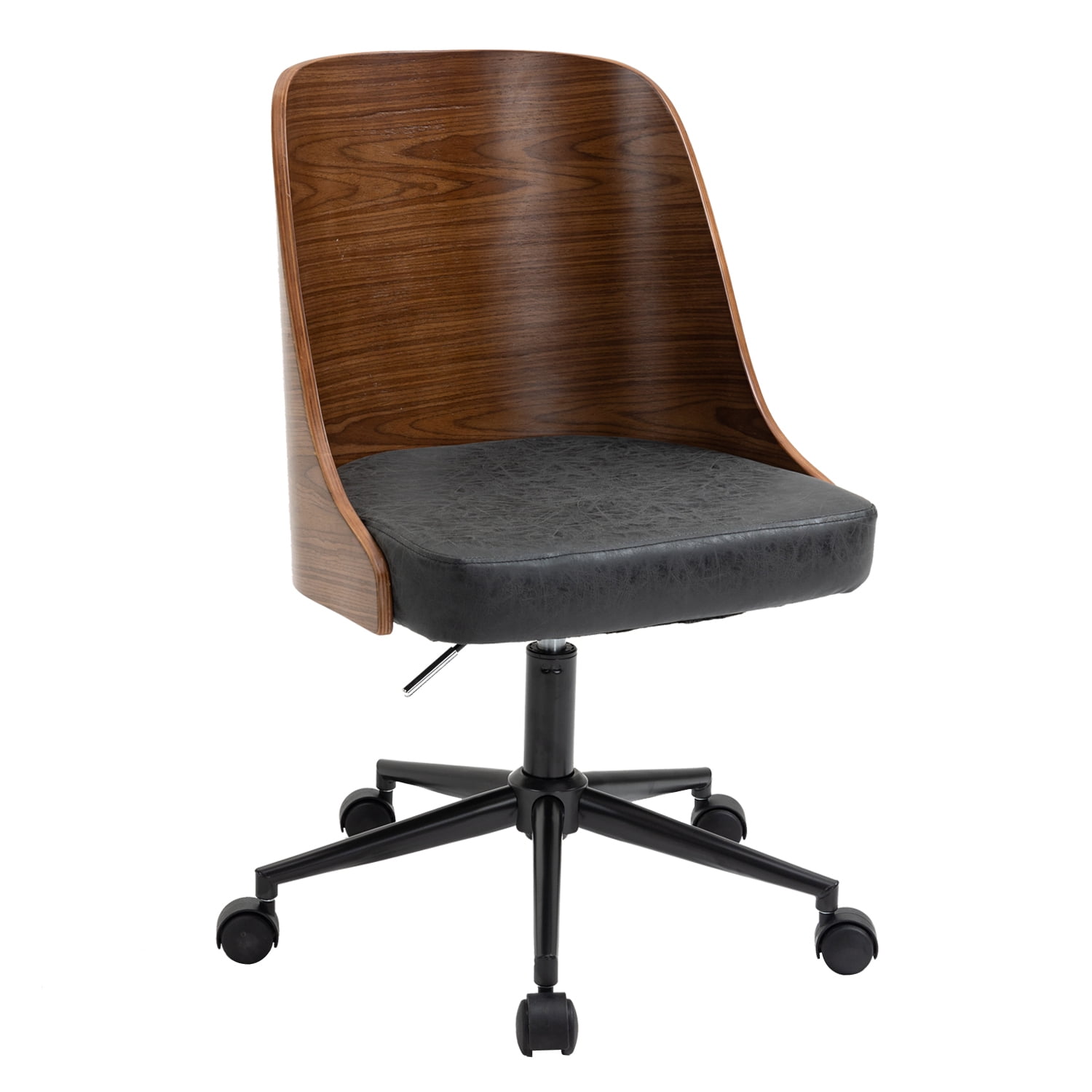
| Mid-Century Modern | Design lovers, wooden desk setups | Wooden accents, button-tufting, leather or velvet | Retro chic, warm, stylish |
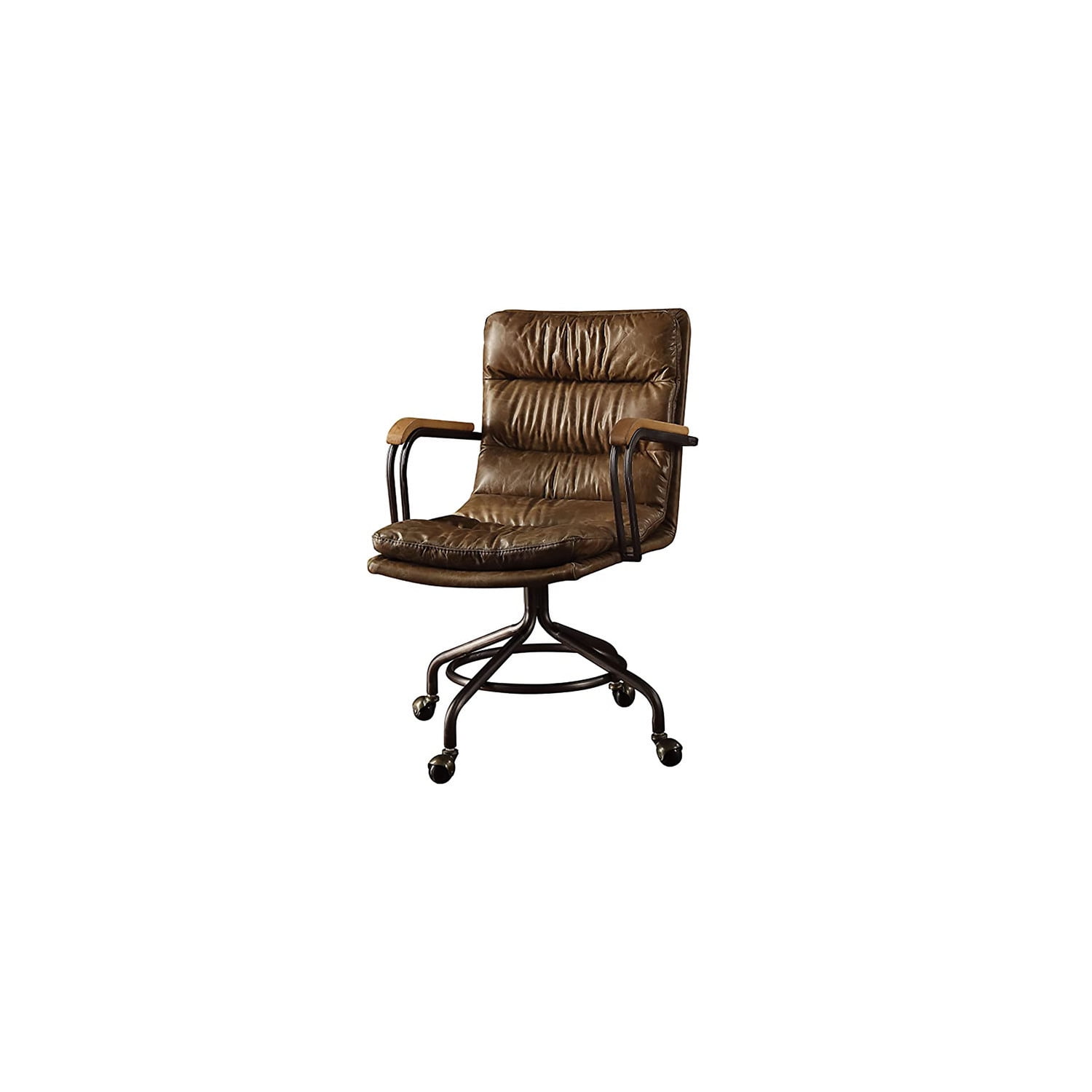
| Executive Padded | Long hours, plusher feel | High back, thick cushioning, sometimes massage function | Luxurious, commanding, cozy |
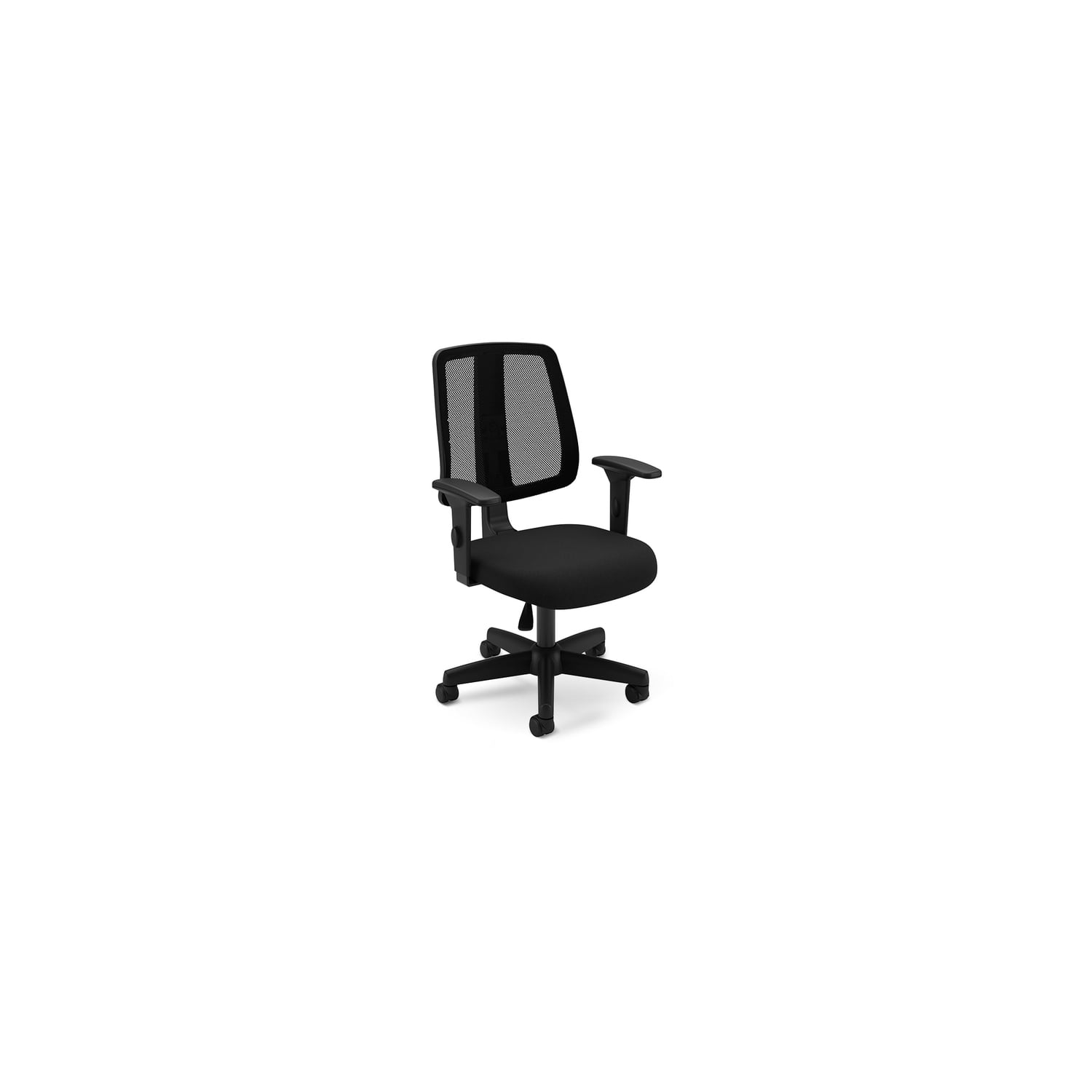
| Task / Operator Style | Small spaces, multi-tasking | Compact, lots of adjustments, usually mesh or fabric | Efficient, no-nonsense |
Notice there's no "best" style—only the best for your space. A nice chair fits your body and your room’s aesthetic like it was made for it.
Step-by-Step: How to Pick Your Nice Desk Chair
Step 1: Measure Your Space
Chairs can be bulky. Measure the width of your desk opening and the distance to the wall behind. If you recline, you need extra clearance. Also measure seat height range—make sure it aligns with your desk height (standard desk is 28–30 inches).
Step 2: Identify Your “Must-Haves”
List three things you cannot compromise on. For example: breathable mesh, adjustable armrests, and a tilt lock. This filters out chairs that look nice but lack functionality.
Step 3: Set a Realistic Budget
Avoid the trap of buying a $150 chair every two years. Spending $500–$700 upfront often saves money long-term because the chair lasts a decade and keeps you healthier.
Step 4: Read Reviews (but watch for patterns)
Look for comments about durability after 6 months. If multiple people mention the seat foam flattening or the armrests wobbling, steer clear.
Step 5: Consider the Return Policy
Even the nicest chair on paper might not suit you. Buy from retailers with a hassle-free return window (at least 30 days).
Frequently Asked Questions: Nice Home Office Chairs
Conclusion: Your Search for a Nice Desk Chair Ends Here
Finding a nice desk chair for your home office isn’t about chasing trends—it’s about understanding your own habits and space. Start with the non-negotiables: lumbar support, seat comfort, and adjustability. Then layer in the aesthetics: color, material, and silhouette that make you smile when you walk into the room. The chairs featured above (dynamically loaded from Walmart) represent a range of styles and price points that meet our criteria for quality and comfort. Pair them with the insights from this guide, and you’re well on your way to a home office setup that supports both your body and your personal style.
Remember, a chair is an investment in your daily well-being. Take your time, test if possible, and choose the one that feels like it was made for you.