
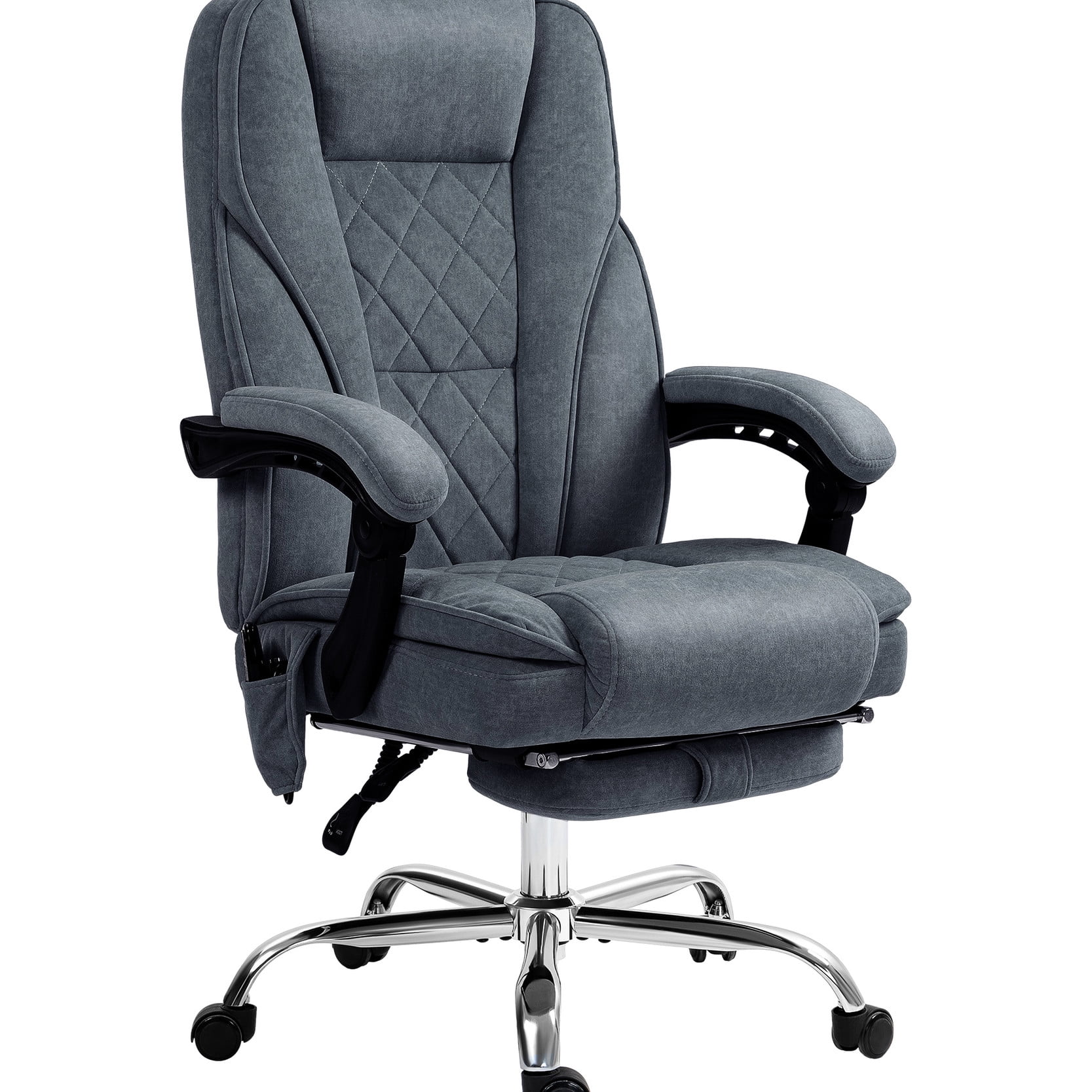
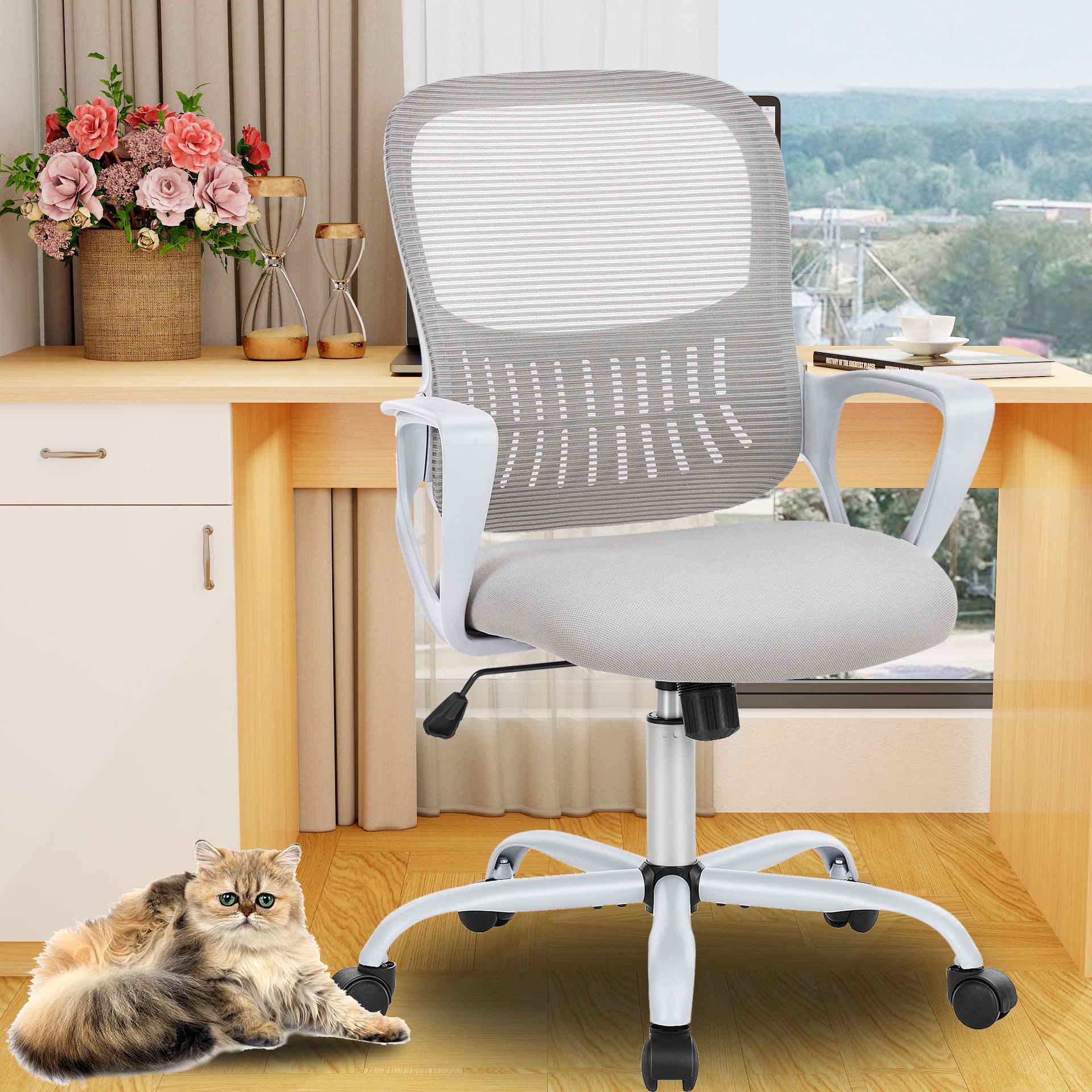
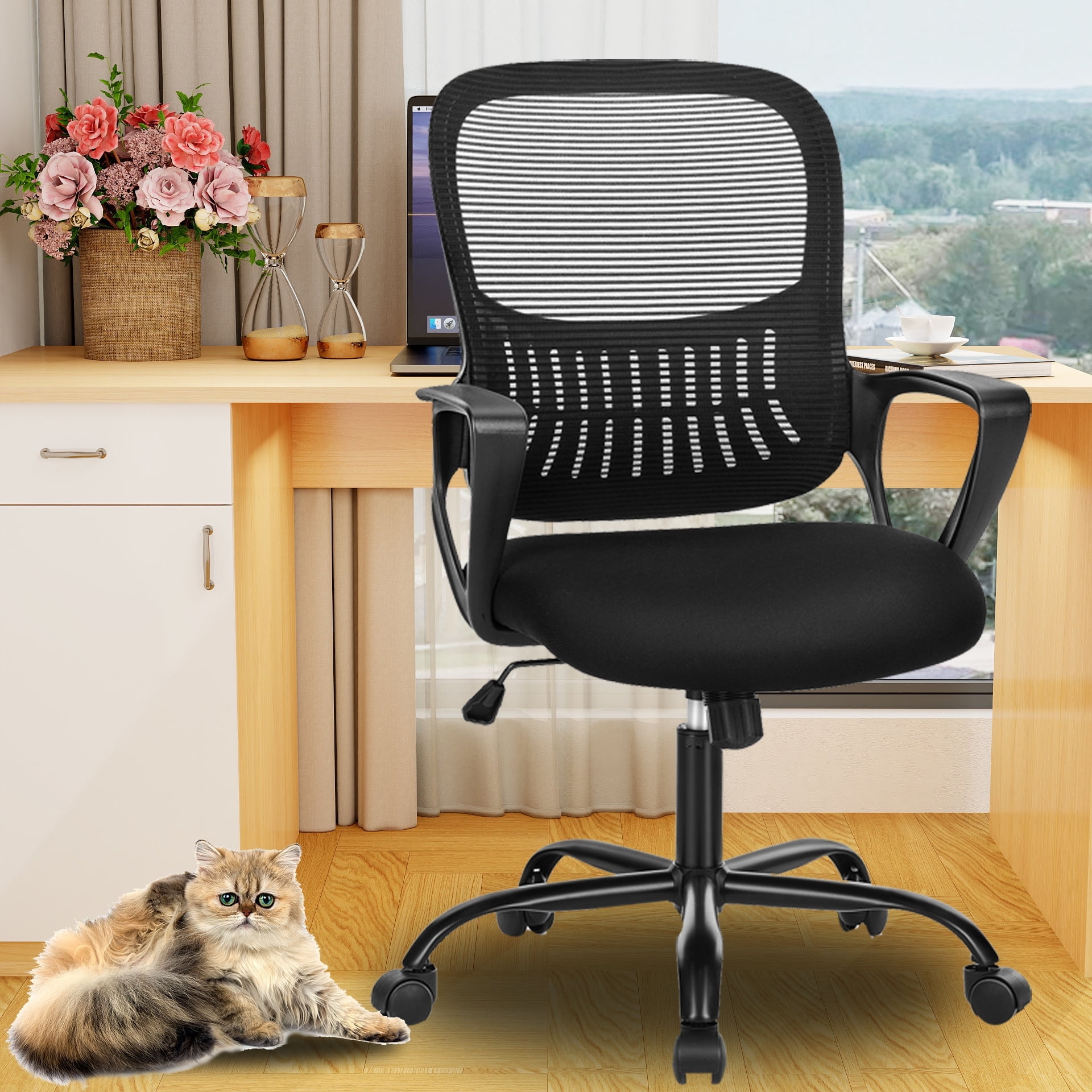
Why a Reclining Function Transforms Your Workday
Imagine this: it's 3 PM, you've been in back-to-back meetings, and your lower back is starting to ache. With a standard office chair, your only option is to shift uncomfortably. But with a comfortable reclining office chair, you simply lean back, shift the pressure, and continue your work with renewed focus. Reclining isn't just for napping; it's a dynamic ergonomic feature that allows your body to change posture naturally throughout the day.
Did you know? A study from the University of Alberta found that opening the angle between your torso and thighs to about 135 degrees significantly reduces spinal disc pressure. A quality reclining office chair facilitates this healthy posture, potentially reducing the risk of chronic back pain by 40%.
Anatomy of a Comfortable Reclining Office Chair
Not all recliners are created equal. A truly comfortable reclining office chair is an orchestra of components working in harmony. Here are the critical parts that separate a luxury experience from a frustrating one.
1. The Recline Mechanism: Smoothness & Locking
- Synchro-Tilt Mechanism: This advanced system allows the seat and backrest to move in a synchronized, ergonomic ratio (usually 2:1 or 3:1). Your feet stay planted, and you get support in any recline position.
- Multi-Position Locking: The best chairs let you lock the backrest at multiple angles—from a focused 90-degree upright posture to a relaxed 120-degree thinking pose, and even a 140-degree+ micro-rest position.
- Tension Adjustment: This lets you control how much force is needed to recline. A heavier person needs higher tension, while a lighter person needs less. Without it, you might feel like you're fighting the chair.
2. Cushioning & Upholstery: Where Comfort Lives
- High-Density Foam: Look for cold-cured foam with a density of 50-65 kg/m³. It provides a firm yet plush feel and resists sagging for years. Cheap foam breaks down within months.
- Breathable Materials: Premium mesh backs are excellent for airflow, preventing a sweaty back during long sits. For upholstered chairs, choose performance fabric or top-grain leather that "breathes" better than bonded leather.
- Waterfall Seat Edge: This curved front edge relieves pressure on the underside of your thighs, promoting better circulation—essential when you're leaning back and blood flow can be restricted.
3. Lumbar Support That Moves With You
In a standard chair, lumbar support is static. In a comfortable reclining office chair, the support should either be integrated into the backrest's shape or be independently adjustable. As you recline, gravity changes, and a good chair will maintain that supportive curve against your lower back. Look for chairs with adjustable depth (how much it pushes into your back) as well as height.
| Mechanism Type | Best For | Comfort Level |
|---|---|---|
| Knee-Tilt | Active sitters who lean forward often | Good, but recline limited |
| Synchro-Tilt | All-day comfort and varied postures | Excellent, smooth recline |
| Multi-Function / Sliding Back | Deep recline with footrests | Very Good, but may shift you forward |
Health Benefits: More Than Just Comfort
Reduced Spinal Pressure
Reclining distributes your weight more evenly, reducing pressure on the lumbar discs by up to 35% compared to upright sitting.
Improved Circulation
Elevating your legs slightly (using a footrest or reclining deeply) encourages venous blood return, reducing leg fatigue and swelling.
Dynamic Muscle Engagement
Moving between postures engages different muscle groups, preventing stiffness and the "frozen" feeling after hours at a desk.
Stress Reduction
The simple act of leaning back can trigger a relaxation response, lowering cortisol levels and refreshing your mind for the next task.
How to Choose the Perfect Reclining Chair for Your Body
Use this step-by-step guide to avoid a costly mistake:
- Measure Your Space: Reclining chairs need room behind them. Measure the depth when fully reclined to ensure it won't hit the wall.
- Check the Recline Angle: Do you want just a slight "tilt" (10-15 degrees) or a full "lie-flat" experience for power naps? Most office chairs offer 120-135 degrees.
- Assess Padding Preference: Some prefer a firm, supportive feel, others a "sink-in" plushness. Test if possible, or look for brands known for their specific foam density.
- Verify Weight Capacity & Base: For heavier individuals, ensure the base is reinforced aluminum or heavy-duty nylon, and the gas lift is Class 4 or higher.
- Test the Armrests: 4D armrests (height, width, depth, pivot) are ideal. They should move with you as you recline, supporting your arms in any position.
Reclining Chair Materials: Pros & Cons
Mesh Back / Fabric Seat
Best for: Warm climates, all-day wear. Offers breathability and often a more modern look. The mesh yields to your back shape.
Leather / PU Leather
Best for: Executive settings, easy cleanup. Leather looks premium but can be sticky in summer. High-quality leather is durable but expensive.
Frequently Asked Questions About Reclining Office Chairs
Conclusion: Invest in Your Daily Comfort
A comfortable reclining office chair is not a luxury; it's a tool for long-term health and sustained productivity. By allowing your body to move and rest naturally, you combat the physical toll of desk work. Whether you're a remote worker, a gamer, or a CEO, the ability to recline while maintaining ergonomic support is a game-changer. Focus on chairs with a robust mechanism, high-quality foam, and adjustable lumbar support. Your back will thank you at the end of every workday.