
What makes an office chair a “master”? The philosophy of command seating
Think of a master office chair like a precision instrument. Where a standard chair merely holds you up, a master chair actively works with your body. It anticipates micro‑movements, supports your natural curves, and becomes an extension of your workflow. In the same way a master craftsman chooses the best tool, a modern professional deserves a seat that doesn’t compromise.
Ergonomic study: According to the Journal of Occupational Health, workers using fully adjustable “master‑class” chairs reported 34% less lower back strain and 27% higher concentration levels after six months compared to those using fixed‑back chairs.
The anatomy of a master office chair: 5 non‑negotiable pillars
A master chair goes beyond “adjustable arms.” It integrates five core systems that work in harmony. Let’s break them down:
1. Dynamic lumbar & spinal tracking
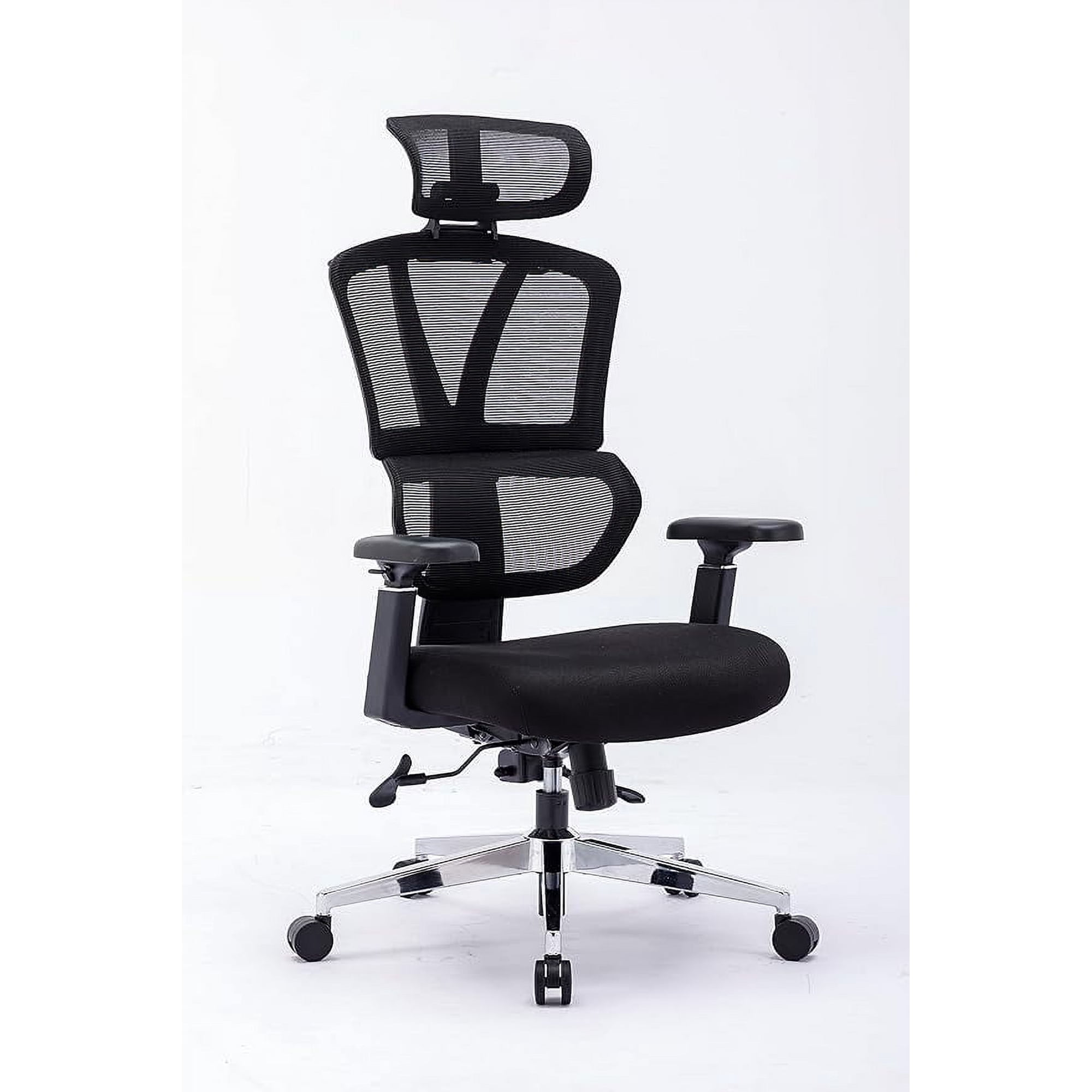
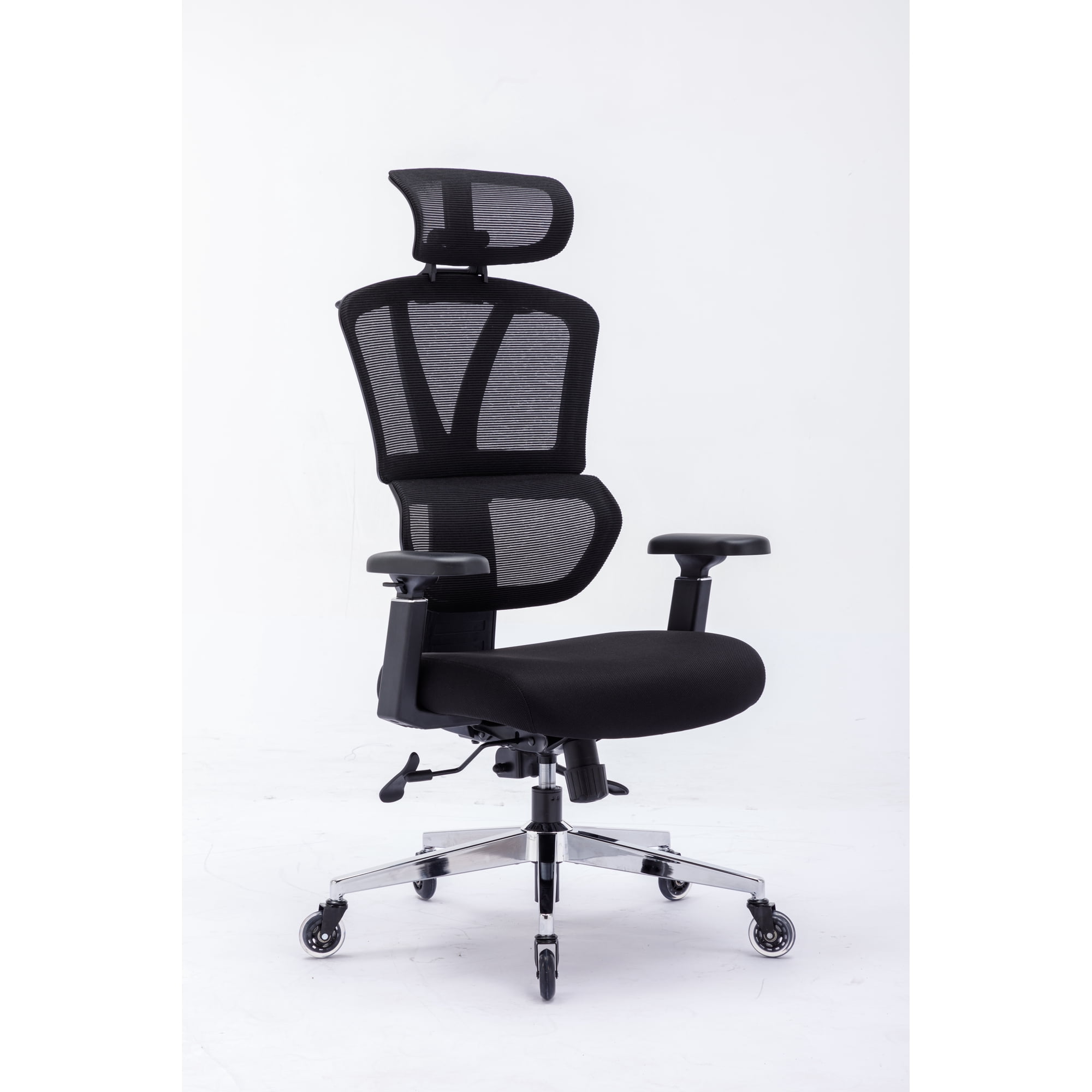
Standard chairs offer a static bump. A master chair uses a spinal‑tracking mechanism that follows your spine as you recline. Look for terms like “asynchronous lumbar” or “self‑adjusting backrest.” This keeps the lumbar curve in contact whether you’re leaning forward to type or relaxing during a call. Some high‑end models even have split backrests that move independently with each side of your back.
2. 4D+ armrests with multi‑surface articulation
Armrests on a master chair adjust in height, width, depth, and pivot angle (some even add horizontal slide). This lets you park your elbows at a perfect 90° while keeping shoulders relaxed. According to physical therapists, proper arm support reduces neck tension by up to 40%.
3. Seat depth & tilt tension with anti‑thigh compression
A waterfall edge is just the start. Master chairs allow you to slide the seat pan forward/backward so there’s a 2‑3 finger gap behind your knees. The tilt tension (often adjustable via a rotary knob) lets you recline smoothly without feeling like you’re fighting the chair. Premium models include a forward tilt that angles your thighs slightly downward – ideal for intense desk work.
4. Material alchemy: marrying breathability with luxury
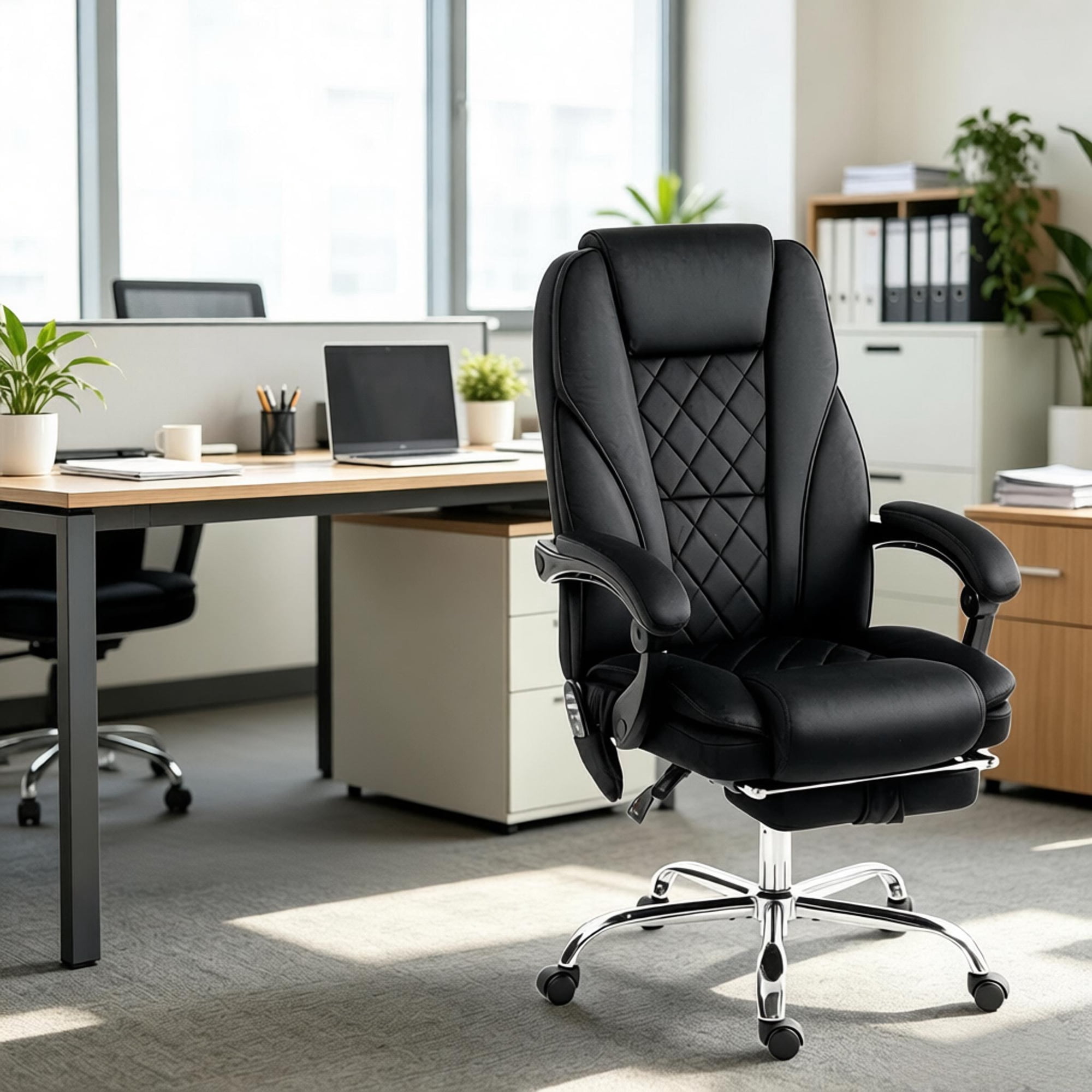
Master chairs don’t force you to choose between leather and mesh. Many combine a mesh back (for airflow) with a leather or high‑density foam seat (for comfort). The latest innovation is “cold‑cured foam” that retains shape for a decade. For leather lovers, top‑grain or full‑grain is a must – bonded leather cracks and looks cheap after two years.
5. Industrial‑grade base & casters
A true master chair uses a 5‑star base made of polished aluminum or reinforced nylon (rated for 500+ lbs). Casters are often dual‑wheel with soft rolling treads (for hardwood) or polyurethane (for carpets). Some even offer optional blade‑style rollerblade wheels for silent gliding.
Did you know? A survey of 1,200 remote workers found that those who invested more than $700 in their office chair reported 52% fewer sick days related to back or neck pain. The master chair segment ($800‑$1,800) had the highest satisfaction rate: 94% would recommend it to a colleague.
How to select YOUR master office chair (a step‑by‑step approach)
Use this numbered checklist when comparing models – it will cut through marketing fluff.
- Measure your body: Record your height, thigh length (from back of knee to hip), and weight. Match these with the chair’s size range – most master chairs fit a wide spectrum, but always verify seat depth and cylinder height.
- Prioritize the top three adjustments: For most people, lumbar height + depth, seat depth, and armrest 4D are the holy trinity. If a chair lacks any of these, it’s not a true master chair.
- Assess your work style: Do you shift positions constantly? Look for a synchronized mechanism with multiple lock positions. Do you take calls while leaning back? Ensure the headrest is adjustable (height and angle).
- Check the warranty: A master chair should have at least a 10‑year warranty on the frame and mechanism, and 3‑5 years on upholstery and foam. This signals manufacturer confidence.
- Read real‑owner feedback: Look for reviews that mention “6 months later” or “after a year.” That’s where you learn about foam durability or caster noise.
Material matrix: choosing your throne’s skin
Full‑grain leather
- Longevity: 15+ years with biannual conditioning
- Patina: Develops unique character over time
- Prestige: Instantly conveys authority
- Resistance: Naturally stain‑resistant if spills are wiped fast
Premium mesh (elastomer)
- Breathability: Never sticky, even after 10 hours
- Weight: Lighter, easier to move
- Maintenance: Dust‑wipe only, no cracking
- Eco‑option: Many use recycled content
Some master chairs marry both: leather on seat/armrests, mesh on back. This hybrid offers the best of both worlds and is increasingly popular among executives who value comfort as much as style.
Frequently asked questions about the master office chair
Conclusion: elevate your workday with the right master office chair
The master office chair is more than a purchase; it’s an investment in your daily performance and long‑term physical well‑being. By focusing on the five pillars – spinal tracking, 4D armrests, adjustable seat depth, premium materials, and heavy‑duty construction – you’ll find a seat that fades into the background while keeping you supported. Whether you lead a team, code for hours, or design the next big thing, your chair should be your silent partner. Take the time to test, compare warranties, and read verified reviews. Your back (and your productivity) will thank you.
Still unsure? Revisit the comparison table above, and remember that a master chair should feel like it was made for you – not the other way around.