
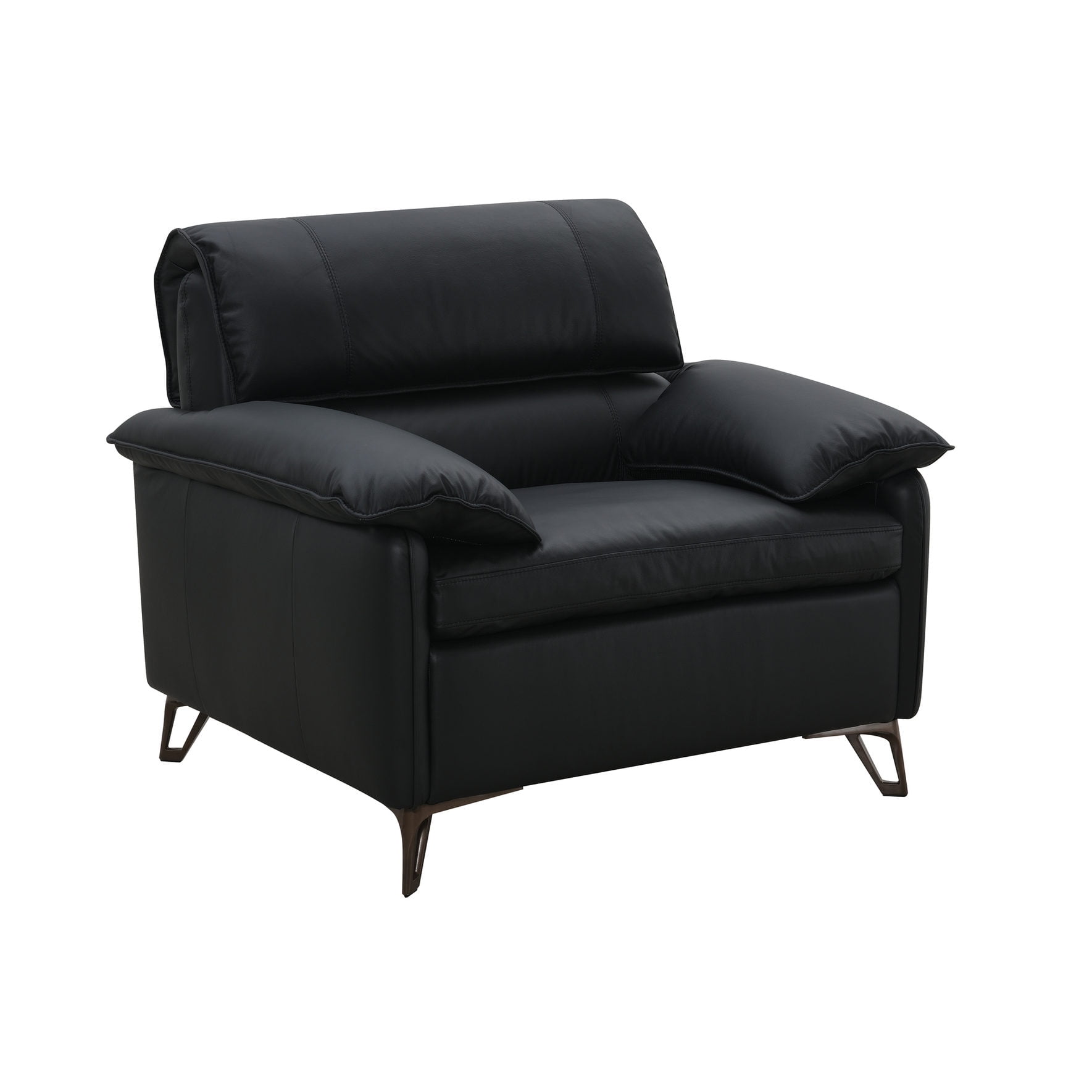
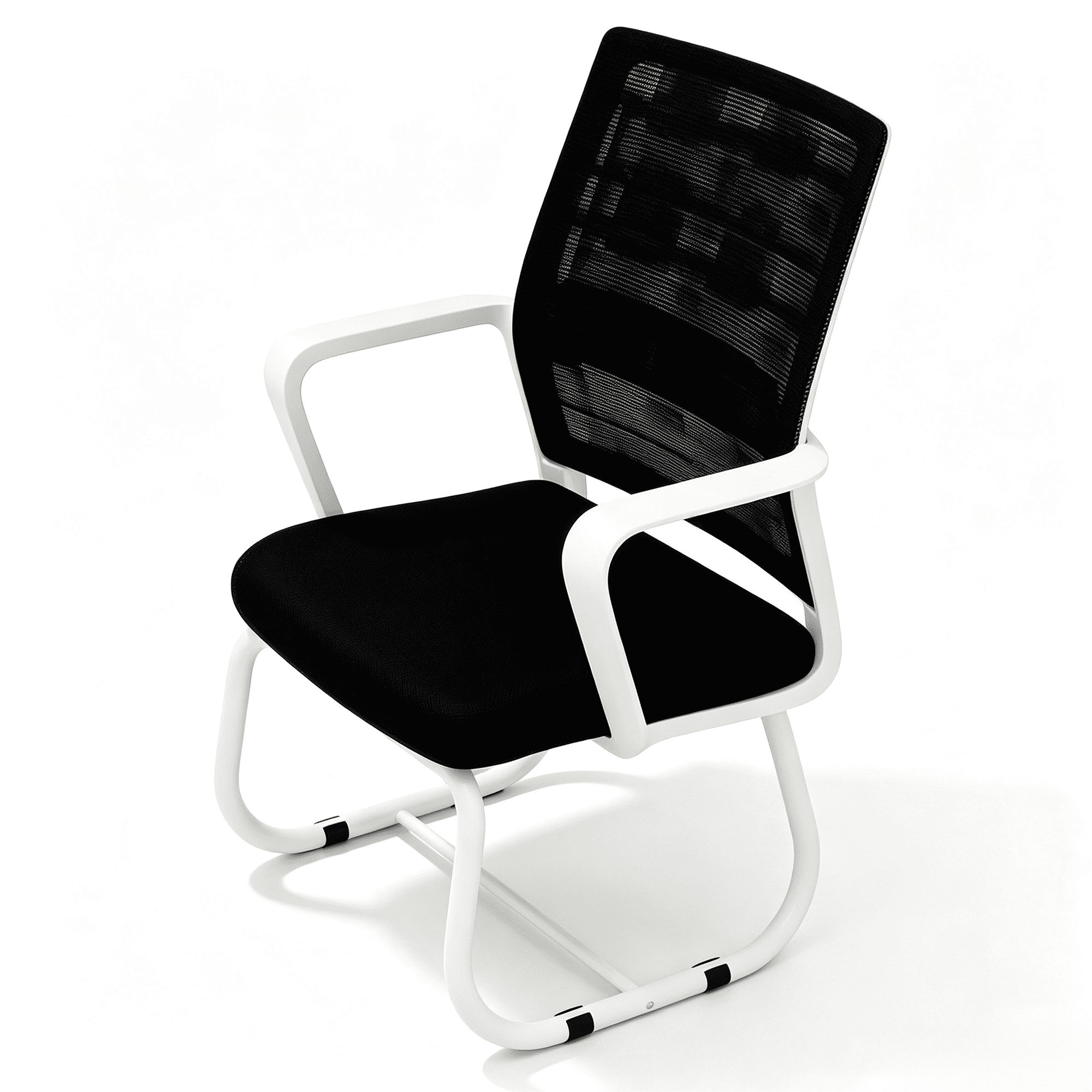
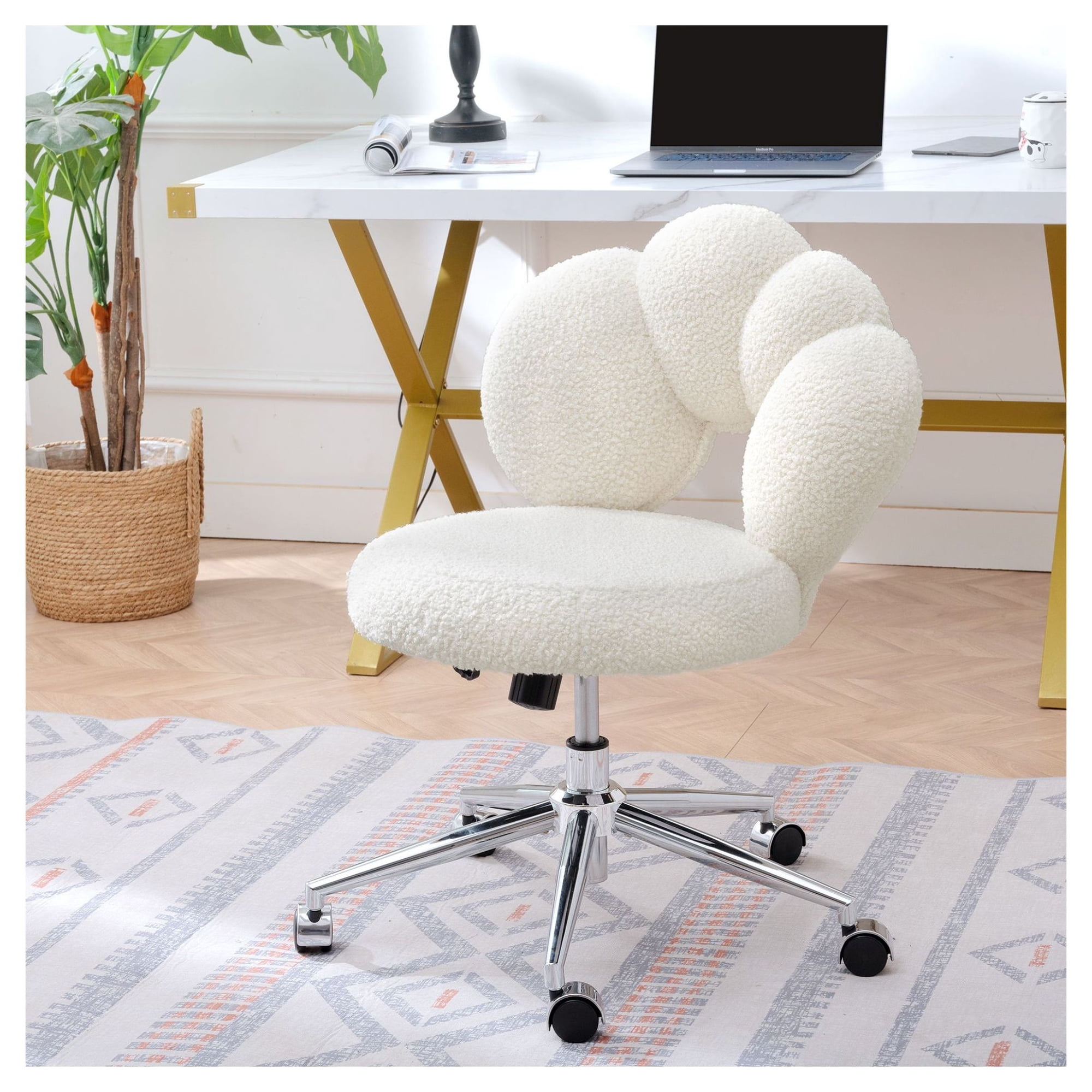
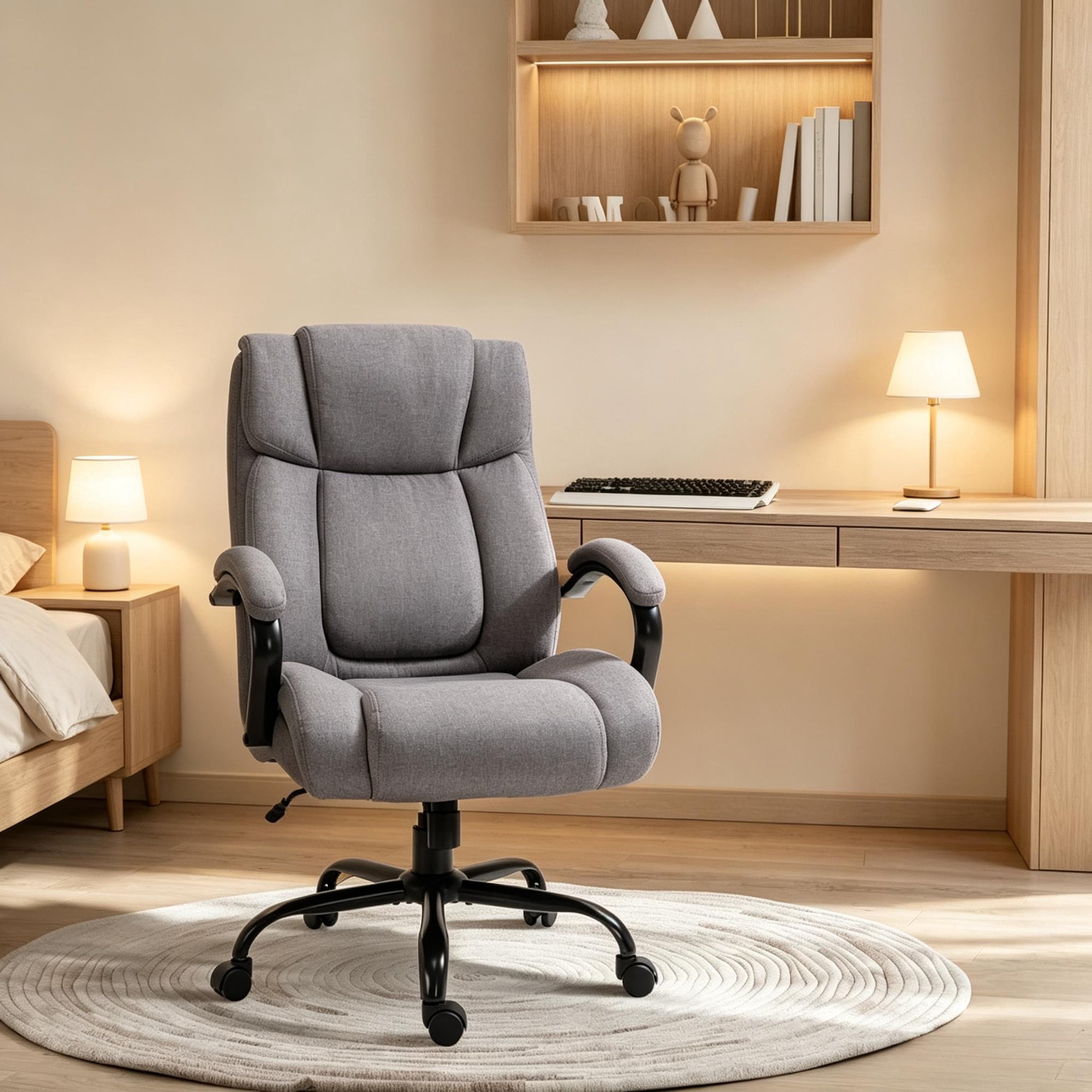
Finding Your Perfect Large Comfortable Office Chair
Finding an office chair that truly fits can feel like searching for a needle in a haystack if you need extra space. Standard office chairs, typically designed for average-sized users, often leave larger individuals feeling cramped, unsupported, and uncomfortable by mid-afternoon. The solution? A purpose-built large comfortable office chair engineered specifically for broader frames and higher weight capacities.
Think of a standard office chair like a economy-class airplane seat: functional for short trips but agonizing for long-haul journeys. Now imagine upgrading to first class with extra width, superior cushioning, and reinforced construction. That's precisely what a quality large office chair delivers. According to ergonomic studies, employees who use properly fitted seating report 46% less physical discomfort and demonstrate 18% higher productivity compared to those in ill-fitting chairs.
Industry Insight: The average office chair is designed for users weighing up to 250 pounds with seat widths of 18-20 inches. However, data from the National Center for Health Statistics shows that the average American male weighs 198 pounds, and over 40% of adults have a waist circumference exceeding 40 inches. This mismatch explains why large comfortable office chairs represent one of the fastest-growing segments in office furniture.
What Defines a Large Comfortable Office Chair? Understanding the Specifications
Before diving into specific models, it's crucial to understand what actually makes an office chair "large" and "comfortable." These aren't marketing buzzwords—they represent specific engineering and design parameters that accommodate bigger body types.
Standard Chair
- • Seat Width: 18" - 20"
- • Seat Depth: 16" - 18"
- • Back Height: 20" - 22"
- • Weight Capacity: 225 - 275 lbs
- • Armrest Width: 18" - 20"
Large Chair
- • Seat Width: 22" - 28"
- • Seat Depth: 19" - 22"
- • Back Height: 24" - 30"
- • Weight Capacity: 300 - 800 lbs
- • Armrest Width: 22" - 28"
1. Critical Dimensions You Must Measure
When shopping for a large comfortable office chair, arm yourself with a tape measure. These four dimensions will determine whether a chair truly fits:
- Seat Width (The "Hip Room"): Measure the widest part of your hips or thighs while seated. Add 2-4 inches for comfortable movement. A 22-inch seat width accommodates most larger users, while 24-26 inches provides generous space for those who prefer extra room.
- Seat Depth (Thigh Support): Sit with your back against a wall and measure from the wall to the back of your knee. Subtract 2-3 inches for proper depth. Too shallow and thighs lack support; too deep and the seat edge presses behind knees, restricting circulation.
- Back Height (Shoulder & Neck Support): Measure from your sitting surface to your shoulder top. High-back chairs (24+ inches) support shoulders and upper back. For headrests, add neck length. Taller users (6'2"+) need at least 28-inch back heights.
- Armrest Clearance (Elbow Width): Sit naturally and measure the outside width of your elbows. Ensure adjustable armrests can span this width comfortably without squeezing.
Pro Tip: Always check the "between-arm" width measurement (distance between armrests). Many large chairs specify this, and it's often more important than overall chair width. You want 2-4 inches of space on each side of your body for natural movement.
2. Weight Capacity: Beyond the Number
Weight capacity is perhaps the most critical safety and durability factor for large comfortable office chairs. However, manufacturers measure this differently. Here's what you need to know:
| Weight Class | Typical Capacity | Construction Features | Best For |
|---|---|---|---|
| Standard Plus | 275 - 325 lbs | Reinforced base, standard gas lift | Occasional use, lighter large users |
| Heavy Duty | 350 - 450 lbs | Thicker steel frame, commercial gas lift, wider base | Daily full-time use, most large users |
| Super Heavy Duty | 500 - 800 lbs | Industrial components, reinforced mechanism, 4"+ casters | Bariatric applications, maximum durability |
Beyond the raw number, examine the BIFMA certification. Chairs tested to BIFMA X5.1 standards have undergone rigorous durability testing, including 100,000+ cycles of tilting and weight drops. This certification provides real-world confidence beyond manufacturer claims.
3. Cushioning: The Comfort Factor
For large comfortable office chairs, cushioning isn't just about initial softness—it's about sustained support. Cheap foam compresses permanently within months, leaving you sitting on a hard board. Quality large chairs use:
- High-Density Foam (2.5-3.5 lbs/ft³): Resists compression and maintains shape for years. Lower density foam (under 2.0 lbs) feels soft initially but deteriorates rapidly.
- Cold-Cured Foam: A premium manufacturing process that creates more resilient, longer-lasting foam with better recovery.
- Memory Foam Layers: Some chairs combine high-density base foam with memory foam toppers for pressure relief. However, ensure the memory foam isn't too soft—it should support, not swallow.
- Seat Contouring: Look for waterfall fronts (curved down edges) that prevent pressure behind knees, and slight rear contouring that centers your hips naturally.
4. Frame and Mechanism: The Hidden Strength
A large comfortable office chair is only as good as its skeleton. Look beneath the upholstery (or research specifications) for:
- Reinforced Steel Frames: At least 2.0mm thickness in load-bearing areas. Some economy chairs use particle board or thin tubular steel that flexes under weight.
- Commercial-Grade Gas Lift: Class 4 or Class 5 gas lifts are essential for heavy users. Class 3 lifts (common in budget chairs) fail faster under higher weights.
- Wide Base (26-28 inches): A wider wheelbase provides stability and prevents tipping. Look for metal bases rather than plastic for heavy loads.
- Dual-Wheel Casters: Distribute weight better than single wheels. For carpets, 3" locking casters; for hard floors, soft polyurethane.
Top Comfort Features for Large Office Chairs
Beyond basic dimensions, specific comfort features transform a merely large chair into a truly comfortable one for extended sitting:
🔄 Adjustable Lumbar Support
Static lumbar padding doesn't work for everyone. Look for chairs with height-adjustable (2-4 inches movement) and depth-adjustable lumbar support that can be positioned exactly at your belt line.
🪑 Seat Depth Adjustment
Also called "seat slider," this feature lets you move the seat pan forward/backward independently. Critical for tall users who need deeper seats but also for shorter users who need shorter depth.
↔️ 4D Armrests
Armrests that adjust up/down, forward/back, left/right, and pivot angle. This allows you to position them exactly where your arms naturally rest, reducing shoulder strain.
📏 Synchronous Tilt
A mechanism where the seat and backrest move together at a 2:1 or 3:1 ratio. This keeps you supported while reclining and prevents shirt riding up or losing lumbar contact.
🧵 Breathable Upholstery
Larger bodies generate more heat. Premium mesh backs or perforated leather allow air circulation, preventing that sweaty-back feeling during long meetings.
⚙️ Weight-Activated Tension
Recline tension that automatically adjusts based on your weight. No more fiddling with knobs—the chair senses your weight and provides appropriate resistance.
Material Selection Guide for Large Comfortable Office Chairs
The upholstery material significantly impacts comfort, durability, and maintenance. Here's how materials specifically perform for larger users:
Leather (Genuine Top-Grain)
- Advantages: Extremely durable (10-15 years), professional appearance, conforms to body over time, easy to wipe clean, hypoallergenic.
- Considerations: Premium cost ($800-$2,000+), can feel hot in summer, cold in winter without climate control, requires occasional conditioning.
- Best For: Executive offices, home offices with climate control, users wanting maximum longevity.
Premium Fabric (Textile)
- Advantages: Breathable (less sweating), wide color selection, softer initial feel, quieter than leather, often more affordable.
- Considerations: Can stain, absorbs odors, may show wear patterns sooner, harder to deep clean.
- Best For: Cooler climates, creative environments, users prioritizing breathability.
Mesh (High-Tensile)
- Advantages: Maximum breathability, modern aesthetic, lightweight, excellent for back support (tension adjusts to body).
- Considerations: Some users find mesh uncomfortable against back through clothing, can sag over time if low quality, less "luxury" feel.
- Best For: Hot environments, tech offices, users with back pain who want continuous airflow.
Bonded/Faux Leather
- Advantages: Budget-friendly, leather-like appearance initially.
- Considerations: Peels and cracks within 2-4 years, less breathable, not recommended for heavy daily use as failure is common.
- Best For: Guest chairs, light-use home offices, tight budgets (with understanding of limited lifespan).
Health Benefits of Properly Fitted Large Office Chairs
Squeezing into a standard-sized chair doesn't just cause discomfort—it creates genuine health risks. Investing in a large comfortable office chair provides tangible physical benefits:
🦴 Spinal Alignment
Proper seat width prevents "spreading" that misaligns the spine. Wider seats allow hips to sit naturally, maintaining the spine's S-curve and reducing lower back strain.
🩸 Circulation
Adequate seat depth with waterfall edge prevents pressure behind knees, maintaining blood flow to lower legs and feet. No more numb feet or swollen ankles.
💪 Pressure Distribution
Wider seats with high-density foam distribute weight across a larger surface area, reducing peak pressure points on sits bones and thighs by up to 35%.
🔰 Shoulder/Neck Relief
Wider backrests accommodate broader shoulders without forcing arms forward, preventing rounded shoulders and text-neck posture.
According to occupational health research, workers using properly sized chairs report 58% fewer instances of tension headaches and 41% reduction in upper back stiffness compared to those in undersized seating. The reason? When your body isn't fighting the chair for space, muscles can relax, reducing fatigue and tension.
Frequently Asked Questions About Large Comfortable Office Chairs
Conclusion: Investing in Your Comfort and Health
Selecting a large comfortable office chair isn't just about furniture—it's an investment in your daily well-being, productivity, and long-term health. The right chair accommodates your body without compromise, providing the support system you need to focus on your work rather than your discomfort.
Remember these key takeaways when shopping:
- Measure first, shop second: Know your required seat width, depth, and back height before browsing.
- Prioritize weight capacity: Choose a chair rated at least 50-100 pounds above your weight for safety margin and longevity.
- Don't compromise on foam density: High-density foam (2.5 lb+) prevents premature sagging and maintains comfort.
- Look for adjustability: Lumbar support, armrests, and seat depth adjustments customize the chair to your unique body.
- Consider the whole package: Frame construction, gas lift quality, and warranty protect your investment.
The average professional spends over 80,000 hours sitting during their career. That's nearly a decade of your life in an office chair. Spending those hours in a properly fitted, large comfortable office chair designed for your body type transforms that time from a source of strain into a foundation for success. Browse the selection above to find your perfect match, and experience the difference that genuine comfort makes.