
The Philosophy Behind a Japanese Ergonomic Office Chair
When we think of Japanese design, words like precision, simplicity, and harmony come to mind. These principles are beautifully embodied in a Japanese ergonomic office chair. Unlike standard office seating, a Japanese chair isn't just about providing a place to sit; it's about creating a tool that works with your body, not against it.
Ergonomic Insight: The Japanese approach to ergonomics often focuses on the concept of 'Tate no kei' (vertical alignment) and 'Nagare' (flow). This translates to chairs that encourage a posture that aligns the spine naturally and facilitates a smoother workflow, reducing fatigue significantly.
Core Features of a Japanese Ergonomic Office Chair
What truly sets a Japanese ergonomic office chair apart from the rest? It's a combination of design philosophy and practical features that prioritize long-term health:
- Dynamic Lumbar Support: Advanced support that moves with you, ensuring your spine's lower curve is never unsupported, preventing slouching.
- Multi-Dimensional Tilt Mechanisms: Often featuring a 'kneeling' or 'balancing' tilt that encourages active sitting and engages core muscles.
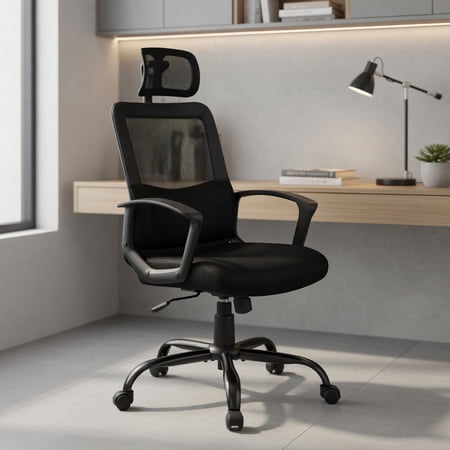
- High-Quality Mesh & Breathable Fabrics: To combat heat and humidity, allowing for long, comfortable sitting sessions without discomfort.
- Minimalist, Unobtrusive Design: An aesthetic that focuses on function, seamlessly integrating into any modern office environment.
- Precision-Engineered Adjustability: From seat depth to armrest height, every adjustment feels precise and solid, designed to hold its setting over time.
Choosing Your Ideal Japanese Ergonomic Office Chair
Selecting the right chair involves understanding your specific needs and how the chair's features align with them. Here’s a breakdown of key considerations:
| Feature | Why It Matters | What to Look For |
|---|---|---|
| Lumbar Support | Prevents back pain by maintaining the natural 'S' curve of your spine. | Independent height and depth adjustment. A 'breathing' or dynamic backrest. |
| Seat Pan Design | Reduces pressure on the thighs and ensures proper weight distribution. | A 'waterfall' front edge and adjustable seat depth to support your full thigh. |
| Tilt Tension & Mechanism | Promotes dynamic sitting and reduces static muscle strain. | Look for a 'synchro-tilt' or 'multi-function' mechanism that allows the backrest and seat to move in a synchronized manner. |
| Material & Breathability | Prevents overheating and ensures comfort for long durations. | High-quality, 3D mesh is often preferred for its breathability and support. |
| Durability & Build Quality | A long-term investment that protects your health and your budget. | Look for reputable Japanese brands known for their engineering, and check the weight capacity and warranty. |
The Health Benefits of Investing in Japanese Ergonomics
Investing in a Japanese ergonomic office chair is an investment in your overall well-being. The meticulous design leads to a range of tangible health benefits that are crucial for anyone spending long hours at a desk:
Postural Correction
Encourages a 'neutral' spine position, reducing the risk of developing 'tech neck' or chronic shoulder tension.
Enhanced Circulation
Proper seat depth and tilt mechanisms ensure blood flows freely, preventing numbness and fatigue.
Injury Prevention
By supporting natural movement, these chairs help prevent repetitive strain injuries (RSIs).
Boosted Productivity
When you're comfortable and pain-free, you can focus better, think clearer, and work more efficiently.