

Why a Reliable Office Chair Defines Your Workday
Your chair is the cornerstone of your workspace. An unreliable chair leads to distracting squeaks, sinking gas lifts, flattened cushions, and eventual back strain. In contrast, a truly reliable office chair provides consistent support, safety, and peace of mind—day in and day out. It’s not merely furniture; it’s an investment in your physical health and professional efficiency.
Industry Data: According to the Business & Institutional Furniture Manufacturers Association (BIFMA), chairs that pass rigorous durability tests (like 100,000 cycles on the base) are 3x more likely to maintain structural integrity beyond 7 years. Reliability directly correlates with certification standards.
Anatomy of a Trustworthy Chair: Key Reliability Indicators
When evaluating office chairs for dependability, you must look beyond aesthetics. Here are the pillars of long-lasting construction:
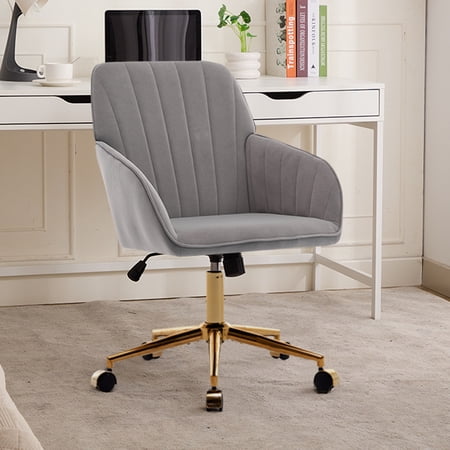
- Base Material: A five-point metal base (aluminum or steel) provides superior stability compared to plastic bases that may crack under stress.
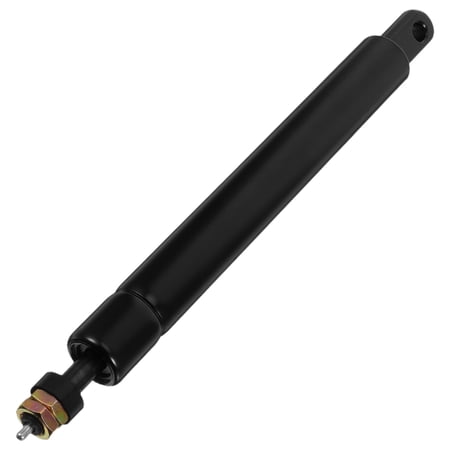
- Gas Lift Class: Class 4 gas lifts are rated for higher cycles and weight capacities, ensuring the chair doesn't sink over time.
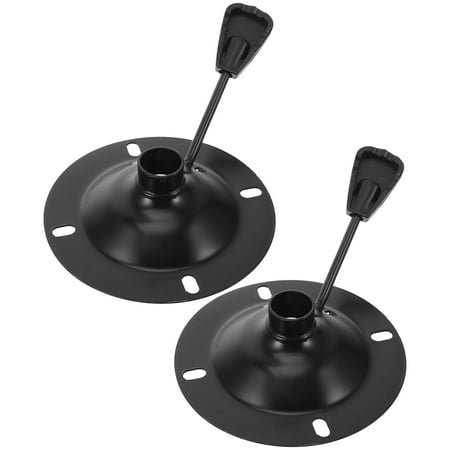
- Mechanism Type: Sturdy tilt mechanisms with reinforced steel plates resist fatigue and ensure smooth recline for years.
- Upholstery Resilience: High-density foam (2.5–3.5 lbs/cubic ft) or commercial-grade mesh retains shape and support longer than low-density alternatives.
- Casters & Floor Glides: Heavy-duty dual-wheel casters (rated for carpet/hard floors) prevent breakage and allow smooth mobility.
🛠️ Cycle Testing
BIFMA-certified chairs undergo 100,000+ actuation cycles for mechanisms and bases — mimicking decades of use.
⚙️ Weight Capacity
Reliable chairs typically support 300–500 lbs, indicating robust engineering beyond standard models.
📜 Warranty Length
Manufacturers backing chairs with 10-year+ warranties stand behind their reliability claims.
Material Deep Dive: What Lasts the Longest?
Steel & Aluminum Frame
Provides a solid foundation that resists flexing and torsion. Powder-coated finishes prevent corrosion. Ideal for heavy daily usage and larger users.
Cold-Cure Foam vs. Standard Polyurethane
Cold-cure foam retains shape up to 3x longer than conventional foam. It’s used in premium automotive seating and high-end office chairs for enduring comfort.
High-Tenacity Mesh
Commercial-grade mesh with reinforced edges resists tearing and sagging. Look for 100,000+ double-rub abrasion ratings for fabric longevity.
Top Engineering Features That Guarantee Dependability
Reliability isn’t just about materials—it's about design precision. Here are engineering hallmarks:
- Reinforced Seat Plate: A metal seat plate (instead of plastic) prevents flex and cracking when you lean or shift weight.
- Double-Needle Stitching: In leather or fabric chairs, double stitching reinforces high-stress seams, preventing unraveling.
- Class-4 Gas Cylinder: Rated for 150–200 kg and tested for 200,000+ height adjustments, it ensures your chair stays at the desired level.
- Steel Base with 360° Welding: Offers maximum structural integrity and eliminates wobbling even on uneven floors.
- Anti-Corrosion Coating: Protects moving parts from moisture and dust, ensuring smooth operation in various environments.
📊 Reliability Lifespan Comparison
Entry-level chairs (budget) → 2–4 years average life.
Mid-range reliable chairs → 7–10 years with proper maintenance.
Premium BIFMA-certified heavy-duty chairs → 12–15+ years, often with lifetime frame warranty.
Investing 30% more initially can triple the usable life, reducing long-term replacement costs.
Ergonomics Meets Durability: Support That Lasts
A reliable chair must also support your body’s natural alignment consistently. Features like adjustable lumbar depth (not just height), seat angle adjustment, and 4D armrests made of metal-reinforced components ensure the chair adapts to you without loosening over time. Look for chairs with independent tilt tension and lock mechanisms that maintain resistance for years.
Maintenance Tips to Extend Your Chair’s Reliability
- • Tighten screws and bolts every 6 months to prevent loosening from regular movement.
- • Clean casters from hair and debris to avoid uneven wear and rolling resistance.
- • Condition leather chairs twice a year to prevent cracking; vacuum mesh upholstery weekly.
- • Lubricate the tilt mechanism with silicone spray if squeaking develops.
- • Avoid overloading beyond rated weight capacity to protect the gas lift and base.
Real-World Reliability: What Industry Professionals Say
Office managers and ergonomic consultants often emphasize that the true test of reliability is after the first two years. Chairs that maintain their structural integrity, fabric resilience, and adjustment precision are rare. Brands that specialize in heavy-duty, certified, and contract-grade seating consistently outperform consumer-grade chairs.
Choosing a certified chair from reputable manufacturers ensures you avoid common pitfalls like seat collapse, armrest breakage, and unstable recline mechanisms.
Frequently Asked Questions About Reliable Office Chairs
Conclusion & Final Advice: Invest in Dependability
Selecting a reliable office chair is about prioritizing structural integrity, tested components, and warranties that back long-term use. While the upfront cost may be higher than budget alternatives, the total cost of ownership is significantly lower when you factor in replacement, health costs from poor support, and productivity losses from discomfort.
Smart Decision Framework:
Remember: a reliable chair does more than just sit—it supports your career, health, and daily focus. Make the choice that pays dividends in comfort and stability for the next decade.