
Why Mobility Matters: The Advantage of Wheeled Office Chairs
In a modern home office, static seating is a thing of the past. Home office desk chairs with wheels are not just about moving from point A to point B; they represent a fundamental shift towards dynamic, active, and efficient work habits. For anyone working from home, the ability to glide effortlessly between tasks—from typing at your desk to a quick note on a side table—reduces physical strain and saves precious time.
Ergonomic Insight: A study on workplace efficiency found that professionals using high-quality rolling chairs spent 32% less time on non-productive movements (like awkwardly reaching or standing up) and reported 41% lower instances of back and shoulder fatigue compared to those with stationary seating.
Beyond Basic Movement: The Core Benefits
Investing in a high-quality wheeled desk chair for your home office brings a range of benefits that go beyond simple convenience. It's an investment in your health and workflow efficiency.
- Dynamic Ergonomics: Wheels encourage micro-movements. You can subtly shift your position to change pressure points, keeping your spine engaged and promoting better circulation throughout the day. This is crucial for avoiding the health risks associated with prolonged static sitting.
- Seamless Workflow: Your home office might not be a single desk. A chair with smooth-rolling casters allows you to pivot to a filing cabinet, reach a printer, or slide over to a second monitor without interrupting your train of thought. This fluidity is a hidden productivity booster.
- Floor Protection (with the right casters): Modern wheeled chairs offer a variety of caster types. Soft rubber or polyurethane wheels are designed to glide silently and safely over hardwood, tile, and laminate without leaving scratches or marks.
- Ease of Cleaning: A mobile chair can be effortlessly rolled aside, making it simple to clean the floor underneath your desk—a small but appreciated benefit for maintaining a clean home office environment.
Decoding the Casters: Choosing the Right Wheels for Your Home Office
The wheels, or casters, are the most critical component of a mobile desk chair. The wrong type can damage floors or hinder your movement. Here’s a quick guide to help you select the perfect match for your home office flooring.
| Caster Type | Best For | Key Features |
|---|---|---|
| Soft Polyurethane / Rubber | Hardwood, Laminate, Tile, Vinyl | Non-marking, quiet, glides smoothly without scratching. The most versatile and recommended for most home offices. |
| Standard Hard Plastic | Carpet (low-pile) or with a protective mat | Durable and inexpensive but can scratch hard floors. Rolls easily on low-pile carpet but may be stiff on thicker surfaces. |
| Large / Heavy-Duty Carpet Casters | Thick Carpet, High-Pile Rugs | Wider diameter (2.5-3 inches) allows the wheel to glide over deep fibers without getting stuck. Essential for carpeted home offices. |
| Rollerblade / PU Dual-Wheel | All Floor Types (Premium Choice) | Superior smoothness and durability. These casters use a harder, larger polyurethane wheel that glides effortlessly on any surface. A popular upgrade for any home office chair. |
| Locking Casters | Multi-purpose workspaces, Sit-stand desks | Provides the best of both worlds: mobility when you need it, and a stationary base when you want to stay put, such as when using a standing desk or in a room with a slight slope. |
Selecting Your Ideal Rolling Desk Chair: A 3-Step Guide
Choosing the right chair involves matching its mobility features with your workspace layout and personal ergonomic needs. Follow this simple guide to make an informed decision.
1. Map Your Movement Zone
- Analyze Your Work Area: Do you move between a desk, a side table, and a filing cabinet? If your space is tight, prioritize a chair with a 360-degree swivel and a compact wheelbase.
- Floor Assessment: Check your flooring type. This is the single most important factor for wheel selection. A mismatch here can lead to floor damage or a frustrating experience.
- Space Constraints: For smaller home offices, look for chairs with a narrower base and casters that allow for easy maneuvering in tight spaces.
2. Match Mobility with Ergonomics
Movement should not compromise support. Here’s how to find the perfect balance.
Choose a chair with 4D armrests and a smooth-rolling mechanism to easily pivot between different workstations without adjusting your posture.
Prioritize chairs with soft polyurethane casters. Even better, look for models that allow you to easily replace the casters if you decide to upgrade to rollerblade wheels later.
A chair with a recline function and a stable 5-point base allows you to lean back for thought sessions while the wheels keep you anchored yet mobile.
3. Evaluate Long-Term Durability & Maintenance
Pro Tip: The base and caster quality are where you see the difference between a cheap chair and a long-term investment. Look for a heavy-duty metal base (nylon or steel) and replaceable casters. This ensures that if a wheel wears out or you move to a new home with different flooring, you can simply upgrade the casters instead of replacing the whole chair.
- Caster Quality: Check the caster material and size. Larger, heavier-duty casters indicate better quality and longevity.
- Base Construction: A steel or reinforced nylon 5-star base offers greater stability and weight distribution, preventing tipping when you roll or lean.
- Ease of Maintenance: Choose chairs with wheels that are easy to remove for cleaning hair and debris—a common issue that can hinder rolling performance over time.
Material & Mobility: How Upholstery Complements Wheeled Design
The synergy between a chair's upholstery and its mobility features is often overlooked but crucial for a cohesive home office experience. The material not only affects comfort and style but also how you interact with your chair's dynamic capabilities.
Mesh Back with Rollers
Ideal for: Active movers in warmer climates.
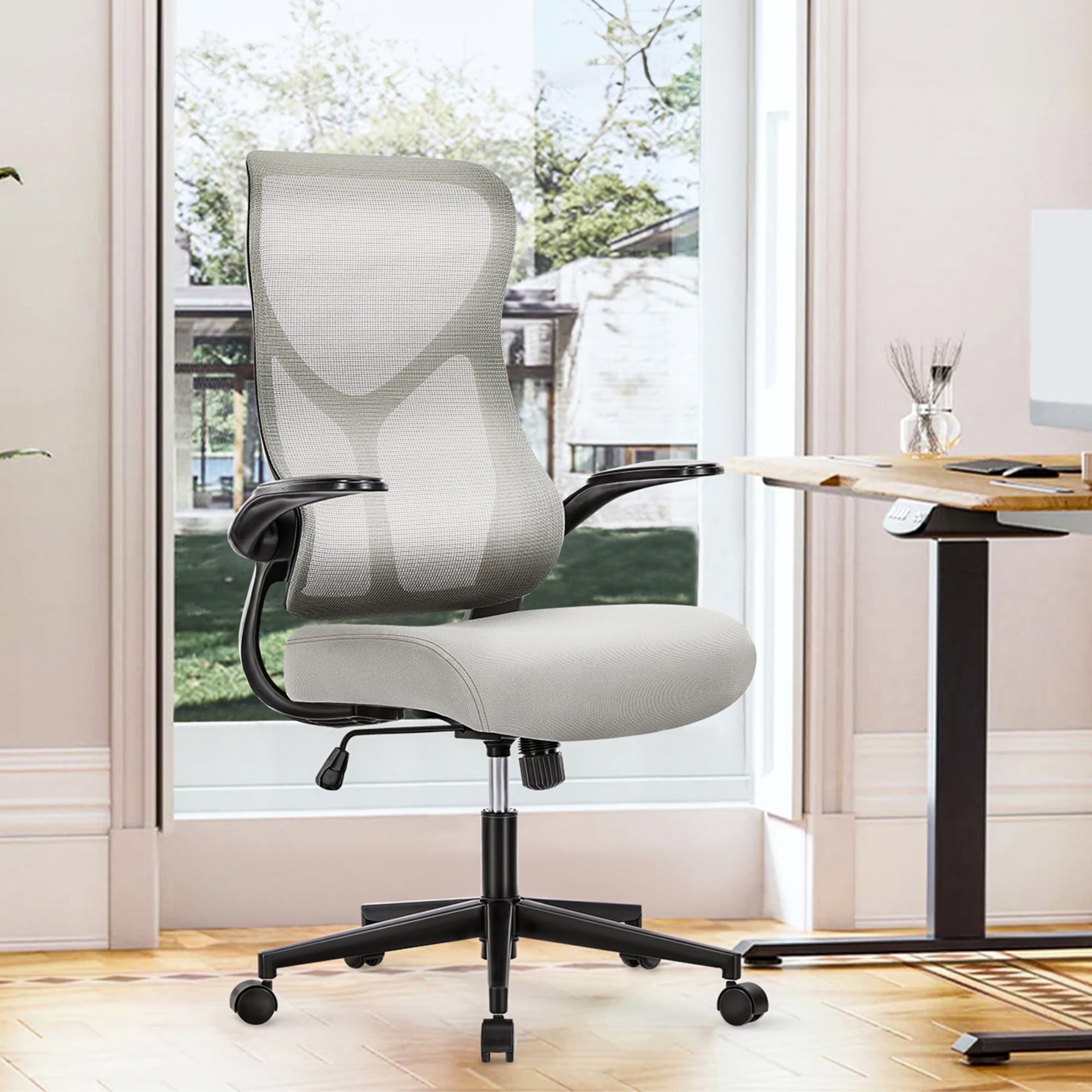
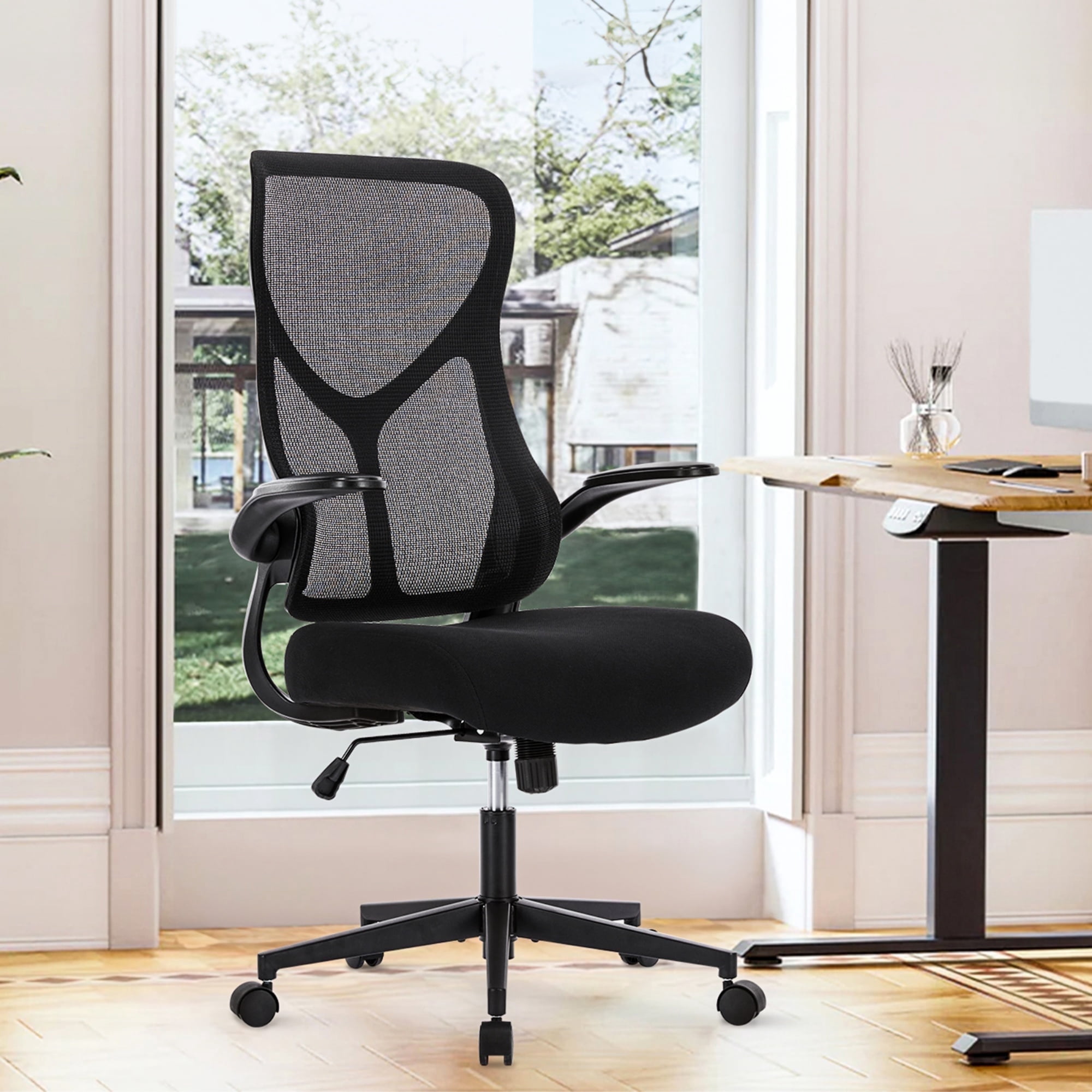
Mesh is highly breathable, which is a significant advantage when you're frequently shifting and moving. It keeps you cool during dynamic work sessions. Combined with high-quality casters, this pairing creates a chair that feels lightweight and agile, perfect for a modern, active home office.
Leather / Faux Leather on Wheels
Ideal for: Professional settings with mixed flooring.
Leather chairs are typically heavier, which can provide a more stable, grounded feel when rolling on carpets. The added weight, when paired with the right casters, offers a premium, gliding motion that feels controlled and deliberate, rather than skittish.
Fabric Upholstery & Casters
Ideal for: Quiet, multi-functional home offices.
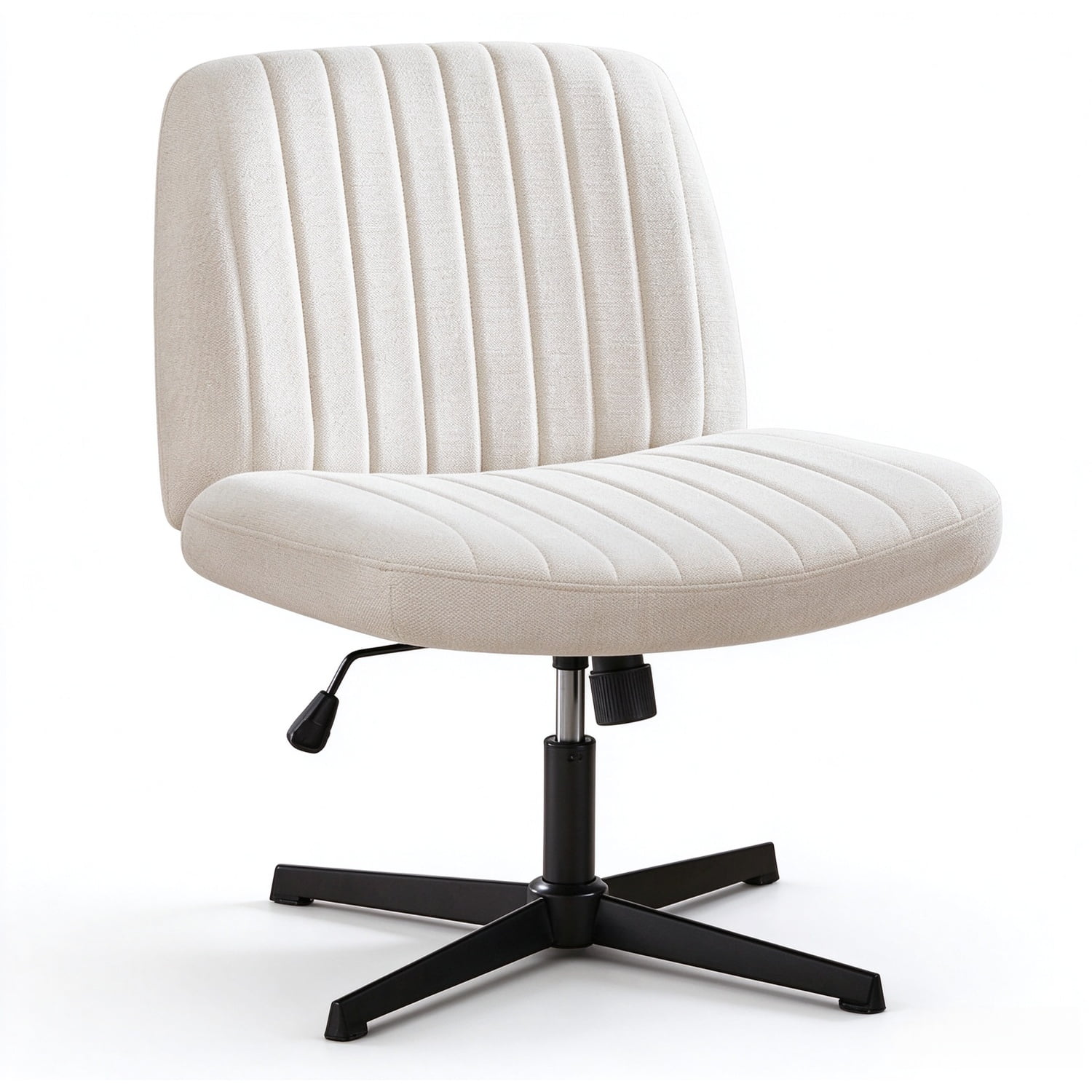
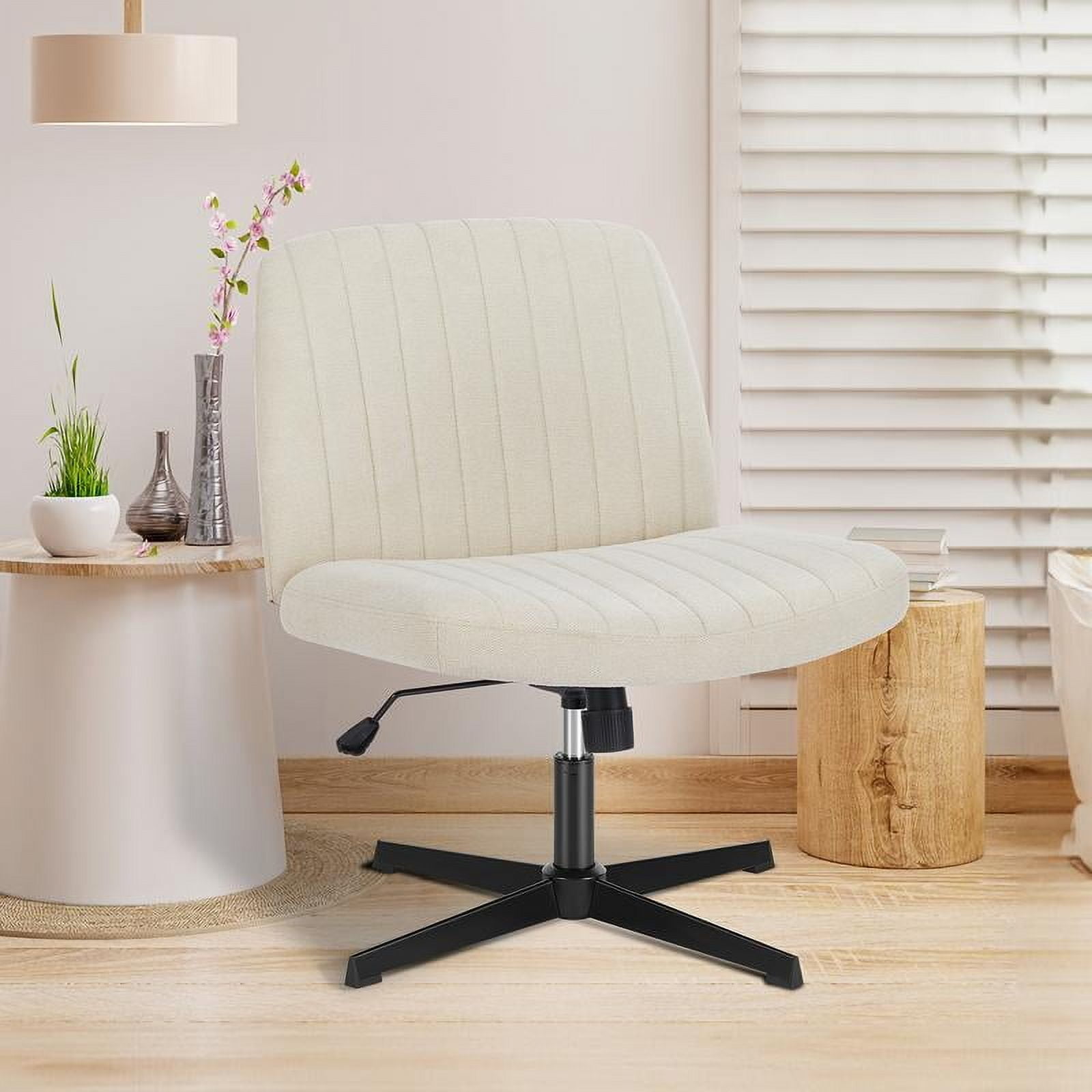
Fabric chairs often provide the best friction to keep you in place when desired, while still allowing for easy movement. They are a great choice for spaces where you need the chair to remain stationary while on video calls but be easily rolled aside for other activities like exercise or entertaining guests.
Frequently Asked Questions About Home Office Desk Chairs with Wheels
Conclusion: Your Perfect Mobile Workstation Awaits
Selecting the right home office desk chair with wheels is a pivotal decision that directly impacts your daily comfort, productivity, and the longevity of your home office setup. A truly mobile chair is more than a seat—it's an integral part of a dynamic workspace that moves with you.
Final Recommendations by Workspace Type
Prioritize chairs with soft polyurethane or rollerblade-style casters. These offer the smoothest glide and best floor protection. A chair with a high-quality metal base will provide stability on these slick surfaces.
Opt for a chair with large, heavy-duty carpet casters. The base should be sturdy and wide to provide stability on the thicker, softer surface. This combination ensures easy movement without sacrificing stability.
Choose a chair with a smaller wheelbase and 360-degree swivel for easy navigation in tight spaces. Locking casters can be a game-changer, allowing you to keep your chair in place when you need it and move it when you don't.
Your best bet is a chair with high-quality, medium-sized polyurethane casters. These provide a balanced performance on both hard surfaces and low-to-medium pile rugs. Look for a model with easily replaceable casters for future flexibility.
Ultimately, the best mobile chair for your home office is one that seamlessly integrates into your workflow, supports your body, and enhances your space. By focusing on the synergy between high-quality casters, durable construction, and ergonomic support, you're investing in a workspace that promotes not just efficiency, but genuine well-being for years to come.