
Why Choose an Armless Home Office Chair?
Imagine working at your desk with unrestricted movement — reaching for a notepad, turning to grab a file, or switching between typing and sketching without bumping your elbows. An armless home office chair offers exactly that: a liberating seating experience designed for flexibility and efficiency. Whether you're a digital artist, a writer, or simply someone who values a clean, minimalist workspace, ditching the armrests can transform your productivity.
Did You Know? According to a survey by the National Association of Home Builders, 42% of home offices are considered "space-constrained." Armless chairs reduce the footprint by up to 20%, allowing for better desk integration and easier storage.
Key Benefits of Armless Desk Chairs
🚀 Maximum Mobility
Slide in and out effortlessly. Armless chairs eliminate barriers, letting you move freely between tasks — ideal for multi-tasking environments.
🏠 Small Space Hero
Perfect for compact home offices, studio apartments, or corner desks. The narrow profile allows you to tuck the chair fully under the desk when not in use.
🎨 Creative & Active Sitting
Musicians, artists, and gamers love armless chairs because they allow for lateral movement, guitar playing, or shifting positions without obstruction.
🧘 Versatile Posture
Without arms, you can comfortably sit cross-legged, lean to one side, or adopt ergonomic sitting positions that suit your body's needs.
Ergonomic Features to Look For
Just because a chair lacks armrests doesn't mean it should skimp on ergonomics. The best armless home office chairs incorporate thoughtful design to keep your spine aligned and muscles relaxed.
- Contoured Seat Cushion: High-density foam with waterfall edge reduces pressure on thighs.
- Adjustable Lumbar Support: Some models offer built-in or removable lumbar pillows to maintain natural curve.
- Height-Adjustable Pneumatic Cylinder: Ensures your feet rest flat on the floor and thighs parallel to the ground.
- 360° Swivel & Smooth Casters: Allows quick pivoting between monitors, phones, and supplies without armrest interference.
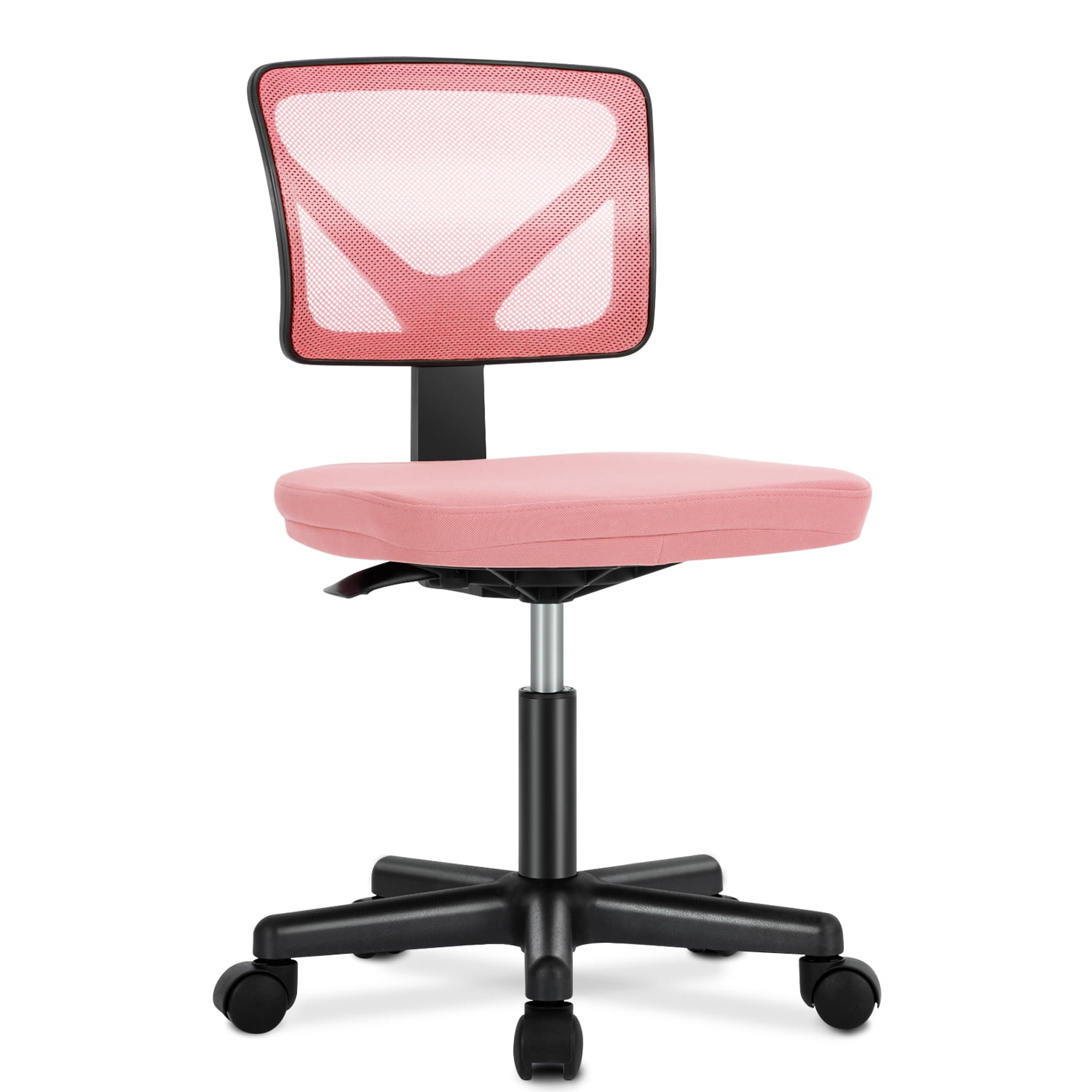
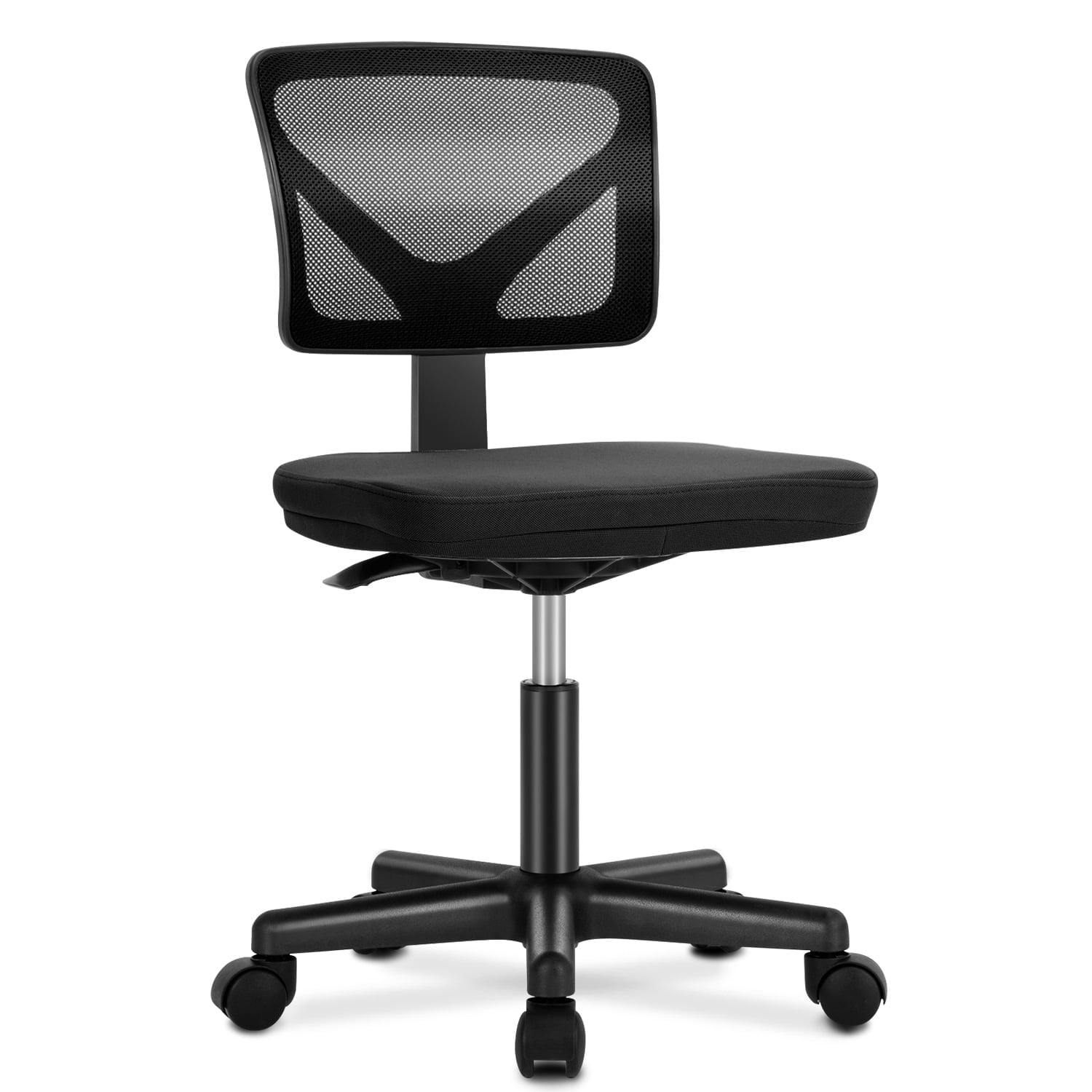
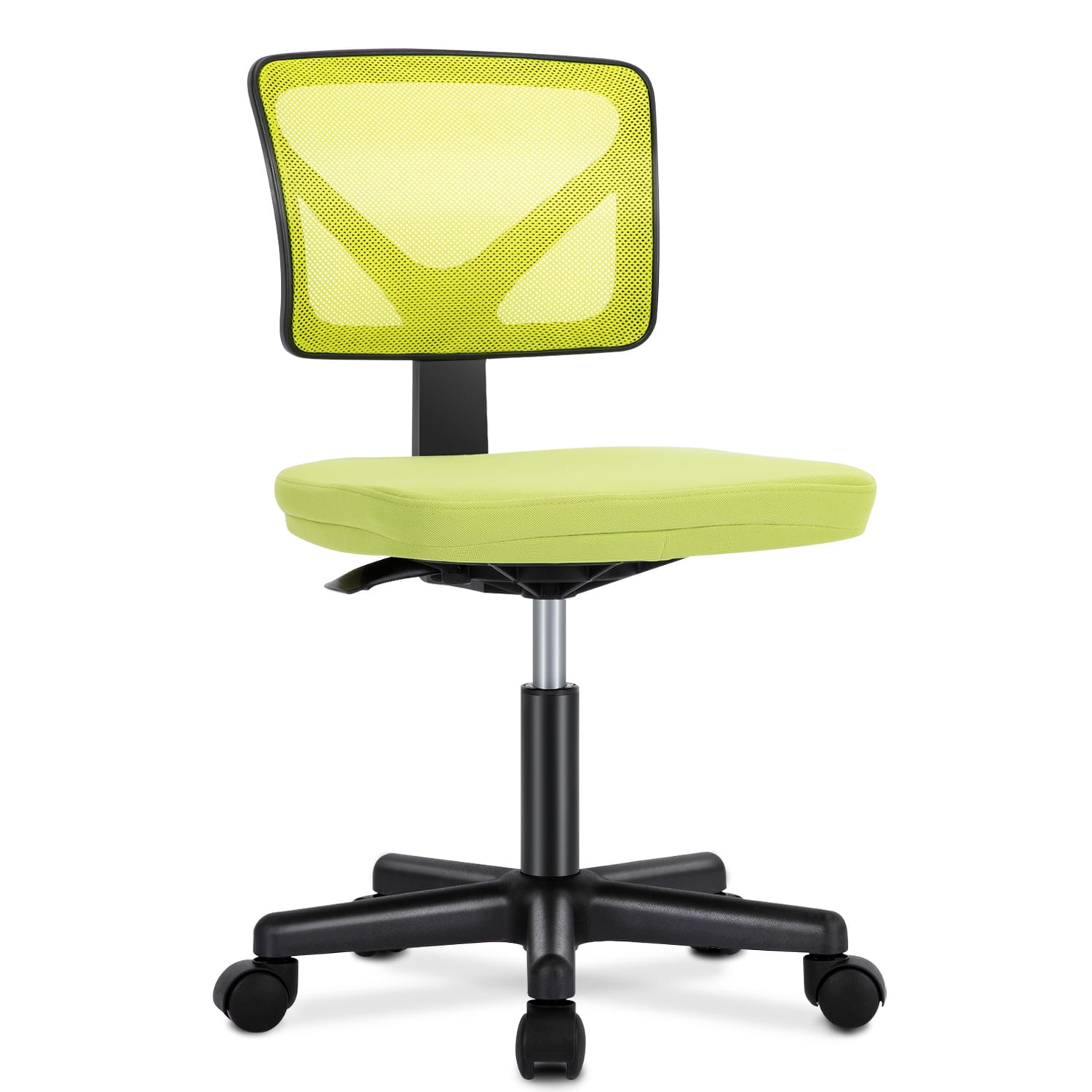
- Breathable Material: Mesh backs or perforated fabric keep you cool during long work sessions.
Who Benefits Most from Armless Office Chairs?
This style of seating isn't just a trend — it's a practical solution for many professionals:
| User Type | Why Armless Works Best |
|---|---|
| Writers & Editors | Unrestricted arm movement for typing, note-taking, and switching between devices. |
| Musicians | Essential for guitarists, keyboardists, or producers who need to move arms freely. |
| Small Office Spaces | Minimal footprint allows easier storage and better flow in cramped layouts. |
| Artists & Designers | Allows drawing, painting, or using a graphics tablet without hitting armrests. |
| Gamers with Wide Desks | More space for mouse movement and keyboard positioning, especially with low-profile desks. |
How to Select Your Perfect Armless Home Office Chair
Choosing the right chair involves balancing style, function, and durability. Follow this step-by-step guide to make an informed decision.
Step 1: Measure Your Workspace
- Desk Height: Standard desks are 28-30 inches. Ensure the chair’s seat height range (usually 16-21 inches) aligns.
- Under-Desk Clearance: Since armless chairs slide further under, measure the depth under your desk for a snug fit.
- Room Width: For narrow spaces, check the chair's base width — typically 22-25 inches for compact models.
Step 2: Identify Your Sitting Style
- Active Sitters: Choose a chair with a tilt-swivel mechanism and a slightly flexible back to accommodate movement.
- Long-Hour Workers: Prioritize extra seat padding, breathable mesh, and optional lumbar support pillows.
- Minimalist Lovers: Look for sleek designs with hidden adjustment levers and clean lines.
Step 3: Evaluate Construction & Materials
- Frame Material: Metal bases offer better durability than plastic; reinforced nylon is a good mid-range option.
- Upholstery: Faux leather is easy to clean, while fabric offers breathability; mesh backs provide superior airflow.
- Weight Capacity: Aim for at least 250 lbs for standard use; heavy-duty models can support up to 350+ lbs.
Armless vs. Traditional Executive Chairs: A Quick Comparison
While executive chairs often prioritize opulence and armrests, armless chairs focus on utility and spatial efficiency. Here’s how they differ:
| Feature | Armless Home Office Chair | Traditional Executive Chair |
|---|---|---|
| Space Requirement | Minimal — fits under low desks, narrow spaces | Requires wider clearance for armrests |
| Mobility | Unrestricted lateral movement | Armrests can limit swiveling in tight areas |
| Ergonomic Focus | Seat contouring, lumbar support, active sitting | Full-body support with adjustable armrests |
| Style | Modern, minimalist, versatile | Traditional, bulky, formal |
| Best For | Small offices, creative work, multi-use rooms | Large executive suites, high-level management |
Expert Insight: Physical therapists often recommend armless chairs for individuals who tend to hunch or lean on armrests, as it encourages more active core engagement and better spinal alignment over time.
Frequently Asked Questions About Armless Home Office Chairs
Conclusion: Embrace Freedom & Ergonomics
Choosing an armless home office chair is a smart move for anyone seeking a more dynamic, space-efficient, and stylish workstation. It's not about sacrificing comfort — it's about redefining it. With the right chair, you gain mobility, better desk integration, and often a healthier sitting posture. Whether you're setting up a compact home office or upgrading a creative studio, an armless chair offers a blend of modern design and practical functionality that traditional chairs can't match.
Final Recommendations
Prioritize breathable mesh back models with contoured seats to stay cool during long creative sessions. Look for 360° swivel and smooth casters for easy mobility.
Choose slim-profile chairs with folding or flip-up features if possible. Mid-back designs work well to maintain an open feel in small rooms.
Invest in chairs with adjustable lumbar support, seat depth control, and pneumatic height adjustment. Pair with a standing desk converter for a complete active workspace.
Remember to test the chair’s swivel and caster movement, and always check user reviews for real-world comfort feedback. With the right armless home office chair, you'll experience a new level of workplace freedom and efficiency.