
Why Rotating Armrests Are a Game-Changer for Your Office Setup
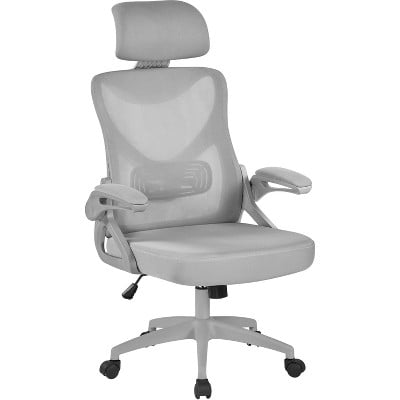
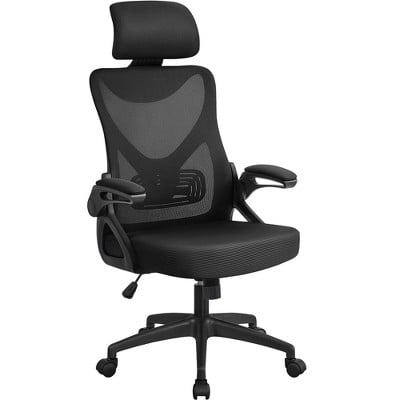
Imagine your chair’s armrests moving with you, not against you. Traditional fixed armrests often lock you into one position, forcing your shoulders to hunch or your elbows to hover awkwardly. An office chair with rotating armrests solves this by offering a pivot function—allowing you to swivel the armrest pads inward or outward to match your natural posture and task at hand. For executives, remote workers, and anyone spending 6+ hours at a desk, this small mechanical innovation delivers massive ergonomic dividends.
Ergonomic Insight: A study published in the Journal of Physical Therapy Science noted that adjustable armrests, particularly those with rotation, reduce electromyographic activity in the trapezius muscle by up to 32%, directly decreasing shoulder tension and the risk of repetitive strain injuries.
What Makes Rotating Armrests Different?
Most standard office chairs offer height-adjustable armrests. However, rotating (or pivot) armrests belong to a higher category known as 4D armrests. The “4D” stands for four dimensions of movement: height, width, depth, and pivot/rotation. This level of adjustability ensures that regardless of your body type or work style, you can achieve a custom fit. Here's what rotating armrests specifically bring to the table:
- Personalized Shoulder Alignment: Rotating armrests let you angle the pad inward for narrow shoulders or outward for broader frames, preventing unnatural arm abduction.
- Dynamic Task Support: When typing, rotate armrests slightly inward for closer elbow support; when reclining or reading, pivot them outward for more open posture.
- Space Efficiency: In tight workspaces, you can rotate armrests outward to slide the chair under the desk or inward to keep elbows supported while working.
- Enhanced Recline Comfort: During reclined positions, rotating armrests follow the natural angle of your forearms, preventing wrist strain.
Ergonomic Versatility
Users report significantly higher satisfaction when armrests rotate, as they adapt to varied tasks—from focused desk work to casual brainstorming sessions.
Biomechanical Alignment
By allowing the elbows to stay closer to the torso, rotating armrests minimize stress on the rotator cuff and upper back muscles.
Built to Move
Premium rotating mechanisms are tested for thousands of adjustment cycles, ensuring smooth operation and reliable support year after year.
Who Benefits Most From Rotating Armrests?
While any desk user can appreciate adjustable armrests, certain professionals see extraordinary benefits:
- Executives & Managers: Long meetings and multitasking require arm support that doesn’t restrict movement. Rotating armrests enable subtle posture shifts without distraction.
- Creative Professionals: Designers, writers, and coders who switch between keyboard, mouse, and sketching tablets benefit from armrests that pivot out of the way or provide angled support.
- Remote Workers with Shared Spaces: If your home office doubles as a living area, rotating armrests allow you to tuck the chair neatly under a desk when not in use.
- Big & Tall Individuals: Standard armrests often feel too narrow. Rotating armrests can be adjusted outward for broader comfort without compromising support.
Key Features to Look for in a Rotating Armrest Office Chair
Not all rotating armrests are created equal. To maximize your investment, focus on these critical specifications:
| Feature Category | Why It Matters | Recommended Specification |
|---|---|---|
| Armrest Adjustment Type | Determines overall ergonomic customization. | Look for 4D (height, width, depth, pivot) or at minimum 3D + pivot/rotation. |
| Pivot Range | Wider range = more flexibility for different body types and activities. | At least 20° inward rotation, 15° outward rotation. |
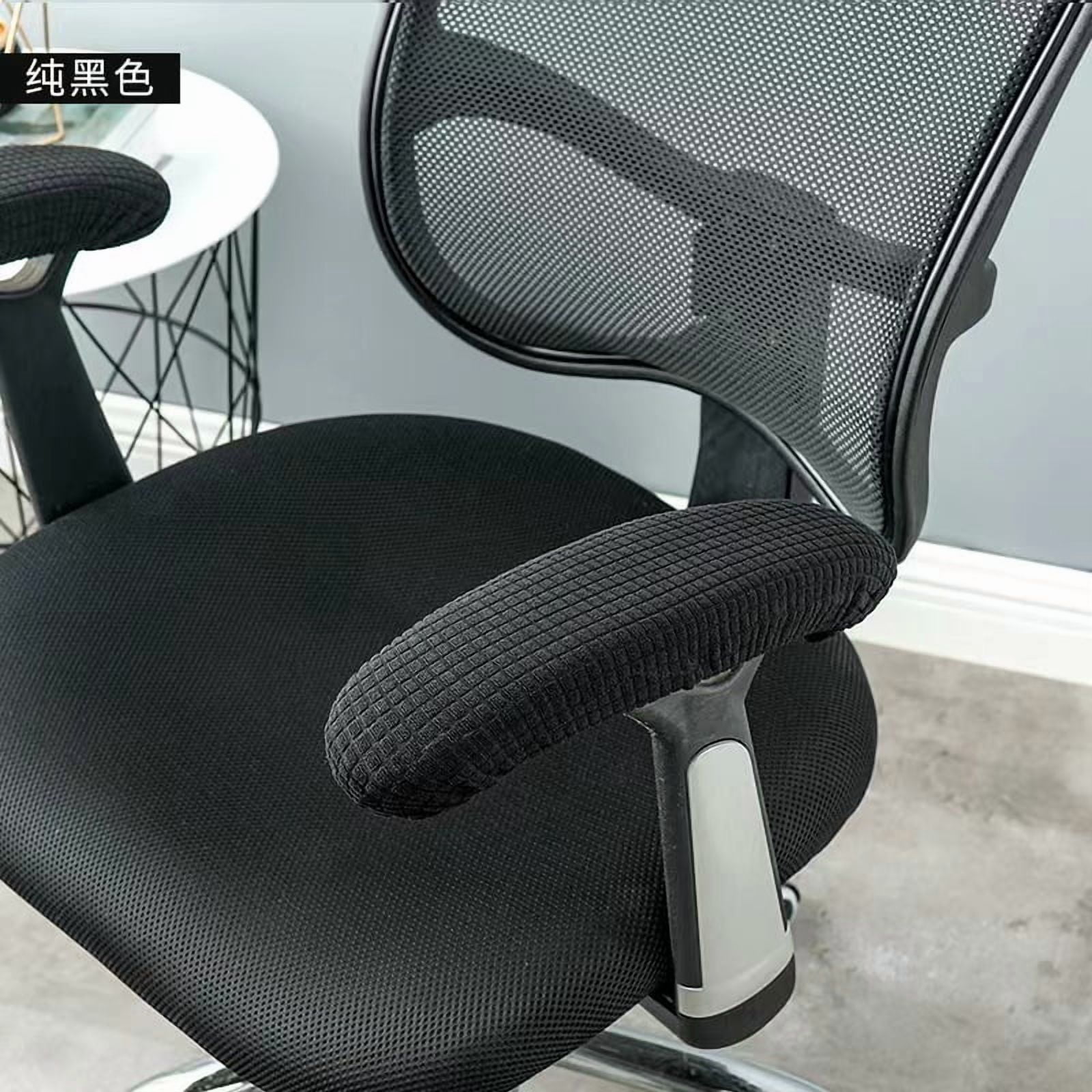
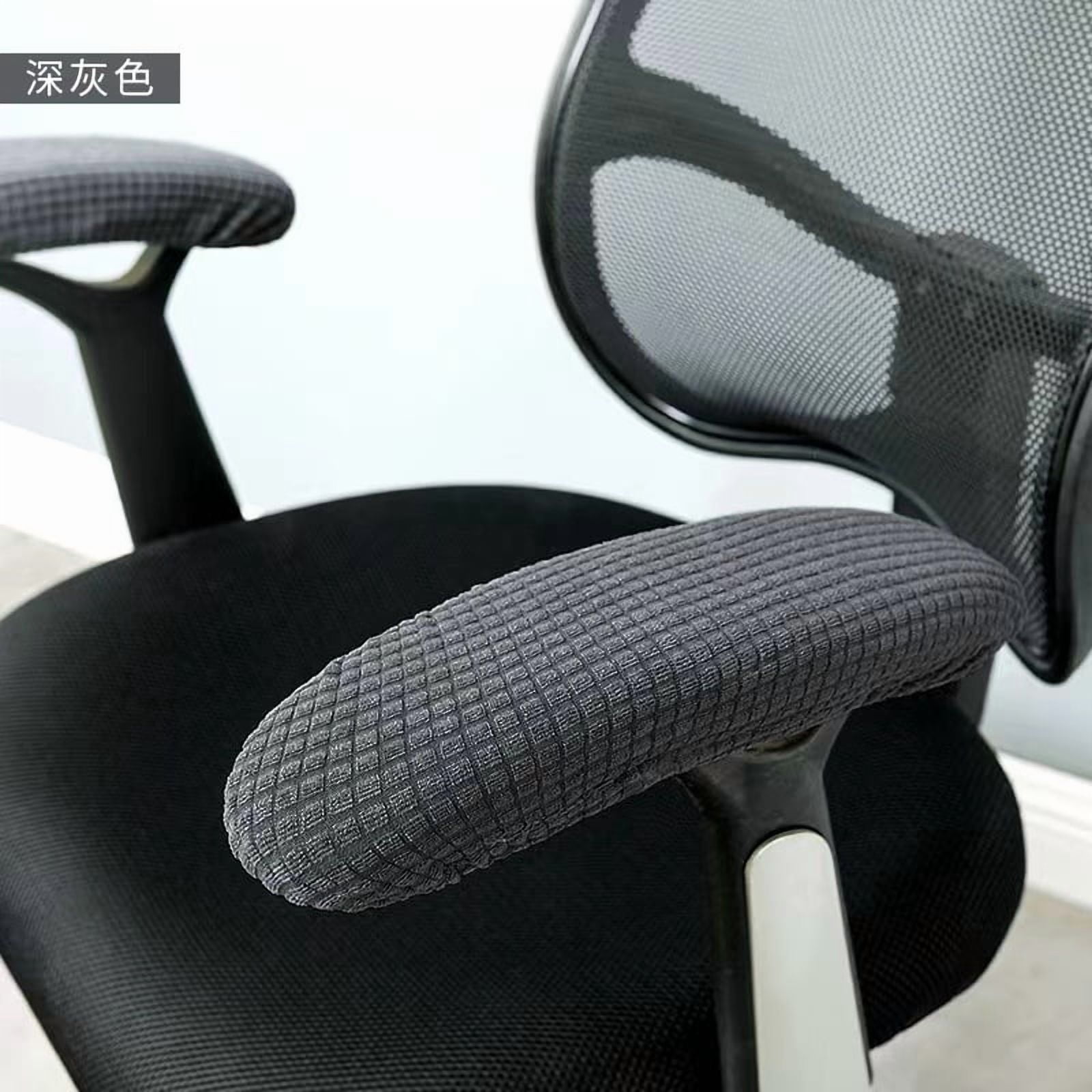
| Material & Padding | Comfort during long hours; durable materials resist wear. | High-density foam or memory foam with breathable fabric or premium leather. |
| Lumbar Support Integration | Rotating armrests should complement a healthy backrest. | Adjustable lumbar support (height & depth) to maintain spinal curve. |
| Seat Depth & Width | Ensures proper thigh support and overall fit. | Seat depth adjustable (17-21 inches) for optimal circulation. |
| Weight Capacity & Build | Stability and longevity. | Minimum 300 lbs, reinforced steel frame, Class 4 gas lift. |
How Rotating Armrests Improve Productivity and Health
The connection between ergonomic comfort and productivity is well-documented. When your arms are properly supported, your shoulders relax, reducing the risk of tension headaches and neck pain. Rotating armrests allow you to maintain a neutral wrist posture while typing, preventing carpal tunnel strain. Moreover, the ability to adjust the armrest angle during calls or creative brainstorming sessions keeps you moving — and movement is key to sustaining energy throughout the workday.
According to ergonomics experts, chairs with advanced armrest adjustability (including rotation) lead to fewer micro-adjustments and less fidgeting, allowing users to remain in a focused flow state for longer periods. For hybrid and remote workers, this translates to higher output and less fatigue by mid-afternoon.
Comparing Rotating Armrest Chairs vs. Standard Office Chairs
Still wondering if rotating armrests are worth the upgrade? Consider the differences:
- Standard Chair (Height-Adjust Only): Armrests are static in angle; can cause elbows to flare outward, leading to shoulder strain; often too wide or too narrow for individual body shape.
- Rotating Armrest Chair (Pivot Function): Arms move with you; supports both narrow and wide postures; allows clearance for getting in/out easily; enhances recline ergonomics.
Investing in a chair with rotating armrests is not just about comfort—it’s about long-term musculoskeletal health and maintaining peak performance.
Maintenance Tips for Rotating Armrest Mechanisms
To keep your chair's rotating armrests functioning smoothly:
- Clean Regularly: Wipe the armrest pads and pivot joints with a soft, damp cloth. Avoid harsh chemicals that could degrade plastic components.
- Check Screws Monthly: Over time, adjustment knobs may loosen slightly. Use the included Allen wrench to ensure all connections are secure.
- Lubricate If Needed: If rotation becomes stiff, apply a small amount of silicone-based lubricant to the pivot joint (check manufacturer guidelines first).
- Avoid Over-Rotating: Most mechanisms have a stop; forcing beyond the limit can damage internal gears.
Quality chairs from reputable brands often include warranties covering the armrest mechanisms for 5-10 years, giving you peace of mind.