
Why Does Your Office Chair Keep Sliding Down?
Imagine settling into your desk for a focused work session, and within minutes, you feel your chair slowly descending. You pull the lever, readjust, and—within an hour—you're back to a lower position. This frustrating experience is caused by a specific mechanical failure in your chair's height adjustment system.
Key Insight: According to office furniture repair statistics, gas lift cylinder failure accounts for over 70% of office chair height adjustment problems. The average office chair cylinder is rated for approximately 20,000-30,000 height adjustments before potential failure.
The Culprit: The Gas Lift Cylinder Explained
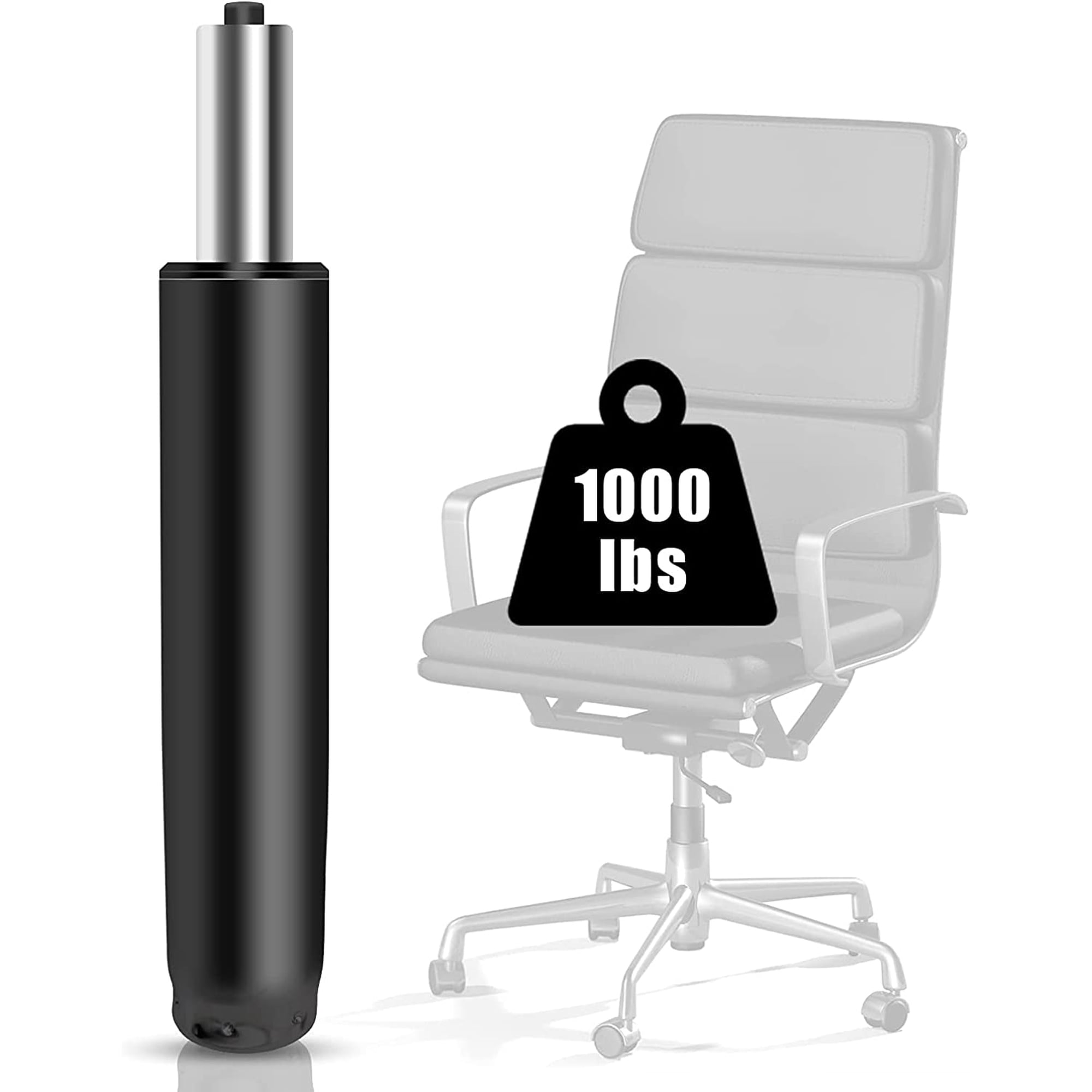
Your office chair's ability to stay at a set height relies entirely on a component called the gas lift cylinder. Think of it as a shock absorber for your chair. Inside this metal cylinder is:
- Pressurized nitrogen gas that creates resistance against your weight
- Seals and O-rings that contain the gas pressure
- A piston mechanism that moves when you pull the height adjustment lever
- Lubrication that allows smooth movement
When you pull the lever, a valve opens inside the cylinder, allowing gas to move between chambers so the chair can go up or down. When you release the lever, the valve closes, and the gas pressure should hold your chair at that height. When the seals wear out or gas leaks, the pressure can't hold, and your chair slowly sinks.
Common Signs of Cylinder Failure
- Slow descent: The chair drops gradually throughout the day
- Sudden drops: The chair drops quickly when you sit down
- Hissing sound: You hear air escaping when adjusting height
- Wobbling: The chair feels loose or unstable at the base
- Complete failure: The chair goes straight to the lowest position
Quick Temporary Fixes (While You Plan the Permanent Repair)
If you need your chair functional immediately, these temporary solutions can get you through a few days or weeks until you can perform a proper repair.
1. The Hose Clamp Method
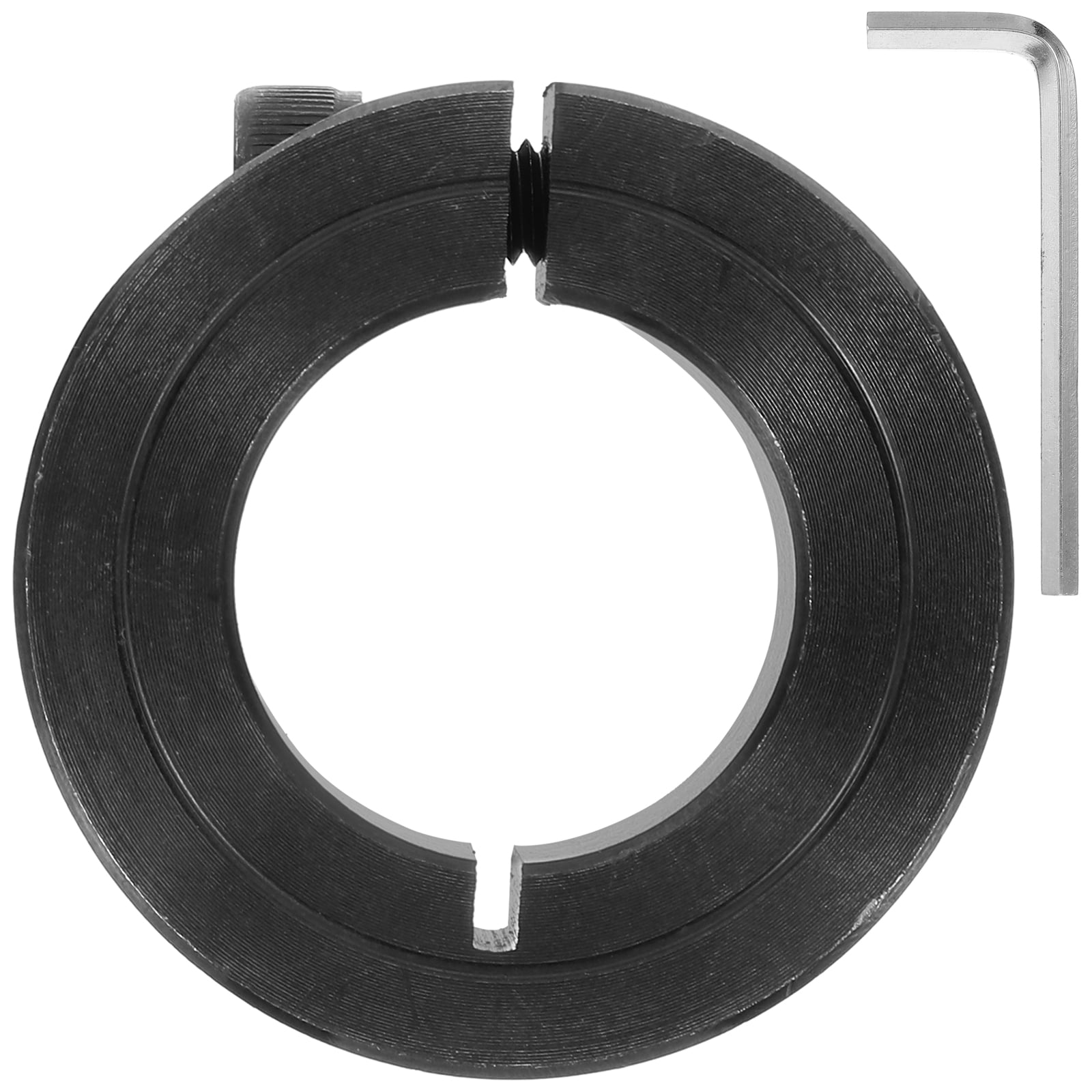
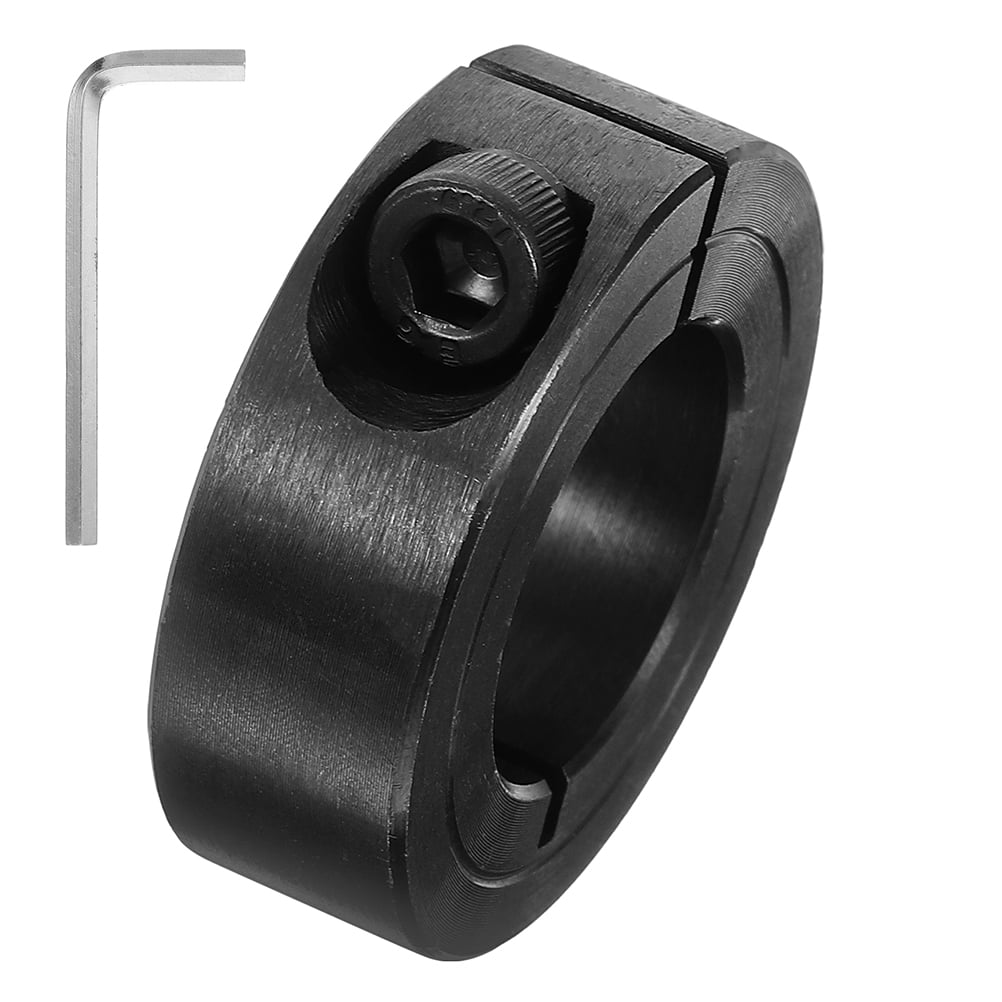
This is one of the most popular temporary fixes. A hose clamp placed around the cylinder shaft prevents it from fully compressing.
How to do it: Raise the chair to your desired height. Identify the exposed metal cylinder shaft between the seat mechanism and the wheel base. Wrap a metal hose clamp around the shaft and tighten it securely. The clamp acts as a physical stop, preventing the shaft from sliding back into the base.
2. PVC Pipe Spacer
A section of PVC pipe cut to the correct length can serve as a spacer, similar to the hose clamp method but more robust.
How to do it: Measure the diameter of your cylinder shaft. Purchase a PVC pipe slightly larger. Cut a piece to the length that matches how far you want the chair to rise above its lowest setting. Split the pipe lengthwise, wrap it around the cylinder shaft, and secure with zip ties or tape.
3. Lubricate the Mechanism
Sometimes the issue isn't a failed seal but dirt and debris preventing proper engagement of the locking mechanism.
How to do it: Flip the chair upside down. Apply penetrating oil (like WD-40 Specialist or Liquid Wrench) to the area where the cylinder connects to the seat mechanism and the base. Let it sit for 15 minutes, then work the height adjustment lever several times. This can sometimes free stuck components and restore function temporarily.
Permanent Fix: Replacing the Gas Cylinder
For a lasting solution that will give you years of reliable performance, replacing the gas cylinder is the best approach. Here's your complete step-by-step guide.
Step 1: Remove the Chair Base
Turn the chair upside down on a stable surface. Most chairs have a central cylinder that connects the wheel base to the seat mechanism. Spray penetrating lubricant where the cylinder meets the base and the seat mechanism. Let it soak for 10-15 minutes. Place the pipe wrench around the cylinder near the base. Strike the wrench with the mallet while pulling the base away. This often requires significant force—persistence is key.
Step 2: Remove the Cylinder from the Seat Mechanism
With the base removed, you'll see the cylinder still attached to the seat plate. This connection is often tighter. Apply more lubricant. Use the pipe wrench and mallet technique, but be careful not to damage the seat mechanism. If you have access to a cylinder puller tool, this step becomes much easier and safer.
Step 3: Measure and Select the Correct Replacement
Not all gas cylinders are the same. Measure your old cylinder's length and diameter. Most standard office chairs use a Class 3 or Class 4 gas lift. Class 4 cylinders are rated for higher weights (up to 350 lbs) and are recommended for daily heavy use. When ordering, ensure the replacement has the correct top and bottom connection types (usually a tapered cone for the base and a flat plate connection for the seat).
Step 4: Install the New Cylinder
Insert the new cylinder into the wheel base first. Place the base on the floor and push down firmly or use a mallet to seat it fully. Then, flip the chair seat upside down and lower it onto the cylinder. Press down firmly until you feel it click or seat completely. Turn the chair upright and test the height adjustment—it should feel smooth and hold position without sinking.
Pro Tip: When purchasing a replacement cylinder, consider upgrading to a Class 4 heavy-duty cylinder if you weigh over 220 lbs or use your chair for more than 8 hours daily. These cylinders have stronger seals and thicker walls, significantly extending the repair's lifespan.
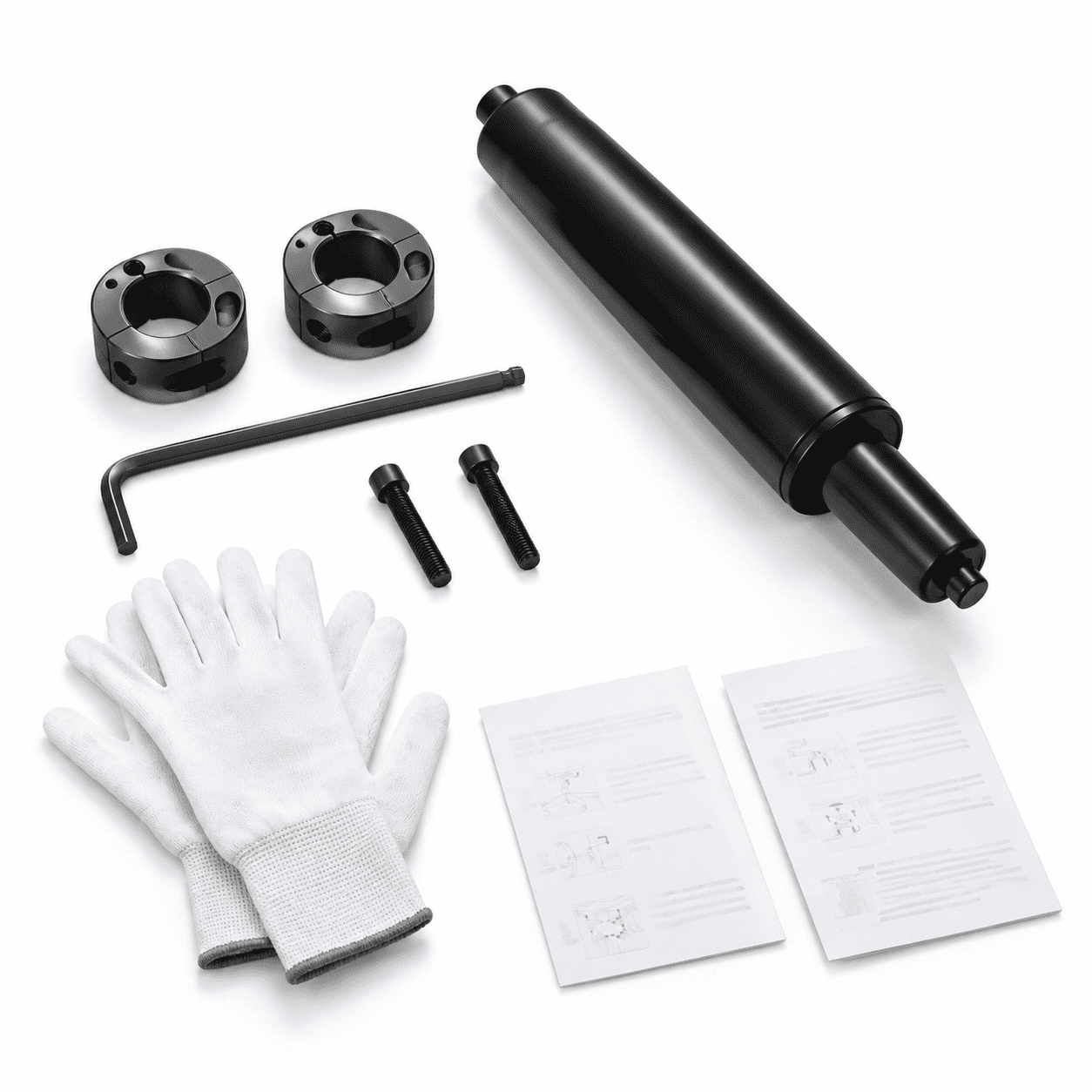
Alternative: The Gas Cylinder Replacement Sleeve
If removing the old cylinder seems too difficult, there's a simpler alternative. Some companies sell replacement sleeves or collars that fit over your existing cylinder. These products work by:
- Providing a new, clean surface for the locking mechanism to grip
- Adding thickness to a worn cylinder shaft
- Requiring no cylinder removal—just slide the sleeve over the existing shaft
These sleeves typically cost $15-$25 and can be installed in under 10 minutes. While not as comprehensive as a full cylinder replacement, they're an excellent middle-ground solution for many users.
When Replacement Is Better Than Repair
While most sinking chairs can be fixed, there are scenarios where replacement is the more practical and cost-effective option.
Chair Under $100
If your chair was inexpensive and has other issues (worn padding, cracked base), a new chair often makes more sense.
Non-Standard Cylinder
Some budget chairs use proprietary cylinder sizes that are hard to find replacements for.
Structural Damage
Cracked wheel bases, bent seat plates, or damaged adjustment mechanisms often indicate it's time for a new chair.
Warranty Coverage
Many quality office chairs have 5-10 year warranties. Check if your chair is still covered before attempting repair.
Preventing Future Cylinder Failure
After repairing your chair, these habits will help your new cylinder last longer:
- Avoid full range adjustments repeatedly: Constant bottom-to-top adjustments wear seals faster
- Clean regularly: Dust and debris can accumulate around the cylinder, grinding against seals
- Stay within weight limits: Check your chair's rating and ensure it supports your weight
- Lubricate annually: A light application of silicone spray to the cylinder shaft reduces friction
- Don't use the cylinder as a handle: Lifting or moving the chair by grabbing the cylinder puts stress on the seals