
Why Your Office Chair Keeps Sinking and How to Fix It Permanently
There's nothing more frustrating than sitting down at your desk, adjusting your chair to the perfect height, and then feeling it slowly descend throughout the day. This common problem is more than just an annoyance. It can lead to poor posture, back pain, and decreased productivity. The culprit is almost always the pneumatic gas cylinder, the heart of your chair's height adjustment mechanism.
Pro Insight: A sinking chair is a sign that the internal seal in the gas cylinder has failed. While this is a mechanical failure, it doesn't mean your entire chair is trash. In fact, it's one of the easiest and most cost-effective issues to fix, often for under $20.
Understanding the Problem: The Gas Cylinder
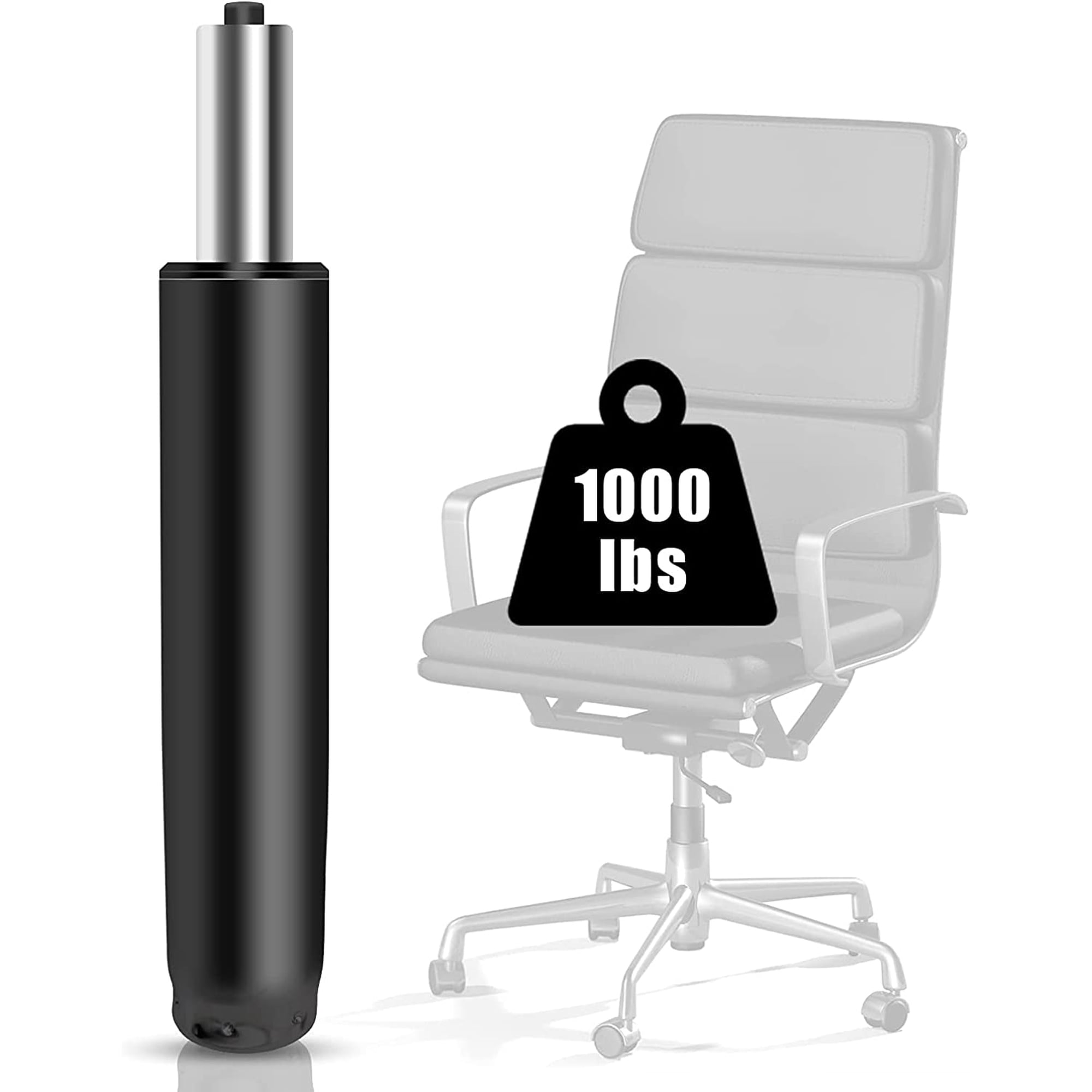
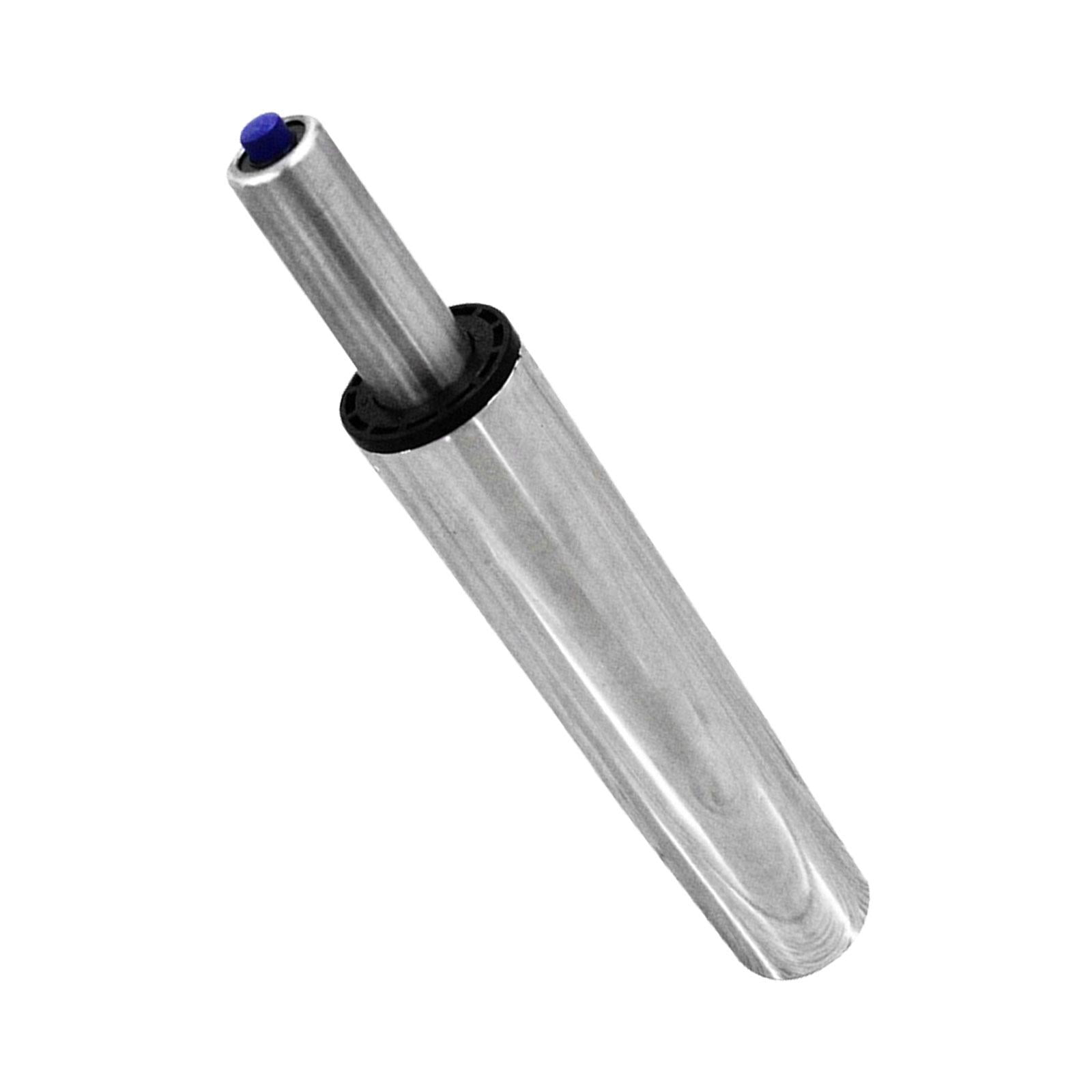
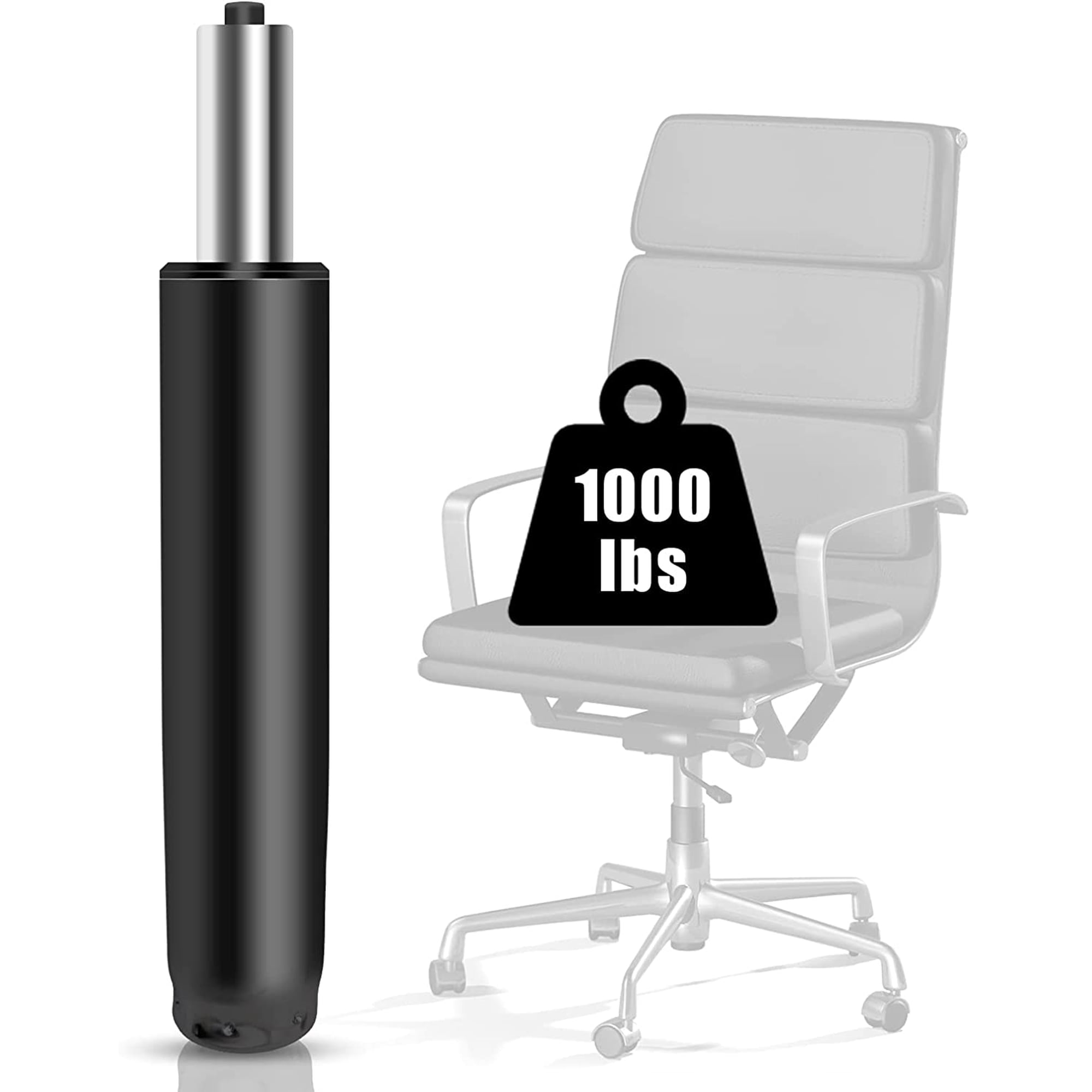
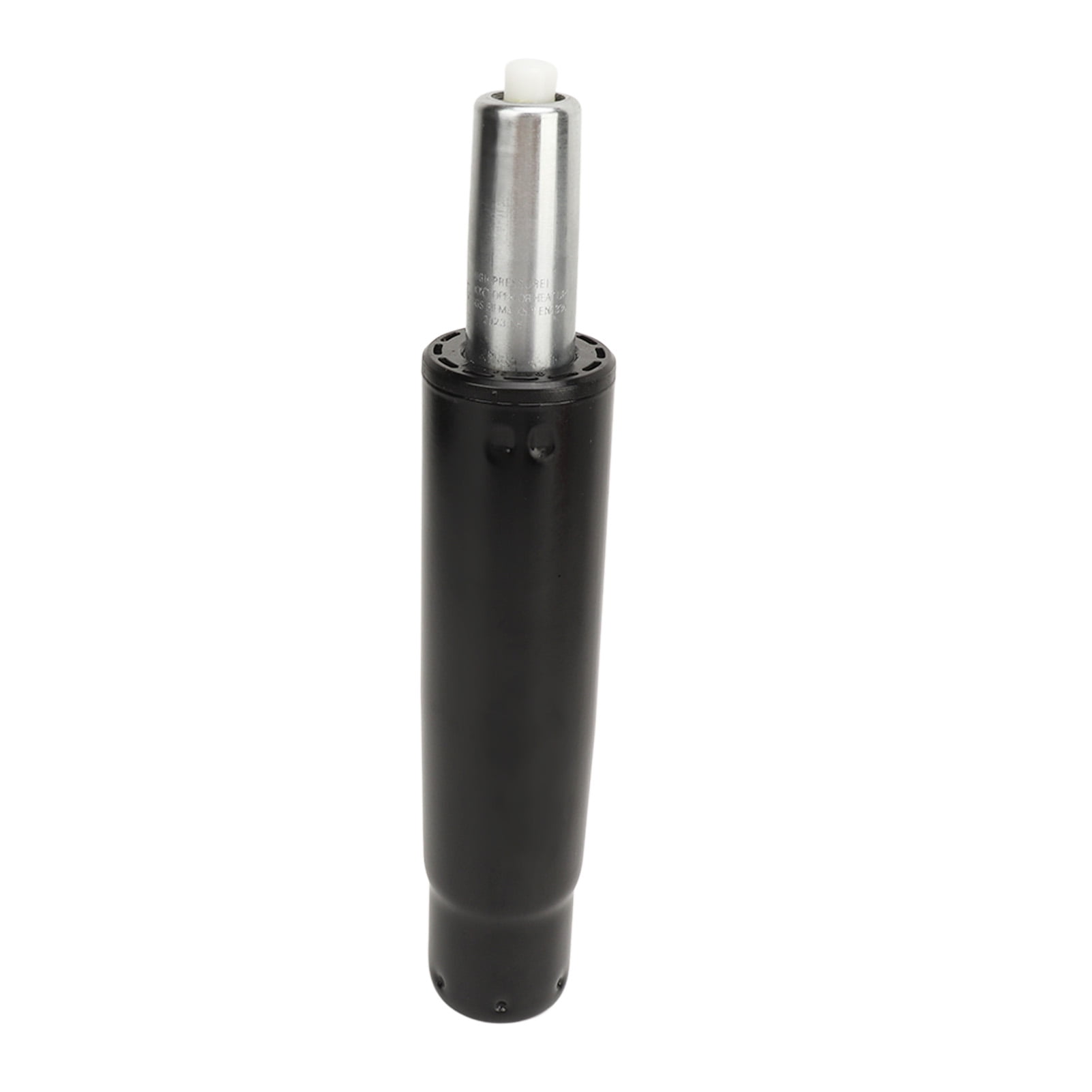
Think of your office chair's gas cylinder like a shock absorber in a car. It uses pressurized nitrogen gas and a valve to control the height. When you pull the lever, you open the valve, allowing gas to move, which lets the chair go up or down. When the lever is released, the valve closes, and the pressure holds the chair in place.
Over time, the seals that keep the gas contained can wear out. When this happens, the pressure escapes, and your weight forces the chair down. This is a classic office chair sinking problem that affects chairs of all brands and price points, though it's more common in lower-quality models.
Method 1: The Spacer Method (Quickest Fix)
This is the simplest and cheapest way to stop an office chair from sinking. It doesn't repair the cylinder but provides a physical barrier to prevent it from dropping. All you need is a PVC pipe or a metal hose clamp.
Step-by-Step Guide:
- Measure and Cut: Sit in your chair and raise it to your desired height. Measure the exposed part of the piston rod (the shiny metal rod coming out of the cylinder).
- Choose Your Spacer: Buy a PVC pipe that can fit around the piston rod, or a metal pipe clamp that can be tightened. For a PVC pipe, cut a length of pipe slightly less than the exposed rod measurement.
- Install: Slip the PVC pipe or clamp over the piston rod. It should rest on the chair's base (the star-shaped part with wheels).
- Test: Lower the chair. The spacer will now prevent the cylinder from retracting all the way, keeping your chair at the desired height.
This is a permanent workaround. It's incredibly effective and costs very little. It's the go-to solution for many because it requires no special tools or heavy lifting.
Method 2: Replacing the Gas Cylinder (Permanent Solution)
For a professional, long-term fix, replacing the gas cylinder is the best option. It's a more involved process but will give you a brand-new mechanism that should last for years. You'll need a replacement cylinder, a rubber mallet, and sometimes a pipe wrench.
Step-by-Step Guide:
- Remove the Old Cylinder: This is the hardest part. Turn the chair upside down. Use a rubber mallet to tap the cylinder's housing to loosen it from the wheel base. You may need to use a pipe wrench for leverage.
- Separate from the Seat Mechanism: Once the base is off, you'll need to separate the cylinder from the seat plate. Again, tapping with a mallet usually works.
- Install the New Cylinder: Insert the new cylinder into the wheel base, ensuring it's seated firmly. Then, place the seat plate on top of the new cylinder.
- Test It: Flip the chair back over and test the new cylinder. It should feel firm and provide smooth, reliable height adjustment.
While this requires more effort, it's the most satisfying and complete repair. It's the preferred method if you have a high-quality chair you want to keep for a long time.
Method 3: Using a Replacement Kit
If the thought of hammering and prying your chair apart sounds daunting, there are all-in-one office chair replacement kits available. These kits typically include a new gas cylinder, a specialized tool to help remove the old one, and clear instructions.
These kits are perfect for the DIYer who wants a guided experience. The specialized tool (often called a "cylinder puller") can make the removal process much easier and reduce the risk of damaging your chair. This is an excellent option for anyone who feels a little uneasy about using brute force to fix their chair.
Method 4: Using a Steel Pipe (The Heavy-Duty Fix)
For those who want a spacer that's even more robust than PVC, a steel pipe or a metal coupling works beautifully. The principle is the same as the PVC method, but the metal offers greater durability. This is a great choice for big and tall office chairs or for people who put a lot of weight on their chair.
You can find the right size pipe in the plumbing section of a hardware store. Slide it over the piston rod to act as your new base. It's a simple, incredibly strong, and permanent solution.
Method 5: The Hose Clamp (For Partial Adjustment)
A metal hose clamp, the type used in automotive repair, is another clever workaround. Instead of a full sleeve, you tighten the clamp around the piston rod at your desired height. The clamp's body acts as a small but effective stopper. While it may not be as aesthetically pleasing as a PVC sleeve, it's an excellent solution if you only have a few tools on hand.
Cost Savings
Fix your chair for $5-$30 instead of spending $200+ on a new one.
Eco-Friendly
Extend the life of your furniture and keep it out of a landfill.
Improved Health
Maintain proper ergonomic height to prevent back and neck pain.
Easy DIY
Most fixes are simple and can be done in under 30 minutes.