
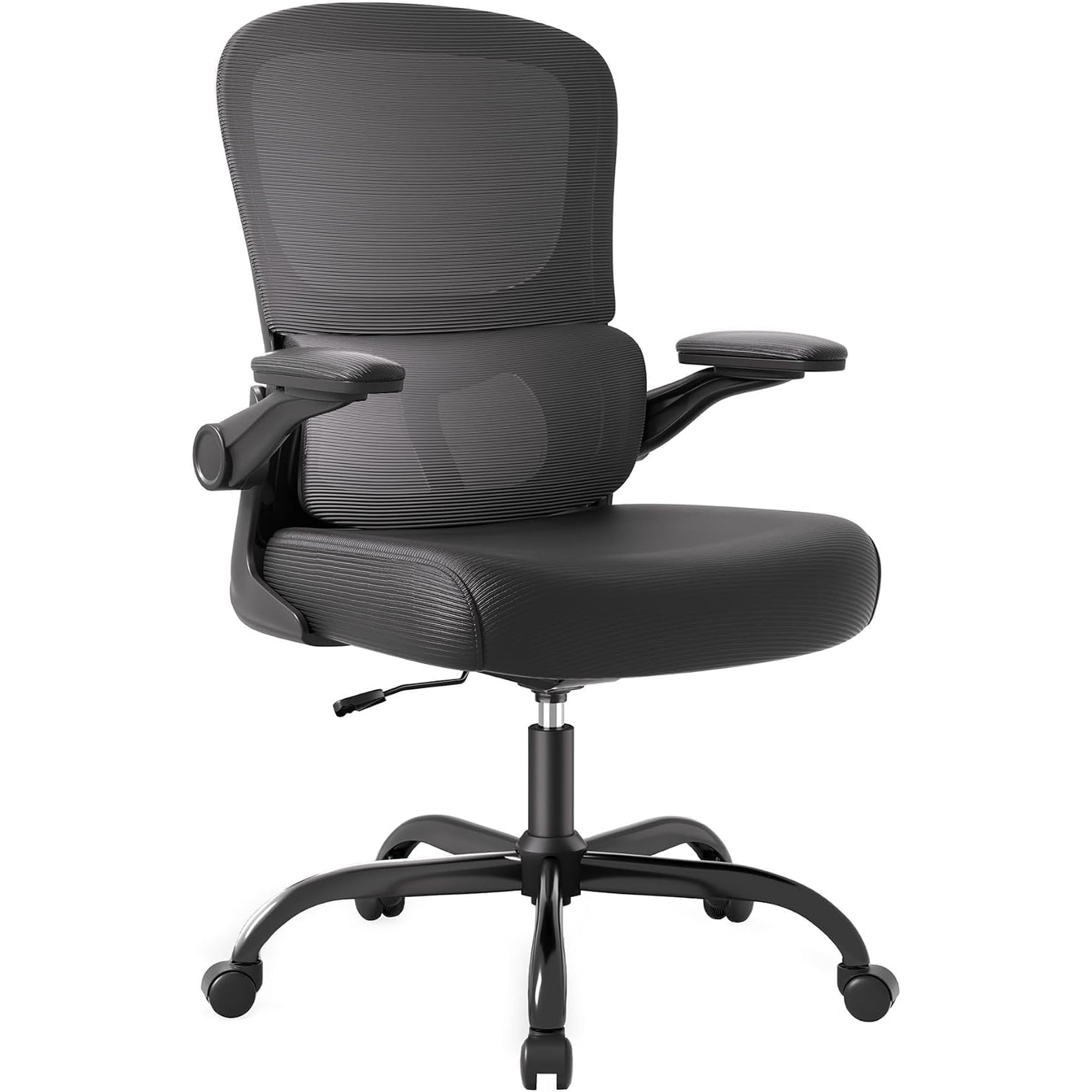
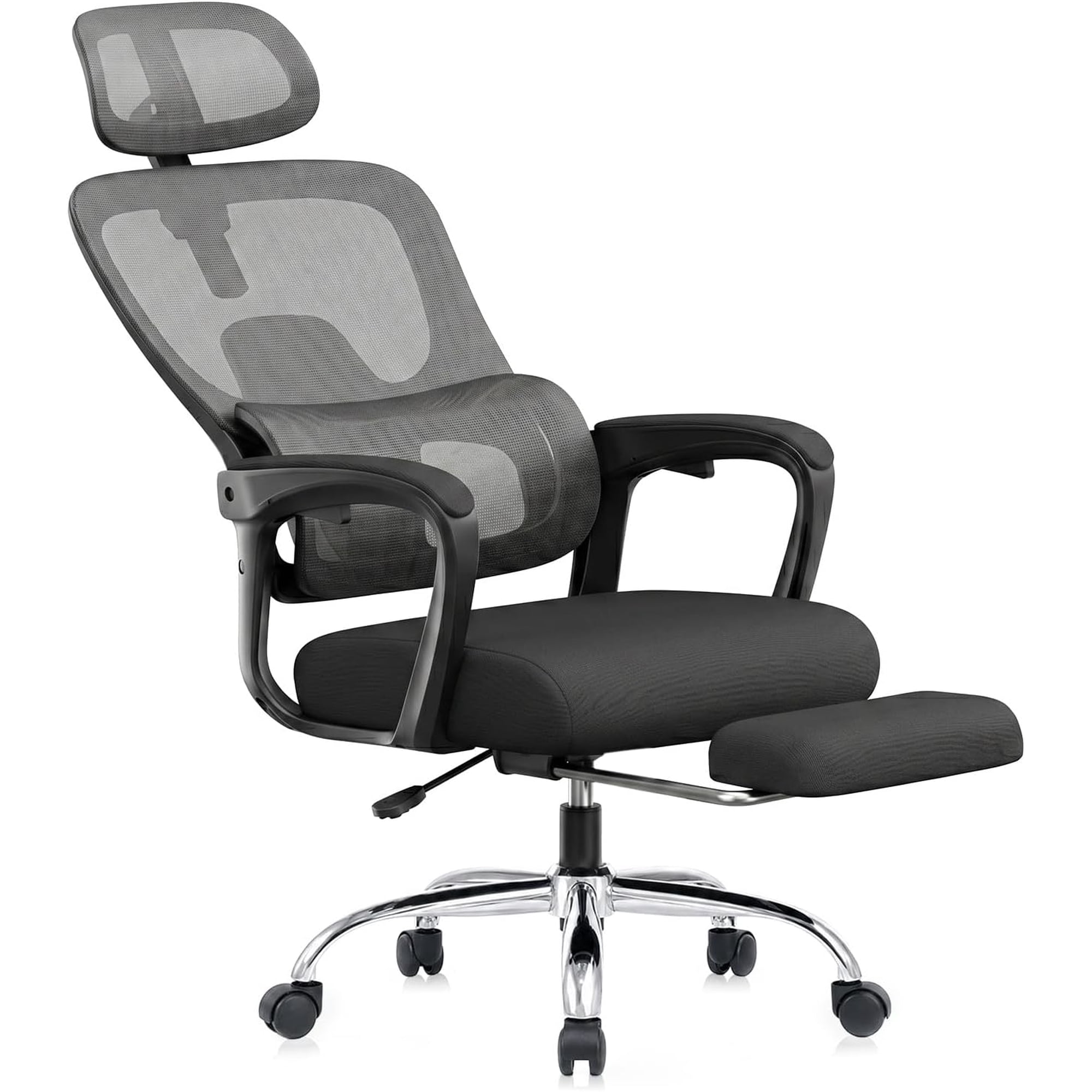
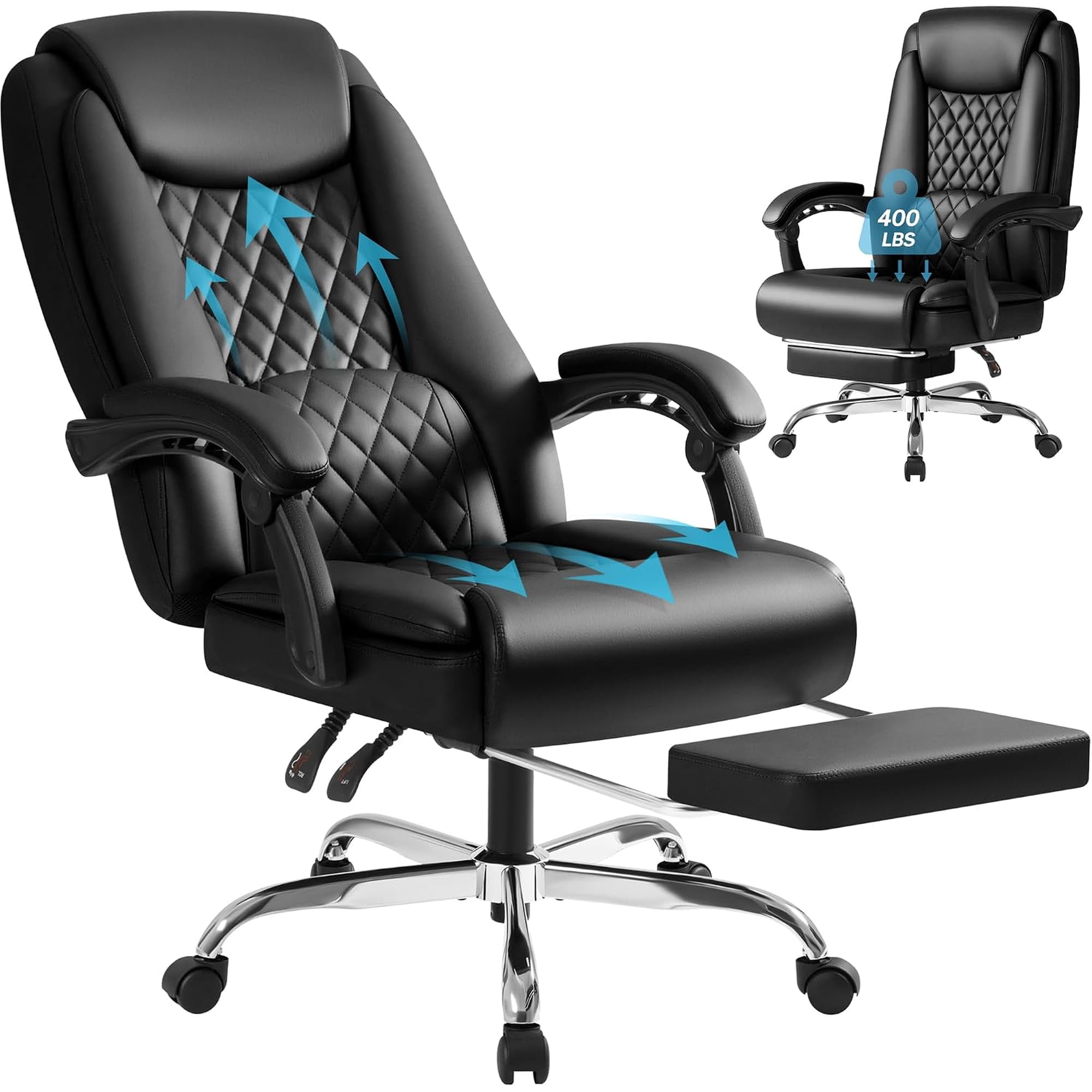
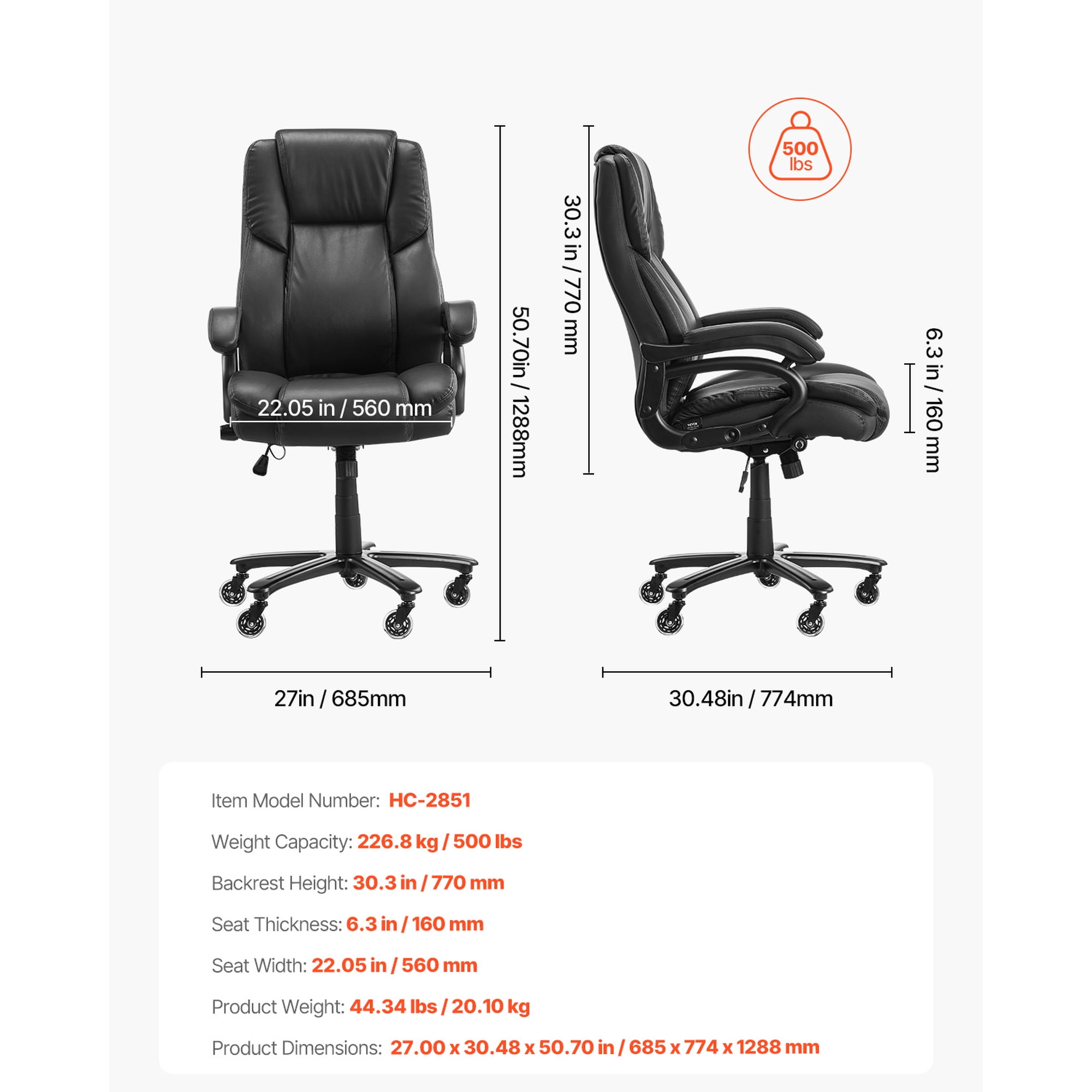
Why a Reclining Home Office Chair is a Game-Changer for Your Workday
In the modern work-from-home era, static sitting has become a silent productivity killer. A reclining home office chair bridges the gap between focused work and restorative rest, offering unparalleled versatility. Unlike traditional office chairs that lock you into a rigid posture, reclining models empower you to change positions throughout the day, mimicking natural movement and reducing the strain associated with prolonged sitting.
Research Insight: According to a study in the Journal of Physical Therapy Science, participants using reclining chairs with adjustable backrests reported 38% less lower back discomfort after 8-hour work shifts compared to those using fixed-back chairs. The ability to recline also improved overall job satisfaction and energy levels.
Key Features of a Premium Reclining Office Chair
Reclining chairs are engineered with specific mechanisms that set them apart. Here's what defines quality:
- Multi-Angle Recline Lock: Allows you to lock the backrest at various angles (e.g., 90°, 110°, 135°, or even 170° for napping).
- Integrated or Flip-Out Footrest: Extendable leg support that improves circulation and reduces pressure on the thighs.
- Dynamic Lumbar Support: Some models feature adjustable lumbar pillows or built-in curvature that adapts as you recline.
- High-Density Memory Foam Seat: Provides consistent cushioning without bottoming out, even during extended sitting.
- Robust Recline Mechanism: Smooth, gas-assisted or spring-based tilt with adjustable tension to match your body weight and preference.
Choosing the Right Reclining Chair for Your Home Office
Selecting the ideal reclining home office chair requires matching features to your work habits and body type. Use this feature comparison as your guide:
| Feature | Why It Matters | Recommended Specification |
|---|---|---|
| Recline Range & Locking | Defines flexibility; infinite locking positions allow micro-adjustments. | Minimum 120° recline with at least 3 locking positions or continuous lock. |
| Footrest Type | Essential for full-body relaxation and ergonomic leg support. | Padded, retractable footrest that extends at least 10-12 inches. |
| Lumbar Support | Prevents slouching and maintains natural spine curve when reclined. | Adjustable height and depth, or memory foam lumbar pillow. |
| Seat Depth & Width | Ensures proper thigh support and comfort for different body sizes. | Depth: 18-21 inches, Width: 19-22 inches for average users; wider for big & tall. |
| Base & Casters | Stability during recline and smooth mobility on floors. | 5-star metal base, dual-wheel casters rated for carpet/hardwood. |
Health & Productivity Benefits
Reduced Spinal Pressure
Reclining distributes body weight across the backrest, lowering intradiscal pressure by up to 35%.
Enhanced Circulation
Elevating legs via footrest reduces swelling and promotes blood flow, especially beneficial for long sessions.
Mental Refreshment
Brief recline breaks can reset focus, reduce fatigue, and improve cognitive performance by up to 20%.
Versatile Functionality
One chair serves both intensive work and comfortable lounging, saving space and cost.
Materials and Construction: What Lasts?
The longevity and comfort of a reclining chair heavily depend on its materials. Here's how popular options compare:
Breathable Mesh & Fabric
- Ideal for: Warm climates, all-day sitting
- Pros: Excellent airflow, lightweight, conforms to body
- Consideration: May require occasional cleaning; some mesh can stretch over years
Premium Bonded/Leather
- Ideal for: Aesthetic appeal, easy wipe-down
- Pros: Professional look, durable with care
- Consideration: Can feel sticky in summer; avoid direct sunlight to prevent cracking
Pro Tip: For maximum longevity, choose a chair with a metal recline mechanism frame rather than plastic, and ensure the weight capacity suits your needs (look for at least 275–300 lbs for robust construction).
Step-by-Step Selection Guide for Your Reclining Home Office Chair
Step 1: Assess Your Workspace Dimensions
- Measure the recline clearance: Ensure at least 2-3 feet behind your desk to allow full tilt.
- Check desk height: Reclining chair seat heights typically range 18-22 inches; verify compatibility.
- Consider floor type: Hardwood floors may require rubber casters to avoid scratching.
Step 2: Identify Your Primary Use Pattern
- 8+ hours of mixed work/relaxation: Prioritize breathable mesh, multi-lock recline, and padded footrest.
- Frequent video calls: Choose a chair with a high back and headrest for professional appearance.
- Post-injury or chronic pain: Opt for chairs with advanced lumbar adjustment and memory foam.
Step 3: Set a Realistic Budget Based on Longevity
Entry Level
Basic recline, fixed footrest, fabric upholstery, 1-2 year warranty.
Mid-Range Performance
Multi-angle lock, padded footrest, ergonomic seat, 3-5 year warranty.
Premium Comfort
Advanced lumbar, memory foam, metal frame, 5-10 year warranty.
Frequently Asked Questions About Reclining Home Office Chairs
Conclusion: Elevate Your Home Office Experience
Investing in a reclining home office chair is more than a purchase—it's a commitment to your well-being and productivity. By offering dynamic support, adaptable positions, and a seamless transition between tasks, these chairs solve the common dilemma of rigid seating in modern workspaces. Whether you're a remote professional, a creative freelancer, or someone managing back discomfort, a reclining chair provides the flexibility your body craves.
Remember, the best chair is one that fits your body, your workspace, and your daily routine. Take advantage of the product listings above to explore top-rated reclining home office chairs that combine advanced ergonomics with the luxury of relaxation. Your back—and your productivity—will thank you.