
Why Your Office Chair Keeps Dropping Down: Common Causes
If your office chair keeps lowering itself without you touching the lever, the culprit is almost always the pneumatic gas lift cylinder. Think of it like a bicycle pump: when the internal seal fails, the air that's supposed to hold your weight escapes. This is especially frustrating because it interrupts your workflow and can even cause discomfort if you sink into a poor posture.
Quick Insight: Studies show that 60-70% of all office chair failures are related to the gas cylinder mechanism. It's the most stressed component, handling hundreds of adjustments over its lifetime. Understanding how to fix it can save you $150-$500 on a new chair.
Anatomy of the Problem: How the Gas Cylinder Works
A standard office chair uses a gas cylinder filled with compressed nitrogen. When you pull the height adjustment lever, a valve opens, allowing gas to move between chambers, raising or lowering the seat. Over time, the seal wears down, letting gas escape under pressure. The result? Your chair slowly sinks—or drops suddenly—when you sit down.
Common Reasons for Premature Cylinder Failure
- Low-Quality Components: Budget chairs often use Class 2 or 3 cylinders rated for fewer adjustments.
- Exceeding Weight Capacity: Consistently sitting on a cylinder not rated for your weight accelerates seal wear.
- Frequent Height Adjustments: Each use puts stress on the seal; excessive daily adjustments shorten lifespan.
- Age and Material Degradation: Rubber seals naturally harden and crack over 3-5 years, especially in dry climates.
- Impact Damage: Dropping the chair or tilting aggressively can damage internal components.
Step-by-Step Guide: How to Fix a Sinking Office Chair
You have three main options: temporary fixes, replacing the gas cylinder, or upgrading to a new chair. Follow this guide to choose the best path for your situation.
Option 1: Temporary Fixes (Quick Solutions)
If you need a quick stopgap until you can order a replacement cylinder, try these temporary methods. Remember, they are not permanent and may cause slight instability.
Option 2: Replace the Gas Cylinder (Permanent Solution)
Replacing the gas cylinder is the most effective and long-lasting fix. It costs between $20 and $50 for a standard replacement and can extend your chair's life for several more years.
What You'll Need:
- Replacement gas cylinder (make sure it matches your chair's type: top activation or side activation)
- Rubber mallet or hammer
- Pipe wrench or large pliers
- WD-40 or penetrating oil (if cylinder is stuck)
- Safety gloves and eyewear
Step-by-Step Cylinder Replacement:
Option 3: When to Replace the Entire Chair
While cylinder replacement is effective, there are situations where buying a new chair is the smarter investment. Consider replacement if:
- Your chair frame is cracked, wobbly, or the base is broken.
- Seat padding is flattened or torn beyond comfort.
- The chair is more than 10-12 years old with multiple mechanical issues.
- Replacement cylinders for your specific model are hard to find or cost nearly as much as a new chair.
- You need upgraded ergonomic features that your current chair lacks.
How to Prevent Future Office Chair Sinking Issues
Once you've fixed your chair, these maintenance habits will extend the life of your new cylinder and keep your chair reliable:
Respect Weight Limits
Always check and respect the manufacturer's weight capacity. Using a chair rated for 250 lbs when you're 275 lbs will accelerate cylinder wear.
Gentle Adjustments
Avoid "slamming" the height lever. Raise and lower the chair smoothly to reduce impact on internal seals.
Regular Cleaning
Dust and debris can work into the mechanism. Clean the cylinder shaft with a dry cloth every few months.
Choose Quality Cylinders
When buying new chairs, prioritize those with commercial-grade gas lifts (Class 4 or higher) and extended warranties on pneumatic parts.
Choosing a New Office Chair That Won't Drop Down
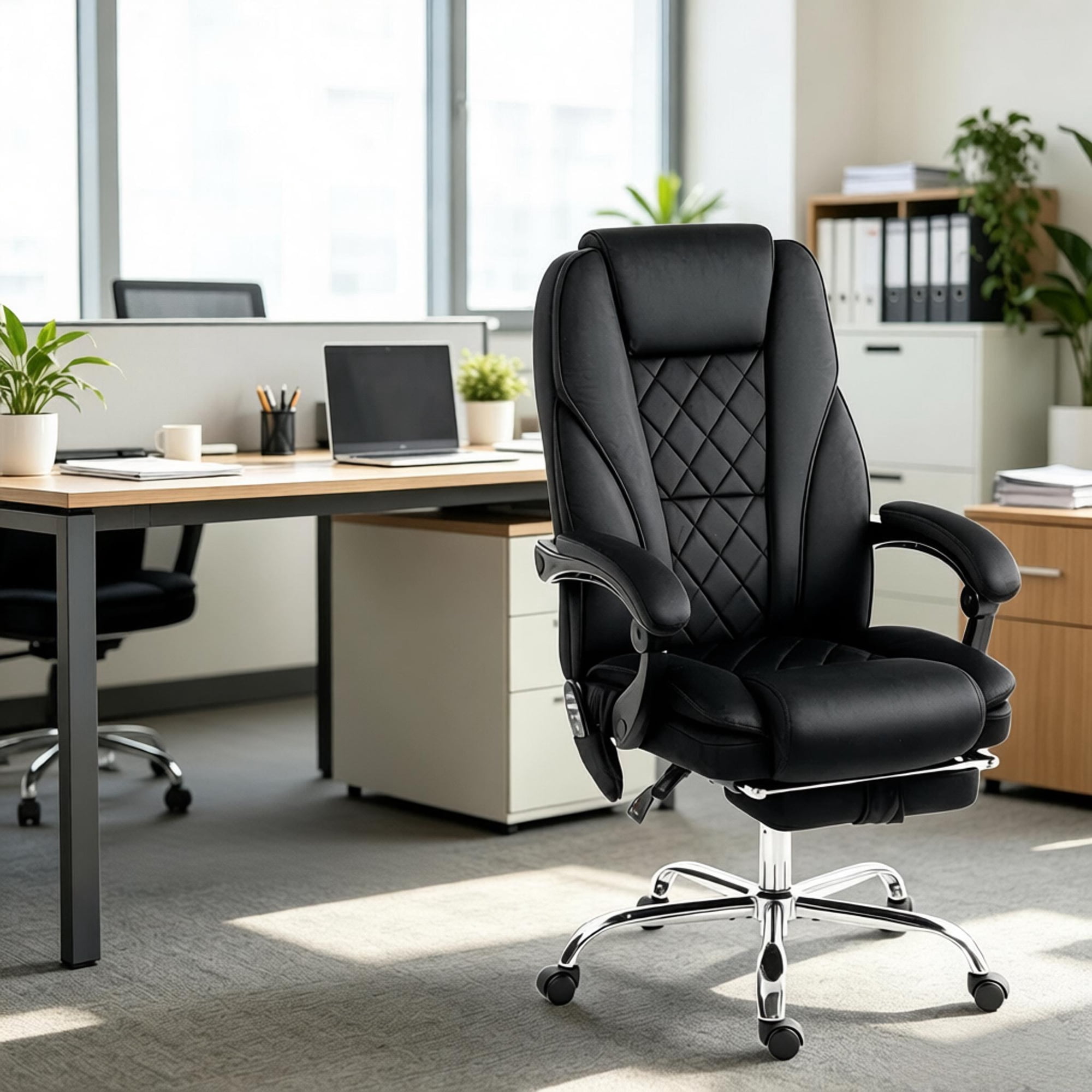
If you're in the market for a new chair, focus on build quality and cylinder specifications. Here's a quick guide to what to look for:
| Feature | Why It Matters | What to Look For |
|---|---|---|
| Gas Cylinder Class | Higher class indicates better durability and higher weight capacity. | Class 4 or 5, preferably from a reputable brand like BIFMA certified components. |
| Weight Capacity | Ensures the cylinder and base can handle regular use without premature failure. | Minimum 300 lbs, but 350-400 lbs for heavy daily use. |
| Warranty Coverage | Long warranties on pneumatic parts indicate manufacturer confidence. | 5-10 years on gas lift mechanism; lifetime on frame. |
| Base Construction | A strong base distributes weight evenly and reduces stress on the cylinder. | Steel or heavy-duty aluminum base; avoid plastic bases for heavy users. |
Expert Recommendation: For maximum longevity, consider office chairs with a mechanical height adjustment rather than pneumatic. While less common, these are virtually immune to sinking issues. For pneumatic chairs, brands that offer replaceable cylinders with standard sizes are easier to repair down the line.
Frequently Asked Questions About Sinking Office Chairs
Conclusion: Take Action and Reclaim Your Comfort
An office chair that keeps dropping down is more than an annoyance—it disrupts your focus and can lead to poor posture. The good news is that you have several viable solutions. For most chairs, a gas cylinder replacement is the most cost-effective and permanent fix. With basic tools and a bit of patience, you can complete the repair in under an hour.
If you prefer a new chair, focus on models with commercial-grade cylinders, robust weight ratings, and comprehensive warranties to avoid future sinking issues. By investing time in a repair or making a smart purchase, you ensure your seating supports your productivity and comfort for years to come.
Final Recommendation Summary
- For immediate relief: Use a pipe clamp or PVC spacer as a temporary fix while ordering a replacement cylinder.
- For long-term durability: Replace the gas cylinder with a Class 4 or heavy-duty model.
- For a new chair: Choose a model with a BIFMA-certified gas lift, 5-year+ warranty on pneumatic parts, and weight capacity suitable for your needs.