
Why Office Chairs Sink: Understanding the Pneumatic Cylinder
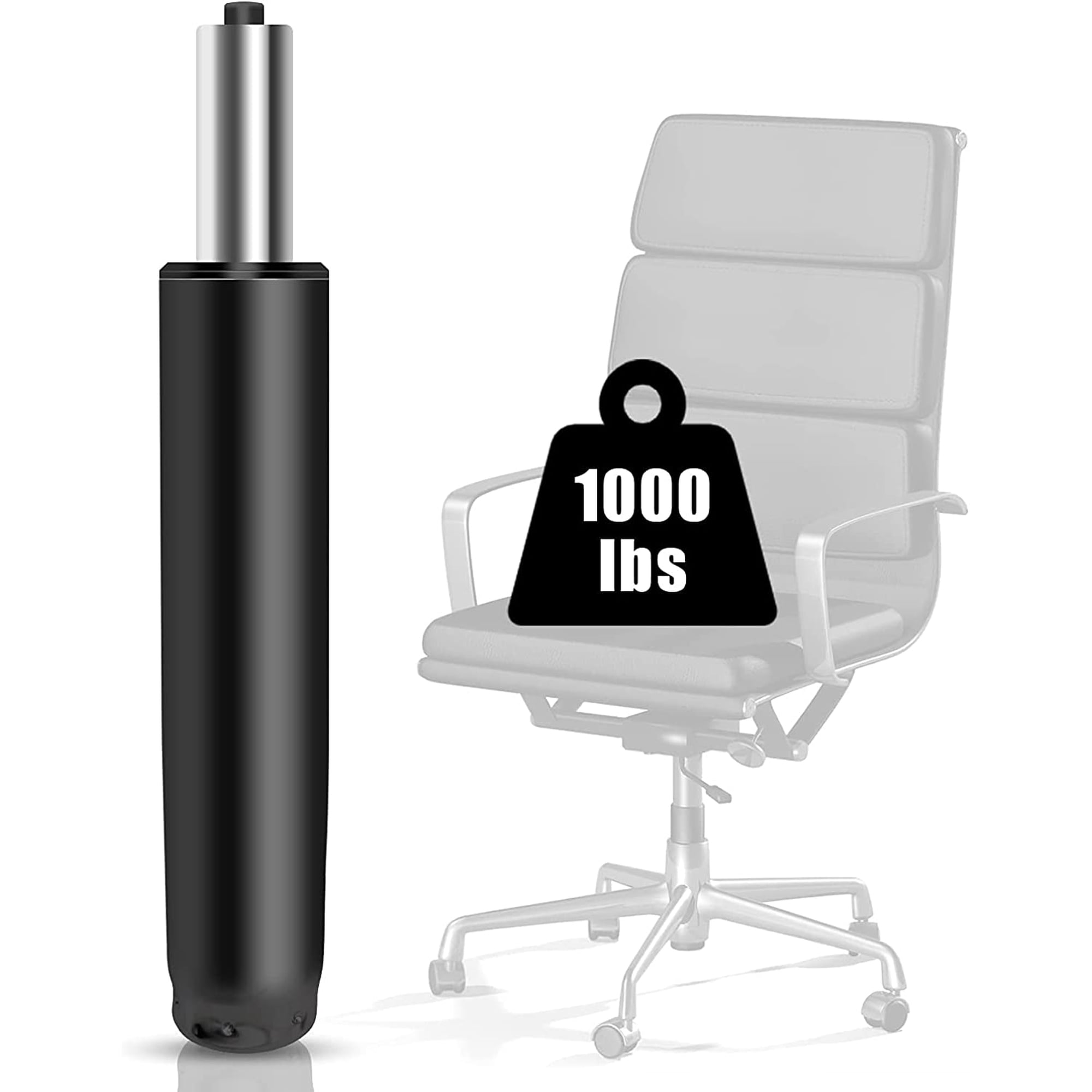
If you've ever experienced that unsettling feeling of slowly descending while working, you know exactly why this guide matters. The culprit is almost always the gas lift cylinder—a pneumatic mechanism designed to provide smooth height adjustment. Think of it like a car's shock absorber: inside is a sealed chamber of compressed nitrogen gas. Over time, the internal seal wears out, allowing gas to escape. The result? Your chair won't stay up.
Industry Insight: According to office furniture repair data, the gas cylinder fails in over 85% of sinking chair cases. Replacing this single component costs 80% less than buying a new high-quality executive chair. Most cylinders are universal, fitting 90% of office chairs regardless of brand.
Quick Diagnosis: Is It the Cylinder or Something Else?
Before attempting repairs, confirm the problem. Remove the chair from your desk and place it on a flat surface. Sit down and try to adjust the height lever. If you hear a hissing sound or the chair drops immediately, the cylinder is compromised. If the lever feels loose or stuck, the mechanism might be the issue. Use this simple checklist:
- Check the lever: If the height adjustment lever doesn't engage, inspect the cable or spring.
- Inspect for visible damage: Look for oil stains on the cylinder rod.
- Weight test: If the chair sinks only under your weight but stays up when empty, the cylinder is the cause.
- Listen for air leaks: A soft hissing sound while sitting indicates internal seal failure.
Method 1: The Temporary Fix — Using a Pipe Clamp or Repair Sleeve
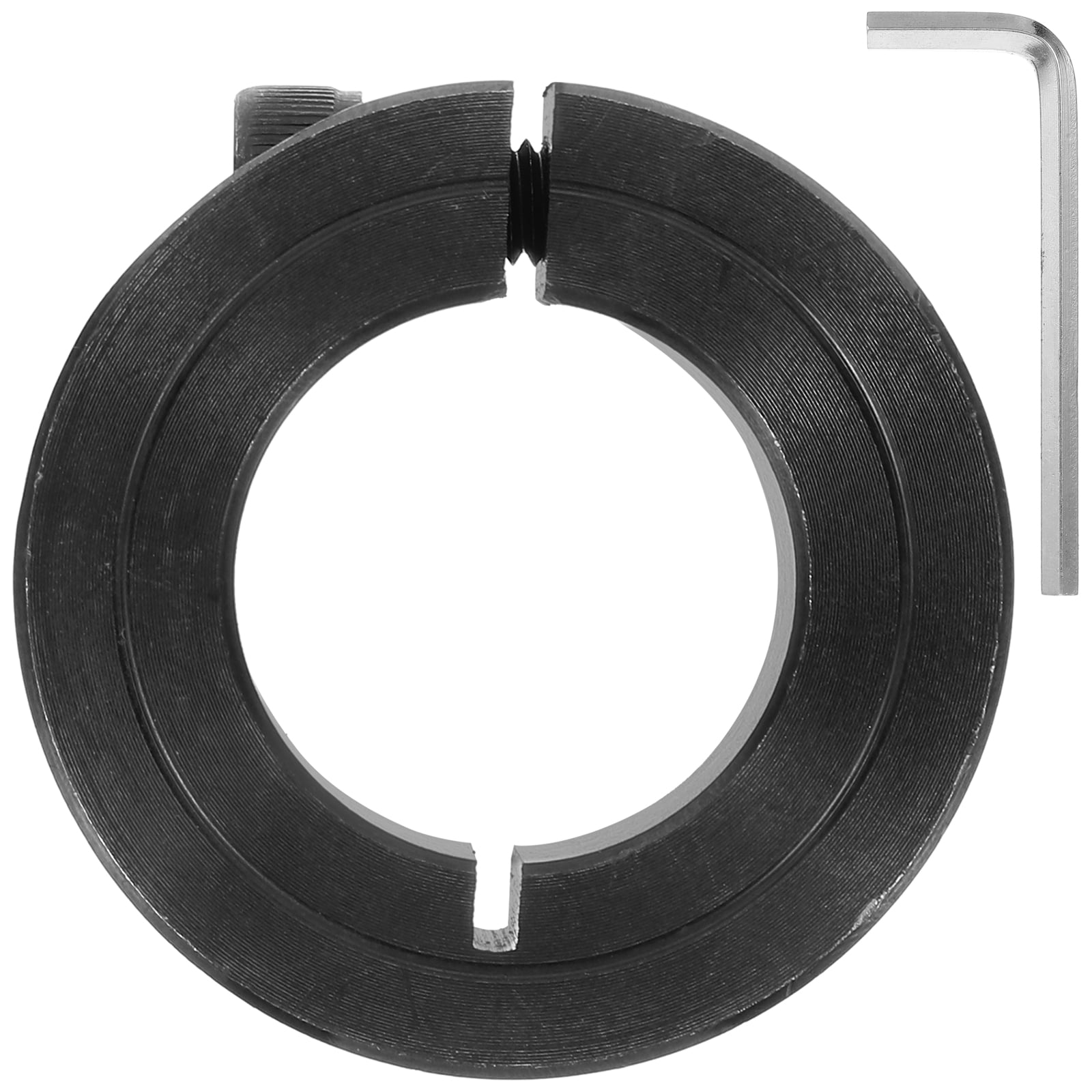
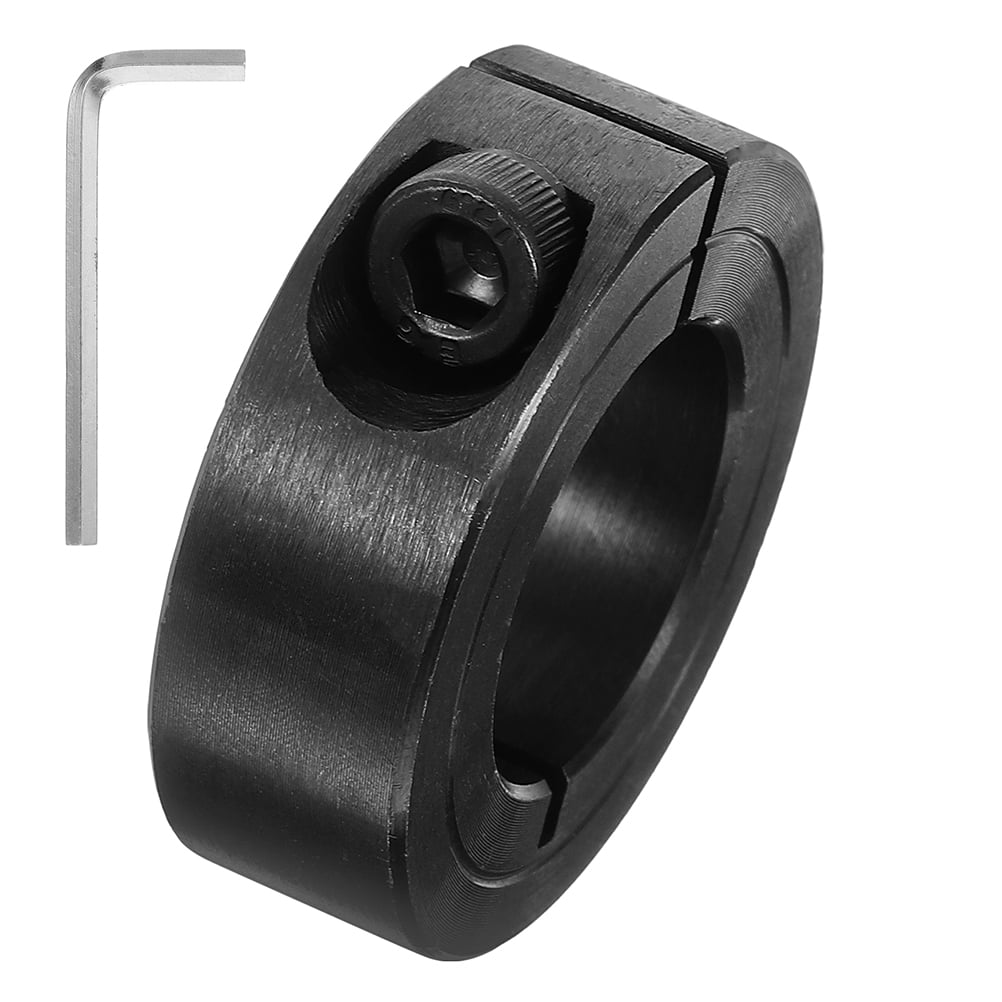
This is the fastest way to stop an office chair from sinking without special tools. A pipe clamp (or hose clamp) acts as a mechanical barrier, preventing the cylinder from compressing. While it limits full height adjustment, it’s an excellent short-term solution.
Step-by-Step Clamp Installation
- Measure the cylinder rod: The metal rod connecting the cylinder to the wheel base is usually 1 to 1.5 inches in diameter.
- Purchase a pipe clamp or repair sleeve: Look for a "chair cylinder repair clamp" (around $10-$15) or a heavy-duty adjustable hose clamp.
- Raise the chair to your desired height: Sit and adjust before applying the clamp.
- Position the clamp: Place it just below the plastic mechanism cover, directly on the chrome cylinder rod.
- Tighten securely: Use a screwdriver to fasten the clamp so it cannot slide down. The clamp will physically block the cylinder from sinking further.
Pro Tip: For a cleaner look, use a dedicated "chair cylinder repair sleeve" that wraps around the rod and locks with set screws. This prevents visible hardware and provides a more permanent temporary fix.
Method 2: Permanent Solution — Replacing the Gas Cylinder
Replacing the gas cylinder is the definitive way to restore full function. This project takes about 30-60 minutes and requires basic tools. Even if you've never repaired furniture, this is achievable with patience.
What You'll Need:
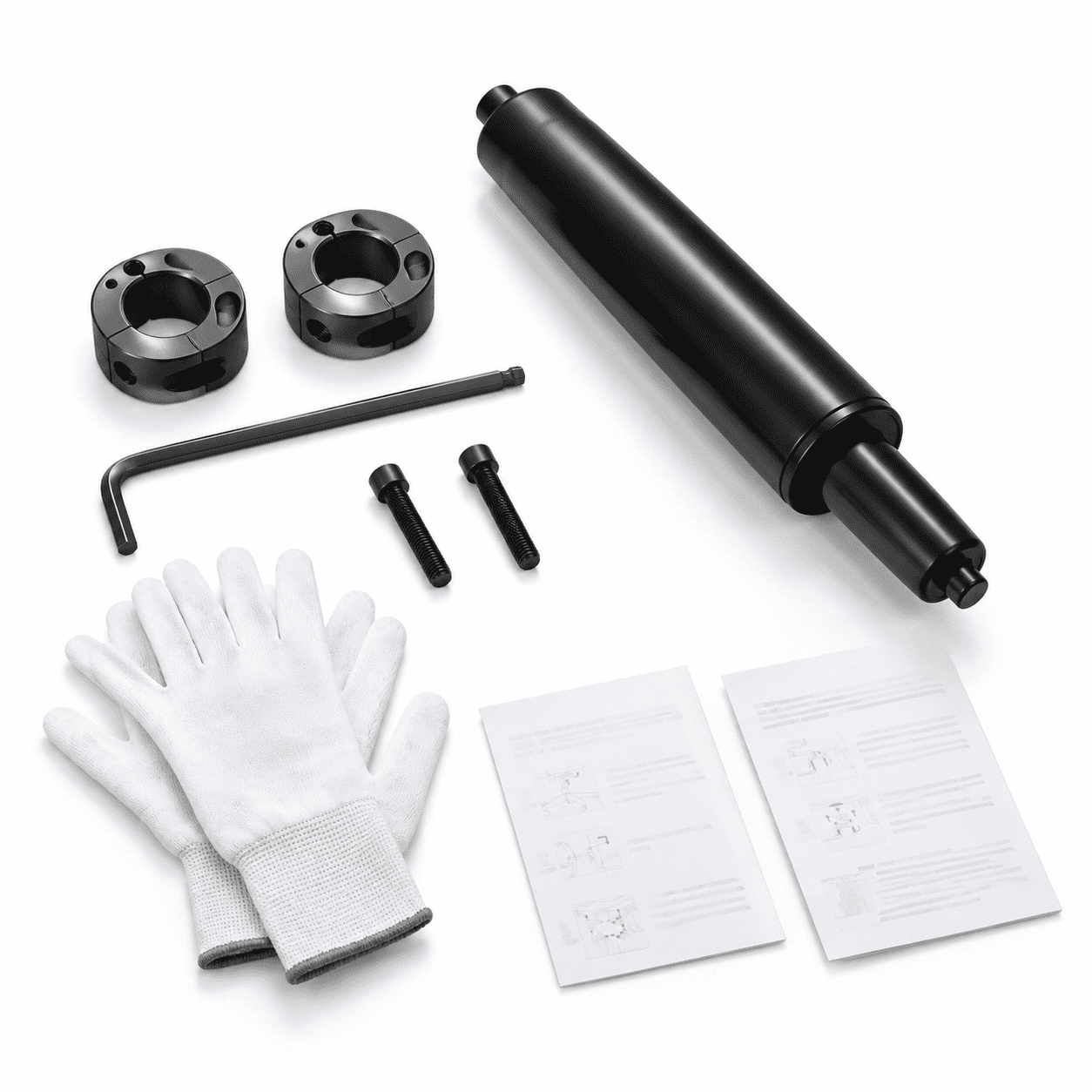
- Replacement gas cylinder (universal size, typically Class 3 or 4)
- Rubber mallet or hammer with a block of wood
- Pipe wrench or large adjustable pliers
- Penetrating oil (WD-40 or similar)
- Flathead screwdriver
- Work gloves
Step 1: Remove the Chair Base
Flip the chair upside down on a soft surface to avoid scratches. The cylinder connects to two parts: the wheel base (star base) and the seat mechanism. Start with the wheel base: tap the cylinder housing with a mallet while holding the base steady. Many cylinders are press-fitted. Apply penetrating oil if stuck. If it won't budge, a pipe wrench can twist the cylinder to break the seal.
Step 2: Detach Cylinder from Seat Mechanism
Next, separate the cylinder from the seat plate. This part often requires a hard blow with a rubber mallet on the top of the cylinder (the part that inserts into the mechanism). Strike firmly but controlled. Once removed, you have the old cylinder fully out.
Step 3: Install the New Cylinder
Insert the new cylinder into the wheel base first. A gentle tap with the mallet ensures it's seated. Then attach the seat mechanism by positioning the chair over the cylinder and pressing down firmly. You may need to sit on the chair to lock it in place. Test the height adjustment to verify it works smoothly.
Pro Tip: If your new cylinder doesn't fit, verify the diameter. Most chairs use a standard size (1.1 inches for the top and 2 inches for the base). Some European chairs require adapters.
Method 3: Using a Cylinder Adapter or Replacement Sleeve Kit
Sometimes the cylinder itself is fine, but the plastic housing or the connection points are worn. In such cases, a "universal cylinder adapter" or "replacement sleeve kit" can tighten the fit. These kits include plastic spacers that eliminate wobbling and prevent sinking caused by loose connections. This is especially useful for older chairs where the base hole has widened over time.
Method 4: Fixing a Stuck Height Adjustment Mechanism
If your chair height lever does nothing, the internal cable might be disconnected or broken. Remove the seat mechanism cover and inspect the cable. Often, a simple reattachment or cable tightening solves the problem. If the cable is snapped, replacement cables are available for under $15. This is a less common cause of sinking, but worth checking before replacing the cylinder.
Method 5: When to Call a Professional or Buy a New Chair
While most sinking chairs can be repaired, consider these scenarios where replacement is better:
- The chair frame is cracked or welded metal has broken.
- Seat padding is completely flattened and offers no support.
- The wheel base is damaged or the casters are broken beyond repair.
- Repair costs (if hiring a pro) exceed 60% of a new comparable chair.
Preventative Care: Extending Gas Cylinder Life
To avoid future sinking issues, adopt these habits:
- Avoid sitting on the edge of the chair: This places uneven pressure on the cylinder.
- Don't use the chair as a step stool: Excessive vertical force damages seals.
- Clean the cylinder rod: Dust and debris can wear out seals; wipe with a dry cloth monthly.
- Stay within weight capacity: Chairs rated for 250 lbs shouldn't carry 300 lbs regularly.
💰 Cost Savings
Repairing vs. new chair saves up to $200-$500 on premium models
🛠️ Eco-Friendly
Keeping furniture out of landfills reduces waste
⚡ Quick Fix
Most repairs take less than an hour
🏆 Preserves Comfort
Your familiar chair remains with ergonomic fit
Frequently Asked Questions About Sinking Office Chairs
Conclusion: Take Control of Your Office Chair Height
A sinking office chair doesn't mean it's time to shop for a new one. With a bit of mechanical know-how and the right replacement part, you can restore your chair to like-new condition. The methods outlined—from quick clamp fixes to full cylinder replacement—offer solutions for every skill level and budget. Not only does this save money, but it also allows you to keep a chair that already fits your ergonomic needs.
For most users, the permanent gas cylinder replacement is the most satisfying option. You'll regain full adjustability, improve stability, and extend your chair's life for years. If you choose the temporary clamp route, remember it's a stopgap. Plan to order a replacement cylinder soon to avoid dealing with the same issue again.
Your Repair Action Plan
Remember, the tools and replacement cylinders are easily available. Most universal cylinders come with installation guides and even video links. With this guide, you're equipped to handle a sinking chair confidently. Your back—and your budget—will thank you.