
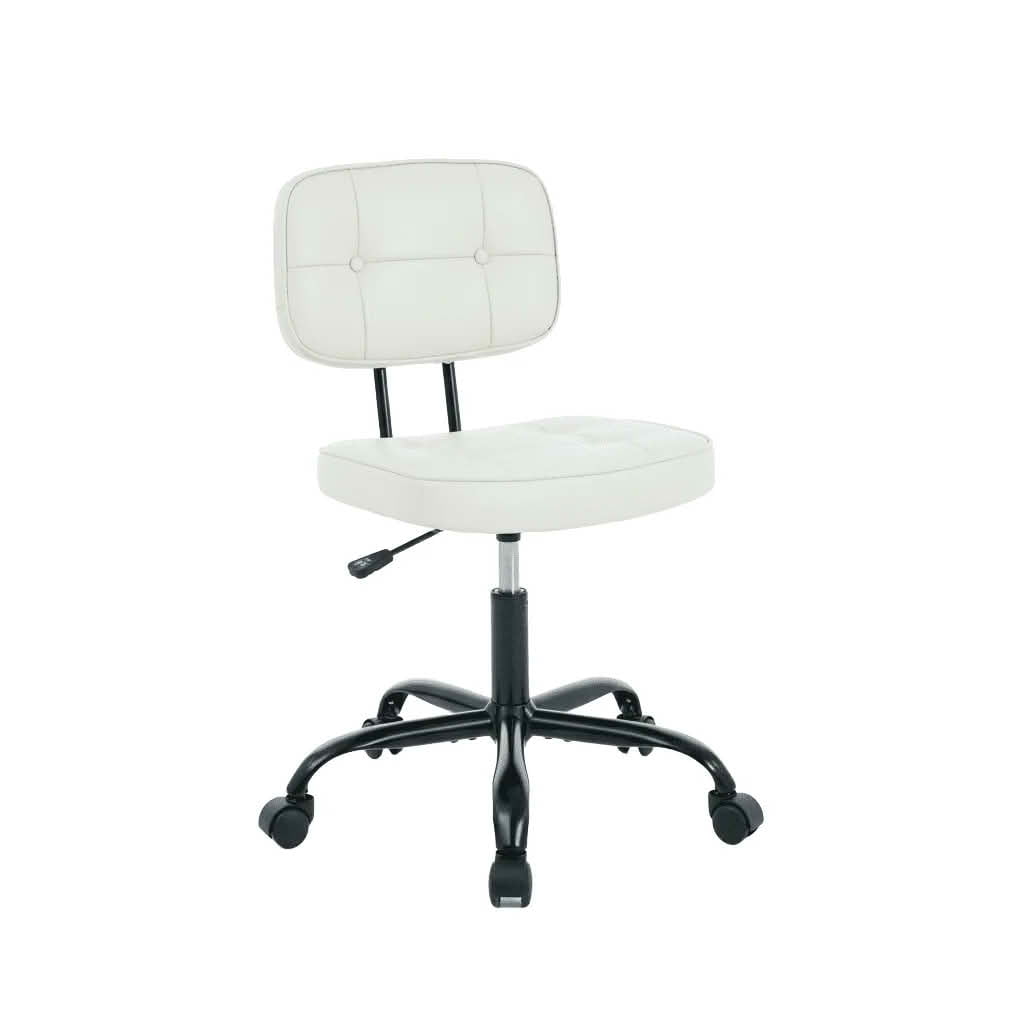
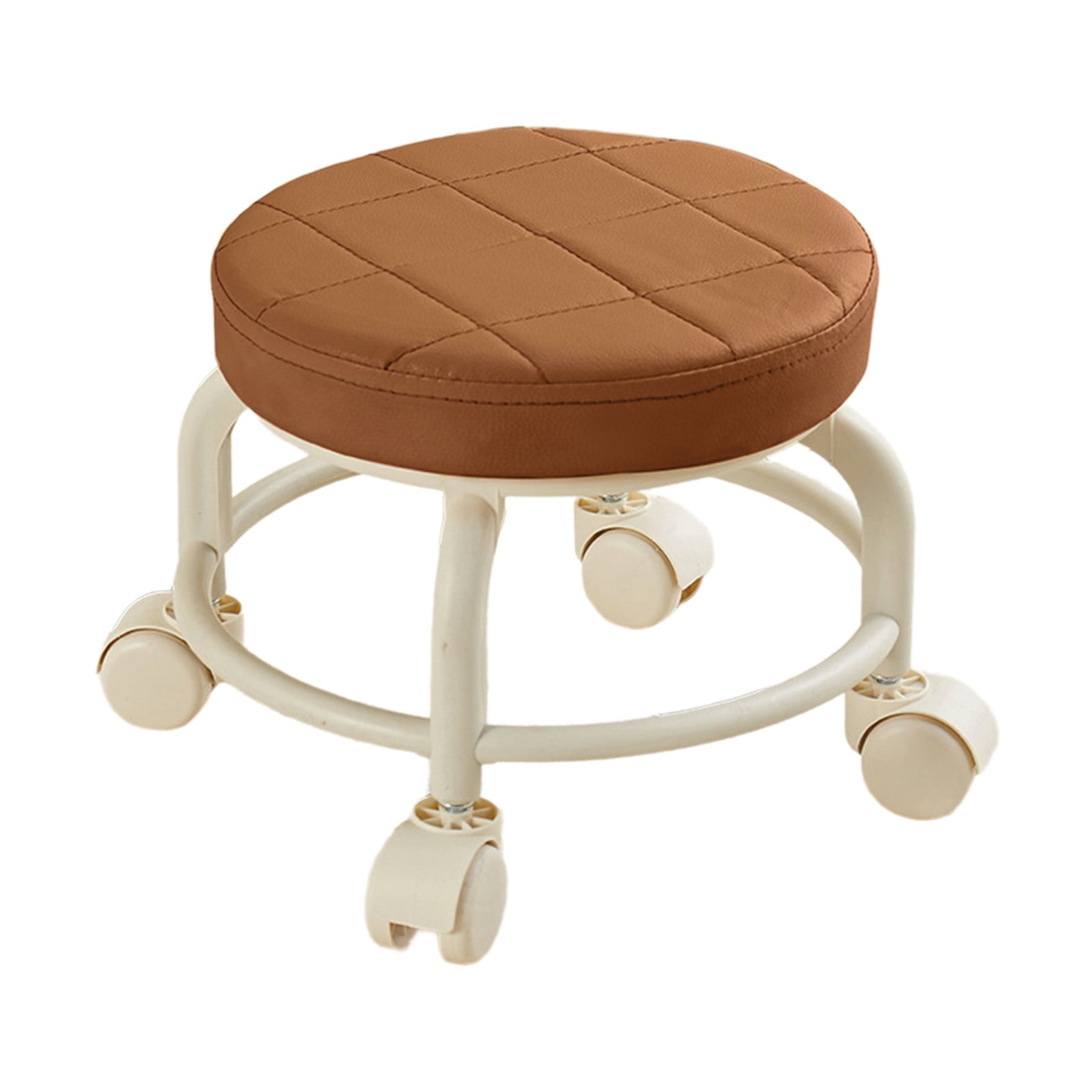
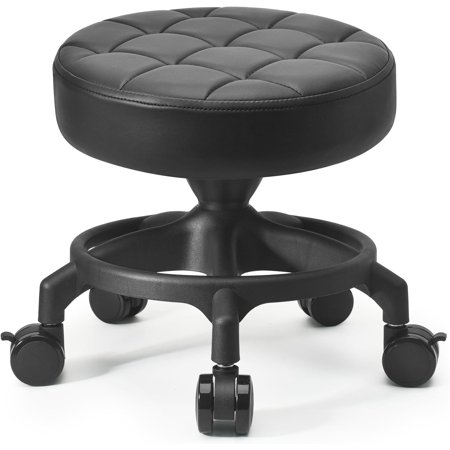
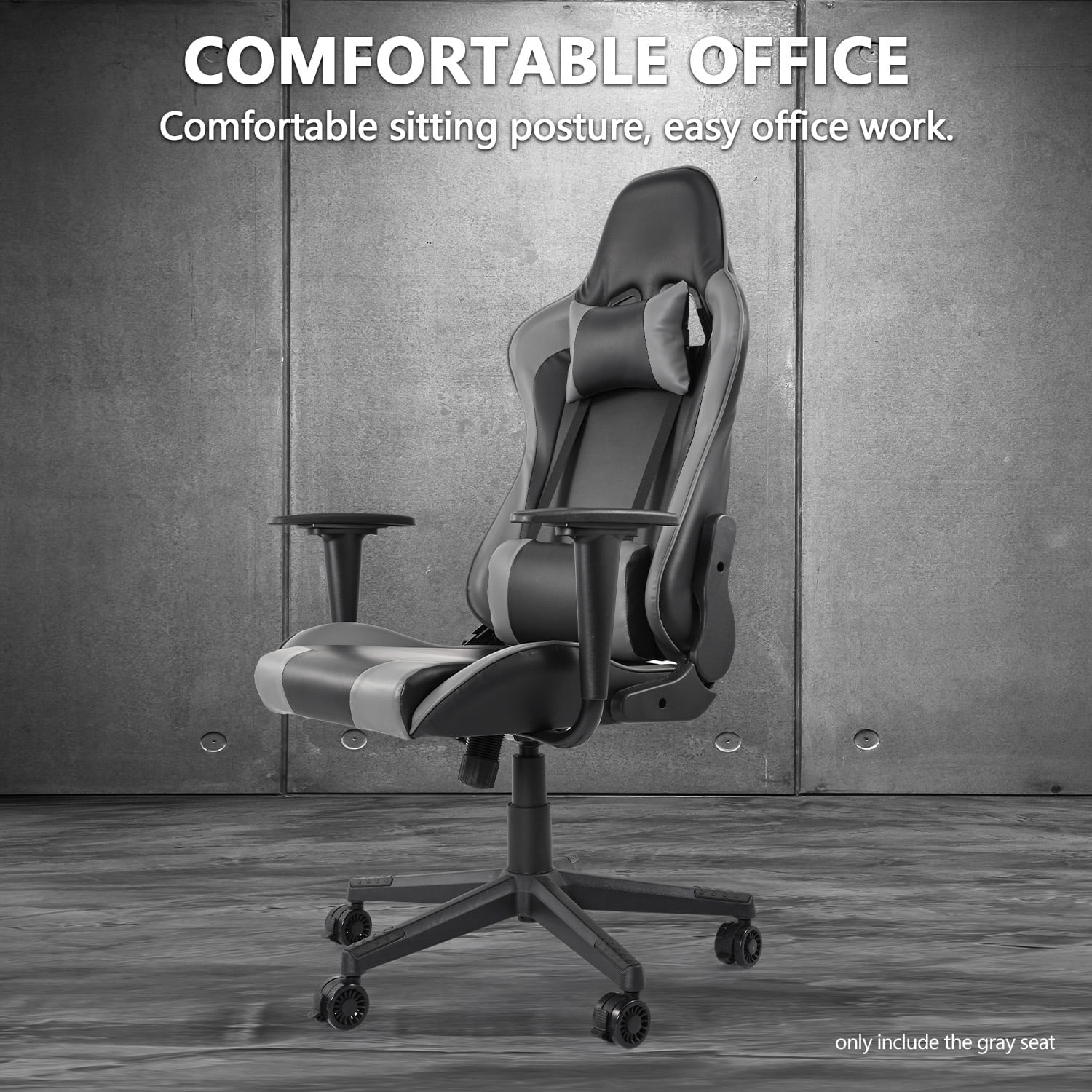
Why Choose a Non-Roller Office Chair?
For many professionals, the freedom of a rolling chair can become a distraction. Whether you're presenting to clients, working on detailed tasks, or using a standing desk, a non-roller office chair (also known as a stationary or fixed-base chair) provides the stability and focus you need. These chairs eliminate unwanted movement, reduce the risk of slipping on hard floors or carpets, and often come with the same premium ergonomic features found in high-end executive seating.
Workplace Insight: A study on workplace productivity found that employees using stationary seating reported 27% fewer movement-related distractions, leading to deeper concentration during complex tasks. Non-roller chairs also protect flooring and are a preferred choice for executive suites and home offices with delicate surfaces.
Key Benefits of Stationary Executive Chairs
- Ultimate Stability: No casters means your chair stays exactly where you place it—ideal for standing desks and precise positioning.
- Floor Protection: Prevent scratches on hardwood, tile, or expensive carpets; many models feature glides or felt pads.
- Enhanced Focus: Eliminate the temptation to roll away or fidget, promoting sustained attention during meetings or deep work.
- Professional Aesthetics: Non-roller chairs often feature elegant sled bases, wooden legs, or polished metal frames that elevate office design.
- Ergonomic Adjustability: Modern stationary chairs still offer height adjustment, tilt tension, lumbar support, and 4D armrests without wheels.
Key Features to Look For
When selecting a non-roller office chair, prioritize these elements to ensure long-term comfort and durability:
| Feature | Importance | Recommended Specs |
|---|---|---|
| Base Type | Determines stability and floor compatibility | Wide sled base, fixed five-star base with glides, or wooden legs with non-slip caps |
| Lumbar Support | Prevents back fatigue during long seated sessions | Adjustable depth and height; memory foam or active mechanism |
| Seat Height Adjustment | Essential for desk compatibility | Pneumatic gas lift (minimum 4-inch range) |
| Seat Depth & Width | Accommodates various body types | Depth adjustment or waterfall edge; width 19-22 inches |
| Armrest Adjustability | Supports shoulders and reduces neck strain | 4D adjustable (height, width, pivot, depth) |
| Weight Capacity | Ensures durability and safety | Minimum 300 lbs; heavy-duty models up to 500 lbs |
Health & Productivity Advantages
Posture Correction
Fixed base encourages mindful sitting, reducing slouching and improving spinal alignment.
Reduced Movement Fatigue
No rolling means less core engagement to stay in place, lowering physical strain.
No Slipping Hazard
Ideal for smooth floors; gliders prevent accidental slides.
Quiet Operation
Silent adjustments without wheel noise—perfect for open offices or quiet home environments.
Material & Design Choices for Non-Roller Office Chairs
Since mobility is not a factor, non-roller chairs often showcase exquisite materials and craftsmanship. Here’s how to choose based on your environment and style.
Base Construction: Stability First
Sled Base
- Pros: Sleek, modern look; compact; easy to clean underneath.
- Best for: Minimalist offices, home studios.
Five-Star Fixed Base
- Pros: Exceptional stability; distributes weight evenly; often includes height adjustment.
- Best for: Executive suites, heavy daily use.
Upholstery & Comfort Layers
Top-Grain Leather
- Luxurious feel, ages beautifully, easy to wipe clean. Ideal for traditional corner offices.
Breathable Mesh
- Cool comfort, lightweight, modern aesthetic — perfect for warm climates or active workers.
Performance Fabric
- Stain-resistant, wide color range, cozy texture — suits creative workspaces.
Selection Guide: How to Pick Your Ideal Non-Roller Office Chair
Step 1: Evaluate Your Desk Setup
- Standing desk? Choose a chair with pneumatic height adjustment and a stable base so it remains stationary when not in use.
- Fixed-height desk? Ensure seat height range matches your ergonomic needs (thighs parallel to floor).
Step 2: Floor Type & Protection
- Hardwood/Tile: Look for felt or rubber glides to prevent scratches.
- Thick Carpet: A wide base or sled design prevents tipping; avoid casters that dig in.
- Rugs: Non-roller chairs won't damage rug fibers or cause wrinkling.
Step 3: Determine Usage Intensity
Step 4: Budget vs. Longevity
Essential
Basic ergonomic features, foam padding, fixed arms, good for part-time use.
Mid-Range
Full adjustability, premium fabrics/leather, 8-10 year frame warranty.
Premium Stationary
High-end leather, advanced ergonomics, custom glides, heirloom quality.
Frequently Asked Questions About Non-Roller Office Chairs
Conclusion: Embrace Stability Without Sacrificing Comfort
Choosing a non-roller office chair is a strategic decision that prioritizes focus, floor protection, and refined design. Whether you're a home office worker seeking a quiet, slip-free experience or an executive wanting a commanding presence without distracting movement, these chairs deliver. Modern stationary chairs combine the best ergonomic innovations with elegant bases that suit any décor.
Opt for glider bases or felt-bottom stationary chairs to preserve flooring.
Select a model with easy height adjustment and a stable five-star base.
Full-grain leather with polished aluminum base offers timeless luxury.
Final Recommendation by User Profile
| User Profile | Recommended Non-Roller Chair Type | Key Features to Prioritize |
|---|---|---|
| Home Office Professional | Sled-base mesh or fabric chair | Breathable back, adjustable seat height, armrests |
| Corporate Executive | Leather stationary with five-star fixed base | High-back lumbar support, tilt lock, premium leather |
| Standing Desk Enthusiast | Pneumatic height-adjustable stationary chair | Quick height lever, compact base, swivel function |
| Heavy-Duty/Large Frame | Reinforced stationary chair (400+ lbs capacity) | Wide seat, steel frame, extra-thick cushioning |
Explore our curated selection of non-roller office chairs above to find your perfect match. Invest in stability, posture, and lasting quality today.