
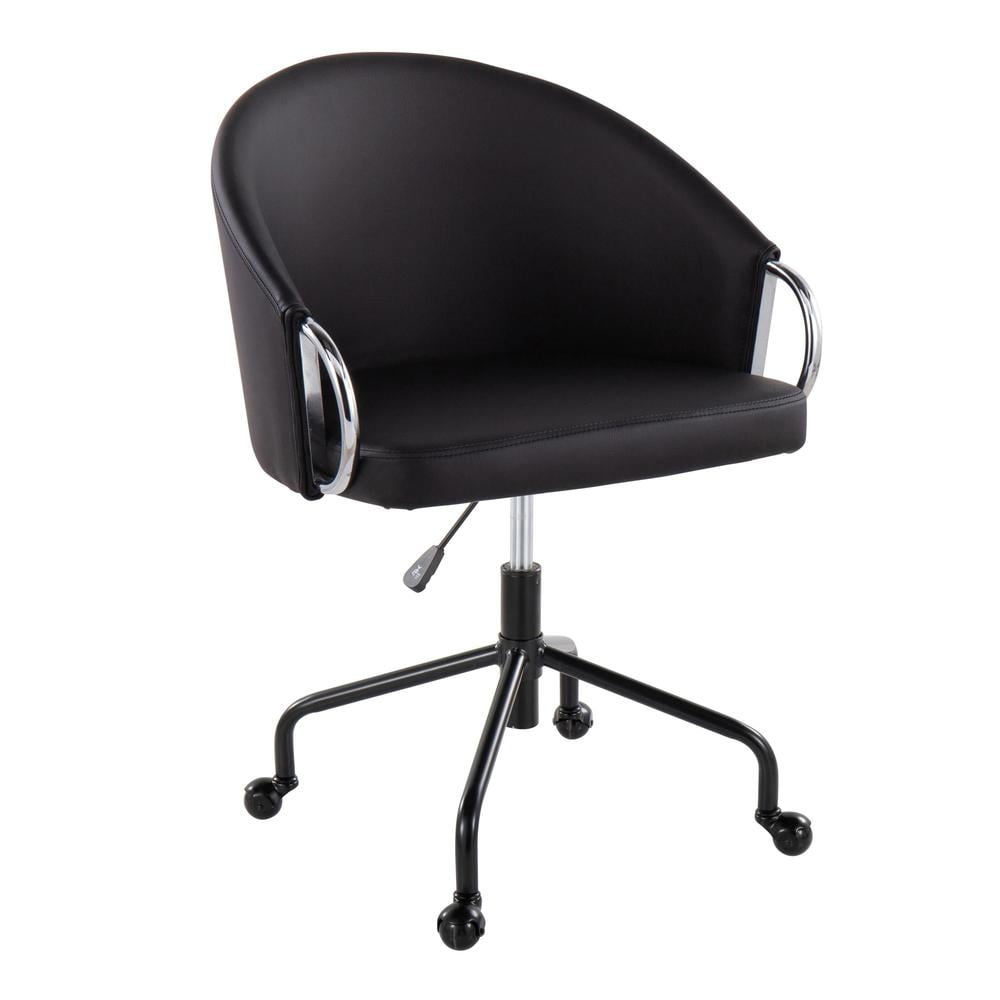
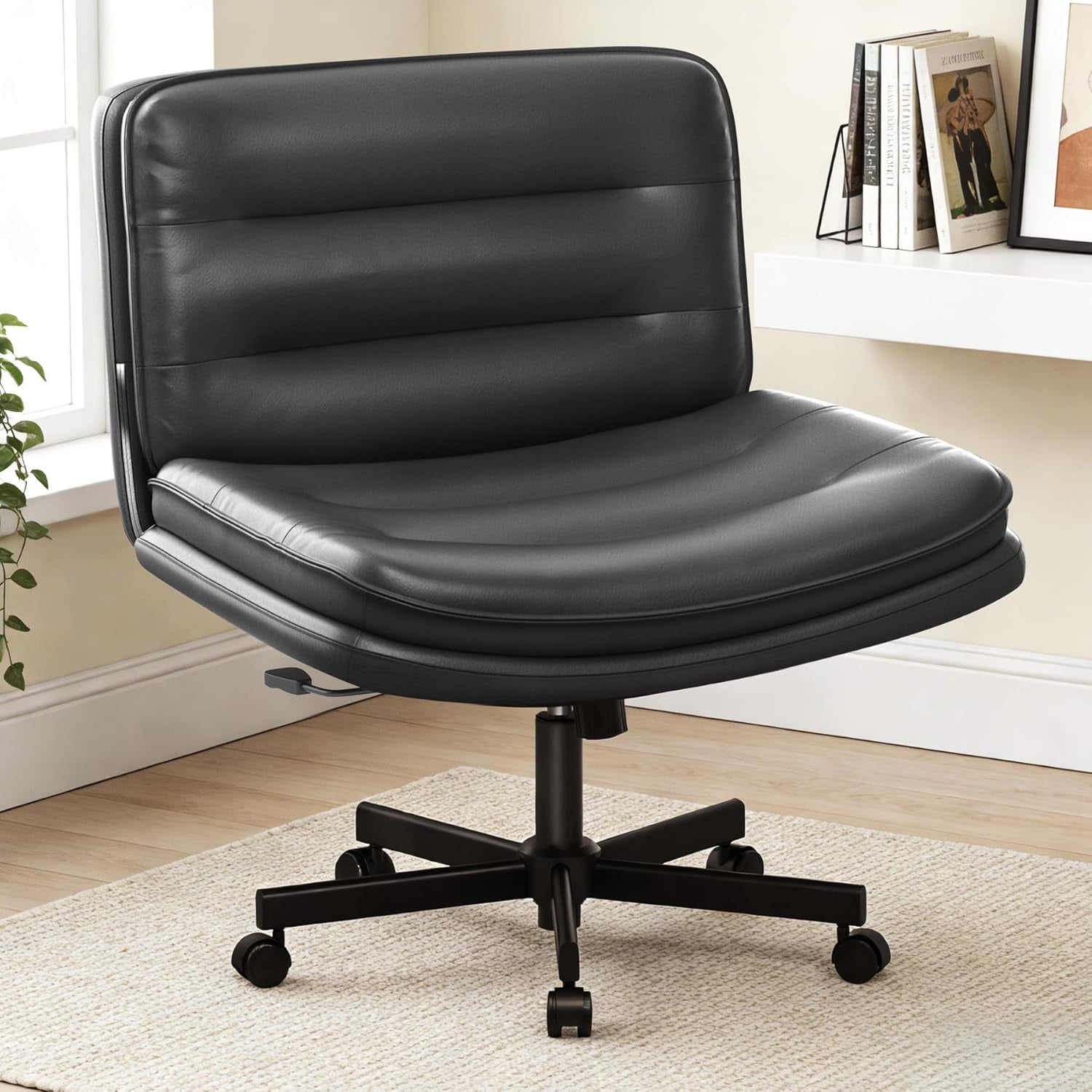
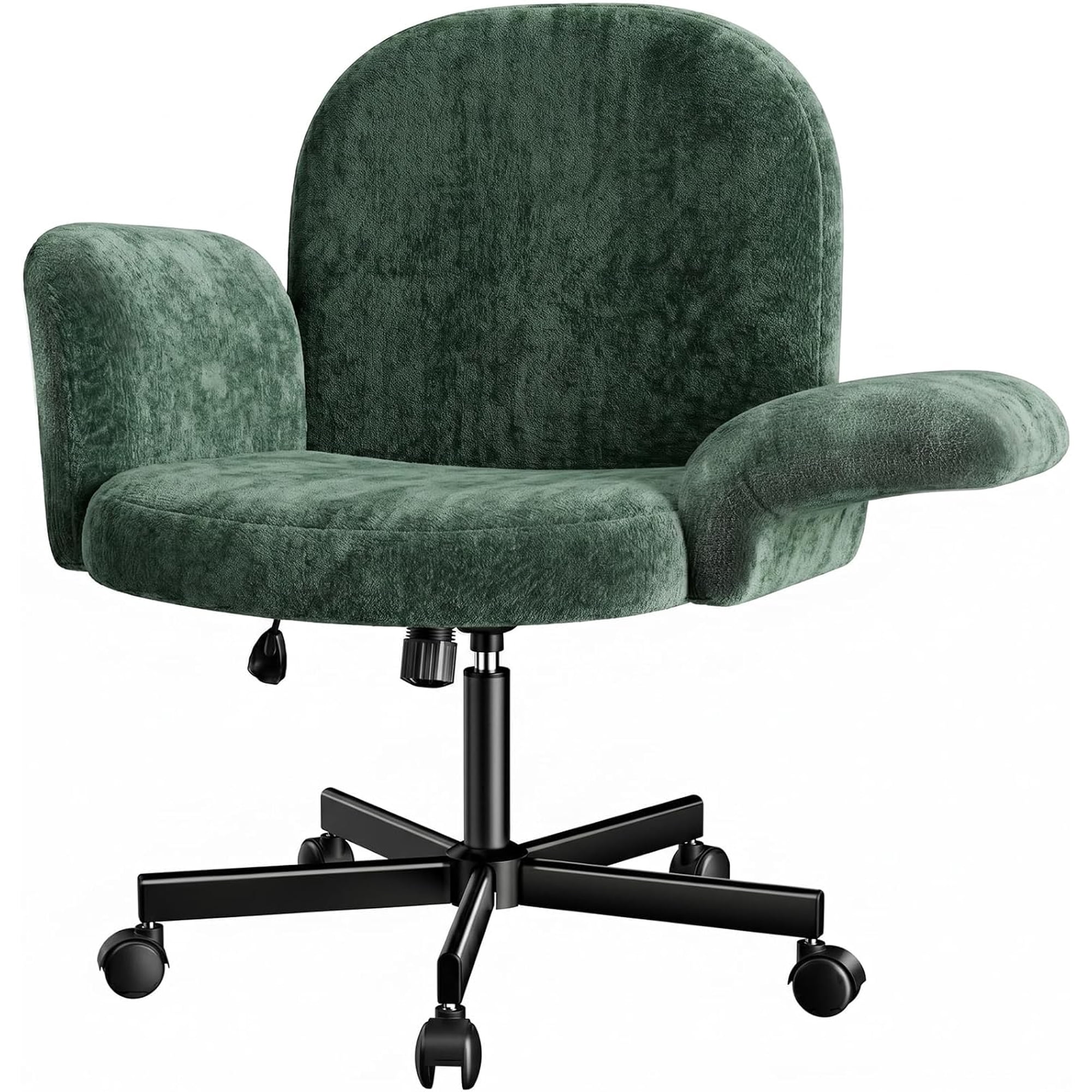
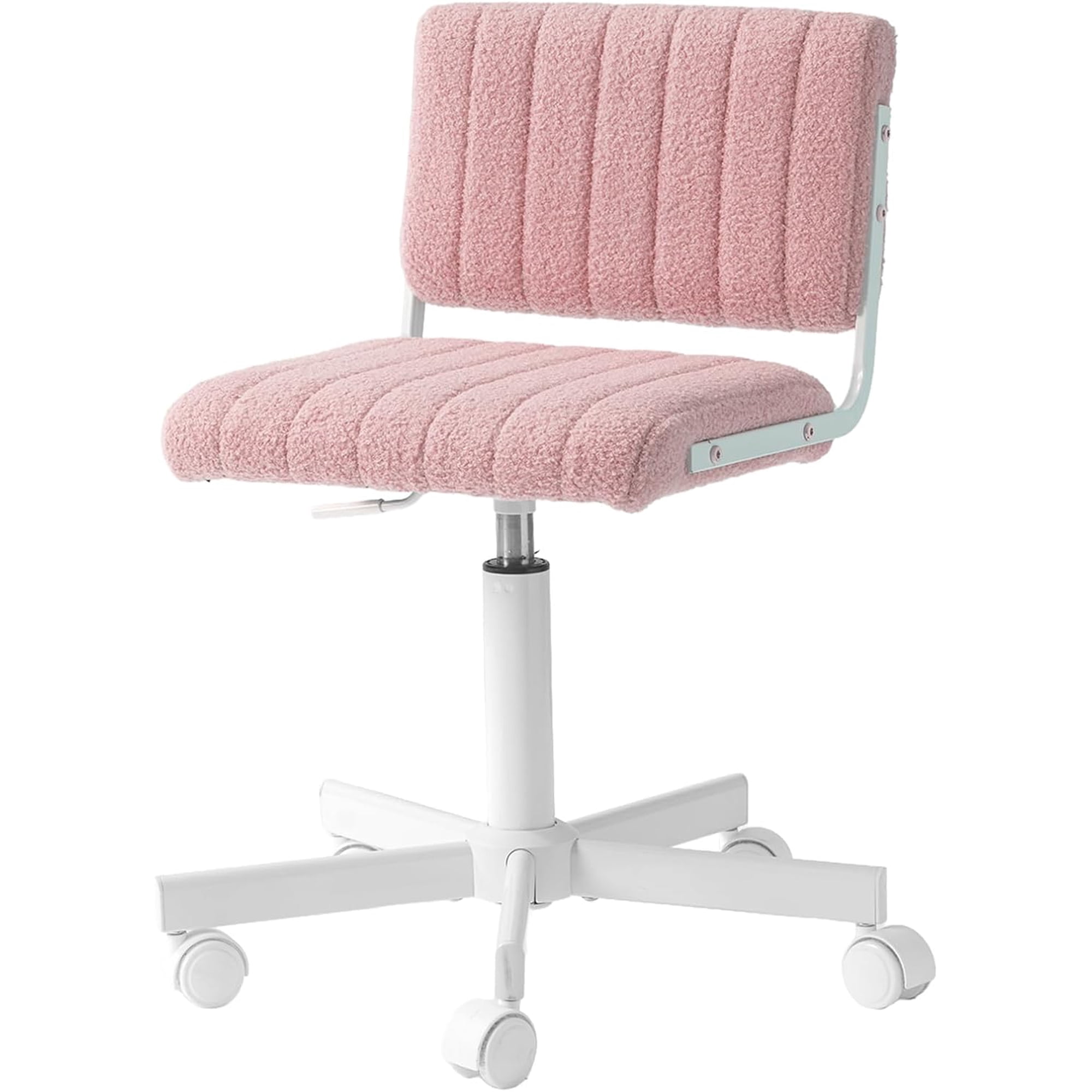
Why Choose a Simple Office Chair with Wheels?
In a world of hyper-engineered seating, sometimes less is more. A simple office chair with wheels strips away unnecessary frills and focuses on what truly matters: smooth mobility, essential ergonomics, and a design that fits any environment. Whether you're setting up a home office, a collaborative workspace, or a minimalist studio, these rolling chairs deliver freedom of movement without visual noise.
Workspace Insight: According to a recent survey by the Global Workspace Association, 68% of remote workers prefer uncomplicated seating solutions that allow easy repositioning throughout the day. A simple chair with casters encourages micro-movements, boosting circulation and focus.
Core Features of Minimalist Rolling Chairs
What defines a truly simple yet high‑performing office chair on wheels? Let's break down the essentials:
- Lightweight frame: Often constructed with mesh or breathable fabric back, reducing overall weight for effortless repositioning.
- Dual‑wheel casters: High‑quality polyurethane wheels that roll silently and protect flooring, whether hardwood, carpet, or tile.
- Pneumatic seat height adjustment: One‑touch lever to align your chair perfectly with your desk, promoting neutral posture.
- Compact seat dimensions: Ideal for small footprints — fits under desks, in tight corners, and shared workspaces.
- Bare‑bones ergonomics: Contoured seat cushion, slight lumbar curve, and optional armrests for those who prefer a clean look.
Top 5 Benefits of a Simple Swivel Office Chair with Casters
1. Effortless Mobility
Glide from desk to filing cabinet to collaborative area without standing up. Wheels make multitasking seamless.
2. Decluttered Aesthetics
Minimalist design complements any interior style — from Scandinavian to industrial — without overwhelming the space.
3. Easy Assembly & Maintenance
Fewer components mean quicker setup and simpler cleaning. Most models require just a few steps to start rolling.
4. Affordable Quality
By focusing on core functions, brands deliver durable chairs at accessible price points, ideal for startups or home offices.
5. Encourages Active Sitting
Smooth‑rolling casters invite you to shift positions, stretch, and change your posture frequently — a natural remedy for sedentary habits.
Material & Build: What to Look For
Even a simple chair should stand the test of time. Let's examine the materials commonly found in high‑quality rolling office chairs:
Breathable Mesh Backs
- • Promotes airflow, reducing heat buildup during long work sessions.
- • Lightweight and flexible, conforming to natural spine curvature.
- • Easy to clean with a quick wipe.
Upholstered Fabric Seats
- • Soft, comfortable foam padding with high resilience.
- • Wide variety of colors to match decor.
- • May require occasional spot cleaning; choose stain‑resistant fabrics.
For casters: opt for double‑wheel design with rubberized coating for silent movement and floor protection. A class 3 or 4 gas lift ensures reliable height adjustment over years of use.
Who Should Consider a Simple Office Chair with Wheels?
These chairs are ideal for:
- Remote workers who want a functional yet unobtrusive seat for their home office.
- Students needing a mobile chair that tucks under compact study desks.
- Minimalists who prioritize clean lines and avoid bulky executive designs.
- Hot desk environments where chairs are frequently moved and shared.
- Creative professionals who value flexibility and quick transitions between drawing boards, computers, and collaboration.
Step-by-Step Selection Guide for Your Rolling Simple Chair
Step 1: Measure Your Space & Desk Height
Take note of your desk’s under‑clearance (height from floor to bottom of desk) — typically 26–29 inches. Your chair’s seat height should allow elbows to rest at a 90‑degree angle when typing. Look for chairs with adjustable height ranges between 16–21 inches.
Step 2: Choose Your Wheel Type
- Hard floors (wood, tile, laminate): Soft rubber casters, often with a polyurethane coating, prevent scratching and roll quietly.
- Carpeted floors: Larger, rigid casters or rollerblade-style wheels provide easier movement over fibers.
Step 3: Decide on Armrests
Simple office chairs with wheels sometimes come with fixed or adjustable armrests. For a streamlined look, armless versions offer maximum freedom and slide easily under low desks.
Step 4: Test Weight Capacity & Base Construction
A solid steel base with 5 legs provides stability. Even minimalist chairs should support at least 250 lbs for lasting durability. Nylon bases are lightweight yet sturdy enough for regular use.
Ergonomics for the Simple Chair: Don’t Compromise Comfort
Simplicity doesn’t mean sacrificing spinal health. Look for these subtle ergonomic features:
- Contoured seat pan: Prevents pressure points under thighs and promotes even weight distribution.
- Backrest angle: A slight recline or flexible back support encourages natural pelvic tilt.
- Waterfall edge: Reduces pressure behind knees, improving circulation during long sits.
Pro Tip: Even the simplest rolling chair can support your back if you maintain proper alignment. Pair it with a small lumbar cushion if you need extra lower‑back contouring — but many modern simple chairs already incorporate mild lumbar support.