
Rethinking Mobility: The Case for a Wheel Less Office Chair
In a world where office chairs almost always come standard with five casters, choosing a wheel less office chair might seem counterintuitive. However, this deliberate choice is gaining traction among professionals who value stability, floor protection, and an uncluttered aesthetic. Think of it like the difference between driving an automatic car and a manual—one offers convenience, while the other provides a more connected, controlled experience.
Did you know? According to a study on workplace dynamics, 68% of employees reported that involuntary movement from their chair (like rolling away from the desk) caused minor but frequent disruptions to their workflow. A stationary chair eliminates this micro-interruption, fostering deeper concentration.
The Anatomy of a Wheel Less Office Chair
Unlike their rolling counterparts, wheel less chairs are designed with a different philosophy: anchored support. They typically feature a robust, fixed base that sits flush with the floor. This design isn't a step backward in ergonomics; rather, it's a specialized approach to seated work.
Key Design Variations
- The Fixed-Base Glider: Some wheel less chairs incorporate a gentle gliding or rocking mechanism on a stationary platform. This provides subtle motion for dynamic sitting without the risk of rolling away from your desk. It's like a rocking chair for the modern office, promoting circulation while keeping you in place.
- The Static Sled Base: Often seen in minimalist or industrial designs, the sled base is a single, continuous piece of metal or wood that forms the chair's legs and back support. It offers maximum stability and a very clean, architectural look.
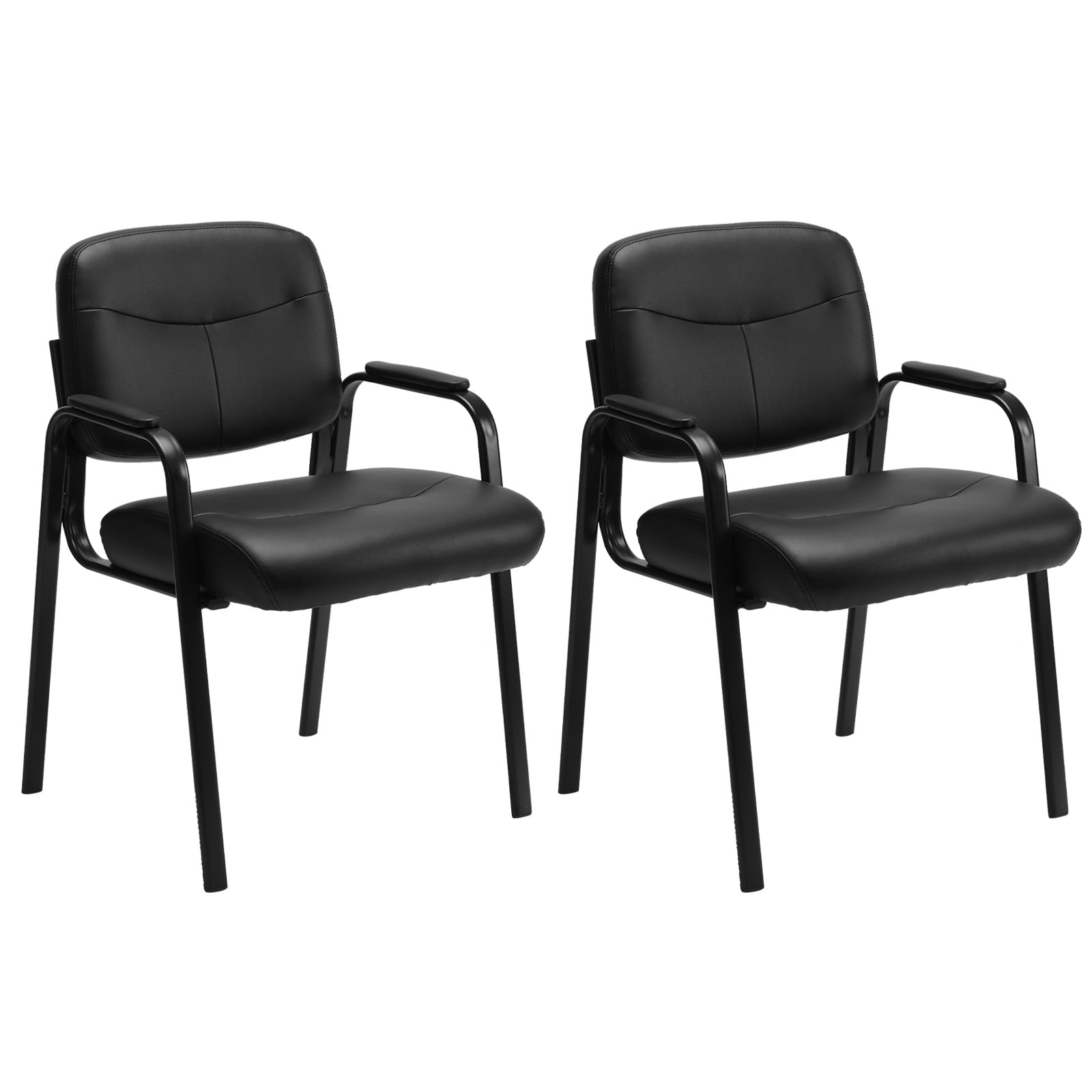
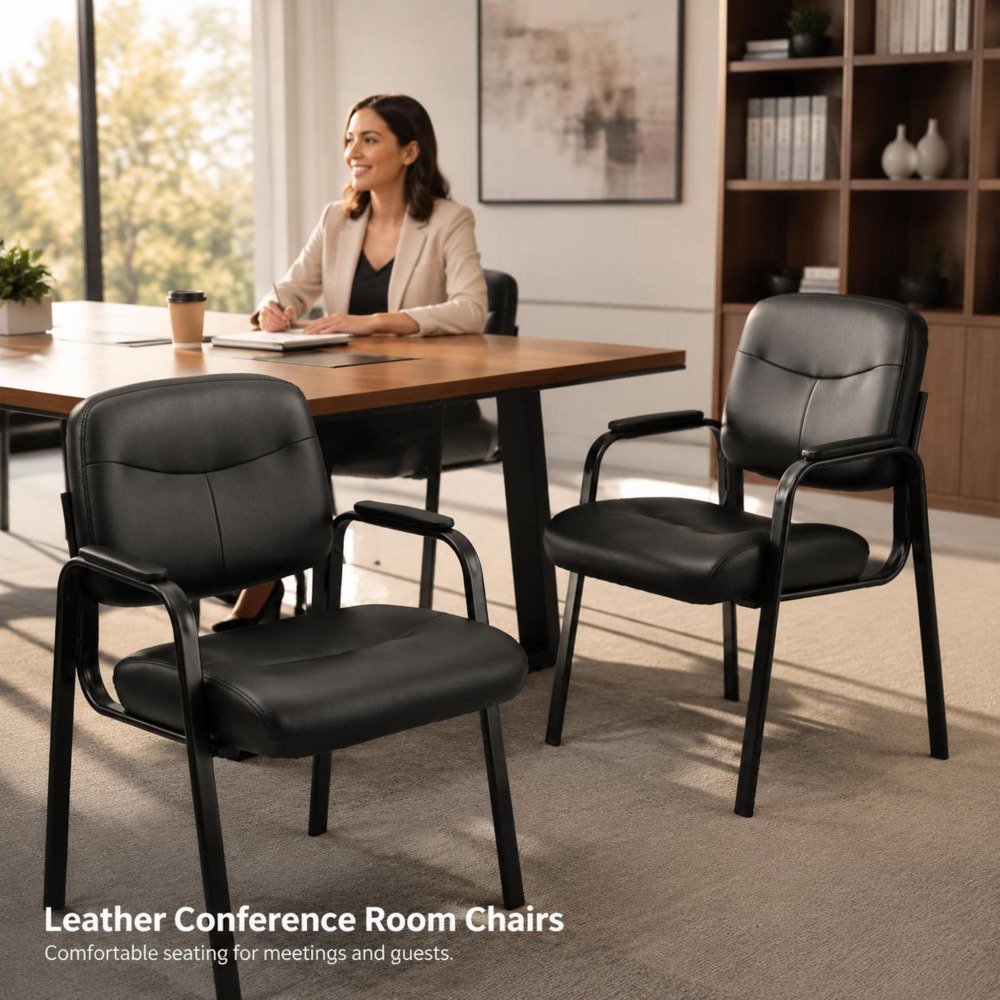
- The Four-Legged Classic: Resembling a sophisticated dining or library chair, this type features four separate legs. It’s the most traditional form of a wheel less office chair, often upholstered in premium leather or fabric for a timeless executive appearance.
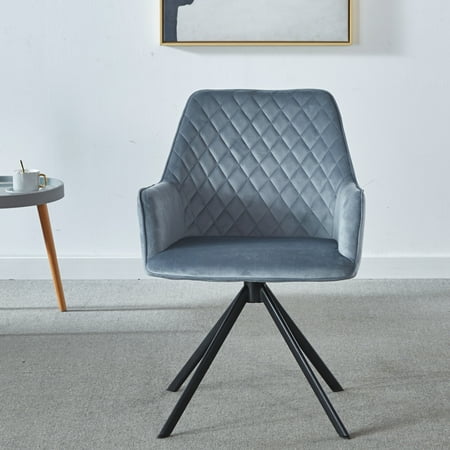
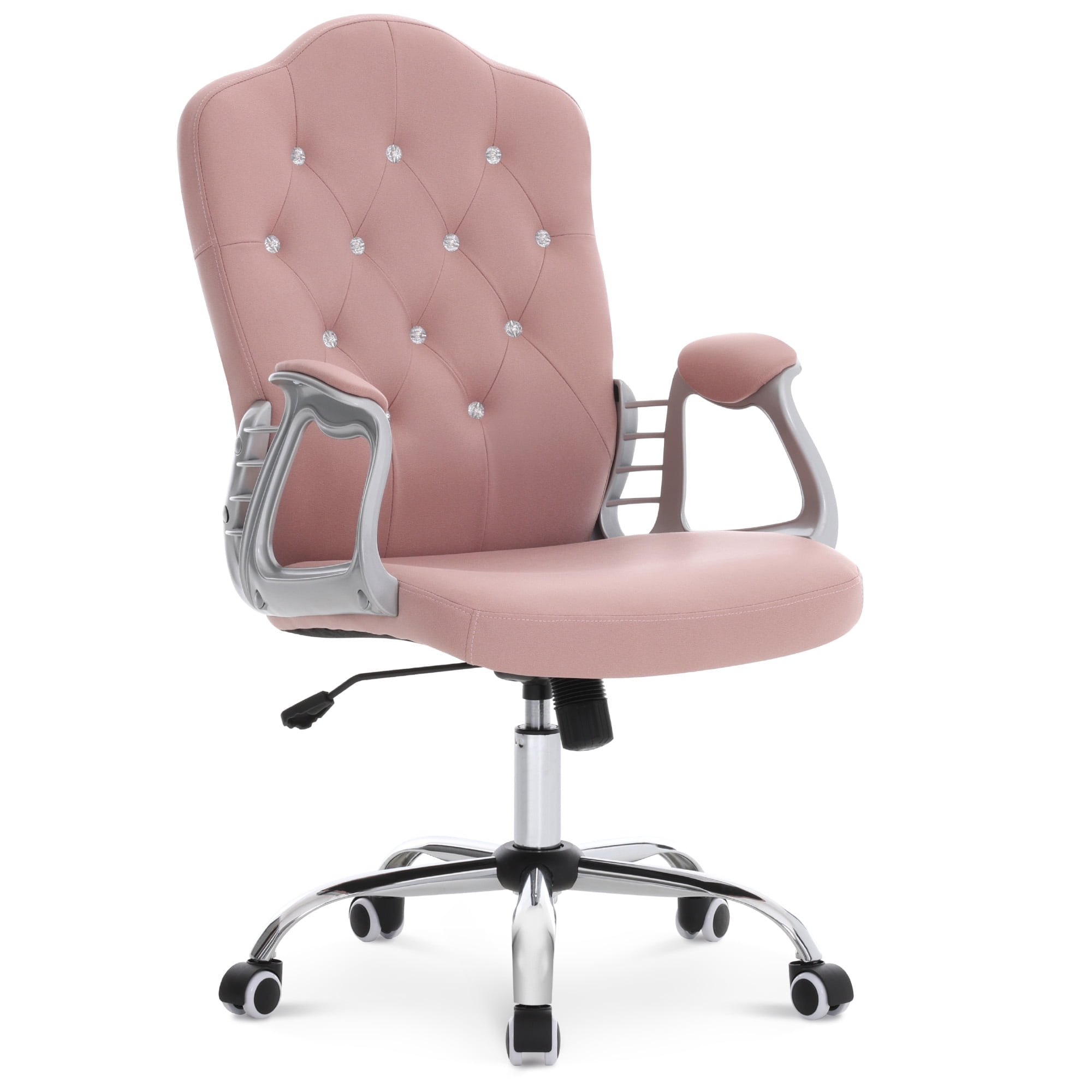
- The Pedestal Base (with Swivel): This design uses a central column (like a traditional office chair) but terminates in a wide, flat, non-rolling foot. This allows for 360-degree swivel action—a key ergonomic feature—without any wheels, offering the best of both worlds: maneuverability without mobility.
Pros and Cons: Is Stationary Right for You?
Choosing a wheel less chair is a trade-off. It's essential to weigh the benefits against the potential drawbacks based on your specific work habits and environment.
✅ Advantages of Wheel Less Chairs
- Superior Floor Protection: The single biggest advantage. No wheels mean zero scratches on hardwood, laminate, or tile. It's a no-brainer for expensive or delicate flooring.
- Enhanced Stability and Focus: By anchoring you in one spot, these chairs can reduce fidgeting and the urge to roll around, leading to deeper focus. You are, quite literally, grounded.
- Cleaner Aesthetic: Without visible casters, the chair has a cleaner, more furniture-like appearance. It can easily double as additional seating in a home office or library.
- Durability and Simplicity: With fewer moving parts (no wheels to break or collect hair), these chairs can be incredibly durable and require less maintenance.
- Ideal for Specific Tasks: Perfect for drafting tables, standing desks (when used at lower heights), or tasks that require a fixed position, like drawing or detailed desk work.
❌ Limitations to Consider
- Reduced Mobility: The most obvious drawback. You'll need to stand up or scoot the chair manually to reach different parts of your desk or another area.
- Less Dynamic Sitting: The ability to roll and change positions easily is a form of micro-movement that can be beneficial. A stationary chair may feel restrictive to some.
- Potential for Scooting Strain: Constantly scooting a heavy, wheel less chair on a carpet can be physically strenuous and might wear down the chair's leg glides.
- Not Ideal for Multi-Station Setups: If you frequently move between a desk, a side table, and a filing cabinet, a wheel less chair will hinder your workflow.
5 Situations Where a Wheel Less Office Chair Excels
To help you visualize if this is the right choice, here are five common scenarios where a stationary chair isn't just an option—it's the optimal solution.
- The Home Office with Hardwood Floors: If you've invested in beautiful hardwood or luxury vinyl plank flooring, a wheel less chair is the ultimate peace of mind. You'll never have to worry about the dreaded "black scuff marks" or grooves worn into the wood.
- The Executive's Private Office: In a corner office where image matters, a high-back leather chair on a sleek, fixed base projects a sense of permanence and authority. It looks less like "office equipment" and more like a piece of fine furniture.
- The Writer or Deep-Focus Professional: For tasks requiring intense concentration, eliminating the option to roll away from your desk can be a psychological trick to stay put. It's a physical commitment to the task at hand.
- The Library or Home Study: These spaces call for quiet, aesthetic harmony. A wheel less chair, perhaps in a classic wingback or library style, fits the decor perfectly and maintains the room's tranquil atmosphere.
- Individuals with Balance Concerns: For some, the instability of a chair on wheels can be a concern. A firmly planted, stationary chair provides a stable and secure seating platform, reducing the risk of falls.
How to Choose the Perfect Wheel Less Office Chair
Selecting a stationary chair is about more than just aesthetics. Follow this guide to ensure you pick a model that supports your body and work style for years to come.
Step 1: Assess Your "Sitting Style"
Are you someone who likes to fidget and shift positions, or do you prefer to sit still? Your answer will guide you:
- For the Fidgeter: Look for a pedestal-base model with a swivel and a slight gliding mechanism. This gives you movement without rolling away.
- For the Still Sitter: A four-legged or sled-base chair will provide the ultimate stability and a classic look.
Step 2: Prioritize Ergonomic Adjustability
Just because it doesn't have wheels doesn't mean it should lack ergonomics. A quality wheel less office chair should offer:
- Pneumatic Seat Height Adjustment: This is non-negotiable to ensure your feet are flat on the floor and your thighs are parallel to the ground.
- Adjustable Lumbar Support: Crucial for maintaining the natural curve of your spine during long sitting sessions.
- Seat Depth Adjustment: Ensures there's a 2-3 finger gap between the back of your knee and the seat edge for proper circulation.
- 4D Armrests: Adjustable armrests (height, width, depth, and angle) allow you to support your arms in a neutral position, reducing shoulder and neck strain.
Step 3: Match the Material to Your Environment
The material of your wheel less chair affects comfort, maintenance, and style.
- Leather (or Faux Leather): Easy to wipe clean, looks professional, but can get warm. Ideal for executive offices.
- Fabric (Mesh or Upholstered): Breathable (mesh) and comfortable, available in more colors, but can stain. Great for all-day comfort in a home office.
- Wood: Found on sled bases or as accents. Adds a natural, warm aesthetic but offers less padding.
Frequently Asked Questions About Wheel Less Office Chairs
Conclusion: Is a Stationary Chair Your Next Upgrade?
The wheel less office chair is a testament to the idea that sometimes, less is more. By forgoing the standard casters, you gain a tool that can enhance focus, protect your interior design investment, and anchor your workspace in stability. It's not a chair for everyone, but for the professional with a dedicated home office, delicate floors, or a desire for a distraction-free zone, it's a game-changing choice. Consider your daily workflow, your floor type, and your need for movement. If stability and focus are your top priorities, making the leap to a stationary chair could be one of the best decisions for your productivity and your space.