
Your Guide to the Perfect Home Office Chair for a Small Space
Working from home has become the new standard for many, but not everyone has the luxury of a sprawling, dedicated home office. More often than not, your workspace might be a corner of the living room, a nook in the bedroom, or a small desk tucked away in a hallway. In these scenarios, choosing the right home office chair for a small space is crucial. It's not just about sitting comfortably; it's about creating a functional, efficient, and enjoyable environment without feeling cramped.
Many people believe that a smaller space means settling for a less comfortable or less supportive chair. This is a common misconception. The market has evolved significantly, offering a wide array of compact office chairs that blend ergonomic support, sleek design, and a minimal footprint. This guide will walk you through everything you need to know to find the perfect compact seating solution for your home.
Did you know? A recent survey indicated that over 40% of remote workers report that their home office setup is a source of discomfort or distraction. By choosing a chair designed for your specific spatial constraints, you can directly improve your posture, focus, and overall well-being.
Key Features to Look for in a Compact Office Chair
Selecting a chair for a confined area requires a different mindset than picking one for a large, dedicated office. Here are the critical features that define a great space-saving chair:
- Narrow Seat Width & Base: Look for chairs with a seat width between 18-20 inches and a base diameter under 26 inches. This ensures the chair fits within the footprint of a small desk.
- Adjustable or Flip-Up Armrests: Armrests are great for support, but they can prevent you from pushing your chair under the desk. Chairs with height-adjustable or, better yet, flip-up armrests offer the best of both worlds.
- Lightweight & Mobile Design: A chair that is easy to move is a game-changer in a small space. Look for models with smooth-rolling casters, especially if you have hardwood or laminate flooring.
- Streamlined Aesthetics: Chairs with a clean, minimalist design, often in lighter colors or mesh, can help a small room feel less cluttered and more open.
- Ergonomic Adjustments in a Compact Form: You don't have to sacrifice health for space. Modern compact chairs still offer lumbar support, seat height adjustment, and tilt tension control.
Space-Saving Tip
Before you buy, measure twice! Use painter's tape to mark the dimensions of the chair on your floor. This will give you a real-world sense of how much space it will occupy. Also, ensure that when you're seated, you have at least 12 inches of clearance behind the chair for a safe and comfortable recline.
Top Materials and Designs for Small Home Offices
The material and design of your chair can significantly impact the feel of your small workspace. Each option has unique advantages.
Mesh Chairs
Pros: Highly breathable, visually light and airy, often have a modern, slim profile. They are excellent for keeping the room from feeling heavy or closed in.
Best for: Warm climates, long working hours, and those seeking a modern aesthetic that doesn't visually dominate a room.
Slim Fabric Chairs
Pros: Offer a soft, comfortable feel with a wide range of color options to match your decor. Some are designed with a 'petite' or 'slim' frame specifically for smaller individuals and spaces.
Best for: Adding a pop of color or a cozy touch to your home office without a bulky appearance.
Leather or Faux Leather Chairs
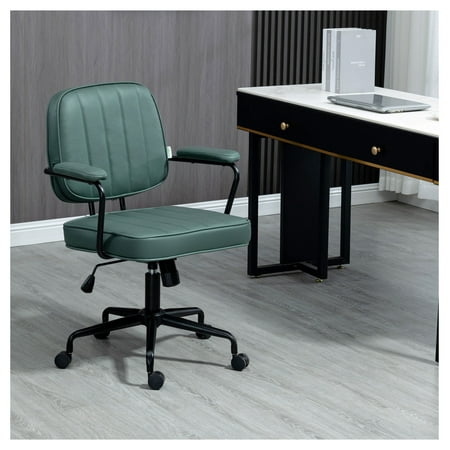
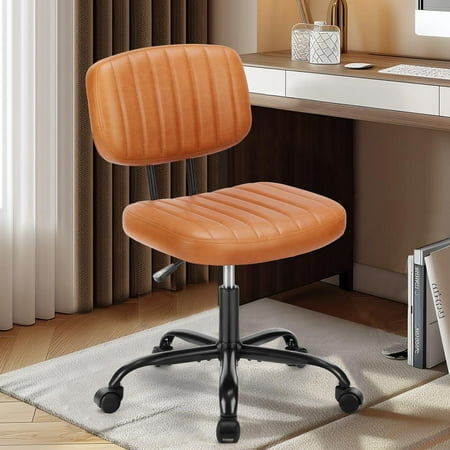
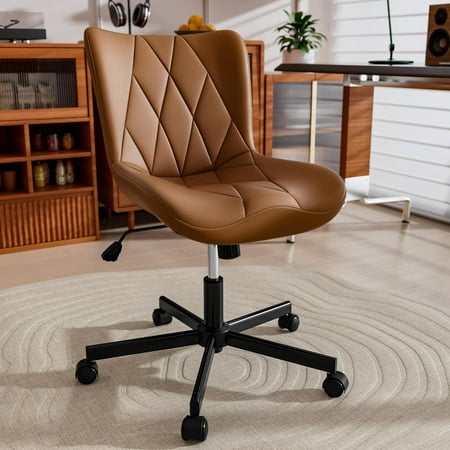
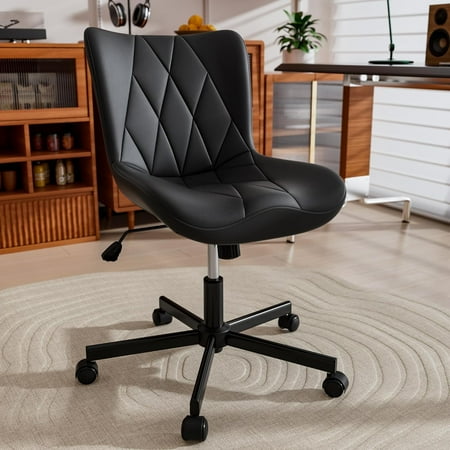
Pros: Easy to clean, adds a touch of professional elegance. Modern executive chairs in this material are now available in sleek, compact designs without the oversized proportions of traditional models.
Best for: A professional, polished look that is also easy to maintain in a busy, multi-use room.
Optimizing Your Small Workspace Layout
Choosing the right chair is only half the battle. How you arrange your workspace is just as important for creating a functional and uncluttered environment.
- Positioning is Key: Place your desk where the chair can be easily tucked in. This creates a clear pathway and makes the room feel larger. Avoid placing the chair in a high-traffic zone.
- Consider Your Desk Height: Ensure your new chair's height range is compatible with your desk. A chair that can't be lowered enough to fit under the desk will defeat the purpose of a space-saving design.
- Use Vertical Space: When floor space is limited, look up. Use wall-mounted shelves, pegboards, or tall bookshelves to store office supplies, reducing the need for bulky filing cabinets that compete with your chair's space.
- Multi-Functional Furniture: If your space is extremely tight, consider a desk that folds down from the wall or a slim console table that can serve as a desk. Your chair should then be lightweight and easy to move aside when not in use.
Pro Tip for WFH Professionals: If you use a laptop, consider a separate, compact monitor and keyboard. This can often reduce the desk clutter and allow you to better position your chair and monitor for ergonomic alignment, even in a tight spot.