
Why Your Sit-Stand Desk Needs a Dedicated Stand Up Desk Office Chair
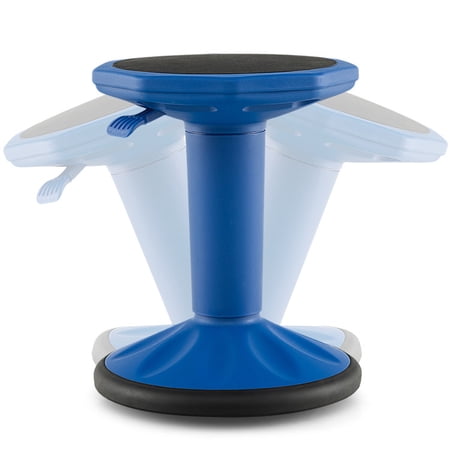
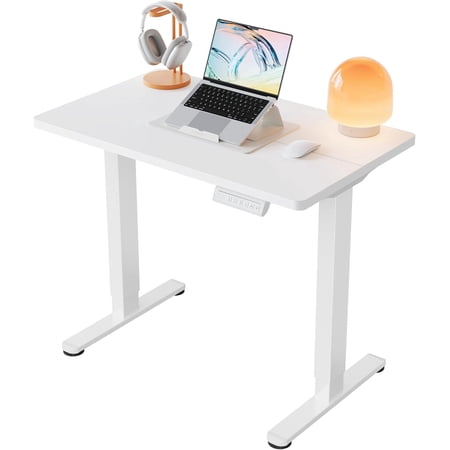
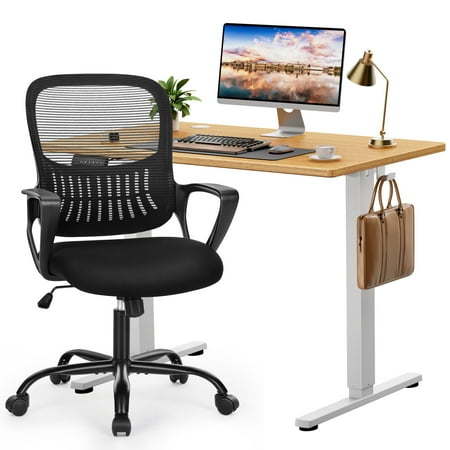
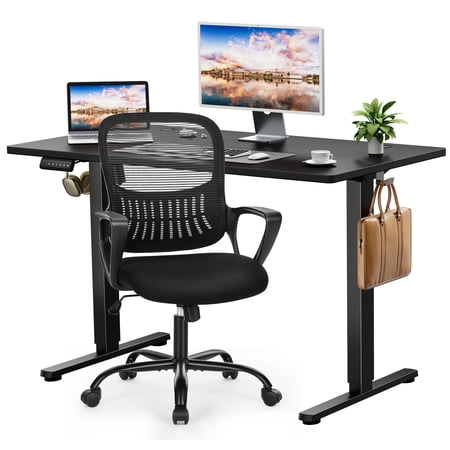
The modern office is evolving. The days of being chained to a traditional desk from 9-to-5 are fading, replaced by dynamic, health-conscious workstations. The sit-stand desk has led this revolution, but a standard office chair often leaves you with a dilemma: sit low and strain your neck, or stand all day and fatigue your legs. The solution is a dedicated stand up desk office chair, also known as an ergonomic stool or active perching chair.
Industry Insight: Studies show that alternating between sitting, standing, and perching every 30-60 minutes can reduce musculoskeletal discomfort by over 50% and increase energy levels and focus. A stand up desk office chair is the tool that makes this seamless transition possible.
What Makes a Stand Up Desk Office Chair Different?
Unlike a conventional office chair designed for a fixed, 90-degree seated position, a stand up desk chair is engineered for a higher work surface. These chairs typically feature a taller pneumatic cylinder, allowing the seat to reach heights of 25 to 33 inches from the floor. This positions you closer to the standing desk height, enabling a "perching" posture that is a hybrid between sitting and standing.
- Taller Seat Height: Engineered to work perfectly with desks set at standing height (typically 38-48 inches).
- Active Sitting Design: Many models are backless or have a pivoting seat, encouraging core engagement and micro-movements.
- Open Hip Angle: Promotes a posture where the hips are at a 100-110 degree angle, reducing pressure on the lower back.
- Footrest Ring: A crucial feature that provides stability and a place to rest your feet when in the perching position.
- Compact Footprint: These chairs are often more compact than full-sized executive chairs, saving valuable floor space.
Types of Stand Up Desk Office Chairs
Choosing the right active seating depends on your work style and physical needs. Here are the most common types:
1. Ergonomic Stools (Backless)
- Design: Simple, saddle-shaped or flat seat on a pneumatic lift with a base and footring.
- Best For: People who want to improve core strength and prefer maximum freedom of movement.
- Benefits: Encourages active posture, easily tucks under the desk, promotes constant subtle adjustments.
2. Perching Chairs (with Back Support)
- Design: Similar to a stool but with a small, supportive backrest for lumbar support.
- Best For: Those who need occasional back support or are transitioning from a traditional chair.
- Benefits: Provides more stability and support for longer perching sessions.
3. Saddle Chairs
- Design: Inspired by equestrian saddles, this seat spreads the thighs apart, aligning the spine.
- Best For: Individuals with lower back pain, hip issues, or those who need to lean forward for detailed work.
- Benefits: Excellent for maintaining the natural 'S' curve of the spine and opening up the hip angle.
4. Kneeling Chairs (for Standing Desks)
- Design: A hybrid with a sloping seat and padded knee rest.
- Best For: People who want to aggressively correct posture and relieve lower back pressure.
- Benefits: Shifts body weight forward, reducing lumbar compression. Works best with a desk that can be set slightly lower.
Key Features to Consider When Buying a Stand Up Desk Office Chair
To make the right investment, focus on these critical specifications:
| Feature | Importance for Active Seating | Recommended Specification |
|---|---|---|
| Height Range | Ensures compatibility with your sit-stand desk in both sitting and standing modes. | Minimum seat height of 22 inches; look for ranges up to 32 inches or more. |
| Footring | Provides crucial support for your feet when perching, preventing leg fatigue. | Adjustable footring is a premium feature for customized comfort. |
| Seat Design | Affects posture and comfort. A contoured or saddle-shaped seat is superior. | Waterfall edge to prevent pressure on thighs, with high-density foam. |
| Base & Casters | Stability is paramount for a high-center-of-gravity chair. | Wide five-point metal base with heavy-duty casters (lockable casters are a plus). |
| Weight Capacity | Indicates build quality and durability for the pneumatic lift mechanism. | Minimum 250 lbs, with 300-350 lbs recommended for robust use. |
The Health Benefits of Active Perching
Switching to a stand up desk office chair offers more than just ergonomic alignment; it provides a cascade of health benefits:
Reduced Spinal Compression
The open hip angle decreases pressure on the lumbar discs by up to 30% compared to traditional sitting.
Increased Caloric Expenditure
Active sitting engages core and leg muscles, burning more calories than static sitting.
Improved Circulation
Encourages leg movement, reducing the risk of deep vein thrombosis (DVT) associated with prolonged sedentary periods.
Enhanced Focus & Energy
Movement increases blood flow to the brain, leading to higher cognitive function and alertness.
Ultimate Selection Guide for Your Stand Up Desk Office Chair
Step 1: Measure Your Workspace
- Desk Height Range: Note the lowest and highest settings of your sit-stand desk. Your chair's seat height must overlap with the lower half of this range.
- Under-Desk Clearance: Ensure the base of the chair fits under your desk when it's lowered.
- Floor Space: Consider the chair's base diameter to ensure it fits comfortably in your workspace.
Step 2: Identify Your Primary Posture
You shift between standing, perching, and sitting constantly. A backless ergonomic stool is your best friend.
You spend most of your time in a semi-standing position. Choose a chair with a supportive back and a comfortable saddle seat.
You stand most of the day but need a perch for breaks. A compact, easily stowable stool with a footring is ideal.
If you have chronic back or hip pain, a saddle chair or a kneeling chair can provide the most therapeutic support.
Step 3: Set a Realistic Budget
A quality stand up desk chair is an investment in your physical well-being. Here's how the market typically breaks down:
Entry-Level Active Stool
Basic gas lift, minimal adjustability, good for occasional use.
Mid-Range Ergonomic Stool
Better foam, contoured seat, adjustable footring, durable base.
Premium Perching Chair
High-end materials, superior ergonomics, full adjustability, long warranty.
Step 4: Test for Comfort and Stability
Pro Tip: If possible, test the chair at the intended height. Check the stability of the base when you lean. Sit on it for 15 minutes to feel how your core engages and if the seat contours are comfortable for your body type.