
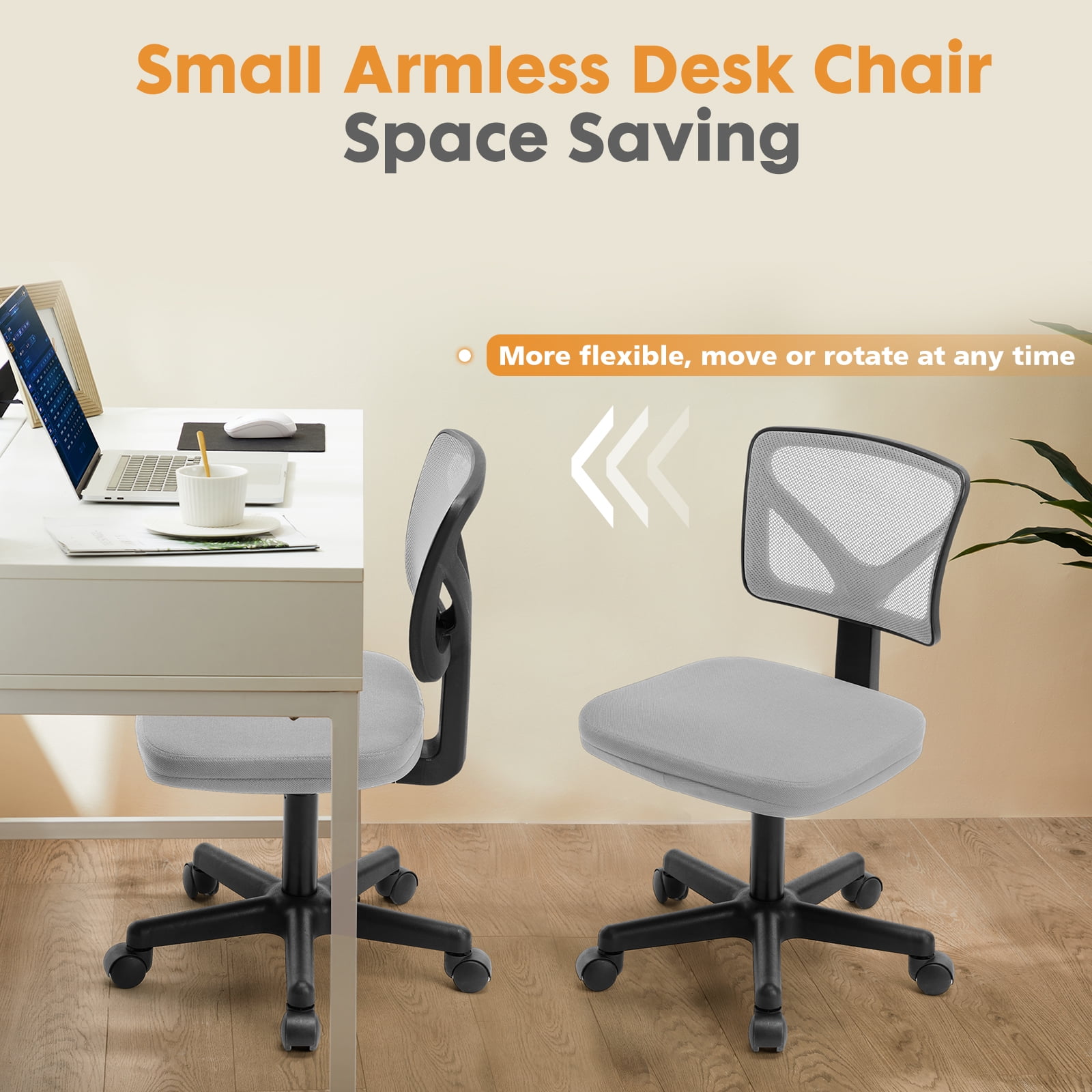
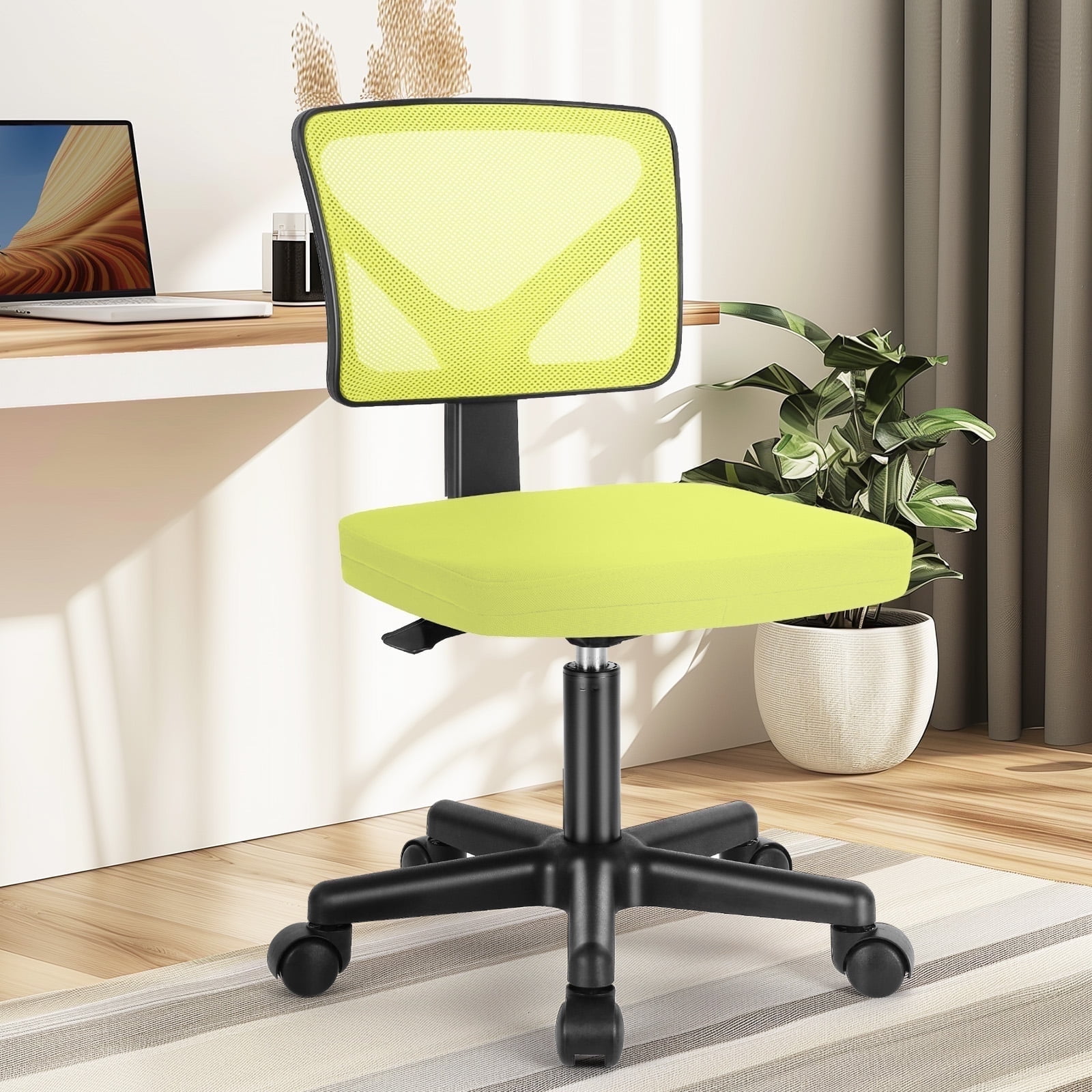
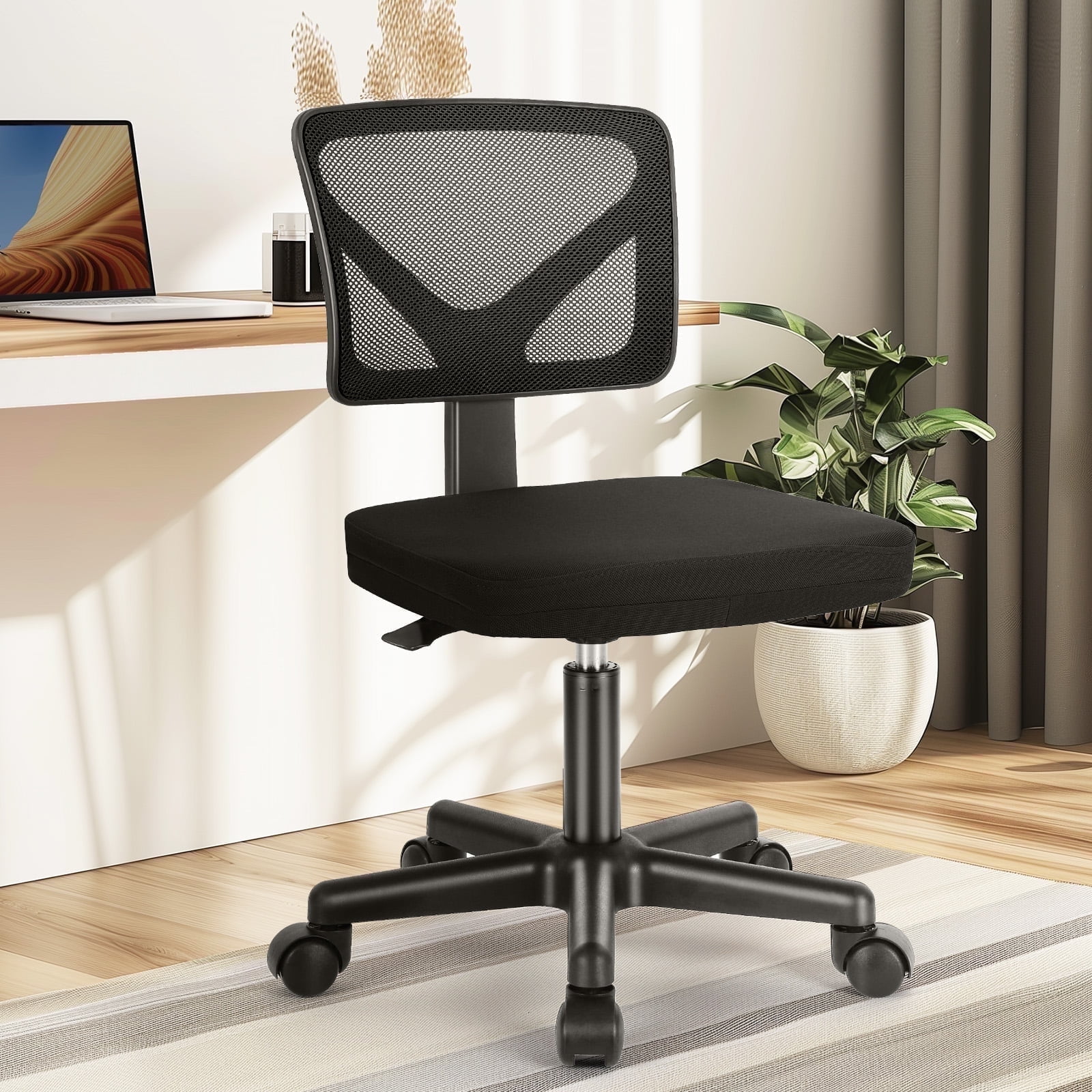
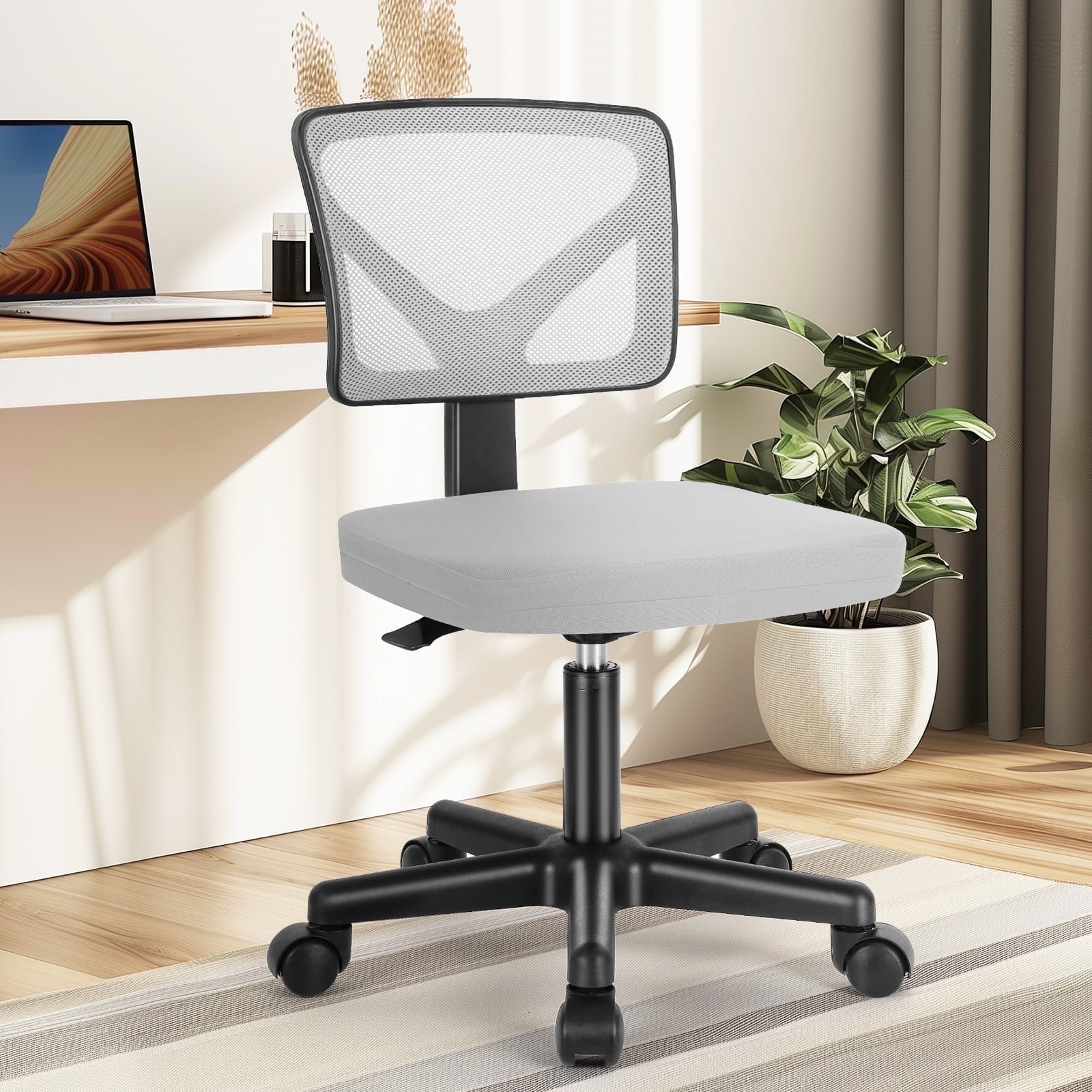
The Ultimate Guide to Ergonomic Office Chairs for Small Spaces
Working in a compact environment doesn't mean sacrificing comfort or spinal health. Modern ergonomic office chairs for small spaces are engineered with intelligent designs that deliver full ergonomic support while occupying minimal floor real estate. Whether you're setting up a home office in a spare bedroom, a studio apartment, or a shared workspace, the right chair can transform your productivity and well-being.
Industry Insight: According to recent workspace studies, 67% of remote workers operate from spaces under 100 square feet. The demand for compact ergonomic seating has grown 142% since 2022, with manufacturers developing chairs specifically for smaller footprints without compromising adjustability.
Key Design Elements of Space-Saving Ergonomic Chairs
Compact ergonomic chairs are not merely smaller versions of standard chairs; they incorporate thoughtful engineering to maximize functionality within limited dimensions:
- Narrow Seat Width: Typically 18-22 inches, allowing chairs to slide under standard desks and fit between narrow desk legs
- Streamlined Backrest: Contoured profiles that provide lumbar support without bulky protrusions
- Flip-Up Armrests: Armrests that pivot upward, instantly reducing width for tight storage or close desk positioning
- Compact Base Design: Smaller-diameter wheel bases that still offer stability and smooth mobility
- Low-Profile Mechanisms: Under-seat controls that don't extend beyond the chair's footprint
Smart Measurement Guide for Compact Chairs
Before selecting an ergonomic chair for your small space, take these measurements to ensure a perfect fit:
| Measurement Point | What to Measure | Ideal Range |
|---|---|---|
| Desk Clearance Height | Floor to underside of desk | 26-29 inches (for standard chair height) |
| Desk Width Opening | Space between desk legs or cabinet | Minimum 22-24 inches for chair width |
| Wall-to-Desk Depth | Available depth behind desk | Allow 24-30 inches for chair movement |
| Corner Clearance | Diagonal space in corner setup | At least 36 inches for chair rotation |
Ergonomic Features That Work in Compact Chairs
Even within a smaller footprint, high-quality compact ergonomic chairs deliver essential adjustments that protect your body during long work sessions:
Adjustable Seat Height
Pneumatic cylinders that offer a wide height range (16-21 inches) ensure your feet rest flat while maintaining proper thigh angle, regardless of desk height.
Built-In Lumbar Support
Integrated lumbar curves or adjustable pads target the lower back region, crucial for maintaining natural spine curvature even in narrower chairs.
Tilt Tension & Lock
Mechanisms that allow controlled rocking with adjustable tension help distribute weight and reduce pressure points during extended sitting.
Seat Depth Adjustment
Sliding seat pans (often 2-3 inches of adjustment) accommodate different thigh lengths while keeping the overall chair footprint minimal.
Material Selection for Compact Office Chairs
The materials used in small-space ergonomic chairs significantly affect both visual perception of space and long-term comfort:
Mesh Back Chairs
• Visually lighter — doesn't overwhelm small rooms
• Excellent breathability
• Slim profile (usually 2-3 inches thinner than padded backs)
• Easy to clean and maintain
Fabric & Upholstered
• Adds warmth to modern spaces
• Available in lighter colors to enhance room openness
• High-density foam maintains shape without bulk
• Quiet operation — ideal for shared small spaces
Leather/Faux Leather
• Easy wipe-clean surfaces
• Professional aesthetic
• Choose lighter shades (cream, gray) to avoid visual heaviness
• Often features slim padding profiles
Health Benefits Beyond Space Saving
A properly selected ergonomic chair for small spaces delivers health advantages that extend far beyond physical footprint:
Improved Posture
Compact chairs encourage upright sitting without the temptation to slouch, as the ergonomic contours naturally guide spinal alignment.
Better Circulation
Waterfall seat edges and adjustable height prevent pressure behind knees, promoting healthy blood flow during long workdays.
Reduced Neck Strain
Proper backrest height (16-22 inches) supports the entire back, minimizing forward head posture common in cramped spaces.
Enhanced Focus
When you're comfortable and properly supported, mental energy shifts from physical discomfort to productive work — studies show 23% productivity gain with proper ergonomic setup.
Arranging Your Small Workspace for Maximum Efficiency
Creating an ergonomic setup in a compact area requires strategic placement of your chair and desk. Follow this numbered approach for optimal arrangement:
- Position the Chair First: Place the chair in the intended spot and adjust seat height so your elbows rest at a 90-degree angle when typing.
- Clear Under-Desk Space: Ensure at least 18 inches of unobstructed space beneath the desk for leg movement and chair tucking.
- Utilize Wall Corners: Position the desk diagonally in corners to create a natural alcove for the chair, allowing easy entry and exit.
- Mind the Casters: For hard floors, use a small protective mat that doesn't extend far beyond the chair base to maintain the compact feel.
- Keep Pathways Clear: Allow at least 24 inches of clearance in front of the desk for chair movement without hitting walls or furniture.
Ergonomic Expert Tip: In small spaces, opt for chairs with 360-degree swivel capability and smooth-rolling casters. This allows you to access different areas of your desk without needing to push the chair back, maximizing efficiency in tight quarters.
Common Misconceptions About Compact Ergonomic Chairs
Many professionals hesitate to invest in small-space ergonomic chairs due to persistent myths. Let's address these misconceptions:
- Myth: "Narrow chairs are uncomfortable for larger individuals."
Fact: Many compact chairs now offer extended weight capacities (300+ lbs) and wider seat options within a still-slim overall profile, thanks to advanced engineering. - Myth: "You can't get proper lumbar support in a small chair."
Fact: Compact ergonomic chairs often feature targeted lumbar systems that are more effective than bulky, one-size-fits-all backrests. - Myth: "Small chairs lack durability for daily use."
Fact: High-quality compact chairs are built with reinforced frames, heavy-duty gas lifts, and commercial-grade components designed for 8+ hours of daily use.
Cost vs. Value: Investing in Compact Ergonomic Seating
When budgeting for an ergonomic chair for your small space, consider the long-term value beyond the initial price tag. Quality compact ergonomic chairs typically range from $200 to $600 for solid mid-range options, while premium models with advanced adjustments can reach $800-$1,200.
Think of this investment as spending pennies per day for proper spinal health. A $500 chair used for 5 years equals roughly 27 cents per day — a minimal cost compared to chiropractic visits, physical therapy, or lost productivity from discomfort. Additionally, chairs with 5-10 year warranties offer peace of mind and represent exceptional value for home office professionals.