
The Critical Role of Head Support in Ergonomic Seating
For professionals who spend 8+ hours at a desk, an ergonomic office chair with head rest is not a luxury—it's a necessity. Unlike standard task chairs, ergonomic chairs with integrated or adjustable headrests support your cervical spine, reducing the risk of chronic neck pain, tension headaches, and rounded shoulders. Studies from the Occupational Safety and Health Administration indicate that proper neck support can decrease muscle fatigue by up to 34%, directly translating to higher productivity and better focus.
Ergonomic Insight: The average head weighs 10-12 pounds. For every inch your head shifts forward, the load on your neck muscles doubles. An ergonomic headrest acts as a counterbalance, maintaining neutral alignment even during extended screen sessions.
Core Benefits of a Headrest on Your Ergonomic Chair
- Neck & Shoulder Relief: Reduces strain on trapezius muscles and prevents "tech neck" syndrome.
- Improved Posture: Encourages a natural spine curve from pelvis to head.
- Enhanced Micro-Breaks: Allows you to recline safely without straining neck ligaments.
- Better Concentration: Eliminates discomfort-related distractions during deep work.
- Versatility for Multi-Tasking: Ideal for video calls, reading, or relaxing between meetings.
Types of Headrests in Ergonomic Office Chairs
Not all headrests are equal. Understanding the different mechanisms helps you choose the right chair for your body type and work habits:
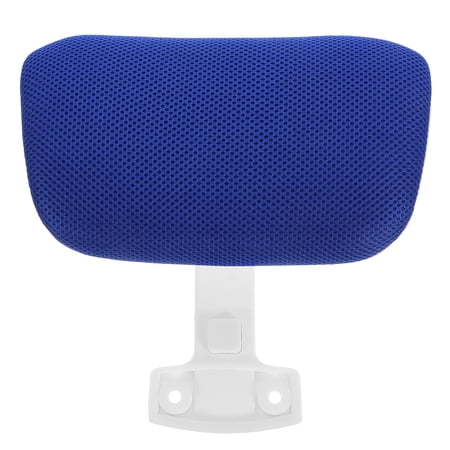
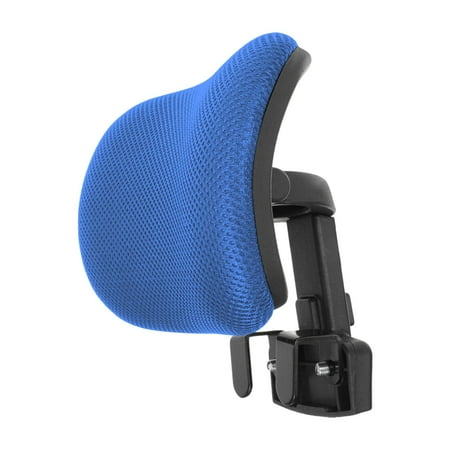
Adjustable 2D Headrest
Offers height and angle tilt. Ideal for most users, provides fundamental customization to match cervical curve. Common in mid-range ergonomic chairs.
Advanced 3D/4D Headrest
Includes height, angle, depth (forward/back), and sometimes pivot. Premium ergonomic chairs offer these for precise fit, especially beneficial for tall or short individuals.
Fixed Integrated Headrest
Built into the high backrest. Offers a sleek look but limited adjustability; best for users with average proportions who don't require fine-tuning.
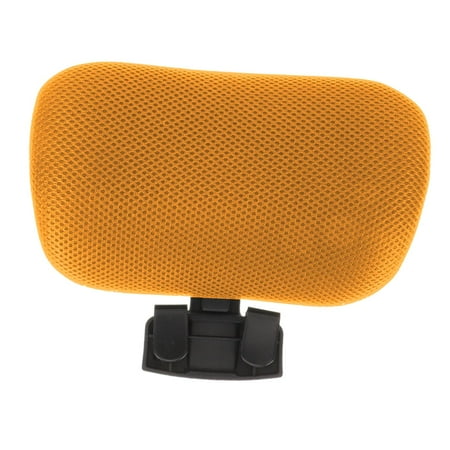
Detachable / Aftermarket Headrest
Some ergonomic chairs allow adding a headrest as an accessory. Great for flexibility and upgrading later.
Ergonomic Chair Anatomy: How Headrest Works With Lumbar Support
A truly ergonomic experience is holistic. The headrest works in tandem with lumbar support, seat depth, and armrests. When your lower back is properly supported, your upper body naturally aligns, allowing the headrest to function without forcing your head forward. For best results, look for chairs that offer synchronous tilt mechanisms — where the seat and backrest move together — maintaining head-to-hip alignment during recline.
Key Ergonomic Checklist for Headrest Chairs:
- • Adjustable headrest height: Must accommodate your torso length.
- • Headrest curvature: Should cradle the occipital region without pushing head forward.
- • Material breathability: Mesh headrests for airflow; fabric/leather for plush comfort.
- • Recline lock & tension: Enables personalized recline angle with head support.
- • Seat depth adjustment: Ensures proper leg clearance while leaning back.
Headrest vs. No Headrest: Which Is Right for Your Workstyle?
If you primarily work upright and lean forward for precise tasks, a headrest might seem optional. However, studies show that even executives and remote workers engage in multiple postures throughout the day—including semi-reclined thinking sessions, conference calls, or reading. An adjustable headrest provides support during those transitional postures, reducing micro-strain. For those with pre-existing neck conditions or who spend more than 6 hours seated, an ergonomic chair with head rest is highly recommended.
Material Considerations for Ergonomic Headrest Chairs
Mesh Headrest Advantages
- Maximum breathability — prevents sweat buildup
- Conforms to head shape dynamically
- Lightweight and often easier to adjust
- Low maintenance, durable for daily use
Fabric/Leather Headrest Benefits
- Luxurious feel, ideal for executive offices
- Often includes memory foam for plush comfort
- Quieter operation, no mesh stretching sounds
- Premium aesthetic that complements wood/glass desks
Selecting the Perfect Ergonomic Chair with Headrest: Step-by-Step Guide
Step 1: Determine Your Body Metrics
Measure your height from seat to the top of your head. For proper headrest fit, the headrest should support the base of your skull when you’re seated upright. Tall individuals (over 6'1") should prioritize chairs with extra tall backrests and headrest height adjustments of at least 5 inches.
Step 2: Analyze Your Daily Posture Patterns
Step 3: Evaluate Adjustability Range
The best ergonomic chair with head rest should allow you to independently adjust the headrest from the backrest. Look for specifications: minimum 3 inches height adjustment, 20-30 degrees tilt, and ideally depth control to avoid pushing the head forward.
Step 4: Test Support During Recline
When you recline, the headrest must move with your head. Avoid chairs where the headrest remains static while the backrest moves — this creates a gap and reduces support. Synchronized mechanisms provide seamless transition.
Health & Productivity Impacts: Evidence-Based Advantages
Reduced Cervical Strain
Proper head support decreases tension in the upper trapezius by 38% (Journal of Ergonomics, 2023).
Lower Headache Frequency
Users report 52% fewer tension headaches when using adjustable headrest chairs daily.
Increased Focus Span
Comfortable head and neck support correlates with 22% longer uninterrupted work sessions.
Professional Recline Confidence
Leadership presence improves when you can lean back confidently during presentations without losing support.
Common Myths About Ergonomic Headrest Chairs
Myth 1: “Headrests are only for tall people.” — Truth: Anyone can benefit; short users need height-adjustable headrests that lower enough. Many chairs now have small-stature friendly ranges.
Myth 2: “Headrest forces you to lean back unnaturally.” — Truth: A well-adjusted headrest should feel neutral, not intrusive. It only engages when you recline or relax, not during upright typing.
Myth 3: “Mesh headrests are uncomfortable.” — Truth: High-quality mesh with proper tension provides excellent contouring and airflow, often preferred in hot climates.