
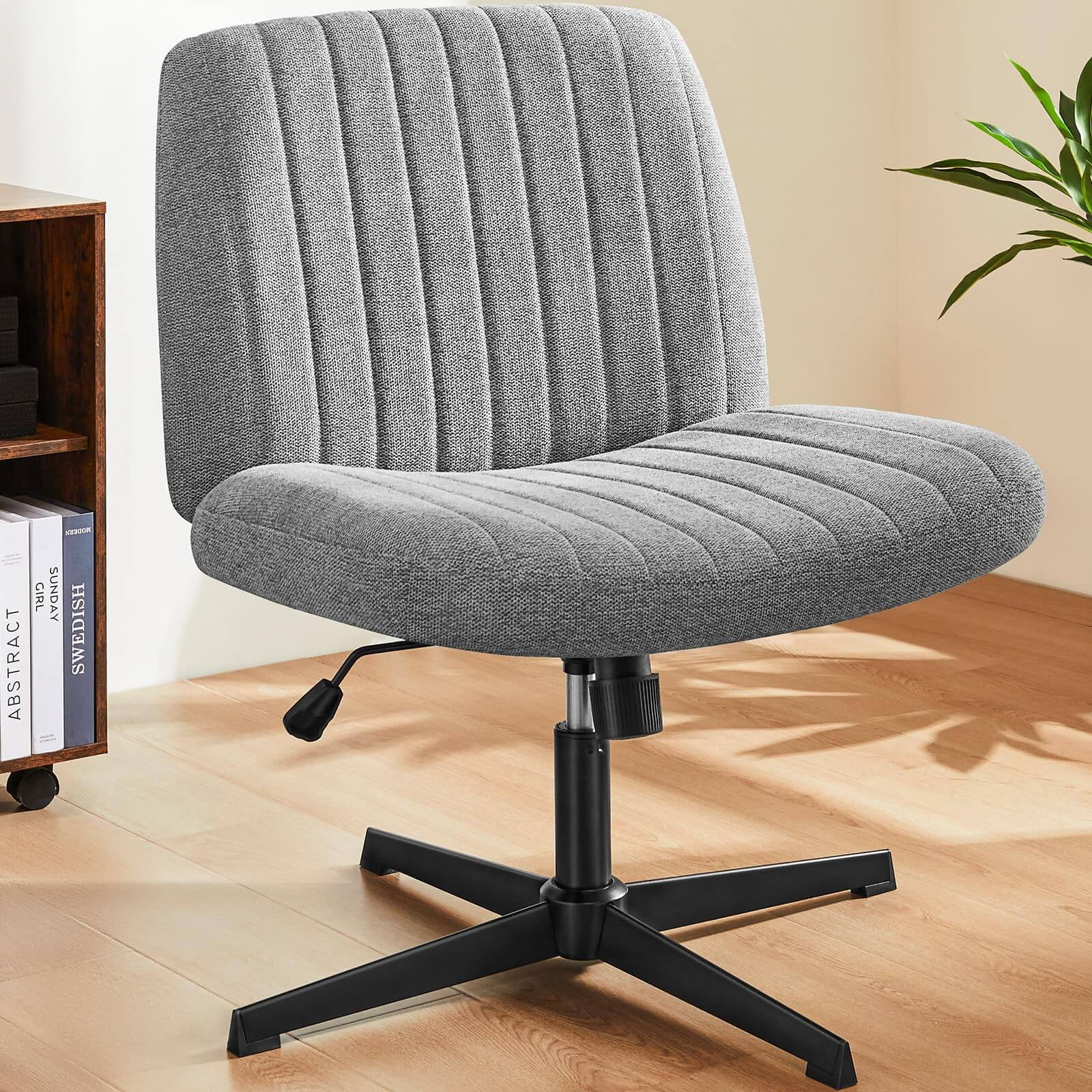
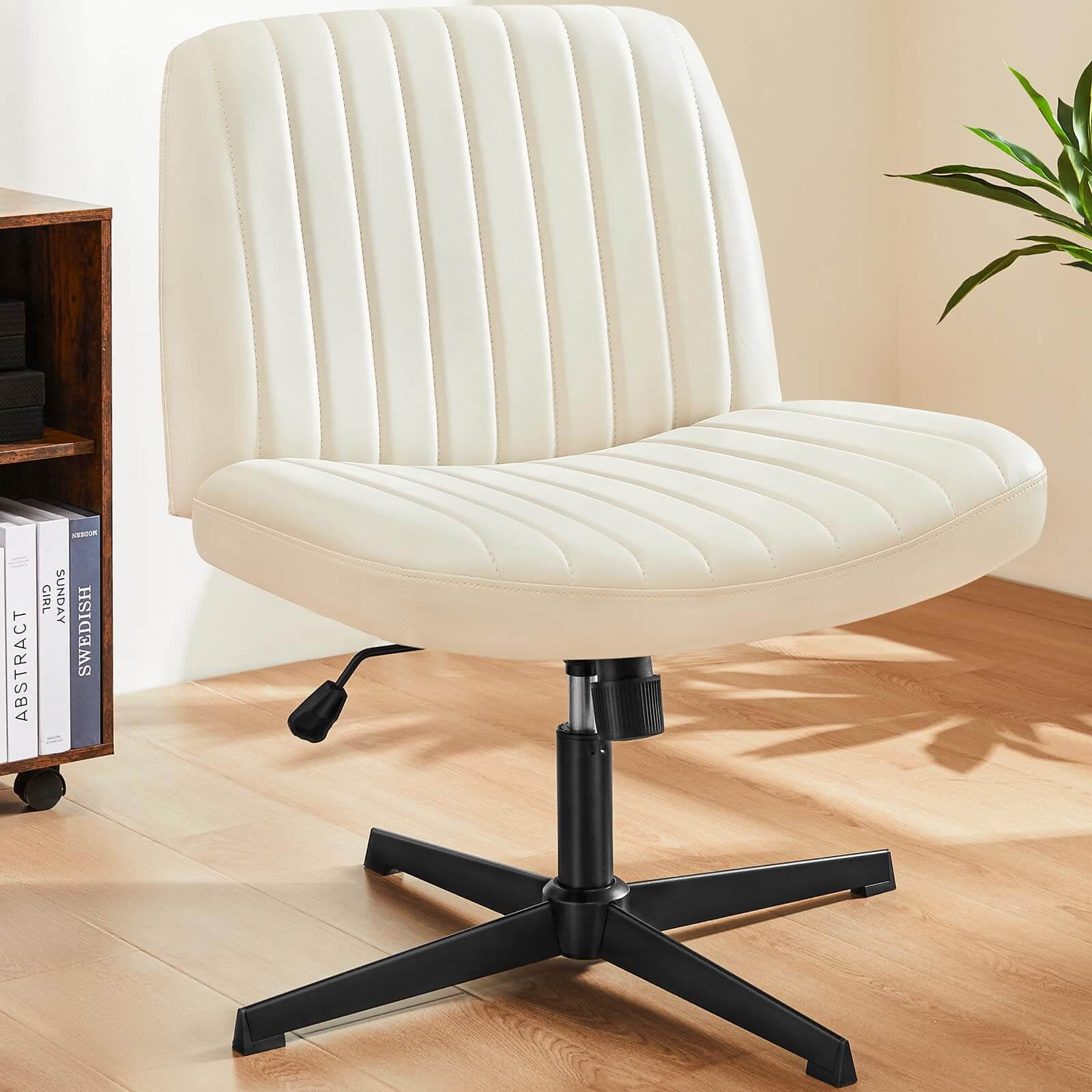
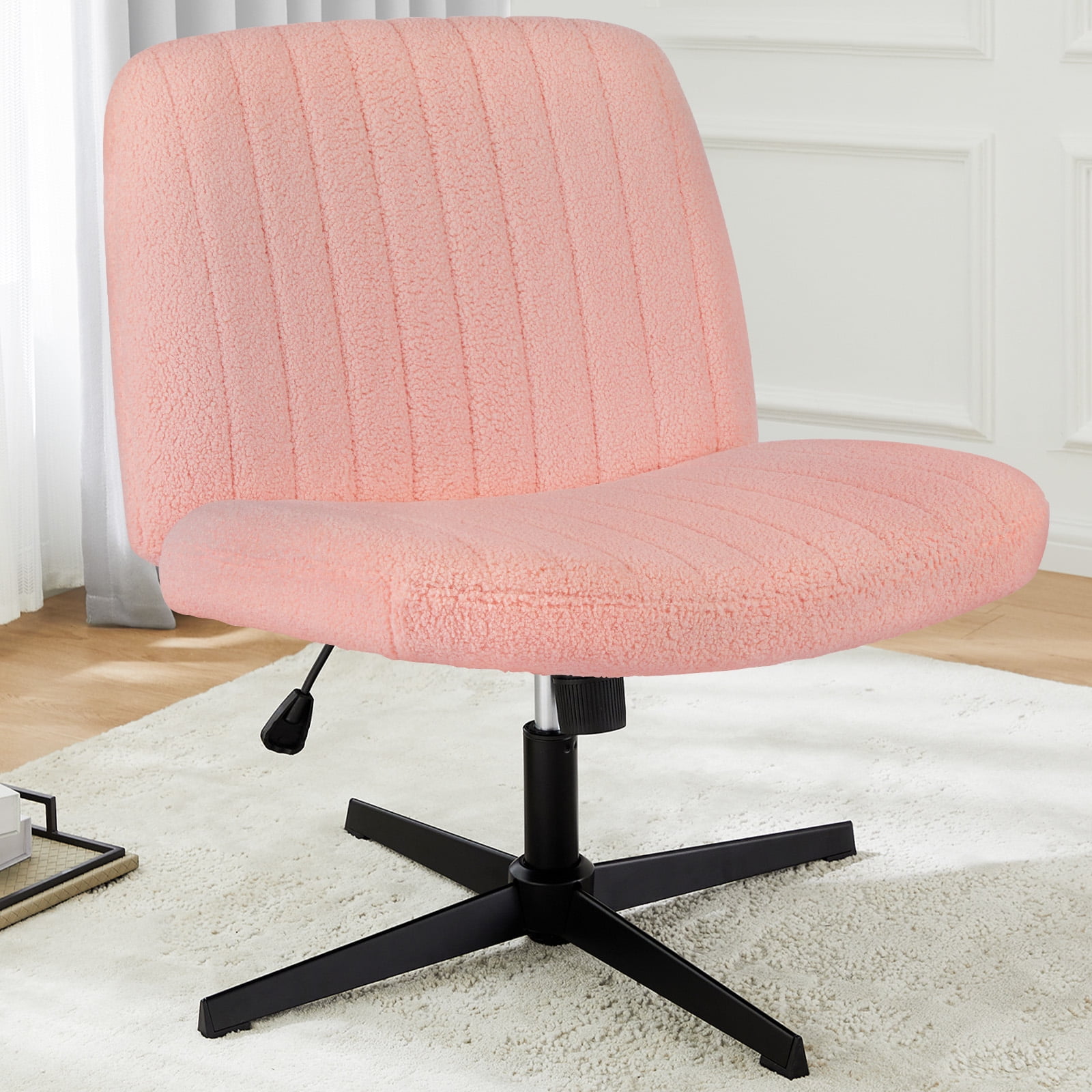
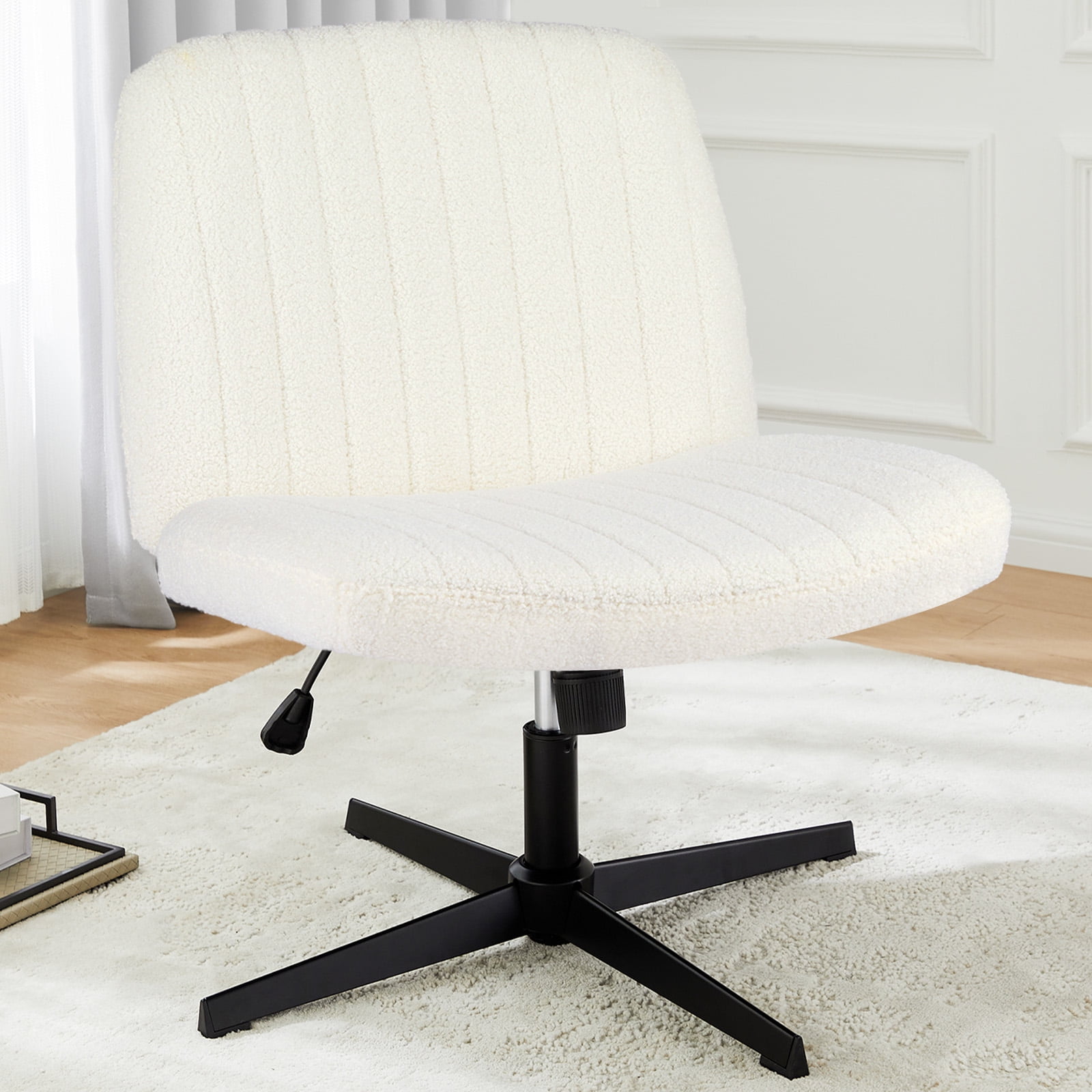
Why Choose a Small Office Chair Without Wheels?
In the modern home office, the classic wheeled office chair isn't always the best solution. For many professionals, a small office chair without wheels offers a superior blend of stability, space-efficiency, and focused design. These stationary chairs, often called desk chairs with glides or fixed base chairs, provide a grounded feeling that can actually enhance concentration and prevent the distraction of unwanted rolling.
Design Insight: A stationary base eliminates lateral movement, which can be a subtle but significant source of distraction. By anchoring you to your desk, these chairs help maintain a consistent ergonomic setup, reducing fidgeting and promoting a more stable posture throughout the workday. They are also the preferred choice for delicate flooring, protecting hardwood and tile from scratches caused by rolling casters.
Key Benefits of a Stationary, Small-Space Office Chair
These specialized chairs are engineered to solve specific problems that rolling chairs can create. Understanding these benefits helps you decide if this is the right seating solution for your workspace:
- Unmatched Floor Protection: Glides or felt pads on the base legs prevent scratches on hardwood, laminate, and tile, unlike casters which can trap debris and cause damage.
- Enhanced Stability & Safety: A fixed base means no unexpected rolling, making it a safer option for uneven floors or for users who prefer a completely anchored position. It's ideal for high-focus tasks like writing or detailed computer work.
- Compact Footprint: Designed for smaller spaces, these chairs often have a smaller overall footprint than their rolling counterparts, making them perfect for compact home offices, apartments, or nooks.
- Clean, Minimalist Aesthetic: Without the visual clutter of a star base with five wheels, stationary chairs often boast a cleaner, more modern or traditional look that complements a variety of home decor styles.
- Reduced Noise: Say goodbye to the constant squeaking and rolling noise of casters on hard floors. A stationary chair operates in near-total silence, contributing to a quieter, more peaceful work environment.
How to Choose the Perfect Stationary Small Office Chair
Selecting the ideal stationary chair requires focusing on features that maximize comfort and support without the mobility of wheels. Use this guide to make an informed decision:
| Feature | Why It Matters for a Stationary Chair | What to Look For |
|---|---|---|
| Base & Glides | The base is your chair's foundation. Glides or felt pads ensure stability and floor protection. | Look for a wide, five-star base made of durable metal or reinforced nylon. Ensure it has felt or rubber glides for smooth movement when you do need to shift. |
| Height Adjustment | Essential for matching your desk height and maintaining ergonomic posture. | A reliable pneumatic gas lift is a must. This allows you to easily raise or lower the seat to ensure your feet are flat on the floor and your thighs are parallel to the ground. |
| Seat Comfort & Depth | Since you won't be rolling away, the seat's comfort is paramount for long periods. | Opt for high-density foam padding with a waterfall edge to relieve pressure on the back of your knees. A seat depth that fits your leg length is crucial—there should be a 2-3 finger gap between the seat edge and your knees. |
| Lumbar Support | Prevents lower back fatigue during extended sitting sessions. | An adjustable lumbar mechanism is ideal, but at minimum, ensure the backrest has a pronounced curve to support the natural "S" shape of your spine. Consider chairs with a height-adjustable backrest. |
| Overall Dimensions | Defines the "small" factor and ensures it fits your space. | Measure your desk clearance. Look for compact chairs with a seat width under 20 inches and a total depth that fits comfortably under your desk when not in use. |
Ergonomic Considerations for Fixed-Base Seating
One might assume that without wheels, a chair is less ergonomic. However, the opposite can be true. The stability of a stationary chair allows you to fine-tune your posture without the chair drifting away. To maximize the ergonomic benefits, pay attention to these aspects:
- Backrest Recline: Look for a chair with a tilt or recline function that locks. This allows you to change your posture throughout the day, reducing the risk of stiffness without needing to roll away from your desk.
- Armrest Adjustability: While often overlooked, adjustable armrests (height, width) are crucial for supporting your shoulders and elbows. They reduce strain on your neck and upper back. Some stationary chairs offer 2D or even 4D armrests.
- Seat Slider: A seat depth adjustment feature allows you to extend or retract the seat pan, ensuring proper support for your thighs regardless of your height. This is a premium ergonomic feature found in higher-quality stationary chairs.
- Breathable Material: Since you're seated in one spot, materials like breathable mesh or high-quality fabric can prevent heat buildup and keep you comfortable for longer periods compared to non-perforated leather.
Space-Saving Design: The "Small" Factor
The term "small" in "small office chair without wheels" is a key selling point. These chairs are designed to fit where larger, wheeled chairs cannot. Here’s how they maximize your space:
Narrow Seat Width
Many models offer seat widths between 17-19 inches, perfect for fitting under compact desks or in tight corners.
Minimalist Base
Without the protruding wheels, the base takes up less floor area, allowing you to push the chair fully under the desk to clear floor space.
Low-Profile Backrest
Some stationary chairs feature mid-back or low-back designs that don't overwhelm a small room, maintaining an open and airy feel.
Versatile Placement
Lightweight and compact, these chairs can be easily moved and used as extra seating for guests, unlike bulky executive chairs.
Small Office Chair Without Wheels vs. Traditional Rolling Chairs
To help you decide, let's compare the two side-by-side. The choice ultimately comes down to your personal workflow, floor type, and space constraints.
Stationary Chairs (No Wheels)
- Stability: Maximum stability, no accidental movement.
- Floor Protection: Excellent for hard floors, uses glides.
- Space Efficiency: Typically smaller footprint.
- Noise: Silent operation.
- Best For: Focus work, hardwood floors, small spaces, minimalist aesthetics.
Rolling Chairs (With Wheels)
- Stability: Less stable, can roll away on smooth floors.
- Floor Protection: Can scratch hard floors unless using specialized casters.
- Space Efficiency: Larger footprint due to base and rolling radius.
- Noise: Casters can be noisy on hard floors.
- Best For: Multi-tasking, large offices, carpeted floors, frequent movement.