
Why a Footrest Chair Transforms Your Home Workspace
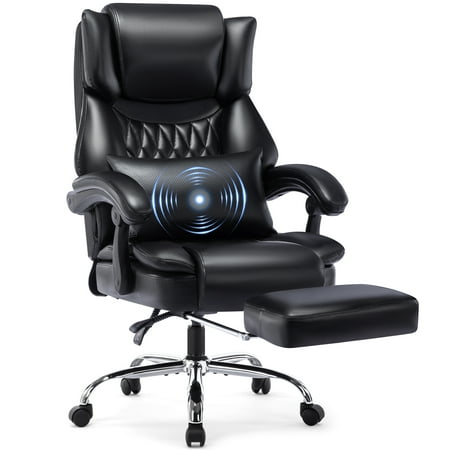
Working from home has become the new normal for millions of professionals, yet many still use inadequate seating that leads to fatigue, poor posture, and decreased productivity. A home office chair with footrest is not just a luxury—it's a functional upgrade that bridges the gap between ergonomic necessity and personal comfort. Unlike traditional desk chairs, models with integrated foot support allow you to shift positions, improve circulation, and even take short, restorative reclines without leaving your workstation.
Ergonomic Insight: Studies from the American Chiropractic Association indicate that elevating feet by 2-4 inches while seated can reduce lower back pressure by up to 35%. A chair with a footrest naturally encourages this healthy posture, making it a smart investment for remote workers who sit 6+ hours daily.
Core Benefits of a Home Office Chair with Footrest
✓ Enhanced Blood Circulation
Prolonged sitting can restrict blood flow to lower extremities. A footrest encourages slight elevation, reducing venous pressure and minimizing the risk of swelling or discomfort.
✓ Dynamic Posture Support
When your feet are properly supported, your pelvis tilts naturally, aligning your spine. This reduces strain on the lumbar region and encourages a more active sitting position.
✓ Micro-Movement Freedom
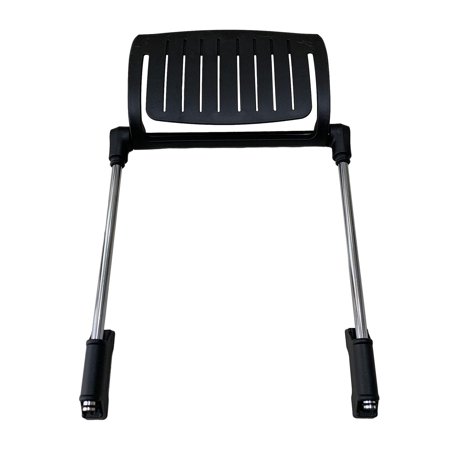
Retractable footrests allow you to subtly change positions throughout the day, preventing stiffness and keeping your muscles engaged without disrupting workflow.
✓ Recline & Relax Capability
Many models pair the footrest with a reclining back, giving you the option to lean back during calls or brainstorming sessions, reducing spinal compression.
Key Features: How to Choose the Right Chair
Not all home office chairs with footrests are created equal. To maximize comfort and durability, focus on these essential elements:
| Feature | Why It Matters | What to Look For |
|---|---|---|
| Footrest Mechanism | Ensures easy operation and stability when extended. | Retractable or flip-out design; smooth extension; lockable positions; non-slip surface. |
| Lumbar Support | Prevents back fatigue during extended sitting. | Adjustable height and depth; memory foam or integrated adjustable cushion. |
| Seat Depth & Width | Accommodates different body types and sitting styles. | Minimum 19-inch depth; waterfall edge to reduce thigh pressure. |
| Recline Tension & Lock | Allows personalized tilt and safe use of footrest. | Multi-angle lock; adjustable tension knob; synchronized tilt mechanism. |
| Material & Breathability | Impacts long-term comfort and maintenance. | High-density mesh for airflow; bonded or genuine leather for easy cleaning; fabric options for softness. |
Ergonomics Meets Style: Modern Designs for Home Offices
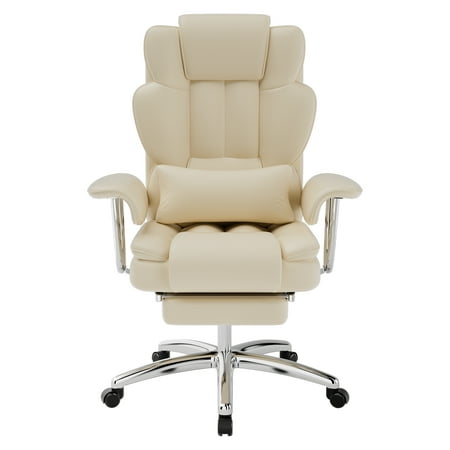
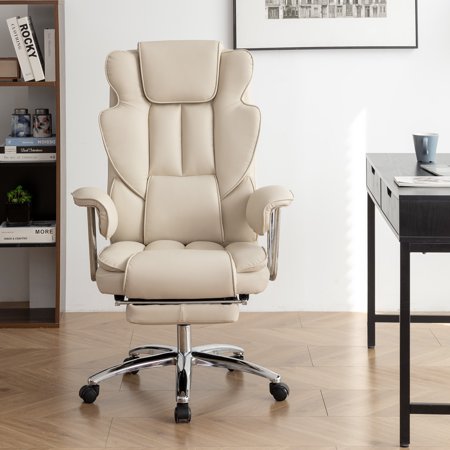
Gone are the days when functional chairs looked industrial. Today’s home office chair with footrest models blend sleek aesthetics with cutting-edge ergonomics. Whether you prefer a minimalist mesh design that keeps you cool during summer months or a plush, leather-upholstered executive style that exudes professionalism, there’s a chair to match your home office decor. Many options also feature:
- 4D Adjustable Armrests: Height, width, pivot, and depth adjustments for personalized arm and shoulder support.
- Headrest Integration: An adjustable headrest paired with a footrest creates a near-zero-gravity experience for short breaks.
- Quiet Casters: Smooth-rolling wheels suitable for hardwood floors or carpets, ensuring mobility without noise.
- Weight Capacity: Look for chairs rated between 275–400 lbs for enhanced stability and durability.
🔹 Who Benefits Most from a Footrest Chair?
Remote workers, freelancers, executives, and anyone experiencing lower back discomfort will find immediate relief. Additionally, individuals with circulatory issues, tall users who need extra leg support, and those who enjoy occasional reclining during calls or reading will appreciate the versatility. It’s also a game-changer for multi-tasking professionals who switch between focused computer work and brainstorming on a tablet or phone.
Step-by-Step Guide: Finding Your Ideal Home Office Chair with Footrest
Step 1: Assess Your Workspace & Habits
- Measure your desk height: Ensure the chair’s maximum seat height allows your elbows to rest at a 90-degree angle.
- Consider usage duration: If you work 8+ hours, prioritize chairs with advanced lumbar and seat foam density.
- Floor type: Hardwood floors require soft polyurethane casters; carpets can handle standard nylon wheels.
Step 2: Test Footrest Usability & Comfort
When shopping, pay attention to how the footrest deploys. Ideally, it should extend smoothly without requiring excessive force. When retracted, it should not interfere with leg movement. If possible, sit in the chair and extend the footrest while slightly reclining—ensure your feet rest comfortably without straining your calves.
Step 3: Prioritize Adjustability Over Fixed Features
A chair with adjustable seat height, armrests, tilt tension, and lumbar support will outlast a model with fixed ergonomics. Home office chairs with footrests that offer multiple adjustment points allow you to fine-tune the fit as your body’s needs change throughout the day.
Step 4: Check Warranty & Build Quality
Look for chairs with at least a 5-year warranty on the frame and moving parts, especially the footrest mechanism. Heavy-duty gas lift cylinders (Class 3 or 4) and reinforced bases ensure longevity.
Material Deep Dive: What Works for You?
Choosing the right upholstery is essential for long-term satisfaction. Here’s a comparison to guide your decision:
Mesh
Breathable, ideal for warm climates. Provides firm but adaptive support. Easy to clean. Great for those who sweat or want consistent airflow.
Fabric
Soft, cozy, and available in many colors. Offers a classic feel but may require more maintenance to prevent stains. Good for cooler environments.
Leather / PU
Elegant and easy to wipe down. PU leather is budget-friendly; genuine leather ages beautifully. Can feel warm in summer; best with air conditioning.
💡 Pro Tip: When using a footrest, ensure that your thighs are parallel to the floor, and your knees form a 90–110 degree angle. The footrest should support the entire foot without pressing into the back of your knees. This optimal alignment reduces hamstring tension and promotes spinal neutrality.
Common Myths About Chairs with Footrests
- Myth: “They are only for lounging.” Fact: Modern designs prioritize work posture; footrests are used for active sitting and occasional relief, not solely reclining.
- Myth: “They take up too much space.” Fact: Most footrests retract neatly under the seat, keeping the footprint compact.
- Myth: “Any footrest works the same.” Fact: Built-in footrests are ergonomically positioned relative to the seat height, offering better alignment than standalone footrests.