
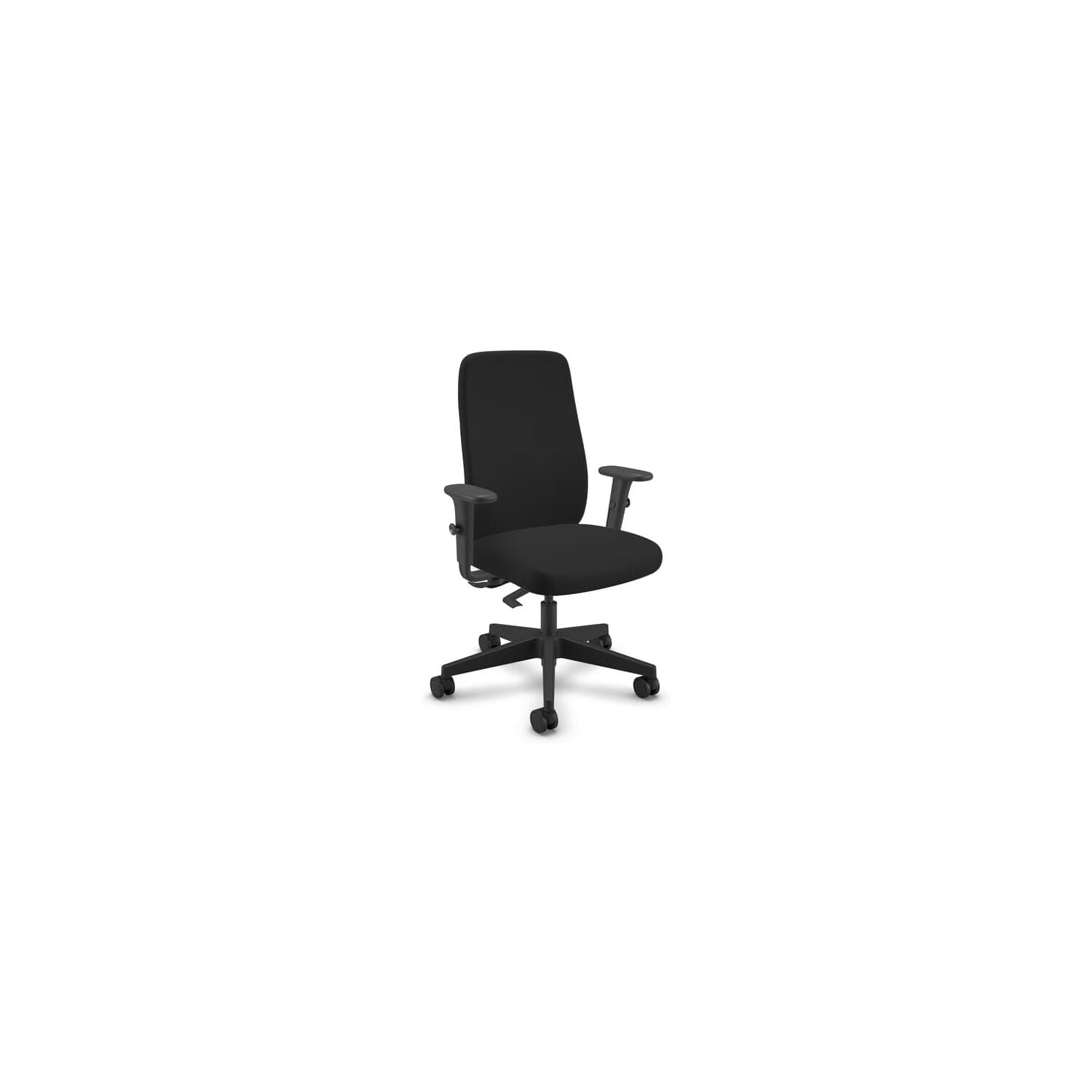
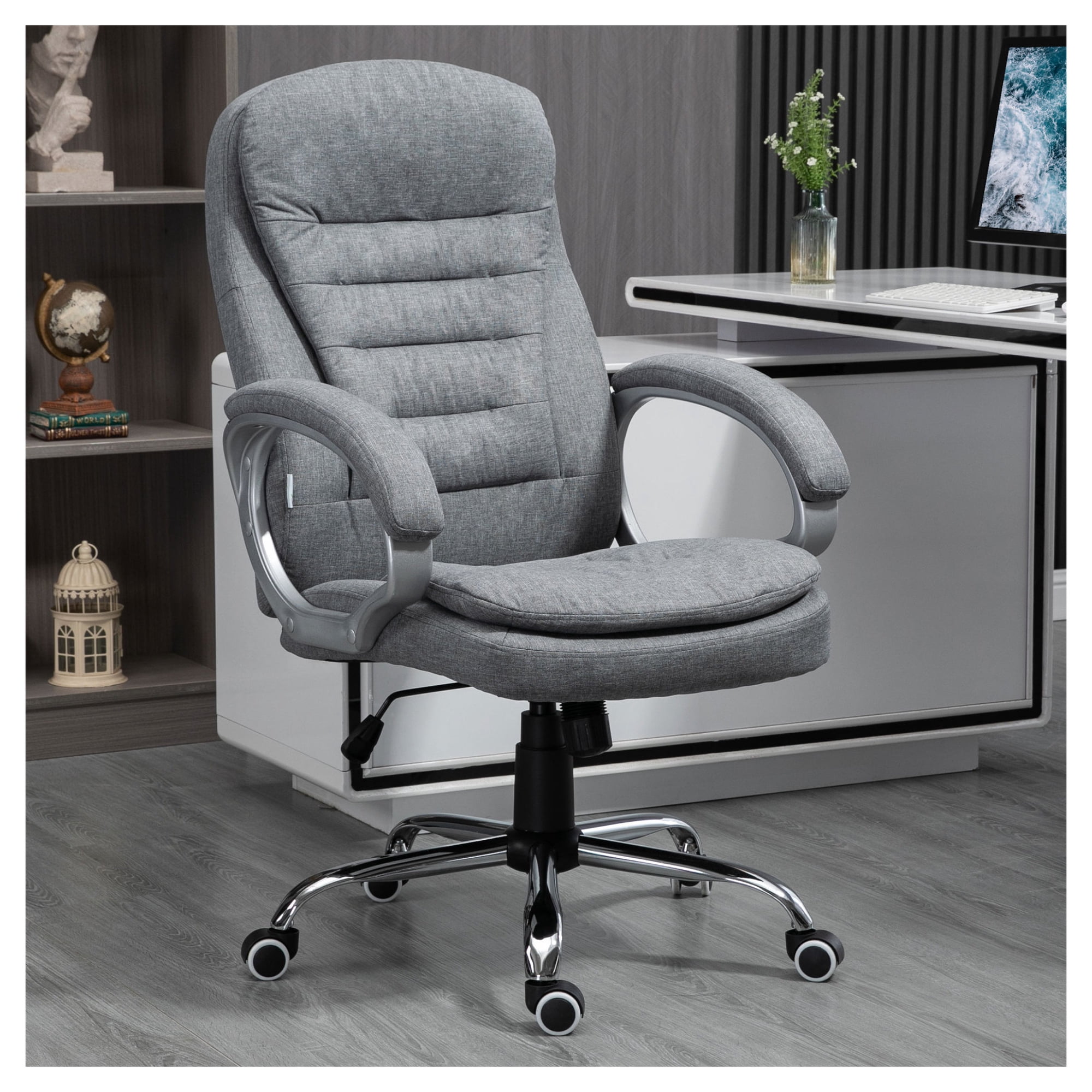
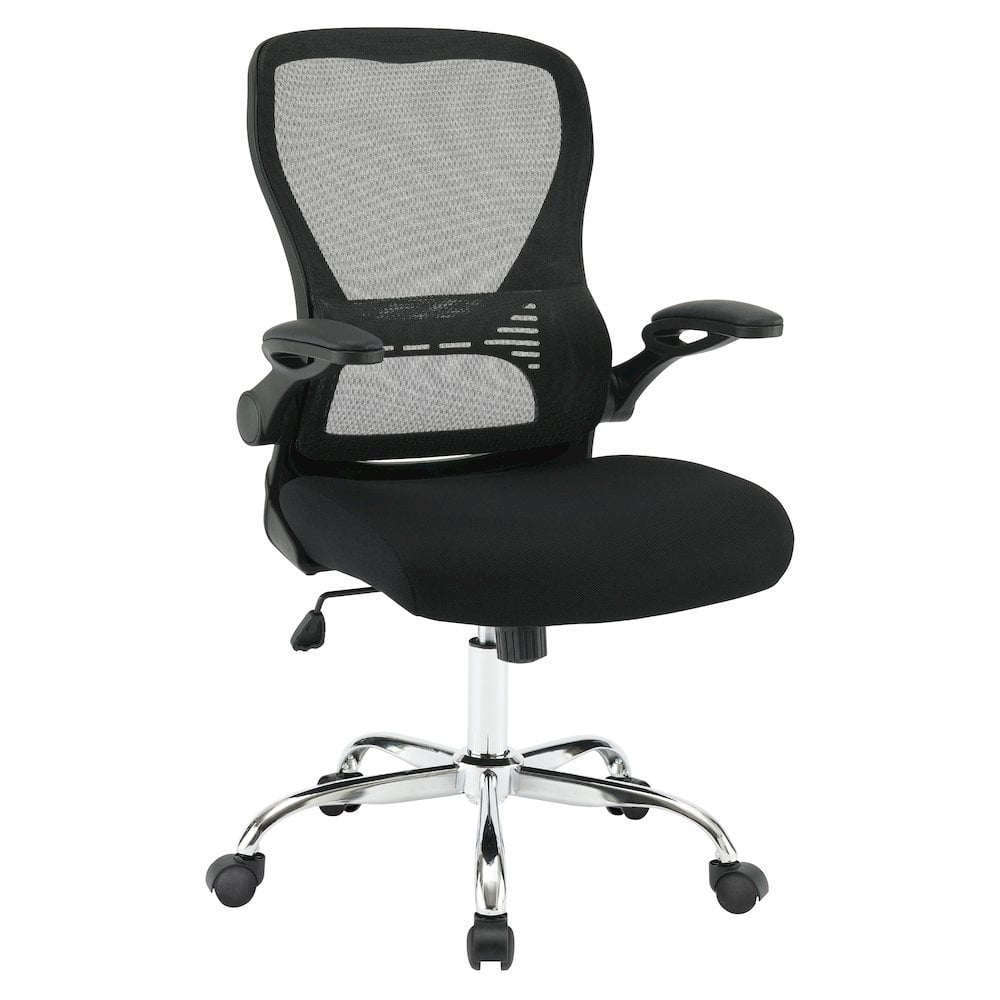
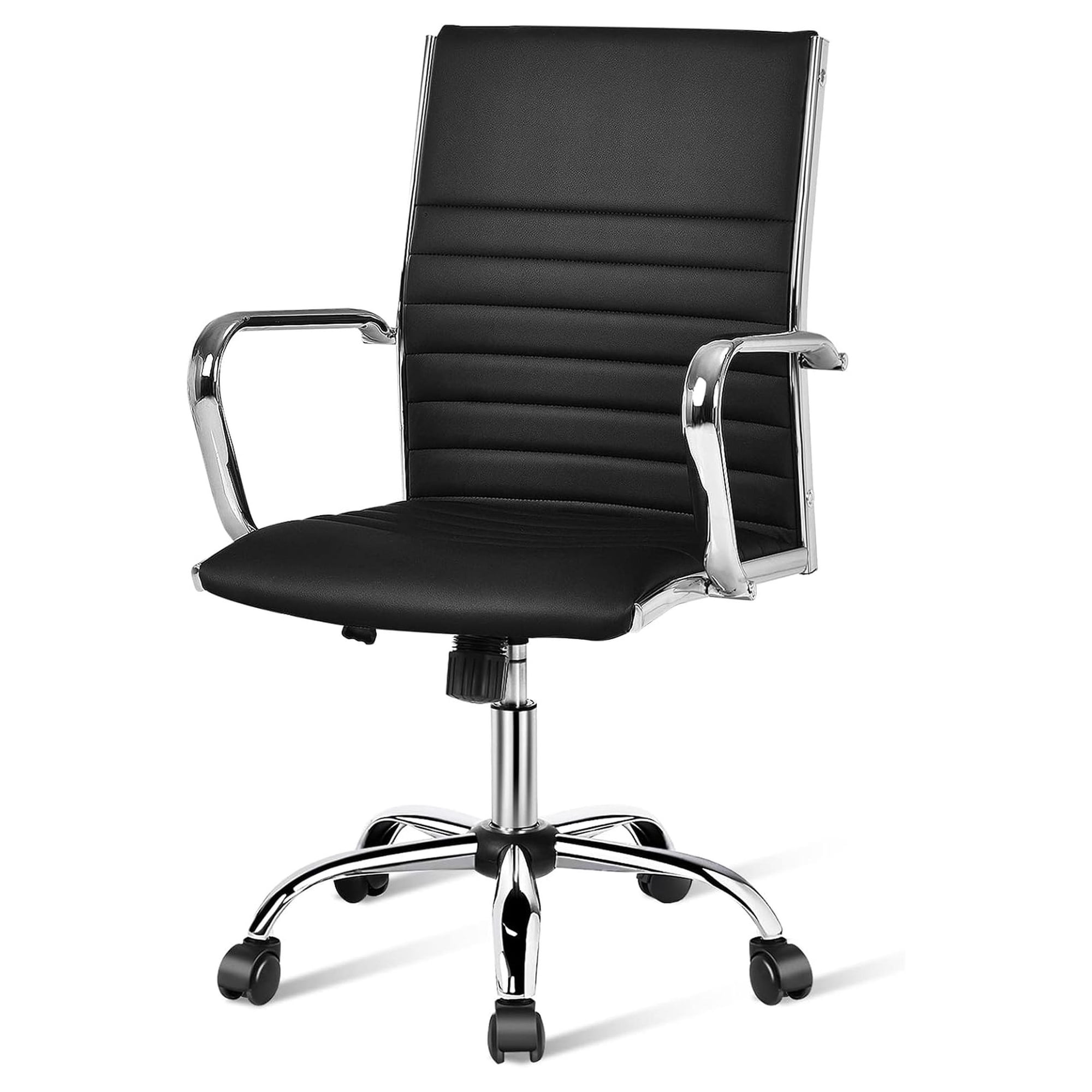
Why a High Back Home Office Chair is a Game-Changer for Remote Work
Transitioning to a home office environment means creating a workspace that balances comfort, style, and ergonomics. Among the most critical investments you can make is a high back home office chair. Unlike standard task chairs that provide minimal mid-back support, high back models are engineered to cradle your entire spine—from the lumbar region up through the shoulders and neck. This design is not merely about luxury; it’s about maintaining proper posture during those marathon work sessions, video conferences, and deep-focus tasks that define the modern workday.
Did You Know? A study published in the Journal of Physical Therapy Science found that using a chair with a high backrest significantly reduces muscle fatigue in the upper trapezius and erector spinae muscles compared to low-back chairs, especially during prolonged sitting periods. For home office workers averaging 7+ hours seated daily, this difference translates to tangible health benefits.
The Anatomy of Ergonomic Support: What Makes a High Back Chair Special
Understanding the key components of a high back chair helps you make an informed choice. Think of your chair as a personalized support system:
1. Extended Backrest
Reaches above the shoulders to support the thoracic spine, reducing the tendency to hunch forward. A proper high back keeps your upper body aligned over your hips, minimizing strain during typing or reading.
2. Integrated or Adjustable Headrest
Many high back chairs include a headrest that supports the cervical spine, preventing forward head posture—a common issue for computer users. This feature is essential for those who frequently lean back during calls or need relief after long hours.
3. Dynamic Lumbar Support
Modern high back chairs offer adjustable lumbar mechanisms that conform to the natural curve of your lower back. Some use air-bladder systems or mechanical tension knobs to customize the pressure, ensuring your lower spine remains in a neutral position.
4. Seat Depth Adjustment
A chair that looks perfect can still cause discomfort if the seat pan is too long or short. High back chairs often come with seat depth sliders, allowing you to maintain a fist-sized gap between the edge of the seat and the back of your knees—a critical detail for circulation.
Choosing Your Ideal High Back Chair: A Step-by-Step Selection Guide
Selecting the right chair goes beyond aesthetics. Follow this structured approach to find a model that fits your body, work style, and home environment.
- Assess Your Body Proportions: Measure your height and torso length. For individuals over 5'10", an extra-tall backrest (over 30 inches) or a chair with an adjustable headrest is non-negotiable. Also consider your weight—check the manufacturer's weight capacity, aiming for a minimum of 275 lbs for robust construction.
- Identify Your Primary Work Activities: Are you primarily on video calls? Then prioritize a chair with a high, padded back that looks professional and offers neck support. If you alternate between sitting and standing, look for a high back model with a high-quality gas lift that allows frequent height adjustments without failure.
- Match Material to Your Climate: For those in warmer regions or without air conditioning, breathable mesh high back chairs are ideal—they promote airflow and prevent heat buildup. In cooler climates, or if you prefer a plush feel, fabric or leather high back chairs provide warmth and a luxurious texture.
- Test Adjustability Features: A static high back chair won't provide long-term comfort. Ensure the chair has at least: seat height adjustment, tilt tension control, lockable recline positions, and 3D or 4D armrests. These allow you to fine-tune the chair to your unique posture throughout the day.
Material Deep Dive: Finding the Right Fit for Your Home Aesthetic
The material of your high back home office chair influences durability, maintenance, and style. Here's a closer look at the most popular options:
| Material | Best For | Durability | Comfort Notes | Maintenance |
|---|---|---|---|---|
| Premium Mesh | Hot climates, modern home offices, all-day breathability | High (7-10 years) if quality frame and mesh are used | Adapts to body shape, never gets too hot | Wipe with damp cloth; vacuum dust from mesh |
| Genuine Leather | Executive home offices, classic style, easy cleaning | Very High (10-15 years with conditioning) | Soft, luxurious feel; conforms over time | Regular conditioning, avoid direct sunlight |
| High-Quality Fabric | Cozy home offices, color variety, budget-friendly luxury | Moderate-High (5-8 years) | Soft, warm, and quiet operation | Spot clean; professional cleaning for deep stains |
| PU/Faux Leather | Budget-conscious shoppers, easy maintenance | Moderate (3-5 years) | Can feel sticky in heat; affordable alternative | Wipe with damp cloth; avoid sharp objects |
Health Benefits: Beyond Just Comfort
Investing in a high quality high back home office chair pays dividends in your physical well-being. Here are three concrete health advantages backed by ergonomic science:
- Spinal Alignment Preservation: The continuous support from the lumbar region to the upper back maintains the natural S-curve of your spine, preventing the gradual development of postural imbalances like kyphosis (rounded upper back).
- Reduced Risk of Tension Headaches: By supporting the neck and upper trapezius muscles, a high back chair with a headrest reduces tension that often radiates upward, causing cervicogenic headaches common among remote workers.
- Enhanced Circulation and Energy Levels: Proper ergonomic support prevents the body from compensating with poor posture, which can restrict blood flow. Better circulation means sustained energy levels and reduced afternoon fatigue.
Design Harmony: Integrating a High Back Chair into Your Home Decor
A high back chair naturally becomes a focal point. To ensure it complements your space rather than overwhelming it:
- Neutral Tones: Opt for charcoal, taupe, or off-white chairs that blend seamlessly with most home color schemes.
- Mixed Materials: Chairs with a combination of mesh backs and fabric seats offer visual texture while maintaining ergonomic benefits.
- Space Planning: Measure your room and ensure the chair's height doesn't visually block windows or important wall art. A high back with a sleek profile can actually make a room feel more defined and purposeful.