
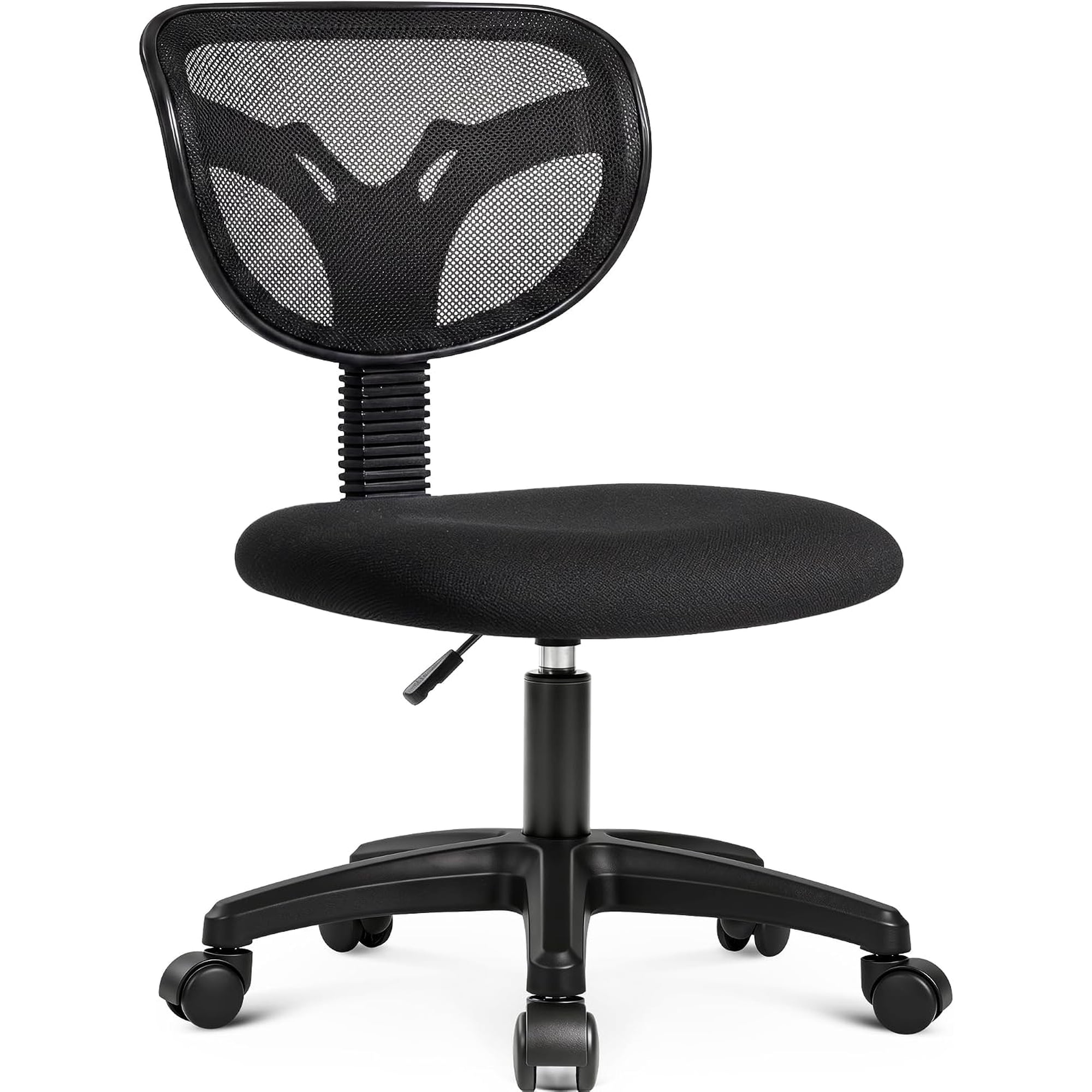
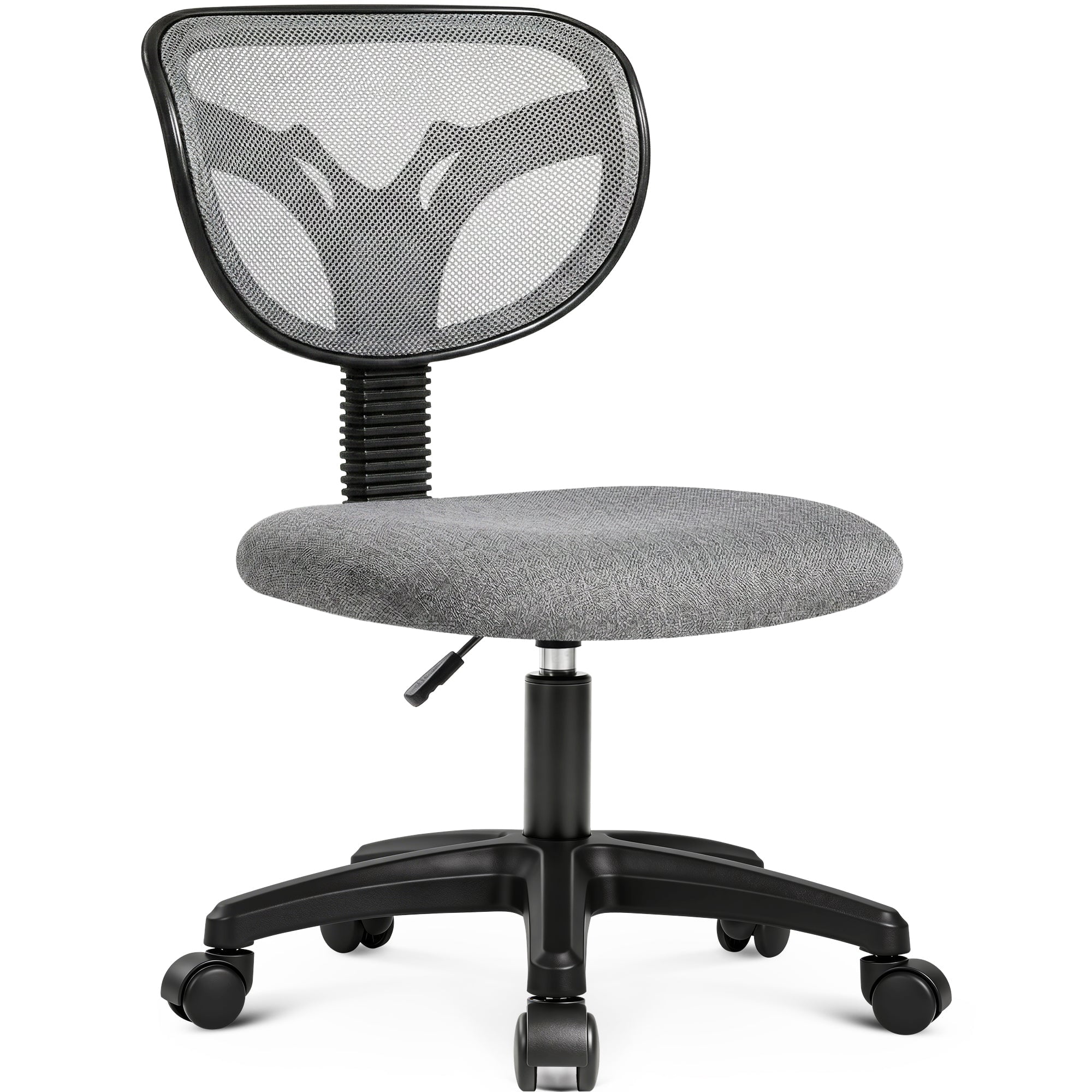
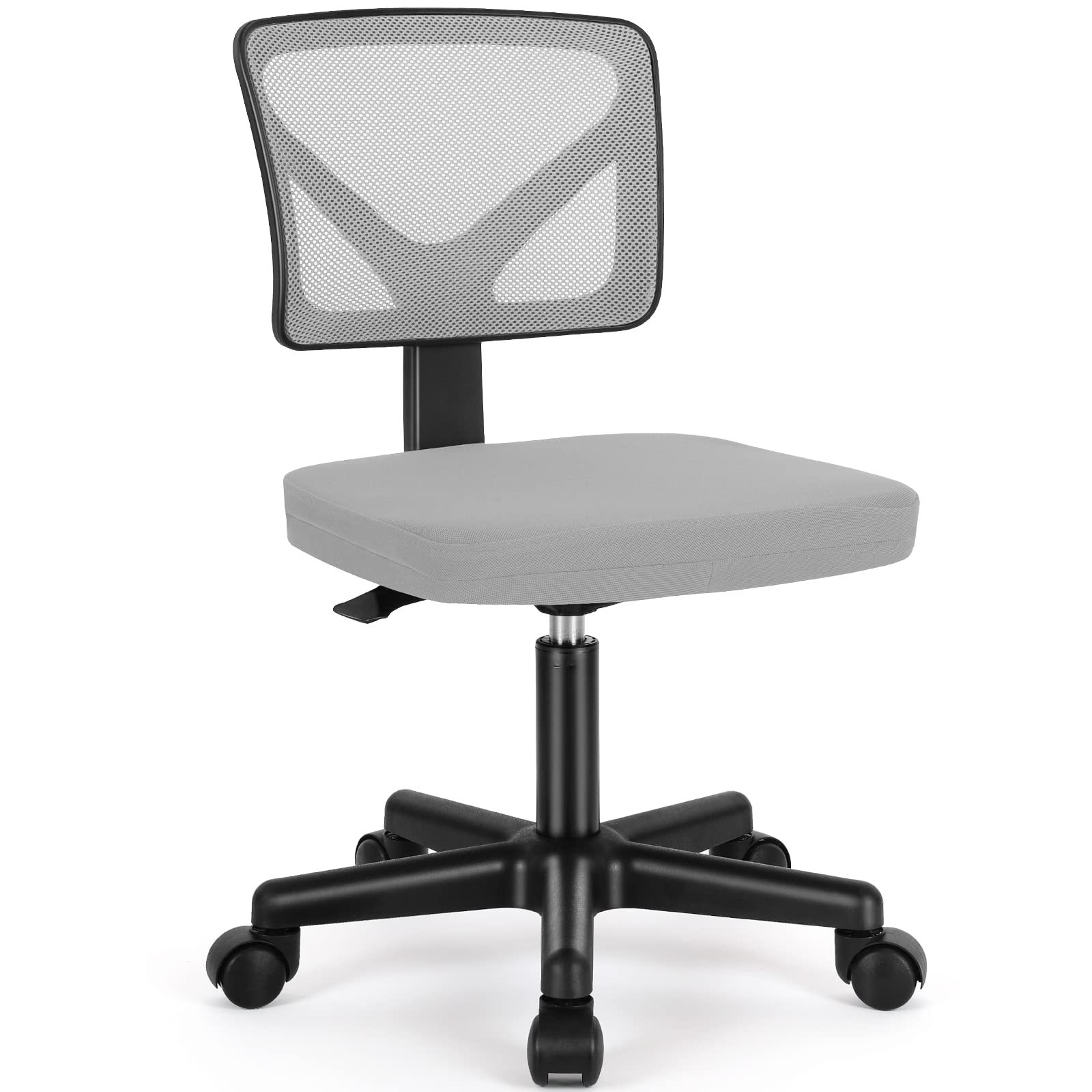
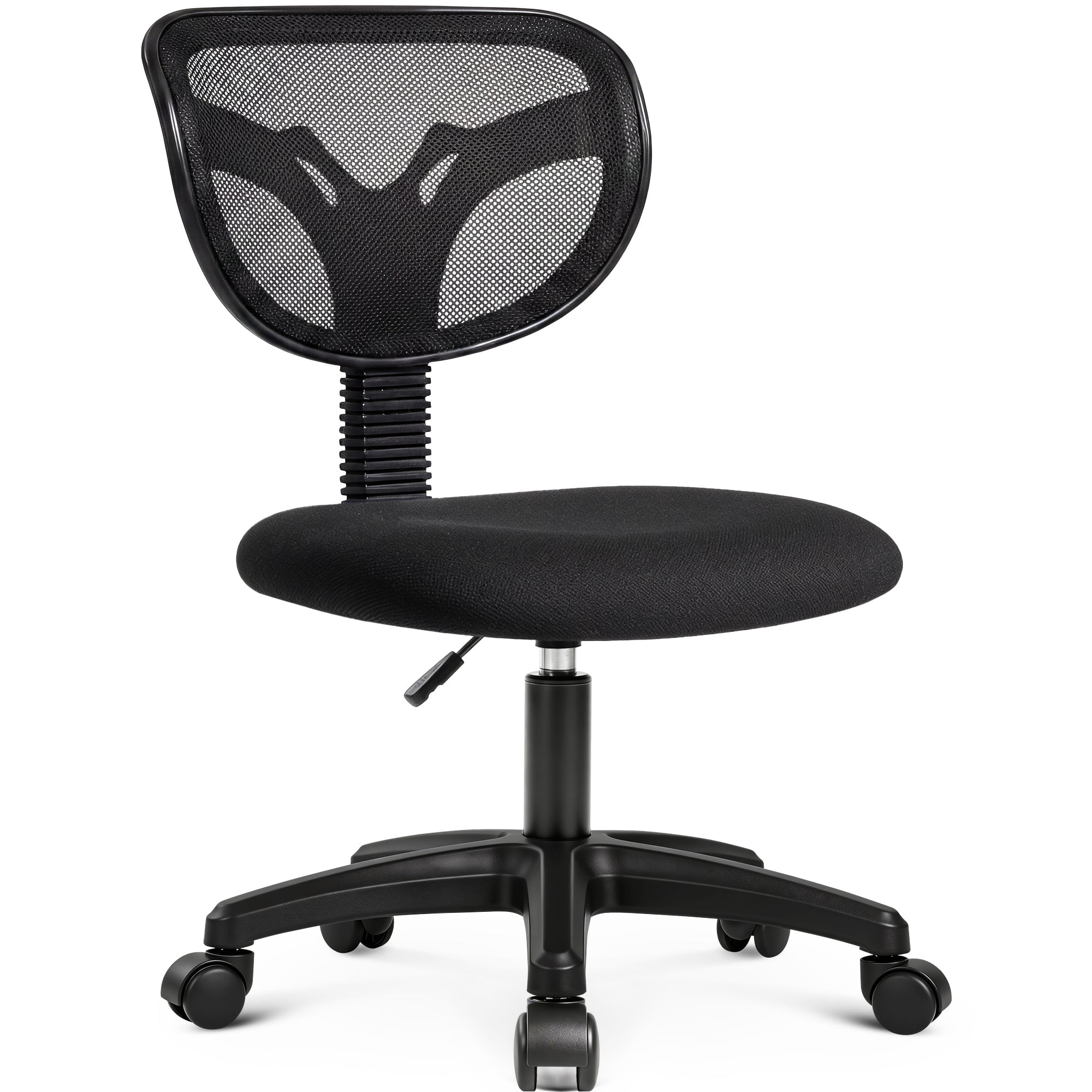
Why a Small Mesh Office Chair is a Game-Changer for Your Workspace
In today's dynamic work environment, space is often a luxury. Whether you're setting up a home office in a spare bedroom, furnishing a studio apartment, or simply want a cleaner, more open desk area, the size of your chair matters. A small mesh office chair is engineered to deliver full ergonomic support within a compact footprint, ensuring that your comfort doesn't come at the expense of valuable floor space.
Ergonomic Insight: According to a 2023 workspace efficiency study, 68% of remote workers report that optimizing their immediate desk area—including chair size—directly improves focus and reduces physical fatigue. A small mesh chair helps achieve this balance by providing targeted support without overwhelming your room.
Key Advantages of Choosing a Compact Mesh Chair
These specialized chairs offer distinct benefits that make them ideal for modern professionals:
- Space-Efficient Design: With narrower seat widths (17-19 inches) and compact bases, these chairs fit easily into tight corners and slide under desks, reclaiming precious floor space.
- Superior Breathability: The mesh back material allows constant airflow, keeping you cool and comfortable even during extended work sessions—essential for warmer climates or stuffy home offices.
- Lightweight & Mobile: Small mesh chairs are generally lighter than their full-sized counterparts, making them easy to move around for cleaning or rearranging your workspace.
- Aesthetically Streamlined: Their minimalist profile complements modern and Scandinavian decor styles, contributing to a clean, uncluttered visual environment.
- Targeted Ergonomic Support: Despite their smaller size, quality models include adjustable lumbar support, seat height, and tilt tension to maintain proper posture.
Who Benefits Most from a Small Mesh Office Chair?
Home Office Workers
If your workspace shares a room with other functions (like a bedroom or living area), a compact chair helps maintain a sense of openness. Its smaller footprint means you can tuck it away when not in use, keeping your home looking like a home.
Students & Dwellings
Dorm rooms and studio apartments demand furniture that does more with less. A small mesh chair provides the ergonomic support needed for long study sessions without monopolizing the limited square footage.
Petite Individuals
Many standard office chairs are designed for average to tall individuals. A small mesh chair often offers a better fit for shorter users, with seat depths and back heights that align more naturally with their body proportions.
Minimalist & Style-Conscious Professionals
For those who value clean lines and an uncluttered aesthetic, the sleek, unobtrusive design of a small mesh chair is a perfect match. It provides function without visual bulk.
Critical Features to Evaluate Before Buying
When selecting a small mesh office chair, don't let the compact size fool you—it still needs to perform. Focus on these specifications to ensure you get a chair that meets your needs:
| Feature | Why It Matters | What to Look For |
|---|---|---|
| Seat Dimensions | Ensures the chair fits your body and space without being too snug or unsupportive. | Seat width: 17-19 inches; Seat depth: 15-17 inches (adjustable depth is a bonus). |
| Lumbar Support Adjustability | Essential for maintaining natural spinal curve, especially in a smaller chair where support must be precise. | Height-adjustable or integrated dynamic lumbar mechanism that moves with you. |
| Armrest Style | Armrests can add width; for tight spaces, consider flip-up or armless options for easier storage. | Height-adjustable arms, 3D/4D for customization, or fold-away arms for maximum flexibility. |
| Base & Casters | Stability and mobility are crucial, even with a smaller base. | Five-point base with a diameter under 24 inches; dual-wheel casters for smooth movement on hardwood or carpet. |
| Weight Capacity & Build | Indicates overall durability and safety, especially for daily use. | Minimum 250 lbs; steel or reinforced nylon frame for longevity. |
Health Benefits of Proper Seating in Compact Workstations
Investing in a well-designed small mesh office chair isn't just about saving space—it's about safeguarding your physical well-being. Here's how the right compact chair contributes to better health:
Posture Alignment
A chair that fits your frame prevents slouching and encourages the natural 'S' curve of your spine, reducing strain on your back and neck.
Reduced Pressure Points
The waterfall edge on a well-designed mesh seat helps prevent circulation issues in your legs by relieving pressure behind the knees.
Temperature Regulation
Mesh backing allows heat to dissipate, preventing the discomfort and perspiration associated with foam or leather chairs.
Enhanced Focus & Productivity
A comfortable, well-fitted chair reduces the mental load of physical discomfort, allowing you to concentrate on your tasks for longer periods.
Maximizing Your Small Workspace: Tips & Strategies
Choosing a small mesh office chair is the first step. To truly optimize your compact work area, consider these complementary strategies:
Before purchasing, measure the height under your desk. A chair with adjustable armrests that can be lowered below the desk surface allows you to push the chair fully in when not in use, instantly creating more floor space.
For the ultimate in flexibility, look for a small mesh office chair with flip-up or removable armrests. This feature allows you to convert the chair into a space-saving armless option in seconds, ideal for narrow hallways or when you need to use the chair for guest seating.
A small chair works best with a proportionally sized desk. Consider a wall-mounted drop-leaf desk or a corner desk to maximize the efficiency of your layout, ensuring the chair's mobility is never restricted.
When your chair occupies less floor space, you can leverage that freed-up area for better traffic flow. Use wall-mounted shelves or vertical filing systems to keep your workspace organized without adding clutter.
Understanding Mesh Technology: Why It's Perfect for Compact Chairs
The mesh material in small office chairs isn't just about aesthetics—it's a functional choice that enhances both comfort and durability. Modern mesh fabrics are engineered for resilience, breathability, and targeted support.
Types of Mesh Used in Office Chairs
- Elastic Polymer Mesh: The most common type, offering a good balance of flexibility and support. It conforms to the shape of your back while providing consistent tension.
- Textile Mesh (Fabric Blend): Often softer to the touch, this type provides a slightly warmer feel while still maintaining breathability.
- 3D & 4D Mesh: Advanced multi-layer mesh that provides zones of varying tension—firmer in the lumbar area, softer in the shoulder blades—for ergonomic optimization.
Durability & Maintenance
A common concern about mesh chairs is longevity. High-quality mesh used in reputable small office chairs is tested for thousands of flex cycles and resists sagging over time. To extend its life:
- Vacuum regularly with a soft brush attachment to remove dust particles from the mesh weave.
- Avoid placing sharp objects near the backrest that could puncture the material.
- Clean spills immediately by blotting with a damp cloth; do not scrub, as this can stretch the mesh fibers.
With proper care, a quality mesh chair will maintain its supportive properties for 7-10 years, making it a sound long-term investment for your workspace.
Frequently Asked Questions About Small Mesh Office Chairs
Conclusion: Finding Your Perfect Small Mesh Office Chair
Selecting the right small mesh office chair is a strategic choice that blends ergonomics, aesthetics, and spatial efficiency. It's a decision that respects the limitations of your workspace while prioritizing your physical health and productivity. By focusing on key features like seat dimensions, adjustable lumbar support, and armrest flexibility, you can find a chair that feels custom-made for your body and your environment.
Final Selection Summary
Prioritize a model with flip-up armrests and a breathable mesh back to maximize flexibility and comfort. A seat depth adjustment feature will ensure your thighs are properly supported during long workdays.
Look for a chair with a compact base (under 24 inches) and a weight under 30 pounds. This makes it easy to move the chair out of the way or between rooms as your needs change.
Seek out chairs with a minimalist frame and subtle colorways like charcoal, white, or light gray. A streamlined silhouette will complement modern decor while delivering the ergonomic support you need.
Top Recommendations by User Profile
| User Profile | Key Features to Prioritize | Ideal Use Case |
|---|---|---|
| Remote Worker (6-8 hrs/day) | Adjustable lumbar support, seat depth adjustment, 4D armrests | Primary home office setup with limited floor space |
| Student (Flexible Schedule) | Lightweight frame, flip-up arms, easy-roll casters | Dorm room or shared study area |
| Freelancer (Short Sessions) | Quick height adjustment, breathable mesh, stackable or foldable design | Multi-purpose room where chair needs to be stored away |
| Executive with Compact Office | Premium mesh with polished aluminum base, high weight capacity, stylish finish | Corner office or boutique workspace |
Remember, the best small mesh office chair is one you won't notice—because it fits you and your space so well that it disappears into the background, allowing you to focus entirely on your work.