
Why Your Workspace Needs a High Stool Office Chair
The shift toward active workstations—standing desks, high tables, collaborative counters—has made the high stool office chair an essential tool. Unlike standard task chairs, these elevated seats allow you to maintain ergonomic posture while your desk stands tall. Imagine a chair that bridges the gap between a traditional office chair and a bar stool: that’s exactly what a quality drafting chair does.
Ergonomics at height: According to the Cornell University Ergonomics Web, working at a counter-height surface (40–42 inches) with a properly adjusted high stool reduces spinal disc pressure by up to 30% compared to slouching in a low chair. The key is a chair that adapts to you, not the other way around.
Who Benefits Most from a High Stool Chair?
- Standing desk users – easily transition between sit and stand without changing chairs.
- Designers & architects – drafting tables are naturally taller; a stool with casters lets you glide along the table.
- Lab technicians & artists – workbenches and easels require elevated seating with mobility.
- Collaborative offices – high tables in break areas or meeting pods become functional workstations with supportive stools.
- Home chefs – kitchen islands become comfortable work prep zones with the right counter stool.
Anatomy of a Great High Stool Office Chair
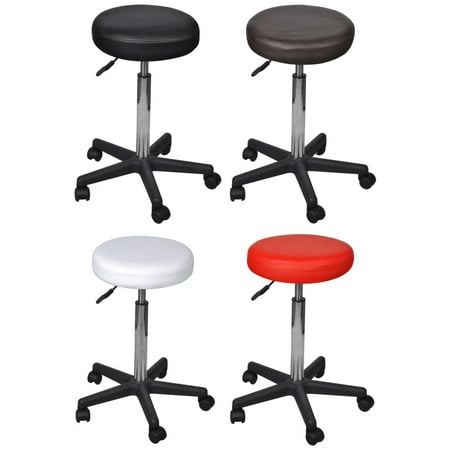
A poorly designed stool leaves you perching like a bird on a wire. A premium high stool office chair is engineered with specific components that make long hours sustainable. Let’s break them down.
| Component | Why It Matters | What to Look For |
|---|---|---|
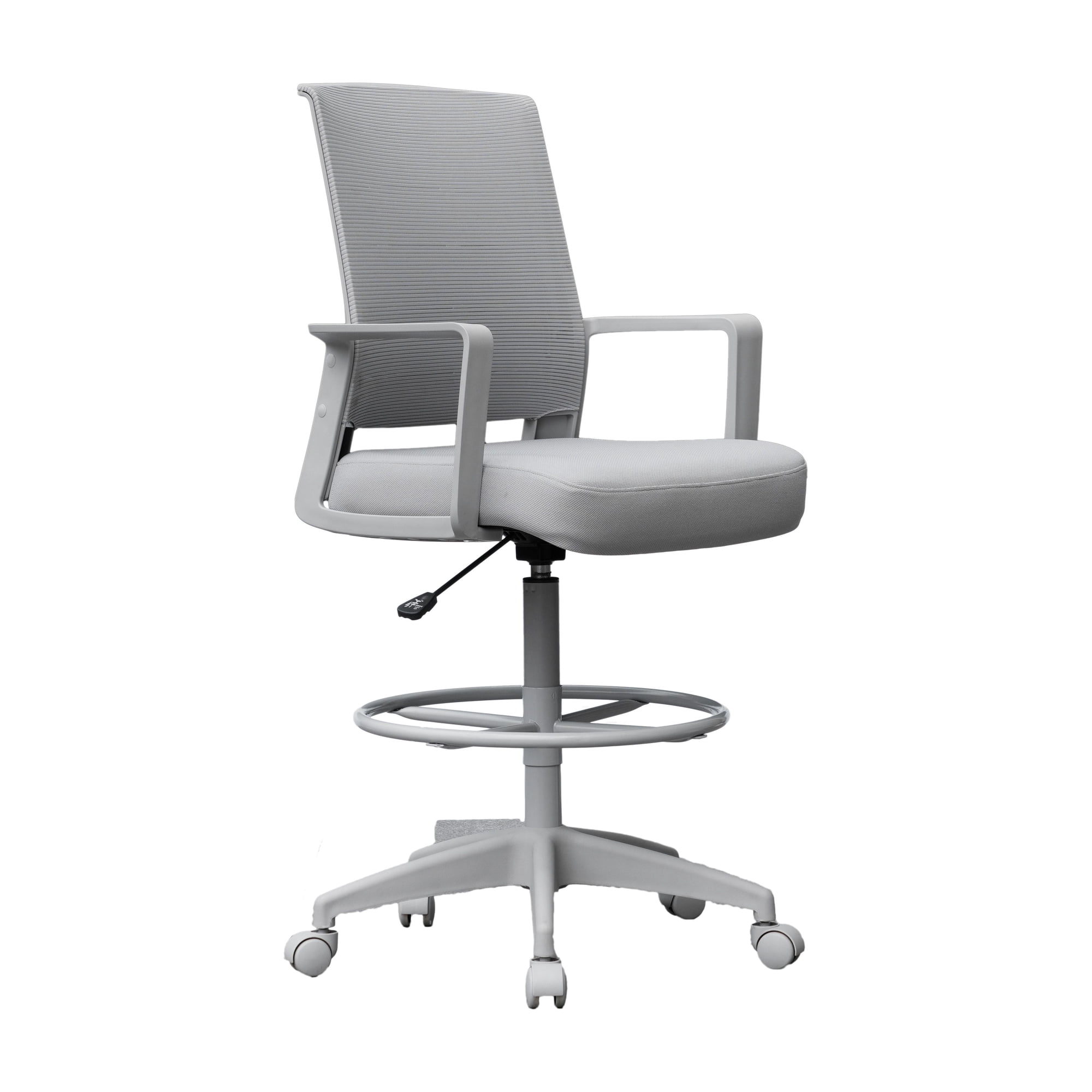
| Pneumatic gas lift | Raises seat to counter height (usually 24"–32"). | Class 3 or 4 gas lift; minimum height range 8"–10" of adjustment. |
| Foot ring | Supports feet when they can’t reach floor; prevents leg fatigue. | Height‑adjustable ring, preferably with non‑slip texture. |
| Backrest & lumbar | Promotes natural spine curve; many stools skimp here. | Adjustable back height or built-in lumbar support; at least 10" of backrest height. |
| Base & casters | Stability at height is crucial; wide base prevents tipping. | 5‑point base (steel or heavy nylon), locking casters optional for safety. |
| Seat cushion | High-density foam prevents bottoming out after 4 hours. | 2.5"–3" thick foam, preferably with waterfall front. |
High Stool vs. Drafting Chair vs. Counter Stool – What’s the Difference?
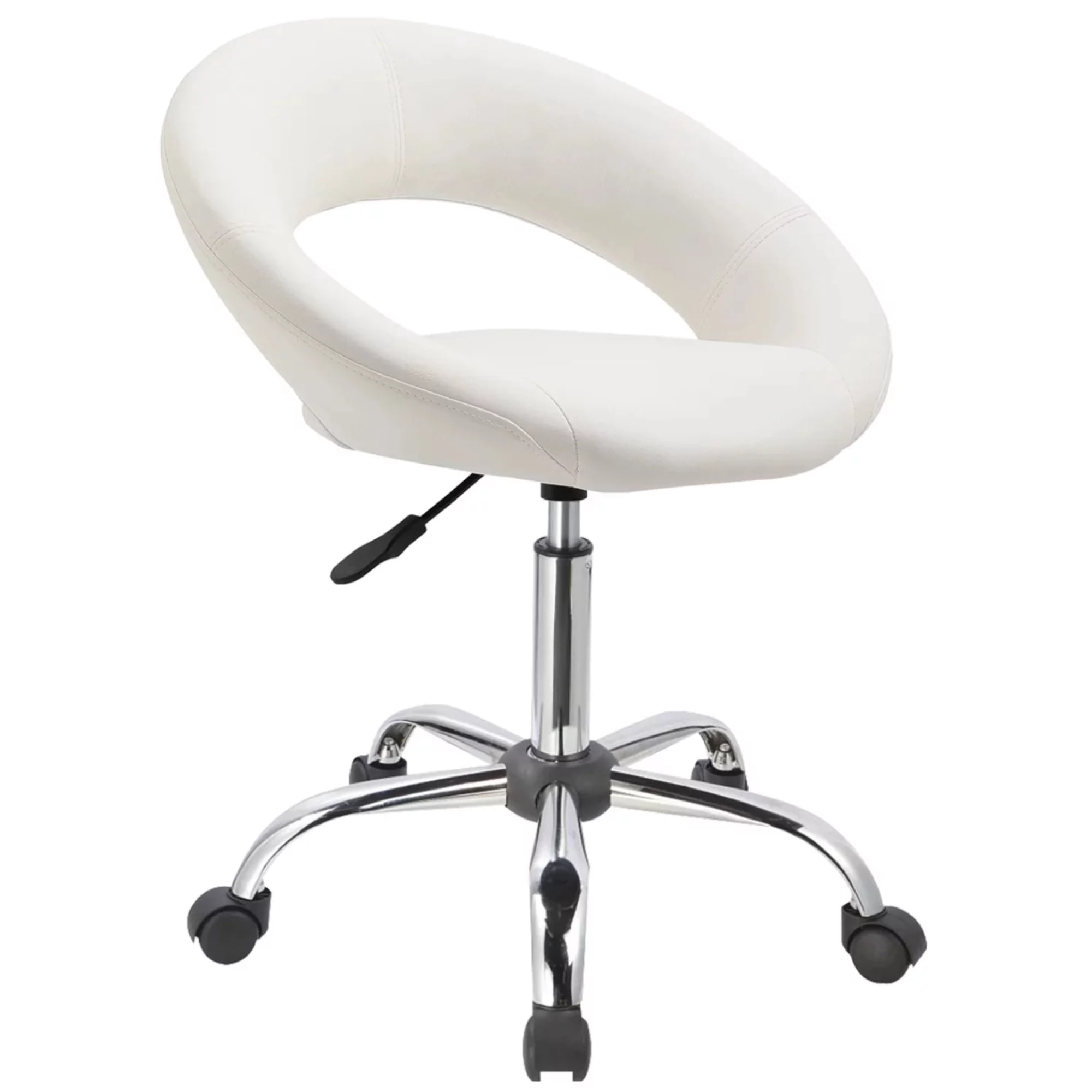
Retailers use these terms almost interchangeably, but there are subtle differences. A drafting chair typically has a full backrest and sometimes armrests, designed for technical work. A counter stool is often backless or has a low back, meant for casual seating. A high stool office chair usually refers to a professional-grade seat with ergonomic features, wheels, and adjustments suitable for a full workday. For this guide, we focus on the latter—chairs that support productivity, not just quick perching.
Key Ergonomics: The Foot Ring Paradox
Many first‑time buyers underestimate the importance of the foot ring. Picture this: you’re sitting on a tall stool, feet dangling. Within minutes, your thighs compress, circulation drops, and you start slouching to relieve pressure. A well‑placed, adjustable foot ring solves this. It should be wide enough to shift foot position and ideally coated for grip. Some premium models even offer a ring that tilts slightly for comfort.
Better circulation
Feet rest naturally, preventing numbness after long sessions.
Reduced lower back strain
Supported feet keep the pelvis neutral.
Easy ingress/egress
Ring helps you push back and stand gracefully.
Versatility
Some rings let you rest feet at different heights.
Material & Upholstery Choices for High Stool Chairs
Since you’re elevated, the chair’s materials affect both comfort and durability. Here’s a quick material matrix tailored to tall seating.
| Material | Pros | Cons | Best for |
|---|---|---|---|
| Mesh back + fabric seat | Breathable, modern, good airflow | Mesh can stretch over time | Warm climates, all‑day seating |
| Faux leather / PU | Easy to wipe clean, looks sleek | Can get sticky in heat, may peel | Design studios, quick‑clean areas |
| Fabric (woven) | Warm, cozy, many color options | Stains easier, may absorb odors | Home offices, creative spaces |
| Wood + leather | Stylish, sturdy, classic look | Often lacks ergonomic adjustments | Executive counter areas, reception |
How to Choose the Right High Stool Office Chair (Step‑by‑Step)
Step 1: Measure Your Desk Height
Use a tape measure: standard desk is 29–30", standing desk ranges 36–42". For a 40" counter, you need a stool with seat height max around 30" (allow 10–12" gap between seat and underside of desk).
Step 2: Decide on Mobility
If you glide between workstations, choose dual-wheel casters. For stationary use, consider a base with locking casters or glides. Some high stools also have a foot ring that doubles as a stability bar.
Step 3: Lumbar or No Lumbar?
For 4+ hours of sitting, lumbar support is non‑negotiable. Look for chairs with a backrest that has height adjustment or a built-in curve. Some stools have a small back pad – that’s enough only for short breaks.
Step 4: Test the Foot Ring Adjustability
The ring should move up/down independently. Sit on the chair: your thighs should be roughly parallel to floor, feet flat on ring. If the ring is fixed, it may hit your calves at the wrong spot.
Real‑World Data: Why Height‑Adjustable Stools Improve Productivity
A study from the Journal of Occupational Health Psychology (2021) found that workers using an ergonomic high stool office chair with a standing desk reported 18% higher focus and 27% less lower back discomfort compared to those using a fixed stool. The ability to perch at different heights throughout the day encourages micro‑movements, which boost circulation and energy.
Common Mistakes When Buying a High Stool Chair
- Ignoring weight capacity – tall chairs experience more leverage; a base rated for 250 lbs may wobble under 220 if construction is cheap. Always check the manufacturer’s test standard (BIFMA recommended).
- Choosing a foot ring that’s too small – a 16" diameter ring gives room to shift feet; smaller rings feel restrictive.
- Forgetting about armrests – arms on a high stool can be a blessing (elbow support) or a curse (can’t slide under desk). Opt for height‑adjustable or flip‑up armrests.
- Assuming all gas lifts are the same – cheap lifts fail after a year; look for German or Korean made Class 3 lifts.
Frequently Asked Questions About High Stool Office Chairs
Conclusion & Final Takeaway
Selecting the right high stool office chair transforms an awkward standing desk into a dynamic workstation. Prioritize adjustability: seat height, foot ring, and lumbar support should all move to fit your body. Don’t compromise on casters or base stability—safety at height matters. Whether you’re sketching blueprints or answering emails, the perfect stool keeps you comfortable, focused, and ready to move.