
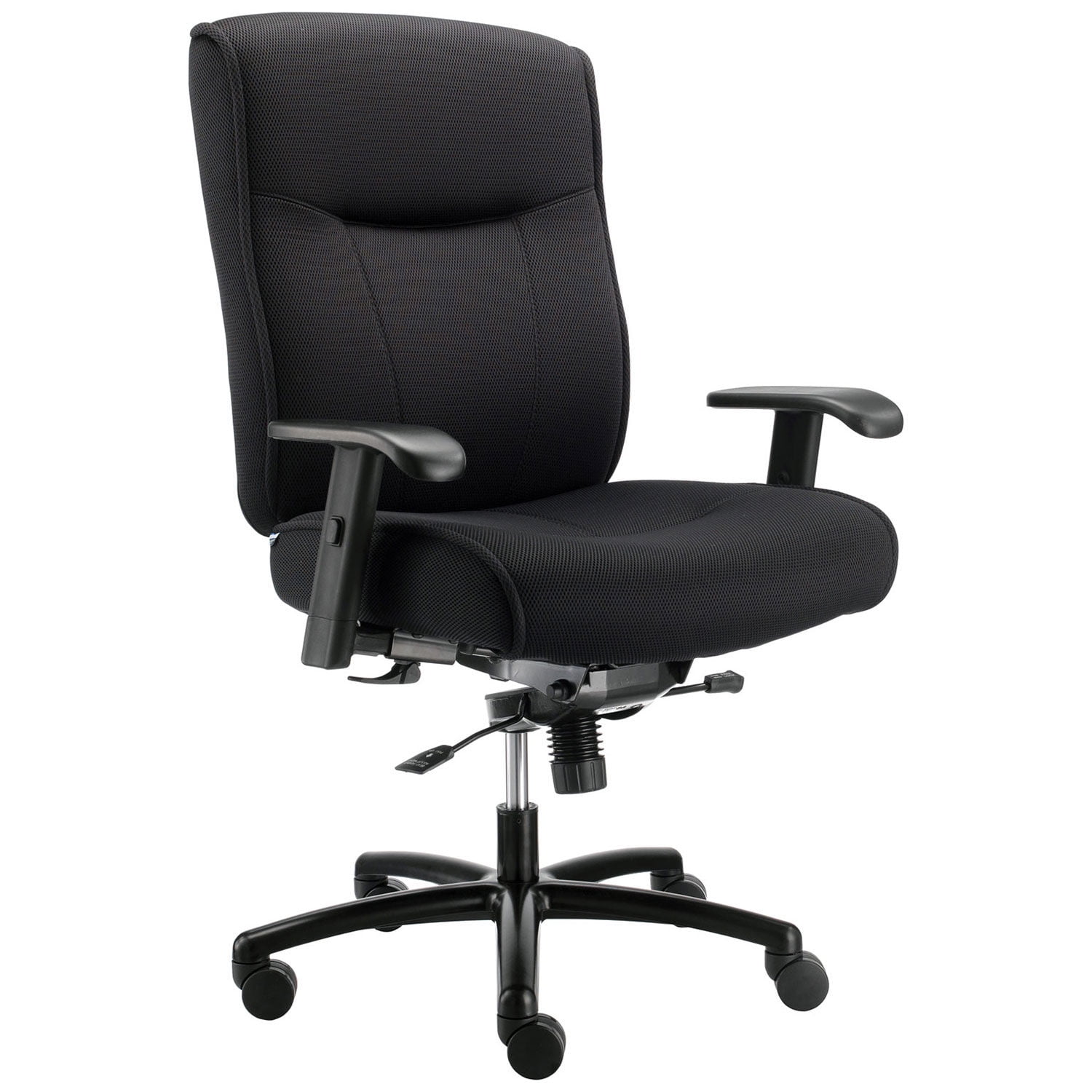
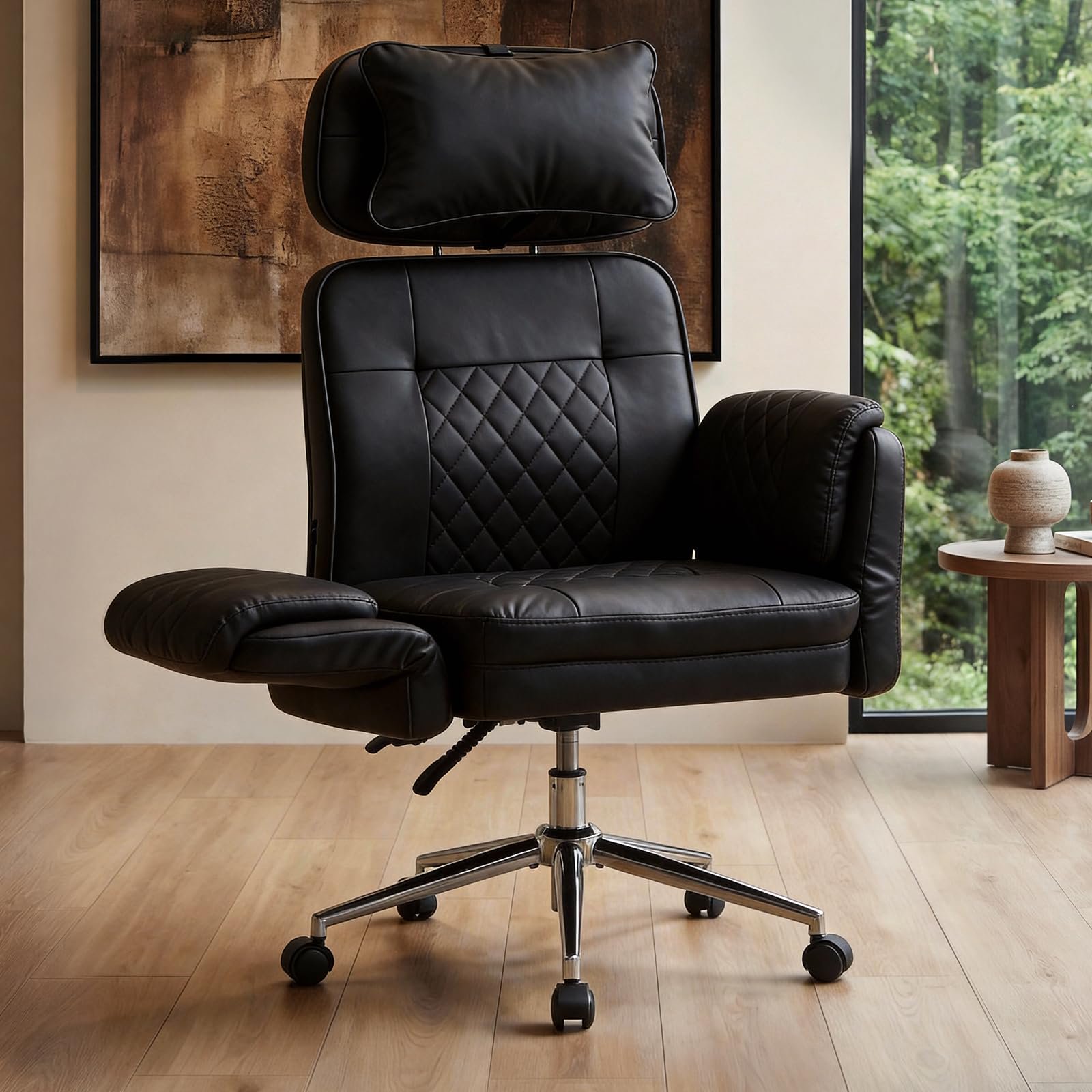
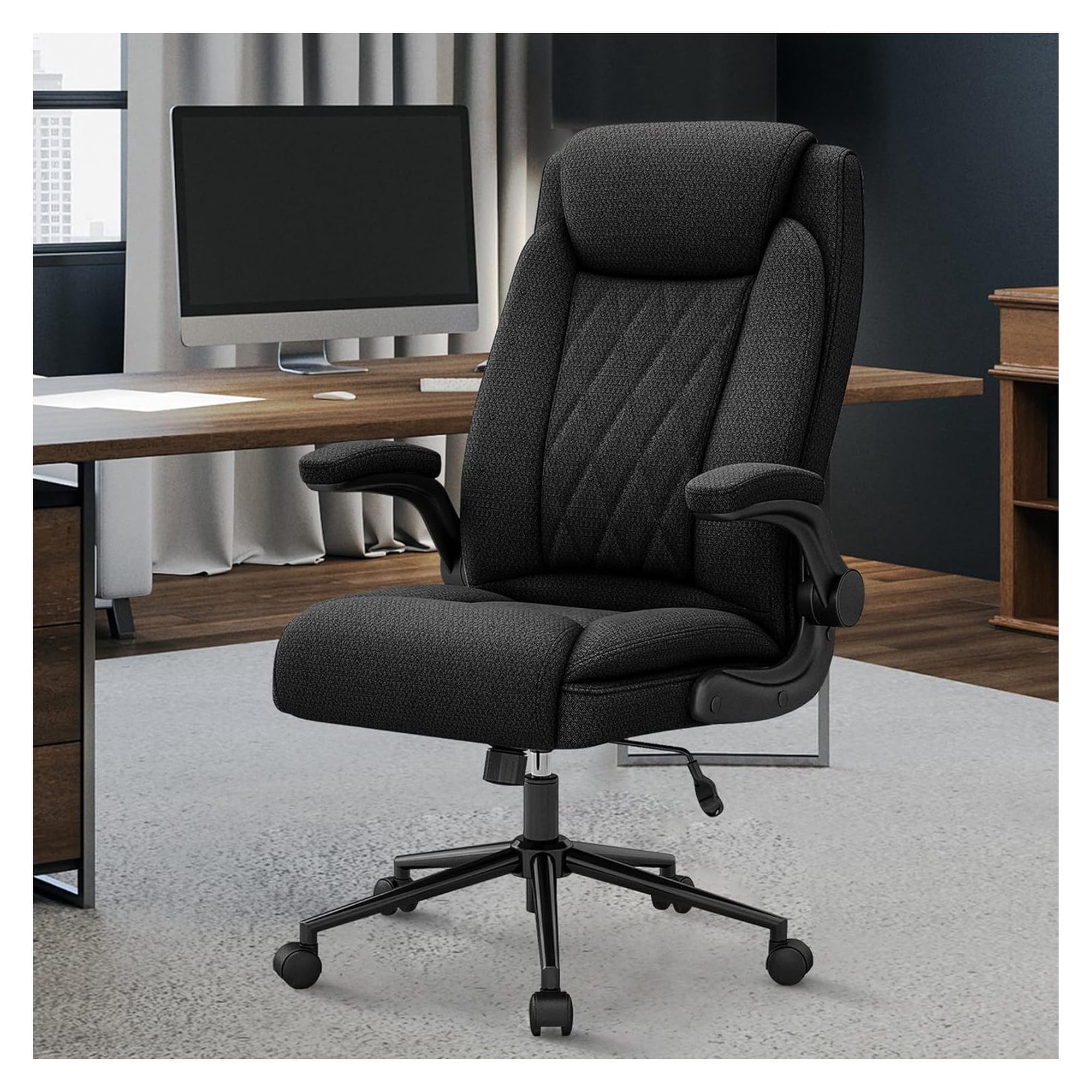
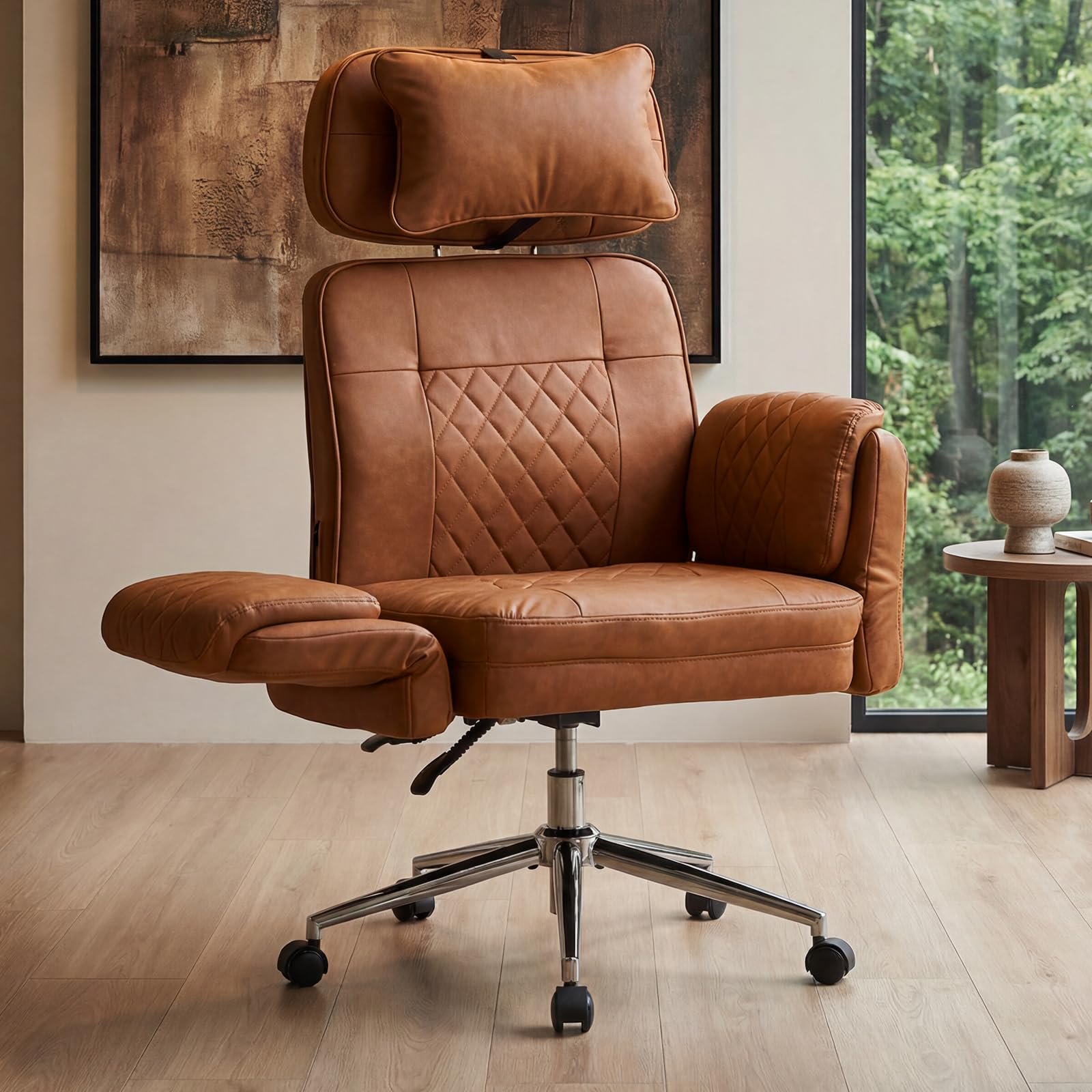
Why a Tall Office Chair with Arms Changes the Game
If you're over 6 feet tall, you've probably experienced the frustration of standard office chairs: the backrest ends mid-shoulder, the seat pan feels short, and armrests dig into your ribs. A tall office chair with arms is designed specifically to accommodate longer torsos and legs, ensuring your spine is fully supported from hips to shoulders. According to ergonomic studies, proper chair fit can reduce musculoskeletal discomfort by up to 60% for taller workers. It's not just about height—it's about maintaining natural posture during those long meetings or focused work sprints.
Did you know? The average office chair is built for a person around 5'9". For someone 6'2" or taller, the chair's backrest often misses the curve of the upper back, leading to slouching. A dedicated tall chair corrects this misalignment.
Anatomy of a Perfect Tall Office Chair with Arms
Choosing the right chair involves understanding key measurements and features. Below we break down the critical components, using a mix of analogies and data to help you decide like a pro.
1. Backrest Height: The “Skyscraper” Principle
Just as a skyscraper needs a strong, tall frame to resist wind, your spine needs continuous support. A backrest of at least 25-30 inches ensures the chair cradles your entire back, including the thoracic spine. Look for chairs that specify "high-back" or "extra tall" in their description. Some models even offer extendable headrests that add another 5-6 inches of support.
- Minimum back height: 25 inches from seat pan.
- Optimal for 6'2"+: 28 inches or more, plus adjustable headrest.
- Why it matters: Prevents the "top edge digging" sensation and supports natural shoulder retraction.
2. Seat Depth & Width: The “Goldilocks” Zone
A seat that's too short won't support your thighs; too long can press behind your knees. Tall individuals often have longer femurs, so an adjustable seat depth (slide function) is a godsend. Aim for a seat pan depth of at least 19-21 inches. Width also counts: look for 20-22 inches of seat width to avoid feeling cramped.
- Check the seat pan: When seated, there should be 2-3 finger widths between the back of your knee and the seat edge.
- Test adjustability: Chairs with a sliding seat mechanism let you fine-tune this distance.
- Consider waterfall edges: They reduce pressure on thighs, improving circulation.
3. Armrest Adjustability: The “4D” Difference
For tall users, armrests are often too low, causing you to lean sideways. The solution: 4D armrests that move up/down, forward/back, pivot in/out, and sometimes widen. This ensures your elbows stay at a 90-degree angle, shoulders relaxed. Think of armrests as the "guardrails" that keep your upper body in a healthy alignment.
| Armrest Type | Benefit for Tall Users |
|---|---|
| Fixed height | Often unusable; leads to leaning. |
| Height-adjustable only | Better, but may not bring elbows close enough. |
| 4D (full adjust) | Custom fit for arm length and desk height. |
4. Weight Capacity & Frame: Built Like a Bridge
Taller frames often mean more mass. A chair rated for 300 lbs or more typically has a thicker gas cylinder, wider base, and reinforced back frame. This translates to stability—no wobbling when you lean back. For those over 250 lbs, seek chairs with a 400 lb capacity for long-term durability.
5. Material & Breathability: The Climate Factor
Tall backs mean more surface area in contact with the chair. Mesh backs are excellent for airflow, preventing that sweaty feeling. If you prefer leather or upholstery, ensure it's perforated or has a breathable layer. High-density foam retains shape better under taller, heavier users.
6. Lumbar Support: The “Invisible Hand”
Adjustable lumbar support acts like a friendly hand gently pushing your lower back forward, maintaining the spine's natural S-curve. For tall users, the lumbar zone might be higher than average; therefore, chairs with height-adjustable lumbar are non-negotiable. Some high-end models offer inflatable lumbar for personalized firmness.
Research snapshot: A study in the journal "Ergonomics" found that workers using chairs with adjustable back height and armrests reported 45% less upper back pain. For tall workers, the reduction was even higher—57%—when the chair accommodated their full back length.
Frequently Asked Questions About Tall Office Chairs with Arms
Final Verdict: Invest in Your Stature
A tall office chair with arms is not a luxury—it's a necessity for anyone whose frame doesn't fit the "average" mold. By prioritizing back height, arm adjustability, and seat depth, you're investing in years of pain-free productivity. Remember to check weight ratings and material breathability. The right chair feels like it was made for you, because in a way, it was. Use the product grid above to explore current models that match these criteria, and take the first step toward a more comfortable workday.