
Why "Heavy Weight Capacity" Matters More Than You Think
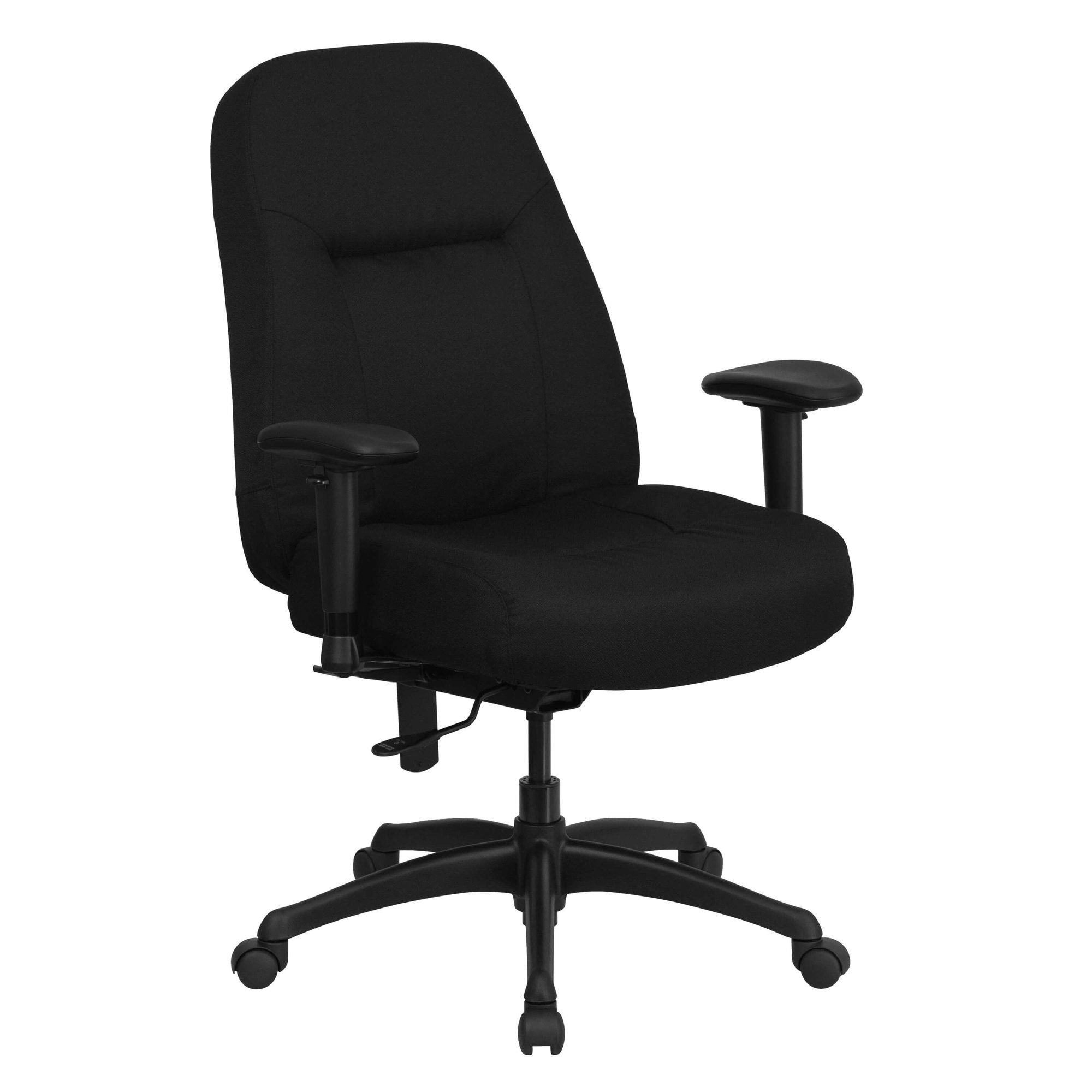
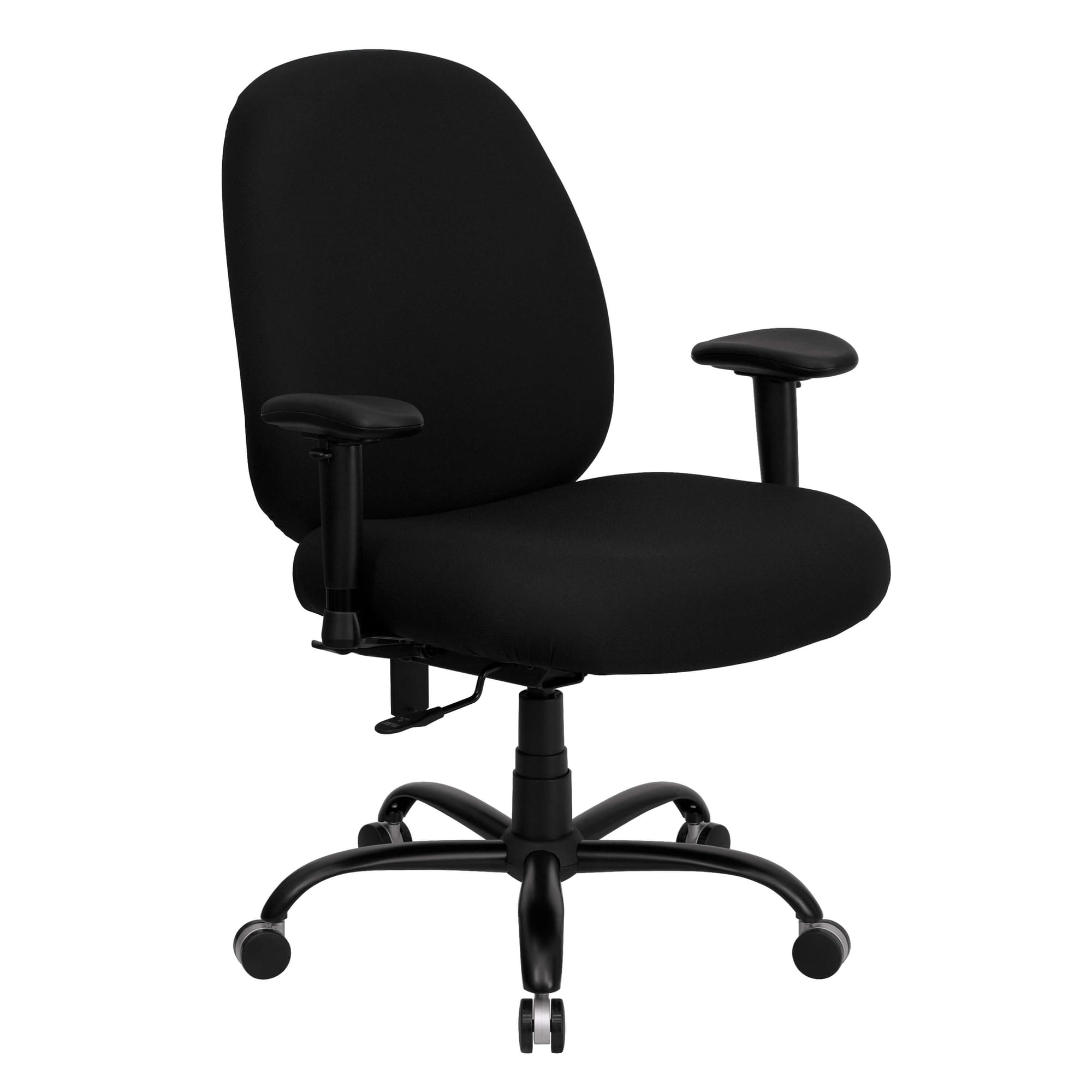
Imagine an office chair as the foundation of your workday. If the foundation is weak, everything else—posture, focus, even safety—becomes unstable. A heavy weight capacity office chair isn't just about a number on a spec sheet; it's about engineering integrity. These chairs use reinforced mechanisms, wider seating, and materials that resist fatigue. For anyone over 225 lbs, or anyone who simply wants a chair that feels "indestructible," moving to a heavy-duty model transforms the sitting experience.
Data point: According to the National Institute for Occupational Safety and Health (NIOSH), chairs used by heavier individuals often fail not because of the user's weight alone, but because standard components (like gas lifts rated for 250 lbs) are pushed beyond their design limits. A heavy-capacity chair with a Class 4 or 5 gas lift eliminates that risk.
Beyond the Weight Limit: Anatomy of a Truly Sturdy Chair
Most people look only at the top weight number, but durability comes from a combination of factors. Here’s what makes a heavy weight capacity office chair different under the skin.
1. Base & Casters: The Foundation
A standard plastic base can crack under repeated stress. Heavy-duty chairs feature:
- Nylon or aluminum alloy base: 30% stronger than basic plastic, with more flexibility before breaking.
- Larger casters (3” or more): Often made of polyurethane, they roll smoothly on carpet and hardwood without deforming.
- Reinforced caster housings: Metal sleeves prevent the wheel stem from snapping.
2. Gas Lift Classes – The Backbone
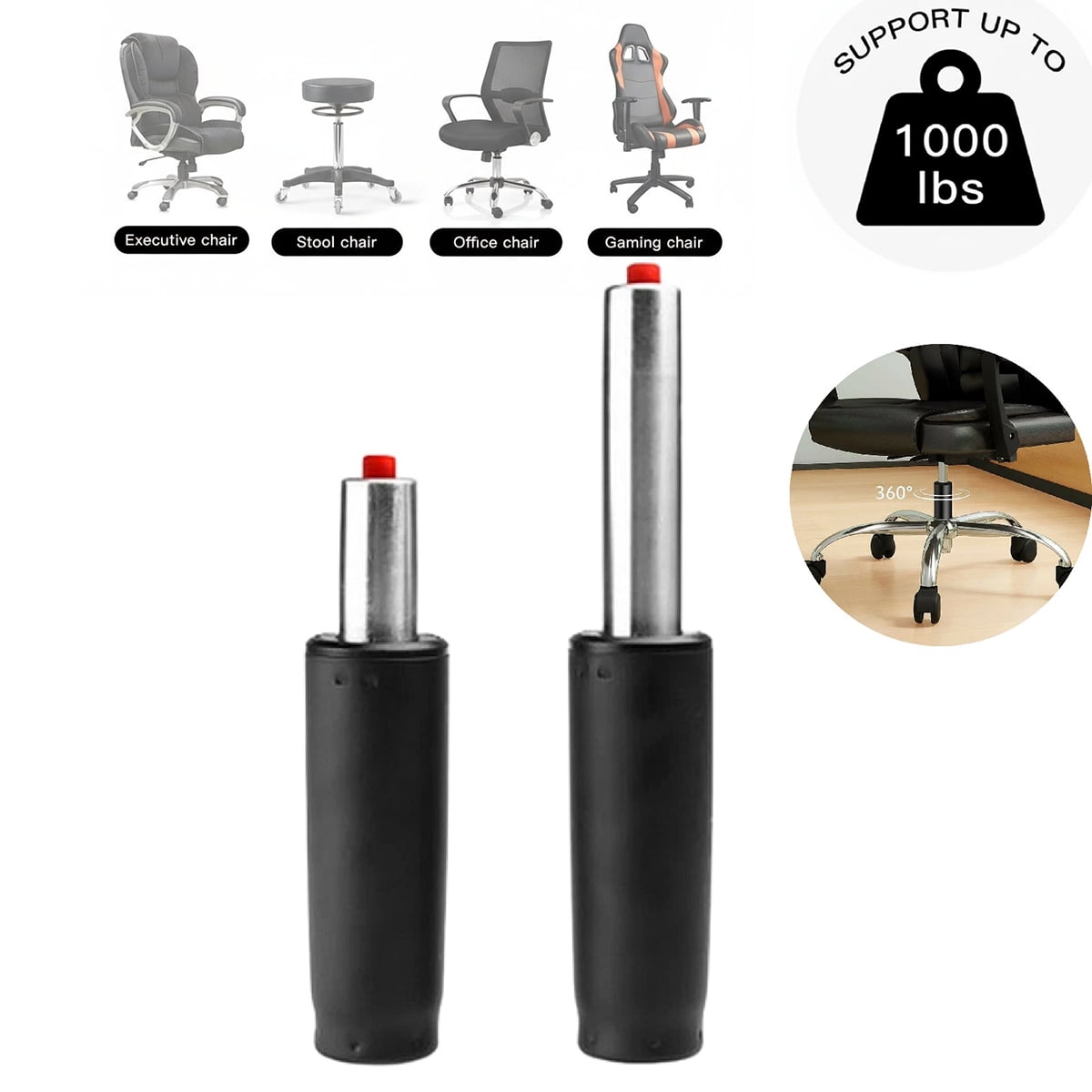
Gas lifts are rated by “class”:
- Class 3: typical for 250 lbs – avoid for heavy duty.
- Class 4: supports up to 400 lbs – the minimum for heavy-capacity.
- Class 5: supports up to 500 lbs or more – used in premium bariatric chairs.
- Industrial / oversize: some chairs use custom lifts rated for 750–1000 lbs.
Always verify the cylinder class in the specs. A chair rated for 400 lbs should have at least a Class 4 lift.
3. Seat Frame & Suspension
The seat isn’t just foam. Underneath, heavy-duty chairs use:
- Reinforced steel seat plates (instead of particle board or thin plywood).
- Elastic webbing or sinuous springs: provide even weight distribution and prevent the foam from bottoming out.
- High-density foam: often 50% denser than standard office chairs, retaining shape for years.
4. Width & Dimensions: Not Just Strong, but Roomy
A heavy capacity chair typically offers a seat width of 22” to 30” (standard is 19”-20”). This extra room ensures thighs and hips are fully supported without pressure points. But be mindful of your desk opening: measure between armrests to ensure a good fit.
✔️ Reinforced Armrests
Metal-reinforced brackets and wider padded tops (some adjustable in width) provide stable arm support.
✔️ Tilt Mechanism
Heavy-duty tilt mechanisms use thicker steel and stronger springs to maintain smooth recline without drifting.
✔️ Upholstery Durability
Commercial-grade vinyl, bonded leather, or heavy-duty fabric resists tearing and is easy to clean.
5. The “Feel” Factor: Why 400 lbs Rated Chairs Feel Better at 200 lbs
Think of a heavy-duty chair like a pickup truck: even when you're not hauling a heavy load, the suspension is stiffer and more controlled. Similarly, a chair built for 400 lbs will feel exceptionally stable and solid for a 200-lb user—no wobble, no creaking, and the recline mechanism won't feel loose. It’s an investment in quality feel, not just capacity.
| Capacity tier | Recommended for | Key features to look for |
|---|---|---|
| 300–350 lbs | Entry heavy-duty, occasional use | Class 3 lift, plastic base, reinforced seat |
| 400–500 lbs | Daily full-time use, bigger frames | Class 4/5 lift, nylon base, steel seat plate, wide seat |
| 600–1000 lbs | Bariatric / extreme capacity | Industrial lift, aluminum base, extra-wide 30"+ seat, heavy-duty casters |
Real-World Scenario: What 500 lbs of Support Actually Means
A chair rated for 500 lbs has been tested with weights exceeding that (safety margin). It means the welds on the frame are thicker, the bolts are grade 8 steel, and the chair can endure years of sitting, shifting, and leaning without developing a dangerous tilt. It’s peace of mind that extends the chair’s life far beyond a standard model.
Frequently Asked Questions – Heavy Weight Capacity Office Chairs
Conclusion: Investing in Support That Lasts
Choosing a heavy weight capacity office chair is an investment in your daily comfort and long-term well-being. The right chair eliminates the anxiety of "will this hold me?" and lets you focus on work. Remember: prioritize a sturdy base (nylon or aluminum), a verified high-class gas lift, and a seat width that gives you room to move. Whether you need 400 lbs or 1000 lbs capacity, the market offers well-engineered options that combine safety with executive style.
Take the time to measure your space, check the specifications (not just the title), and read user reviews from people with similar needs. A solid chair pays back every hour you sit in it.