
Why a Reliable Lift Office Chair Matters for Your Workflow
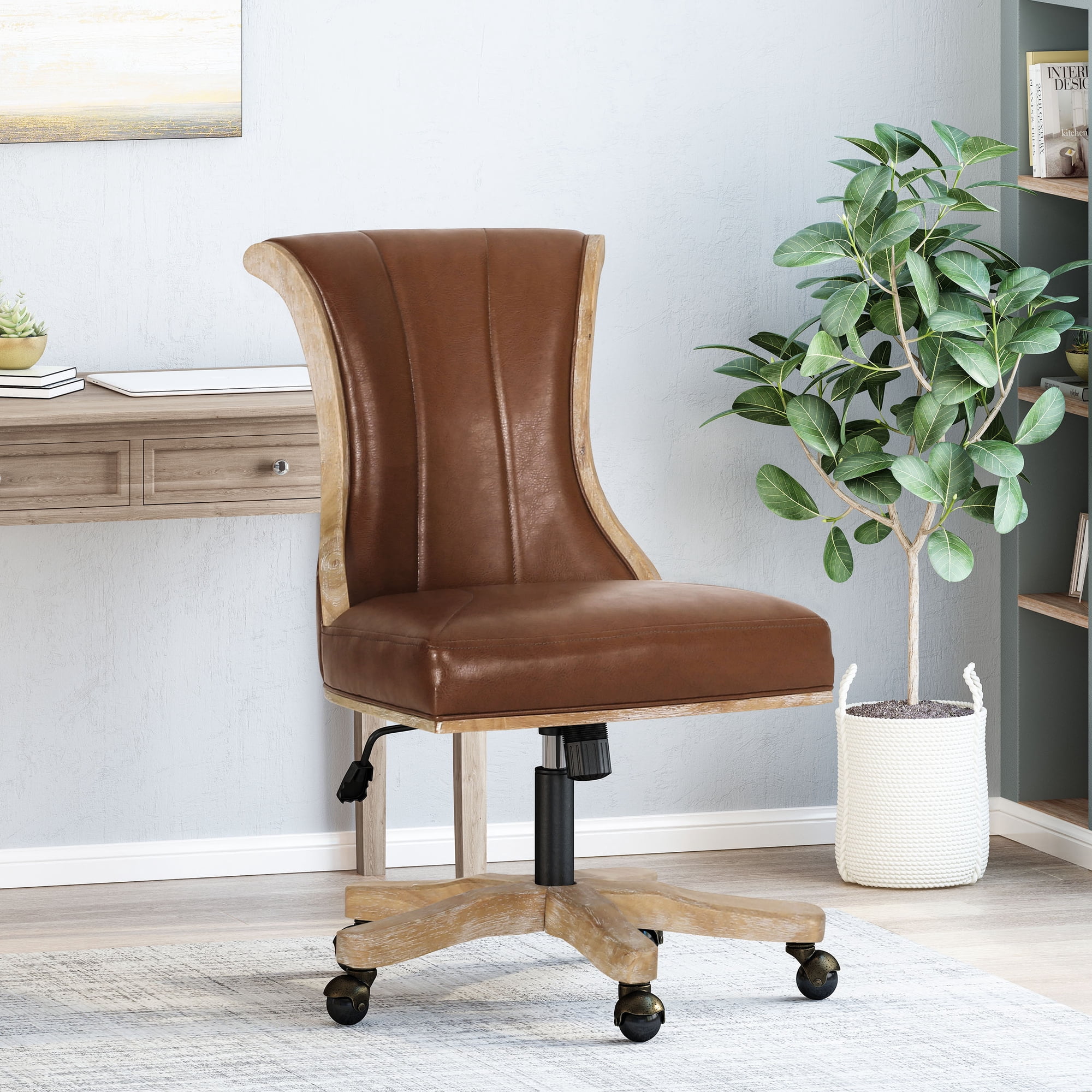
The humble lift office chair is often taken for granted — until the cylinder fails or you realize you're sharing a chair with a colleague of different height. A high-quality pneumatic lift does more than just raise and lower: it affects your posture, your ability to use a standing desk, and even the longevity of the chair. Think of the gas lift as the transmission of your car; smooth gear changes make the whole ride better.
📐 Ergonomics & height: The ideal sitting position places your feet flat on the floor, knees at 90°, and forearms parallel to the desk. Only a responsive lift office chair can achieve this for different body types.
Anatomy of a Pneumatic Lift: How It Works
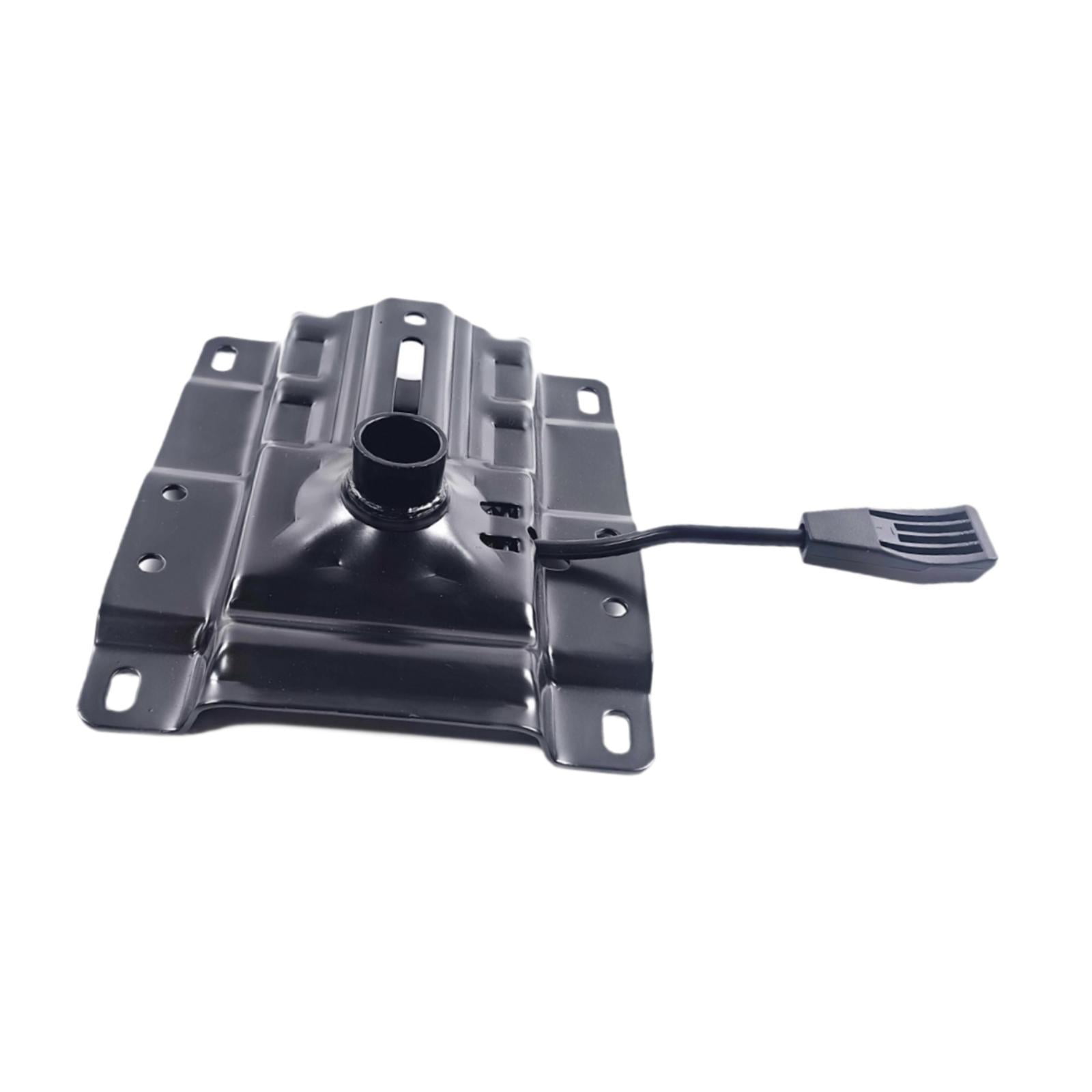
Most modern office chairs use a Class 2, 3, or 4 gas lift (nitrogen-filled cylinder). When you operate the lever, a valve pin opens, allowing gas to flow and the piston to move. The higher the class, the heavier the load and the smoother the travel. A quality lift cylinder is tested for 20,000+ cycles — that's years of daily use.
When You Specifically Need a Heavy-Duty Lift
- Multi-user offices: frequent height changes wear out cheap lifts quickly. Invest in Class 4.
- Tall individuals: standard lifts max out at 20–21" seat height; "extra tall" cylinders reach 24"+, crucial for users over 6'2".
- Sit-stand dynamic: if you raise/lower the chair 5+ times a day, choose a chair with a shielded mechanism and robust steel construction.
Signs Your Lift Office Chair Needs Maintenance
Like a slowly deflating balloon, a failing lift will sink under weight, feel gritty, or refuse to stay up. Proactive replacement of the gas cylinder (a $20–$40 part) can save you from buying a whole new chair. Many chairs from our listed products use standard 2" diameter cylinders, making replacement straightforward.
Lift Mechanisms Compared: Pneumatic vs. Hydraulic vs. Mechanical
While pneumatic (gas) lifts dominate, some specialty chairs use different systems. Understanding them helps you pick the right one.
| Lift Type | Typical Use | Pros | Cons |
|---|---|---|---|
| Pneumatic (gas) | 90% of office chairs | Smooth, infinite adjustment, affordable | Can wear out, temperature sensitive (rare) |
| Hydraulic | Industrial / heavy duty | Extremely durable, high weight capacity | Slower, can leak oil, heavier |
| Mechanical (spindle) | Stools / vintage chairs | Indestructible, no gas | Steps or notches, less convenient |
5 Factors to Consider When Buying a Lift Office Chair
1. Lift Class (Safety & durability)
Look for BIFMA or TÜV certification. Class 3 = up to 250 lbs, Class 4 = up to 350 lbs, Class 5 (rare) = 500+ lbs. For shared offices, Class 4 is the sweet spot.
2. Height Range
Measure from floor to your sitting elbow. Standard range: 16"–21". For tall users: 18"–24". Low-height desks might need a shorter cylinder.
3. Base & Casters
A strong lift needs a solid base. Aluminum or heavy-gauge steel bases resist flexing. Dual-wheel casters roll smoothly even at max height.
4. Replacement Availability
Check if the chair uses a common cylinder size. Brands like Flash Furniture, Boss, and many others use standard parts.
5. Warranty on Mechanism
At least 5 years on the lift cylinder indicates manufacturer confidence.
Pros & Cons of High-Lift Office Chairs
✅ Advantages
- Perfect for sit-stand desks
- Accommodates multiple users
- Improves ergonomics for tall people
- Easy to replace cylinder if worn
- Adds versatility to any workspace
⚠️ Considerations
- Cheaper lifts fail sooner
- Very high lift may need footring
- Some cylinders rotate roughly
- Can be costly in premium chairs
Real-World Data: Lift Longevity
According to Office Furniture Research Group (2023), a Class 3 gas lift in a multi-shift environment lasts on average 4.2 years before losing pressure, while Class 4 lasts 7+ years. That means spending $30 extra on a better lift pays off if you keep the chair for a decade.
Lift Office Chair vs. Standing Desk Converter
Some workers pair a tall lift chair with a fixed-height desk to create a quasi sit-stand setup. By raising the chair to bar-stool height, you can use a high desk while standing on a anti-fatigue mat. It's a budget alternative, but ensure the chair has a foot ring for leg support.
Frequently Asked Questions – Lift Office Chair
Conclusion: Invest in a Lift That Lasts
The lift office chair is the unsung hero of daily comfort. Whether you're tall, share your workspace, or simply want the flexibility to switch positions, a robust gas lift mechanism makes all the difference. Use our buying guide and check the recommended products above — each features reliable lift cylinders tested for long-term performance.