
Redefining the Workspace: Why a High-Tech Office Chair is Your Next Essential Tool
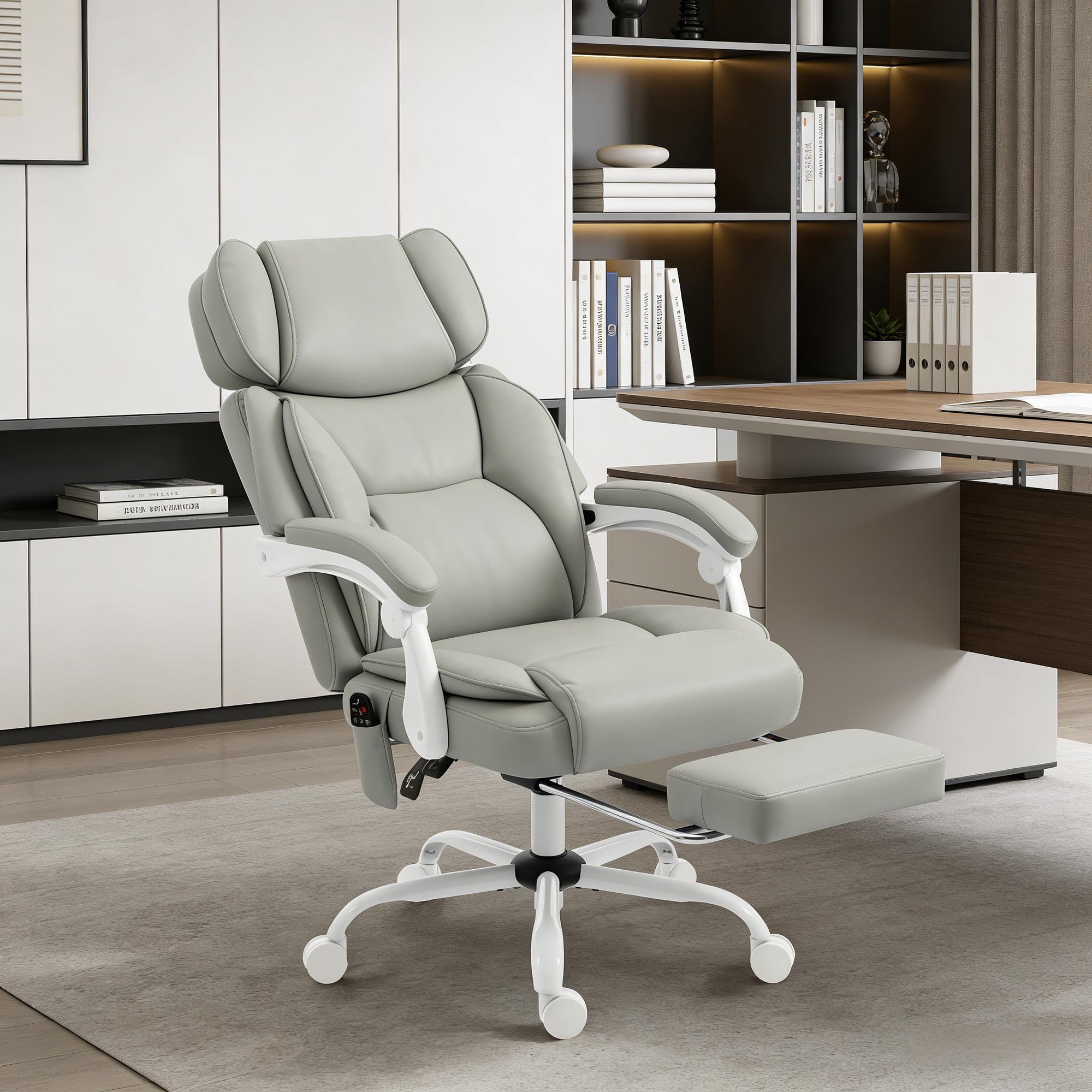
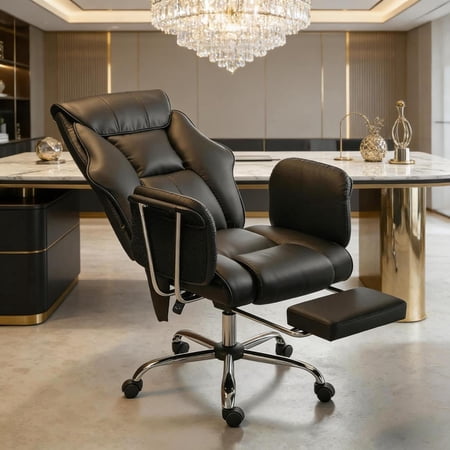
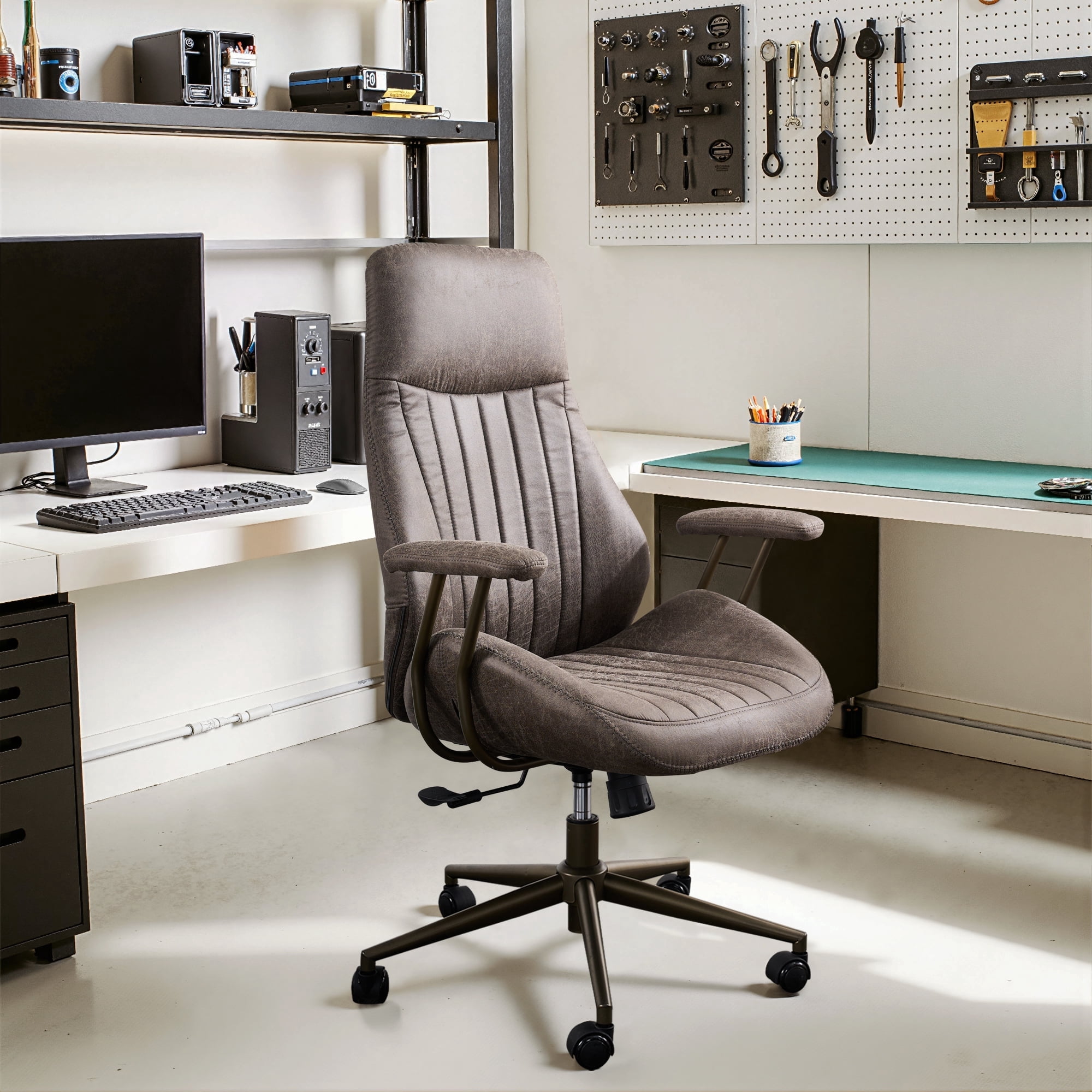
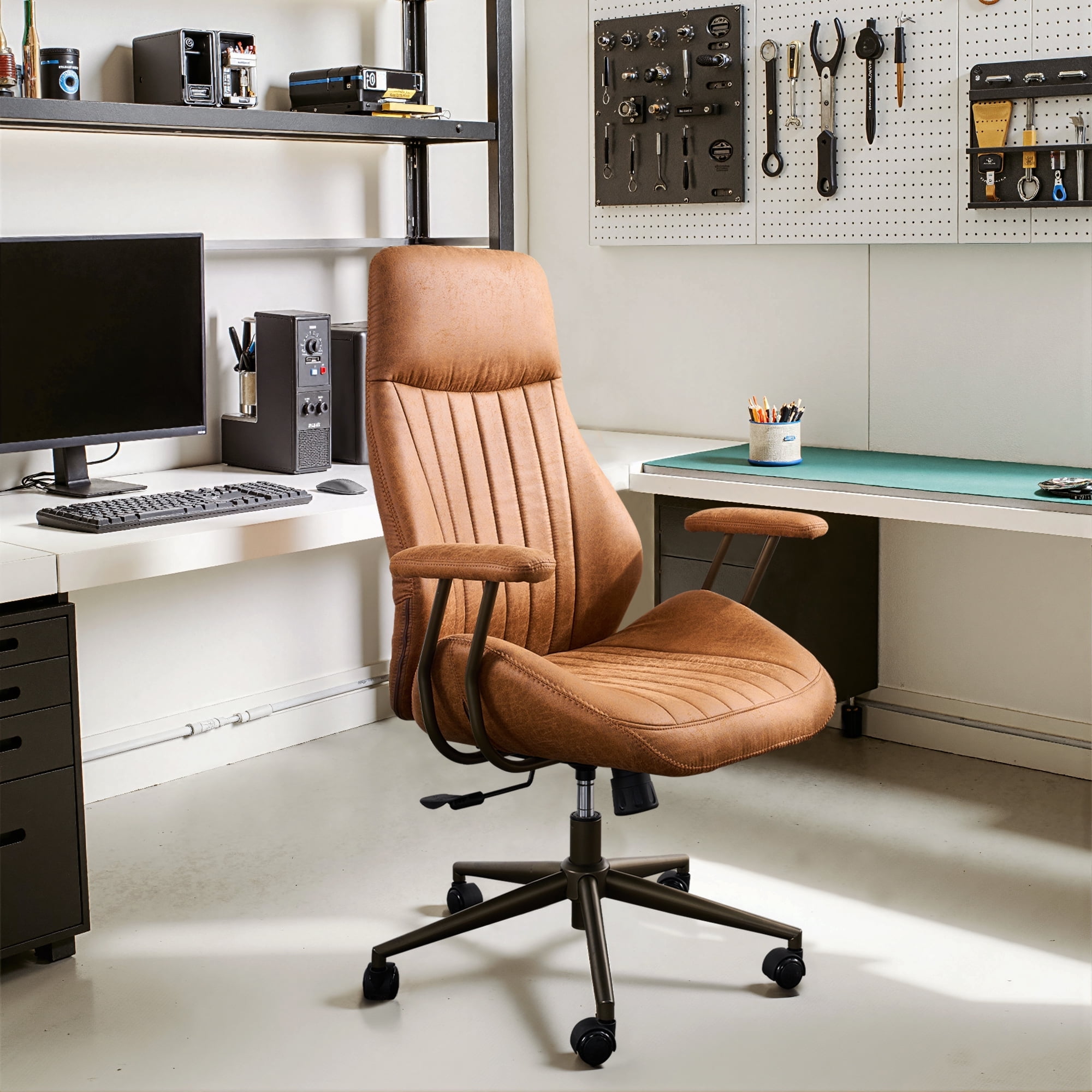
Imagine a chair that doesn't just hold you up, but actively works to keep you healthy. A chair that learns how you sit, gently nudges you when you slouch, and even reminds you to stand after an hour of intense focus. This isn't science fiction—it's the reality of the high-tech office chair. In an era where our homes and offices are filled with smart devices, from thermostats to watches, your throne of productivity has finally joined the revolution. For the modern professional, a high-tech chair bridges the gap between passive seating and active wellness, turning sitting from a static activity into a dynamic, health-conscious experience.
Did you know? According to a 2023 Stanford study, individuals who use smart seating with posture tracking reduce their risk of developing chronic lower back pain by 34% compared to those in standard chairs. The data doesn't lie: awareness is the first step to correction.
The Anatomy of a Smart Chair: More Than Just Motors
When we say "high-tech," we're not just talking about an electric lift. Today's intelligent chairs incorporate a suite of technologies:
- Embedded Sensor Arrays: Pressure maps in the seat and backrest detect your posture in real-time. They can identify if you're leaning too far forward, sitting unevenly, or have been static for too long.
- AI-Powered Auto-Adjustment: Using the sensor data, a small onboard processor activates micro-motors to tweak lumbar support depth or recline tension, ensuring optimal spinal alignment without you lifting a finger.
- Bluetooth & App Connectivity: Sync your chair with a smartphone app (iOS/Android) to view your sitting statistics, set wellness goals, and receive coaching tips. Some apps even integrate with Apple Health or Google Fit.
- Haptic Feedback & Environmental Controls: Gentle vibrations in the seat or backrest alert you to shift position. Premium models feature built-in heating, cooling, or even massage functions that can be activated via voice command ("Hey Siri, warm my chair").
Beyond Posture: The Wellness Ecosystem at Your Desk
A high-tech office chair often acts as the hub of your smart office. Think of it as the captain's seat of your workspace. Here’s how it interacts with other tech:
- Seamless Desk Integration: Paired with a smart standing desk, your chair can signal the desk to rise when you've been sitting for 55 minutes, promoting a standing break. Some systems automatically lower the desk when you return.
- Calendar Synergy: By connecting to your work calendar, the chair can prepare for back-to-back meetings by subtly adjusting to a more upright, focused position. During a "focus block," it might loosen the recline for a more relaxed, creative posture.
- Environmental Harmony: IFTTT (If This Then That) compatibility allows routines like: "If I sit down after 6 PM, then dim the smart lights and play lo-fi music." Your chair becomes a trigger for your entire smart office.
This interconnectedness transforms your work environment from a collection of gadgets into a cohesive, responsive partner in productivity.
Data-Driven Ergonomics: Quantified Self Meets Seating
The quantified self movement has reached your chair. The data collected isn't just for show—it's actionable. Your chair's app can generate weekly reports showing:
- Time spent in ideal posture vs. slouched positions.
- Number of micro-movements and position changes (a sign of active sitting).
- Recommendations like "Try to engage your core more in the afternoons" based on your slouching patterns.
For companies, aggregated anonymized data can help HR departments understand workplace wellness and redesign office layouts to improve ergonomics for entire teams.
Materials & Sustainability in the High-Tech Realm
High-tech doesn't mean plastic and disposable. Leading manufacturers use aerospace-grade aluminum frames, recycled ocean plastics for the base, and premium, durable mesh or leather that houses sensors invisibly. Some chairs feature self-cleaning fabrics or those treated with antibacterial coatings—a direct response to post-pandemic hygiene awareness. The technology is designed to be durable, with modular components that can be upgraded (e.g., swapping out a sensor module) rather than replacing the entire chair, aligning with circular economy principles.
Who Needs a High-Tech Office Chair?
While any knowledge worker can benefit, certain profiles will find them indispensable:
- The Remote Executive: Your home office should mirror and exceed the office. A smart chair projects a forward-thinking image on Zoom (some even have "meeting modes" that stiffen the back to prevent fidgeting).
- The Developer/Creator: Spending 10+ hours deep in flow state. The chair's reminders to shift are vital for long-term health.
- Individuals with Chronic Pain: Those recovering from back injuries can use the real-time feedback to maintain therapeutic postures throughout the day.
- Tech Enthusiasts: Simply put, if you love gadgets, you'll love a chair that talks to your phone.
Potential Drawbacks: The Honest Perspective
No technology is perfect. High-tech chairs often require initial setup (calibrating the sensors to your body), have a higher price point (typically $1,500 - $4,000), and depend on software updates. Privacy concerns regarding biometric data are valid; always check the manufacturer's data policy. However, for those who see the value in proactive health, these are minor hurdles compared to the long-term benefits.
Future Trends: What's Next for Smart Seating?
The evolution is rapid. We're already seeing prototypes with:
- Biometric Health Monitoring: Heart rate variability (HRV) and stress detection via seat sensors, offering breathing exercises when stress is detected.
- Energy Harvesting: Chairs that convert your micro-movements into electricity to power the sensors, making them battery-free.
- AR/VR Integration: For designers or engineers working in VR, the chair provides physical feedback (haptics) corresponding to virtual objects.
Investing in a high-tech chair today means you're stepping onto a platform that will only get smarter.
Frequently Asked Questions About High-Tech Office Chairs
Conclusion: Is a High-Tech Chair Your Next Smart Investment?
Just as we moved from fixed desks to standing desks, the next frontier is intelligent seating. A high-tech office chair is not a luxury; for the dedicated professional, it's a tool for longevity and peak performance. It transforms sitting from a passive risk into an active, data-informed part of your health strategy. While the upfront cost is higher, the dividends—paid in reduced pain, increased focus, and a cooler, more connected workspace—are immense. As you contemplate your office setup, ask yourself: if your phone, watch, and home can be smart, why should your chair be any different? Welcome to the future of work. It's intelligent, adaptive, and unapologetically high-tech.
| Feature | Traditional Ergonomic | High-Tech Smart Chair |
|---|---|---|
| Lumbar Support | Manual lever | AI auto-adjusts in real-time |
| Posture Feedback | None / self-awareness | App alerts + haptic vibrations |
| Data & Analytics | None | Daily sitting patterns & tips |
| Integration | None | Smart desks, lights, calendar |
| Material Intelligence | Standard foam | Sensor-embedded, adaptive mesh |