
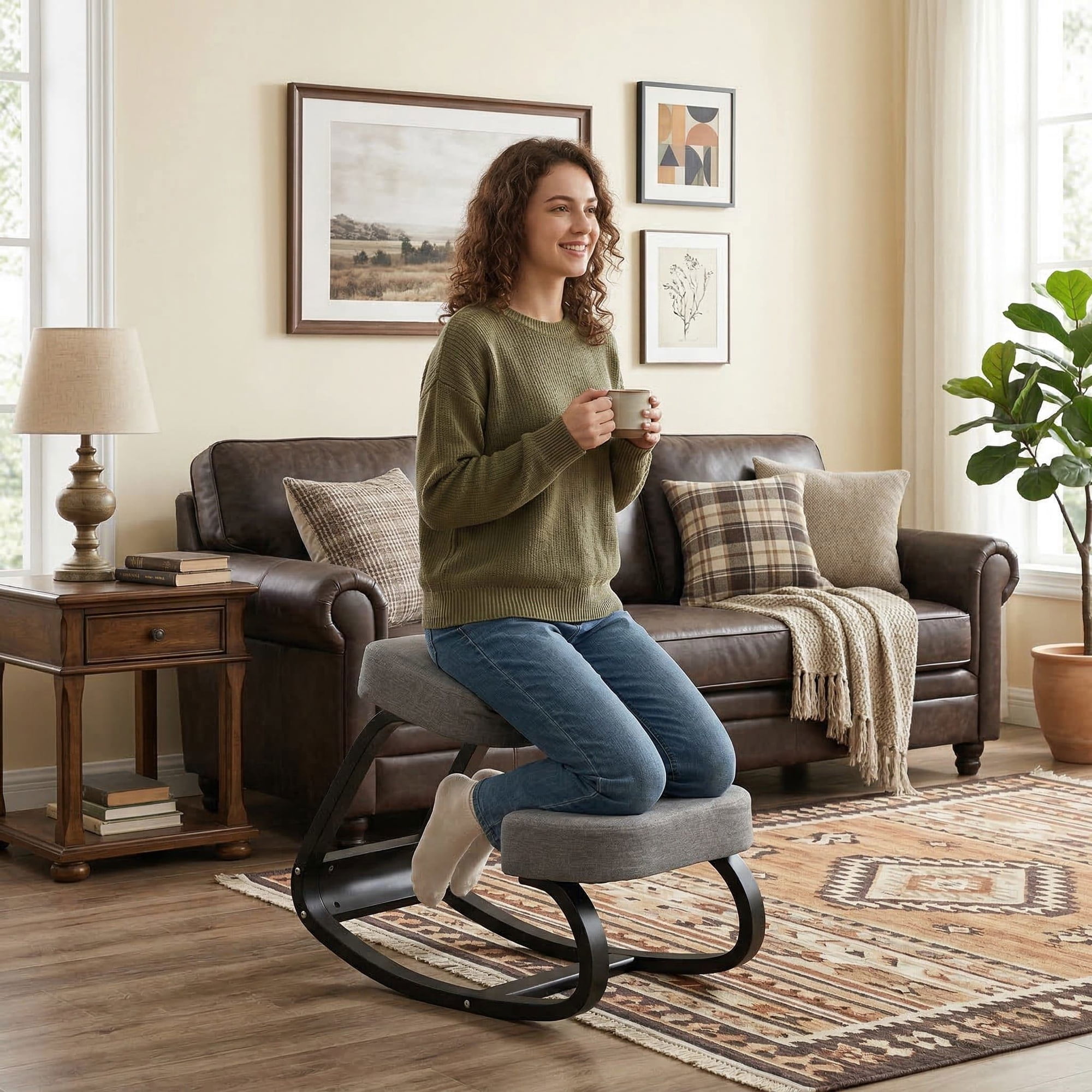
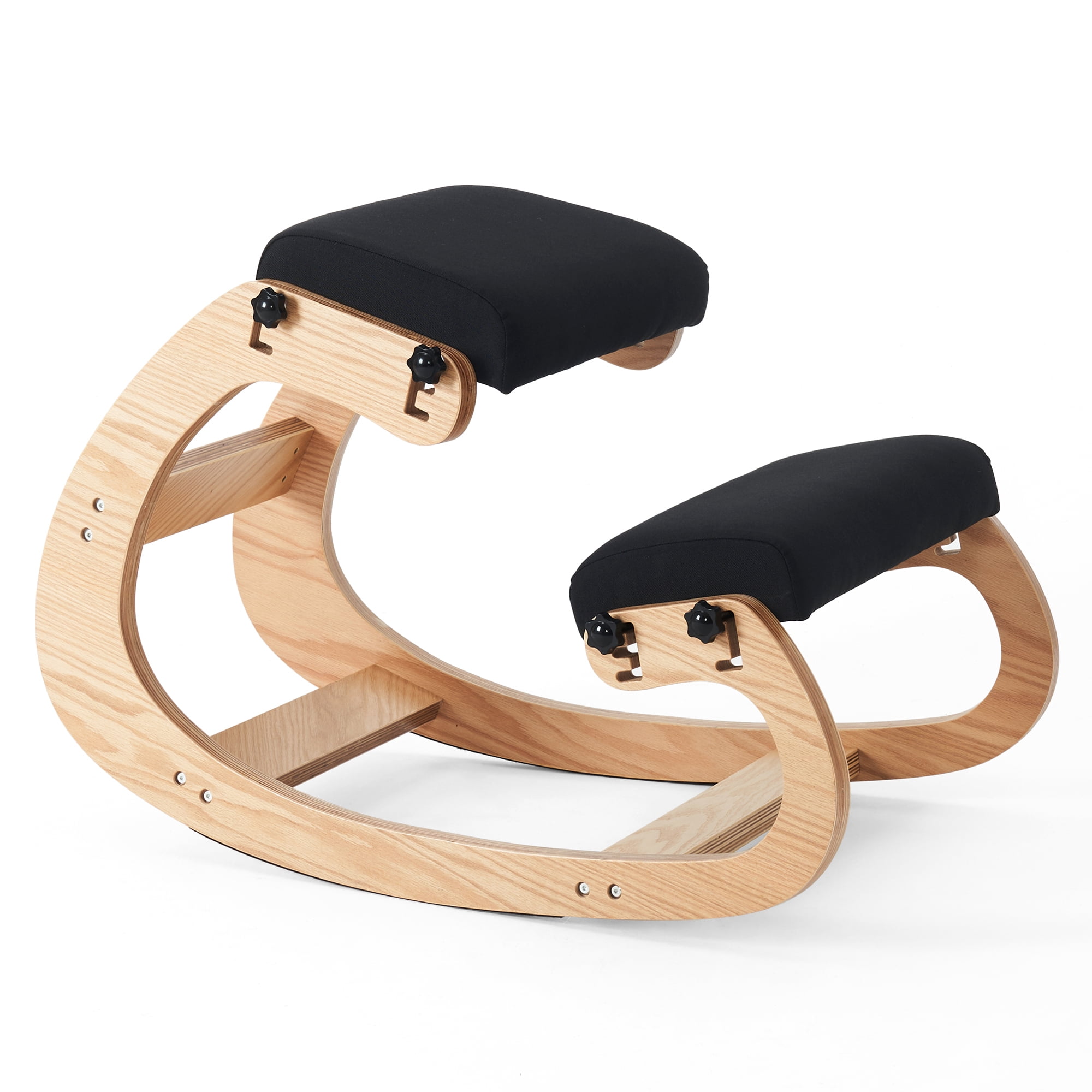
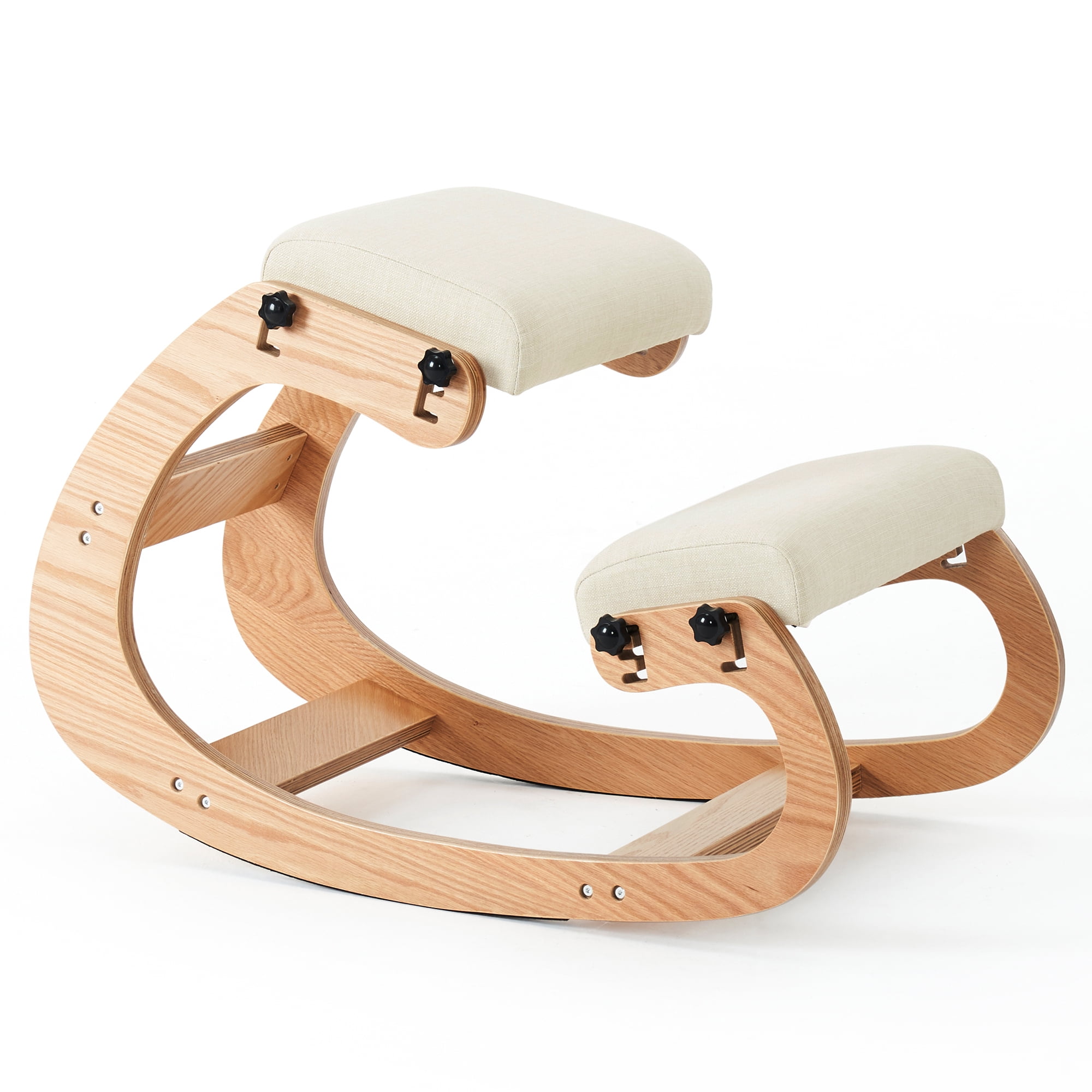
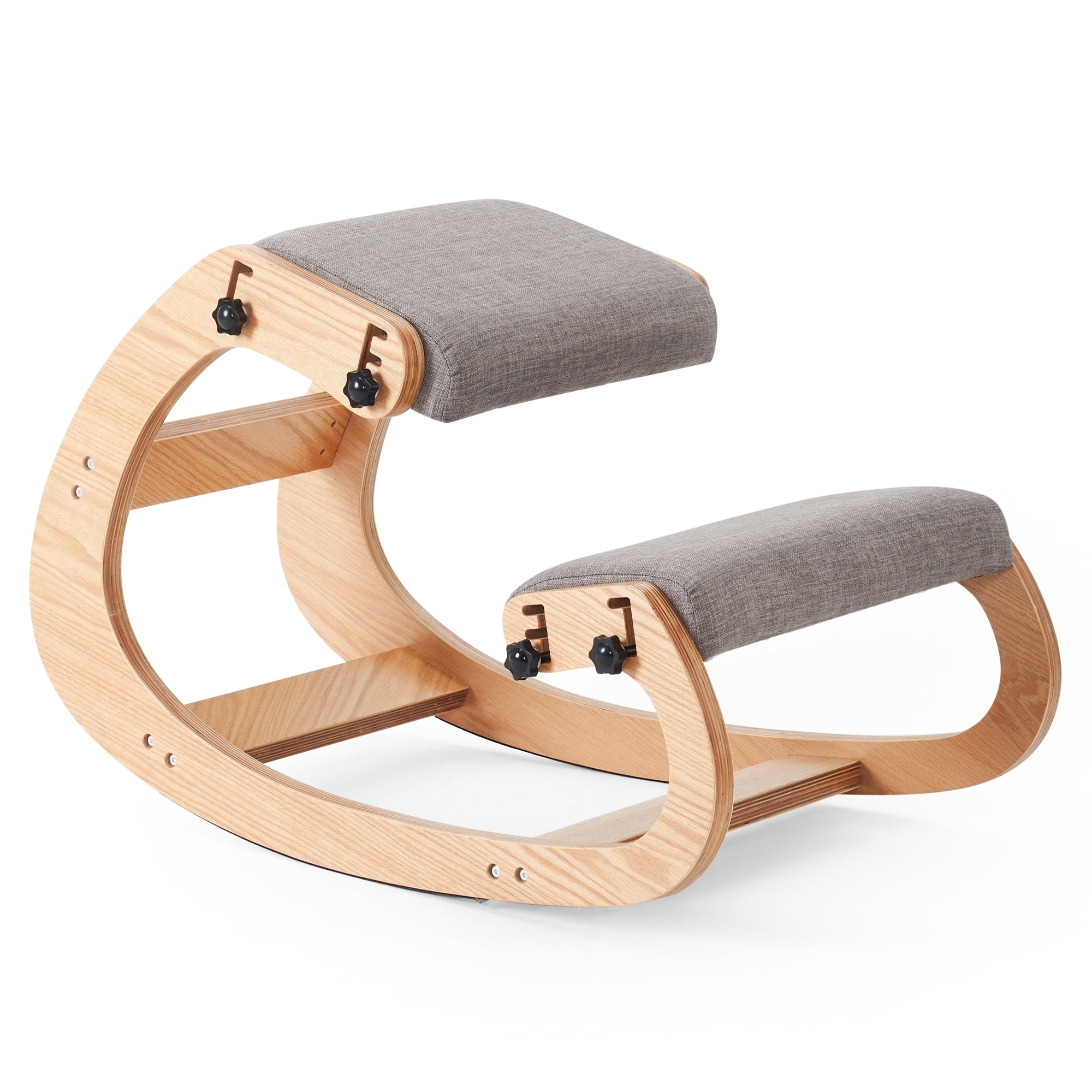
The Ergonomic Knee Office Chair: A Blueprint for an Active, Pain-Free Workday
For decades, the standard office chair has followed a simple, almost unquestioned formula: a flat seat at a 90-degree angle, a backrest, and maybe some armrests. But for millions of people, this traditional design is a blueprint for discomfort. It encourages slouching, weakens core muscles, and places immense pressure on the lower back. If you've ever found yourself constantly shifting, trying to find a comfortable position, or standing up with a stiff back, you're not alone. Enter the ergonomic knee office chair, a radical rethinking of what it means to sit.
Imagine your body's ideal posture not as a static L-shape, but as a more dynamic, open angle. Think of a ski jumper mid-flight, or a child sitting upright on the floor, completely engaged. This is the philosophy behind the kneeling chair. It’s not just a seat; it’s a tool that gently guides your body into a position of strength and balance. This guide will explore everything you need to know about these innovative chairs, from the biomechanics behind their design to how to choose the perfect model for your body and workflow.
1. The Biomechanics of Kneeling: Why an Open Angle Changes Everything
The magic of an ergonomic knee office chair lies in its ability to alter your body's sitting geometry. In a traditional chair, your hips and knees form a 90-degree angle. This causes your pelvis to tilt backward (posterior pelvic tilt), flattening the natural inward curve of your lower spine (the lumbar lordosis). This flattening is the primary culprit behind slouching and the resulting strain on spinal discs and surrounding muscles.
A kneeling chair, with its forward-sloping seat, opens this angle to approximately 60 to 70 degrees. This subtle shift has a profound impact:
- Pelvis Rotates Forward: The open angle naturally rotates your pelvis forward, restoring the spine's healthy S-curve. It's like giving your lower back the support it's been craving.
- Core Engagement: With your torso now slightly inclined forward, your abdominal and back muscles must gently engage to keep you upright. This turns sitting from a passive act into an active one, strengthening your core over time. As ergonomic specialist Dr. Alan Hedge from Cornell University notes, "Any chair that promotes postural shifts and muscle engagement is better than one that allows you to slump passively."
- Weight Distribution: Your body weight is shared between the seat pad and the padded knee rests. This reduces the peak pressure on your sitting bones (ischial tuberosities) and distributes it more evenly along your thighs and shins, which can alleviate pressure points and improve circulation.
2. Key Benefits: Beyond Just Back Pain Relief
While reducing back pain is the headline feature, the benefits of switching to an ergonomic knee office chair extend to other areas of your work life.
Improved Posture (Naturally)
You don't have to constantly remind yourself to "sit up straight." The chair's design makes good posture the path of least resistance. According to a 2006 study in "Spine," maintaining the spine's natural curves is critical for reducing disc pressure and long-term degeneration.
Increased Focus and Energy
The slight core engagement and improved blood flow can lead to increased alertness. You're no longer in a state of passive relaxation, which can sometimes lead to drowsiness. The active sitting posture can help you feel more present and focused on your tasks.
Reduced Upper Back and Shoulder Tension
Slouching often leads to rounded shoulders and a forward head posture, creating knots in the upper back and neck. By aligning the spine from the pelvis up, a kneeling chair helps naturally roll your shoulders back and bring your head over your shoulders, reducing tension in these key areas.
Enhanced Breathing
When you slouch, you compress your diaphragm, restricting your lung capacity. The open, upright posture encouraged by a knee chair allows your diaphragm to expand fully, promoting deeper, more efficient breathing. Better breathing means more oxygen for your brain and muscles.
3. A Step-by-Step Guide to Choosing Your Ergonomic Knee Office Chair
Selecting the right kneeling chair is an investment in your health. Here’s a practical guide to navigate the options:
Step 1: Assess Your Body Dimensions
- Height and Weight: This is non-negotiable. Check the manufacturer's specifications for both maximum height and weight capacity. The frame must be robust enough to handle the unique forces of the kneeling position. For users over 6'2" or 250 lbs, look for "big and tall" or "heavy-duty" variations, such as an extra wide office chair 500 lb capacity model designed for this purpose.
- Leg Length: The distance from your seat to the back of your knee (your popliteal length) determines if the seat depth is right for you. You should be able to sit with your back comfortably against the seat while your knees rest fully on the pads.
Step 2: Evaluate Cushioning and Material
The comfort of the knee rests is paramount, especially during the adjustment period. Look for:
- High-Density Foam: This will provide firm, supportive comfort that won't flatten out after a few months.
- Contoured Padding: Some chairs offer sculpted knee rests that better fit the shape of your legs, reducing pressure points.
- Breathable Fabric: A fabric ergonomic office chair cover for the knee pads is ideal, as it wicks away moisture and prevents overheating.
Step 3: Examine the Frame and Adjustability
- Frame Material: A sturdy frame is a must. Look for chairs with a solid wood or heavy-gauge steel frame for long-term durability.
- Adjustability Features: Unlike basic models, premium knee chairs offer adjustments. The most important is the ability to change the angle of the seat or the height of the knee pads. This allows for fine-tuning the hip angle for optimal comfort. Some also have adjustable seat depth. A classic ergonomic black office chair with knee rest will often include these features.
Step 4: Consider Mobility and Floor Type
- Casters vs. Stationary: Do you need to move around your desk frequently? If so, choose a model with smooth-rolling casters. If your work is more stationary, a model with glides might be sufficient. Ensure the casters are suitable for your floor (hardwood or carpet).
- Base: A wide, five-point base provides the best stability, preventing tipping when you lean or reach.
4. The Transition: How to Successfully Switch to a Kneeling Chair
Think of your first day in a kneeling ergonomic office chair like your first day at the gym. You wouldn't run a marathon; you'd start with a light jog. Here’s how to ease into it:
- Start Slow: Begin by using the chair for just 30-45 minutes at a time. Listen to your body. If your knees or shins feel sore, take a break. Alternate between your new knee chair and your old one.
- Focus on Form: Consciously try to distribute your weight. You should feel the support on your shins, but the bulk of your weight should still be on the seat cushion. Avoid leaning too heavily into the knee rests.
- Increase Gradually: Over the course of a week or two, slowly increase the duration. Your core muscles are waking up and will get stronger, making the posture feel more natural. You might find you prefer it for specific tasks, like deep-focus work or creative brainstorming.
- Pair with Movement: A knee chair is a tool for active sitting, but it's not a replacement for standing. Continue to use a standing desk converter or take regular breaks to walk and stretch. This combination is the ultimate recipe for a healthy spine. If you need a budget option to start, you can even look for cheap office chairs nearby to use as your secondary, traditional chair during the transition.