

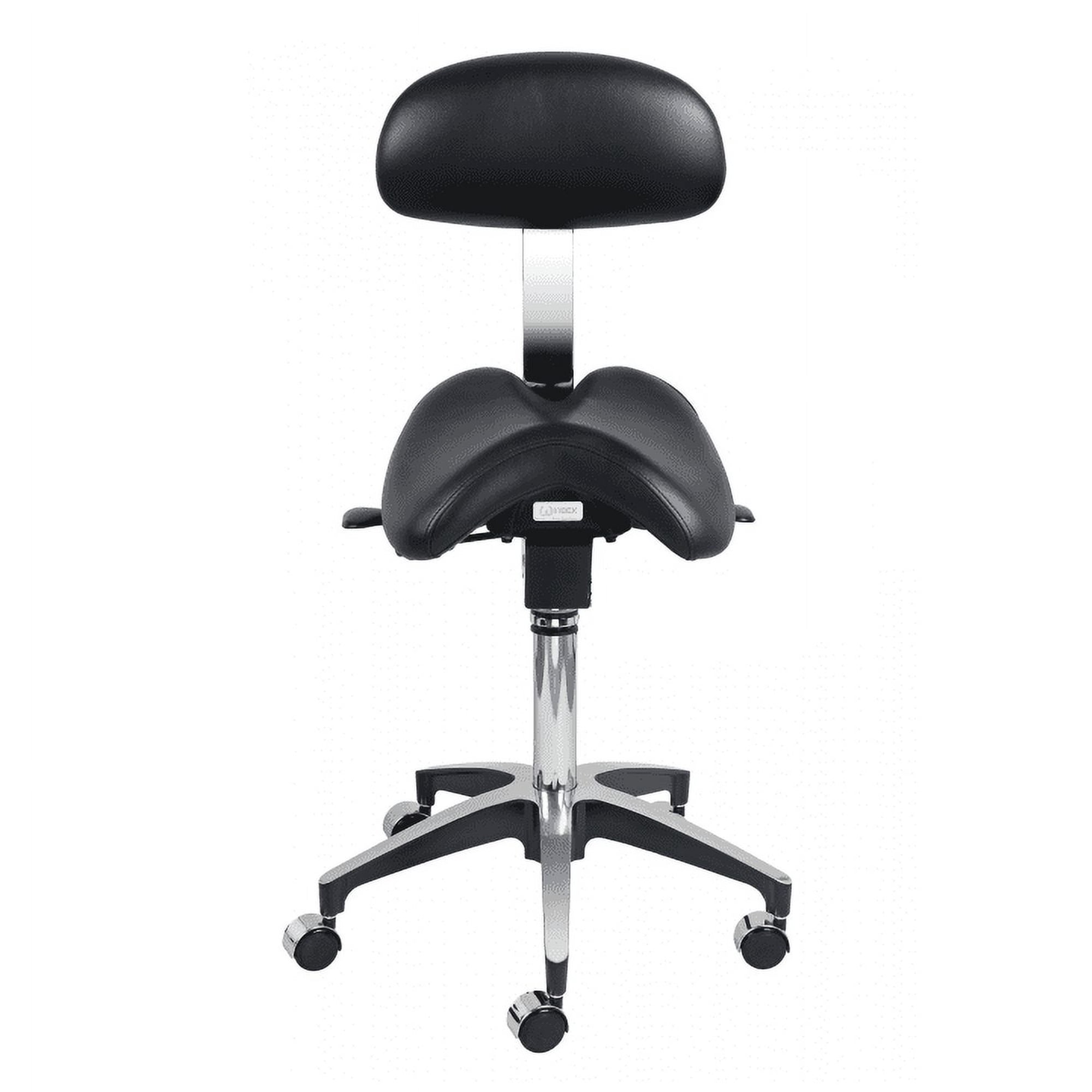
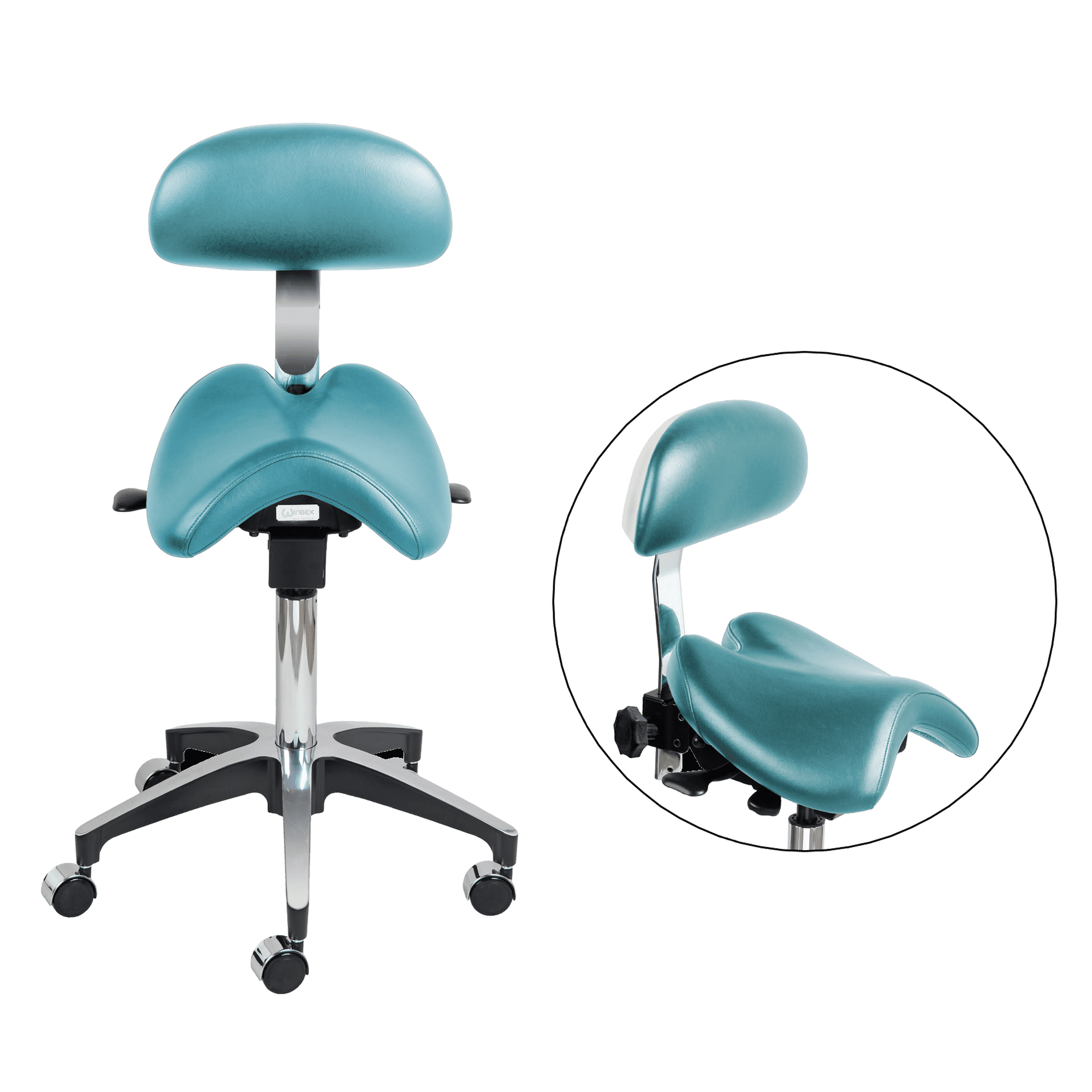
What is a Saddle Seat Office Chair? A Fresh Take on Sitting
Imagine the posture of a jockey on a horse: spine naturally curved, thighs sloping downward, pelvis tilted slightly forward. That's the core idea behind the saddle seat office chair. Unlike traditional flat-pan seats that encourage slouching, a saddle chair positions your body at an open angle (approximately 135 degrees between torso and thighs), which is often called the "neutral posture." It's like having a yoga instructor remind you to sit tall, every second of the workday.
Originally used in industrial and medical settings (think dentists or surgeons who need to lean forward without straining), saddle chairs have galloped into modern offices and home workspaces. They are not a gimmick; they are biomechanically designed to reduce pressure on your discs and keep your core muscles lightly engaged. A 2018 study in the Journal of Physical Therapy Science found that saddle seating reduced lumbar muscle fatigue by 32% compared to conventional office chairs. If you suffer from lower back stiffness after a long day, this might be your solution.
Why Choose a Saddle Chair? Beyond the Traditional Office Seat
Most office chairs trap you in a static position. You sink into a cushion, your hips flex at 90 degrees, and your lower back bears the brunt. Saddle chairs flip the script. Here’s a deep dive into their unique advantages and considerations.
• The "Active Sitting" Mechanism
With a saddle chair, perfect posture isn't forced; it's natural. Because there's no backrest to lean on (in many models), your body constantly makes tiny adjustments — this is active sitting. These micro-movements pump blood through your leg muscles, oxygenate your spine, and prevent the stiffness that comes from being glued to a seat. Think of it as the difference between lying in a hammock (traditional chair) and balancing on a yoga ball (saddle chair). The latter keeps you awake and alert.
• Spinal Alignment & Pelvic Stability
The hallmark of a saddle seat is its ability to maintain the natural S-curve of your spine. By tilting your pelvis forward (anterior pelvic tilt), it prevents the dreaded "C-curve" slouch that leads to herniated discs. Chiropractors often recommend saddle chairs for patients with degenerative disc disease or postural kyphosis. The open hip angle also takes tension off the psoas muscle, a deep core muscle that often tightens from prolonged sitting.
Pros & Cons at a Glance
✓ Advantages
- Reduces lower back pain – promotes natural lordosis.
- Improves breathing – open chest position allows fuller lung expansion.
- Tailbone relief – zero pressure on the coccyx.
- Encourages movement – prevents sedentary stagnation.
- Durable construction – often built with heavy-duty gas lifts.
✗ Considerations
- Steeper learning curve – may feel odd for the first few days.
- Requires higher desk – not compatible with standard 29" desks.
- Limited models with headrests – if you need neck support, look carefully.
- Not ideal for very tall/short people – check seat height range (usually 22"-28").
• Who Benefits Most from a Saddle Seat?
While not a universal fit, certain groups tend to love saddle chairs:
- Designers, artists, and architects – who lean over drafting tables.
- Gamers and streamers – who sit for marathon sessions and need core engagement.
- People with sciatica – the open angle reduces nerve impingement.
- Standing desk users – saddle chairs pair perfectly with sit-stand setups.
- Individuals recovering from back injuries (with doctor approval).
• Key Features to Look For
Not all saddle chairs are created equal. When shopping, use this checklist:
- Pneumatic height adjustment – with a wide range (at least 5"-6" of travel).
- Seat tilt mechanism – some models allow you to lock the tilt or keep it dynamic.
- Material – breathable mesh or high-quality faux leather? Mesh is cooler for long hours.
- Base stability – a heavy-duty five-star base (metal preferred) prevents tipping.
- Weight capacity – look for 300 lb minimum; heavy-duty versions go up to 500 lb.
- Optional backrest – if you want lumbar support, choose a "saddle chair with back."
• Adjusting to Your New Saddle Chair: 3-Day Transition Plan
Switching to a saddle chair is like learning to ride a bike. Here's a smooth transition strategy:
- Day 1-2: Short intervals. Use the chair for 1-2 hours, then switch back to your old chair. Let your hips and back adapt.
- Day 3-5: Half-day. Gradually increase usage. You might feel slight soreness in your glutes — that's your muscles waking up.
- End of week 1: You should be able to sit for 4-5 hours comfortably. Adjust the height so your thighs slope downward and your feet rest flat.
Did you know? A study published in Ergonomics (2020) indicated that saddle chairs reduce spinal shrinkage (a measure of spinal load) by nearly 40% compared to conventional office chairs over an 8-hour period.
Saddle Chair vs. Kneeling Chair vs. Ergonomic Mesh Chair
It's easy to confuse these "alternative" ergonomic chairs. Here’s a quick comparison:
| Feature | Saddle Chair | Kneeling Chair | Standard Ergonomic Mesh |
|---|---|---|---|
| Posture | Open hip angle (135°) | Forward tilt, shins bear weight | 90° or slightly reclined |
| Best for | Tailbone pain, active sitting | Lower back support, posture training | Versatility, headrest/neck support |
| Pressure points | Thighs (broad support) | Knees & shins | Tailbone & thighs |
| Desk height needed | 28"-42" (standing desk) | Standard desk often works | Standard desk (29"-30") |
Frequently Asked Questions About Saddle Seat Office Chairs
Final Verdict: Is a Saddle Chair Right for Your Workspace?
The saddle seat office chair isn't just another ergonomic trend; it's a biomechanical tool that invites movement and respects your body's natural curves. For professionals plagued by lower back pain, tailbone discomfort, or the afternoon slump caused by static sitting, a saddle chair can be transformative. Yes, it requires an open mind and a compatible desk height, but the payoff — better posture, engaged core, and reduced spinal pressure — is substantial. If you value long-term health as much as daily comfort, consider taking one for a spin. Your spine will thank you.
Explore the curated selection below (updated via Walmart API) to find a model that fits your body type and style. Remember to check the seat height range and weight capacity before clicking "buy".