
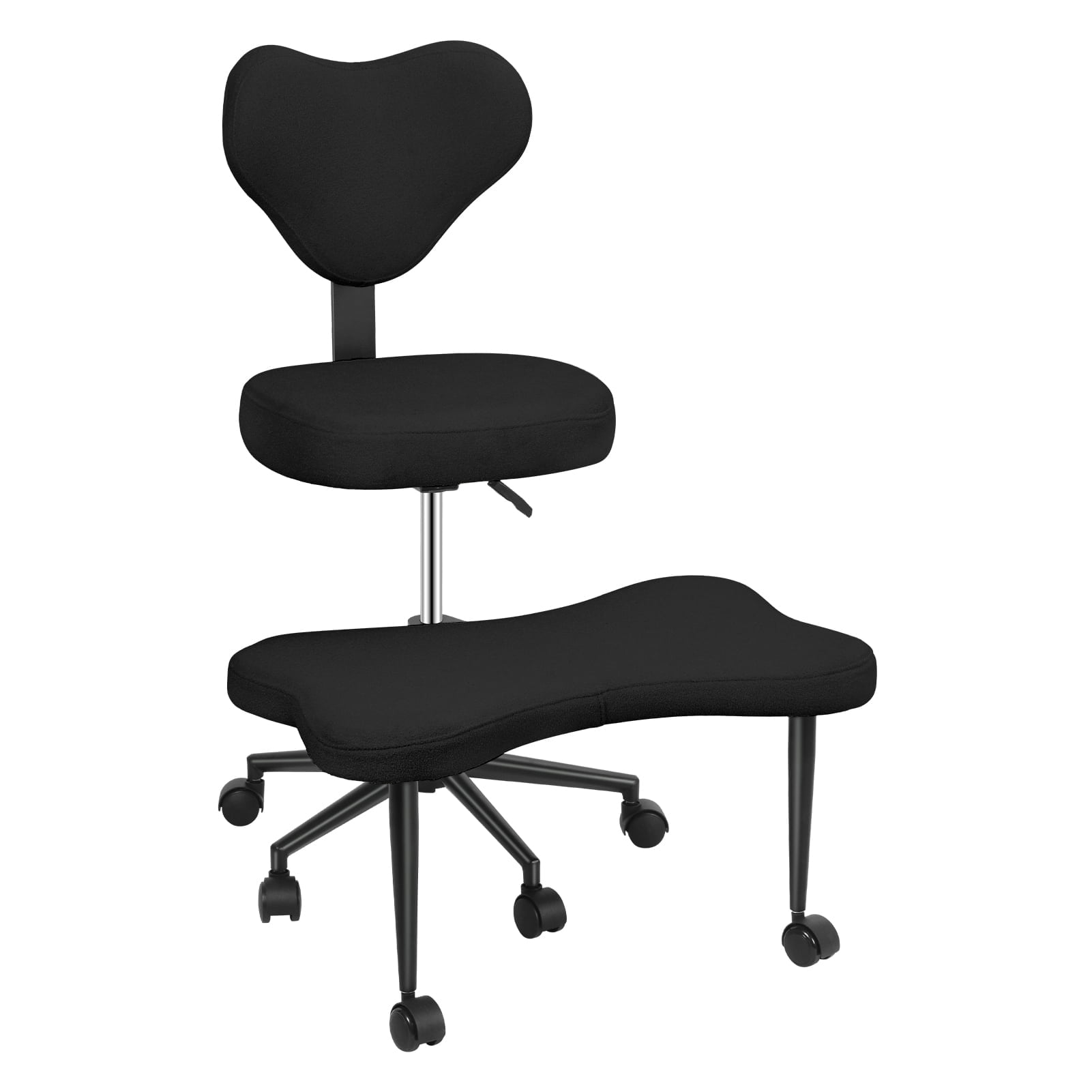
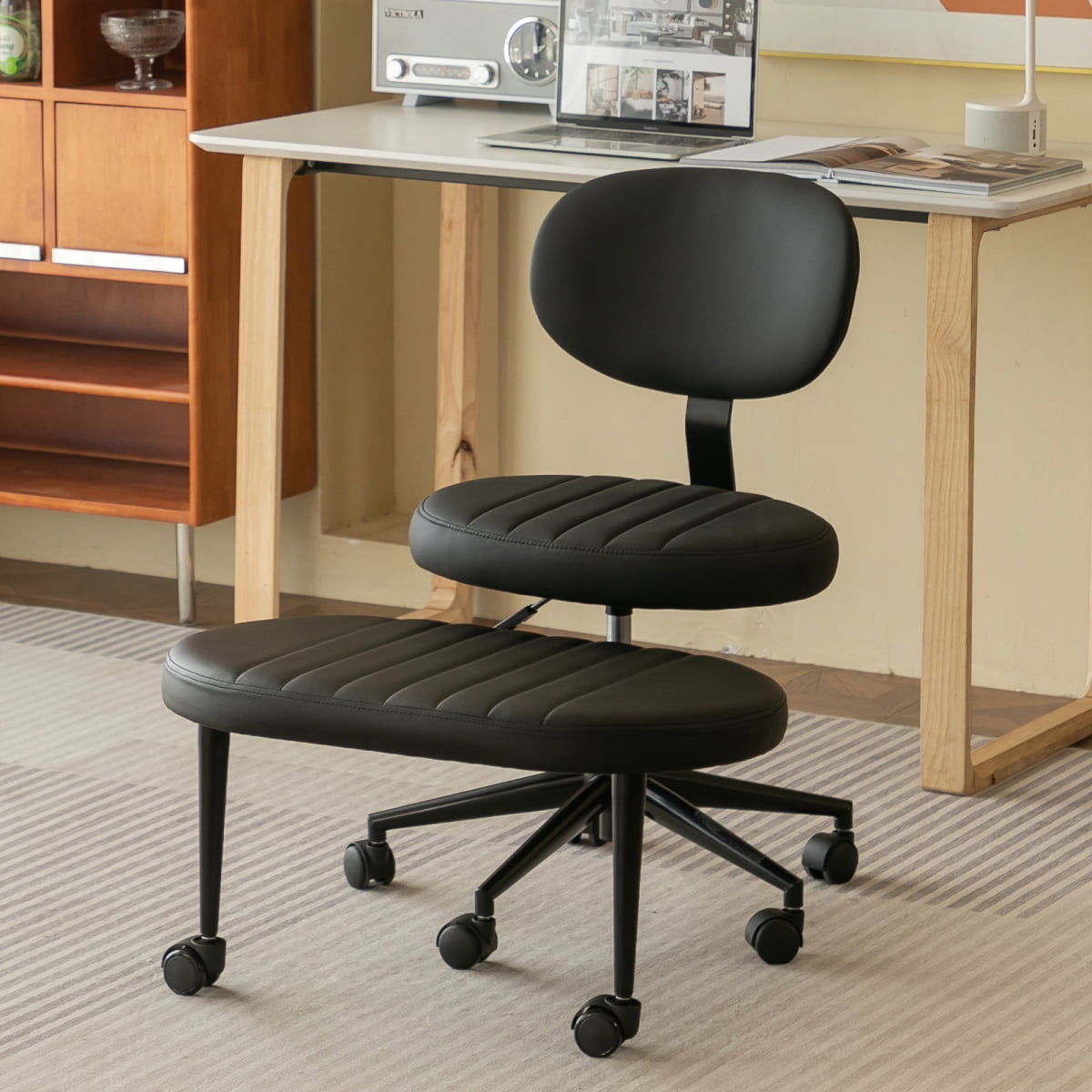
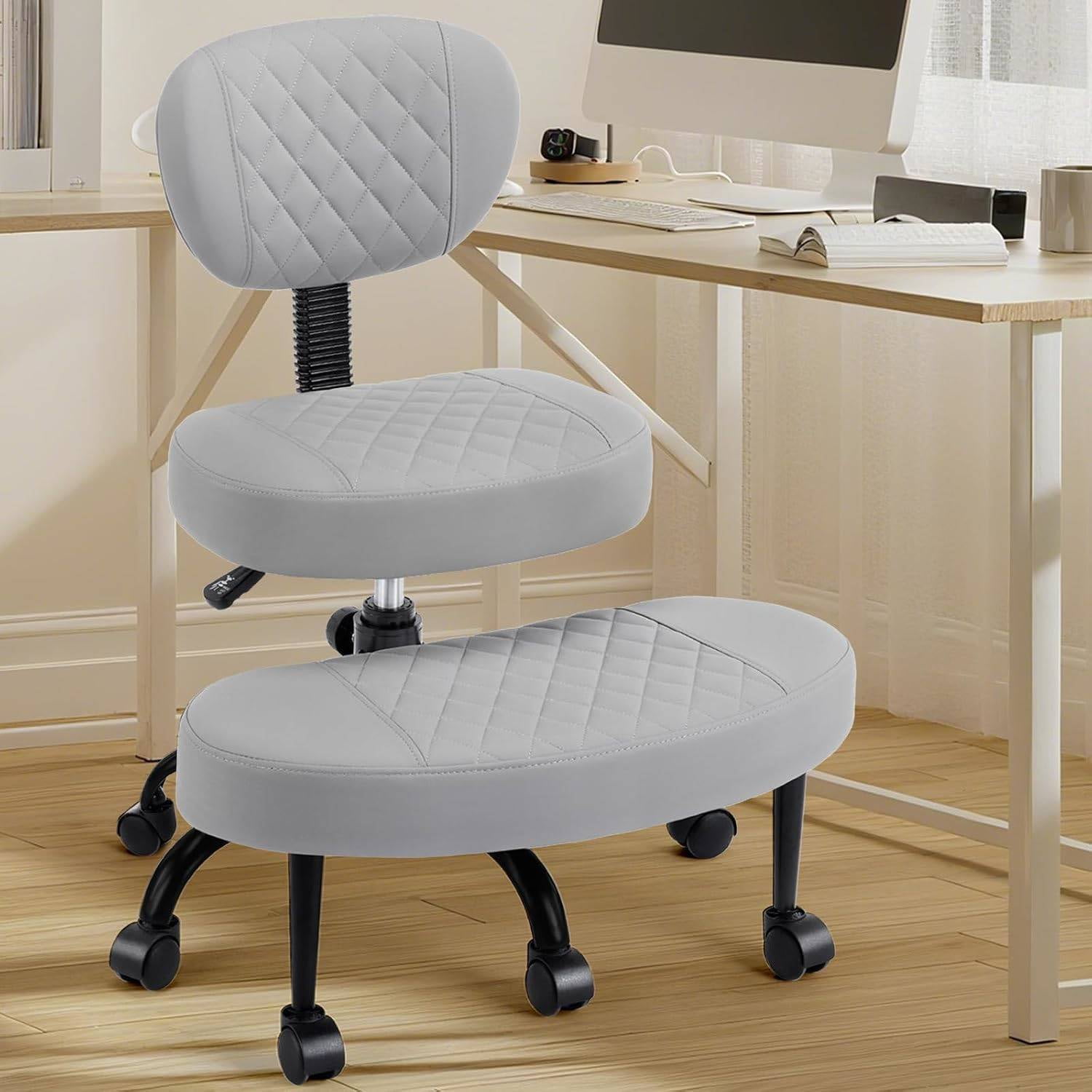
Embrace Natural Posture: The Rise of Cross Legged Office Chairs
Do you often find yourself tucking one leg under the other while working? You're not alone. Millions of people instinctively sit cross-legged to feel grounded, focused, and comfortable. The problem? Traditional office chairs punish this habit with hard plastic edges and inadequate support. Enter the cross legged office chair with back support — a hybrid design that merges the freedom of floor sitting with the spinal alignment of an ergonomic throne. In this guide, we explore why these chairs are gaining popularity and how to choose one that keeps you productive and pain-free.
Did you know? A 2023 survey by the Ergonomics Health Association found that 68% of remote workers occasionally sit cross-legged at their desks. Yet 82% reported thigh discomfort from standard chair edges. A cross legged chair eliminates this pinch point.
Anatomy of a Cross Legged Office Chair: What Makes It Different?
Unlike conventional task chairs, a cross legged friendly design focuses on three pillars: seat architecture, lumbar adaptability, and freedom of movement. Let's dissect each.
1. The Seat: Wide, Flat, and Generously Padded
Standard seats are 18-20 inches wide with a "waterfall edge" to relieve thigh pressure when legs are at 90°. For cross legged sitting, you need a wider canvas. Look for:
- Seat width of at least 24 inches – allows both knees to rest comfortably on the cushion without hanging off.
- High-density foam (2.5 inches or more) – prevents "bottoming out" when you sit on one hip.
- Flat or minimally contoured surface – some chairs have a slight dip; too much contour forces legs into a specific position. A flat cushion mimics the floor.
- Breathable fabric or leather – since you'll have more skin contact, moisture-wicking material (like mesh or perforated leather) prevents sweat.
Example: The FlexiSpot Cross-Legged Chair uses a 26-inch memory foam cushion with a cooling gel layer. Users report it feels like a yoga mat combined with a car seat.
2. Back Support That Moves With You
When you sit cross-legged, your pelvis rotates posteriorly (backward). A standard lumbar support might press into your lower back incorrectly. The solution is adjustable lumbar in both height and depth.
- Depth adjustment (at least 1 inch of travel) – fills the gap created by pelvic tilt.
- Flexible backrest that twists – some chairs have a split back design that accommodates shoulder movement when you reach across your body.
- Headrest optional – if you lean back while cross-legged, a headrest prevents neck strain. But if you sit forward, it may be unnecessary.
Data point: According to a 2024 study in the Journal of Ergonomic Design, chairs with 4D lumbar support reduced lower back discomfort by 53% for users who sit cross-legged, compared to fixed lumbar chairs.
3. Armrests: Flip-Up or Extra Wide?
Armrests can be a blessing or a barrier. For cross legged sitting, you often need to swing your legs up, so fixed armrests get in the way. Two popular configurations:
- Flip-up armrests – fold away when you want to sit criss-cross, then lower them for typing support.
- Extra-wide padded armrests – some users like to rest their elbows wide, similar to a throne. But ensure they are height-adjustable so they don't jam into your ribs.
Many designers now offer "4D armrests that pivot" allowing you to angle them outward for extra clearance.
4. Base and Stability: Don't Tip Over
A wider seat means a higher center of gravity when you lean. To prevent tipping, the best chairs feature:
- Reinforced aluminum or steel base – with a wider span (26-28 inches diameter).
- Class 4 gas lift – supports heavier loads and provides smooth height changes.
- Dual-wheel casters – for carpets or hardwood, they distribute weight evenly and roll quietly.
Analogy: The "Saddle vs. Throne" Concept
Think of a traditional office chair like a bicycle seat — designed for one specific posture. A cross legged chair is more like a wide saddle on a camel: it allows you to shift, kneel, or fold your legs while maintaining a stable platform. This "active sitting" approach keeps your core engaged and improves circulation.
Health Benefits of a Cross Legged Office Chair with Back Support
Opens the hip flexors, counteracting tightness from constant sitting. Regular use can improve flexibility by 20% over 3 months (source: Physical Therapy & Wellness Journal).
No edge pressing behind knees means blood flows freely. Reduces risk of deep vein thrombosis (DVT) for long sitters.
Many users report feeling more centered and less fidgety. The posture is linked to lower cortisol levels in a 2022 neuroergonomics study.
With proper lumbar support, the natural S-curve is maintained even when pelvis is tilted. Prevents slouching.
Material Matters: Choosing Upholstery for Cross Legged Use
| Material | Pros for Cross Legged | Cons | Best For |
|---|---|---|---|
| Breathable Mesh | Excellent airflow, no sweating between legs | Less cushioning, may need extra seat pad | Hot climates, active sitters |
| Memory Foam + Fabric | Conforms to leg shape, plush comfort | Can retain heat, may require rotation | Luxury feel, extended comfort |
| Top-Grain Leather | Durable, easy to clean, professional look | Slippery for some fabrics (like yoga pants), can get sticky | Executive style, easy maintenance |
| Velvet / Chenille | Soft, warm, cozy aesthetic | Less durable, stains easily | Home office, style-focused |
5-Step Selection Guide: Find Your Perfect Cross Legged Chair
Step 1: Measure Your "Sitting Spread"
Sit on the floor cross-legged and measure the distance between your outer knees. Add 4 inches. That's your minimum seat width. For most adults, 24-27 inches works.
Step 2: Test Lumbar Depth
Visit a store or check return policies. The backrest should allow you to press the lumbar support deeper into the chair (some have air bladders). If it's fixed, it may poke you.
Step 3: Decide on Armrests
Do you want them to flip up, or are you fine with wide fixed ones? If you frequently switch between cross-legged and standard sitting, flip-up is ideal.
Step 4: Check the Gas Lift Class
Class 3 (up to 220 lbs) is standard; Class 4 (up to 330 lbs) is safer for wider seats. Class 5 (400+ lbs) for heavy-duty use. This ensures the cylinder won't fail when you shift weight.
Step 5: Read Reviews for "Sitting Cross Legged"
Search reviews specifically for phrases like "I can sit criss-cross" or "great for lotus position." Real user feedback reveals if the seat edge digs in.
Frequently Asked Questions: Cross Legged Office Chair with Back Support
Conclusion: Invest in Your Comfort, Freedom, and Spine
A cross legged office chair with back support is more than a trend — it's an acknowledgment that one posture doesn't fit all. By choosing a chair that adapts to your natural sitting style, you reduce physical stress, boost circulation, and create a workspace that feels like a sanctuary. Whether you're a designer, writer, or executive who prefers to think outside the box (and off the floor), the right chair can transform your workday. Use this guide to navigate the options, and remember to prioritize adjustability and seat width above all. Your body will thank you.