
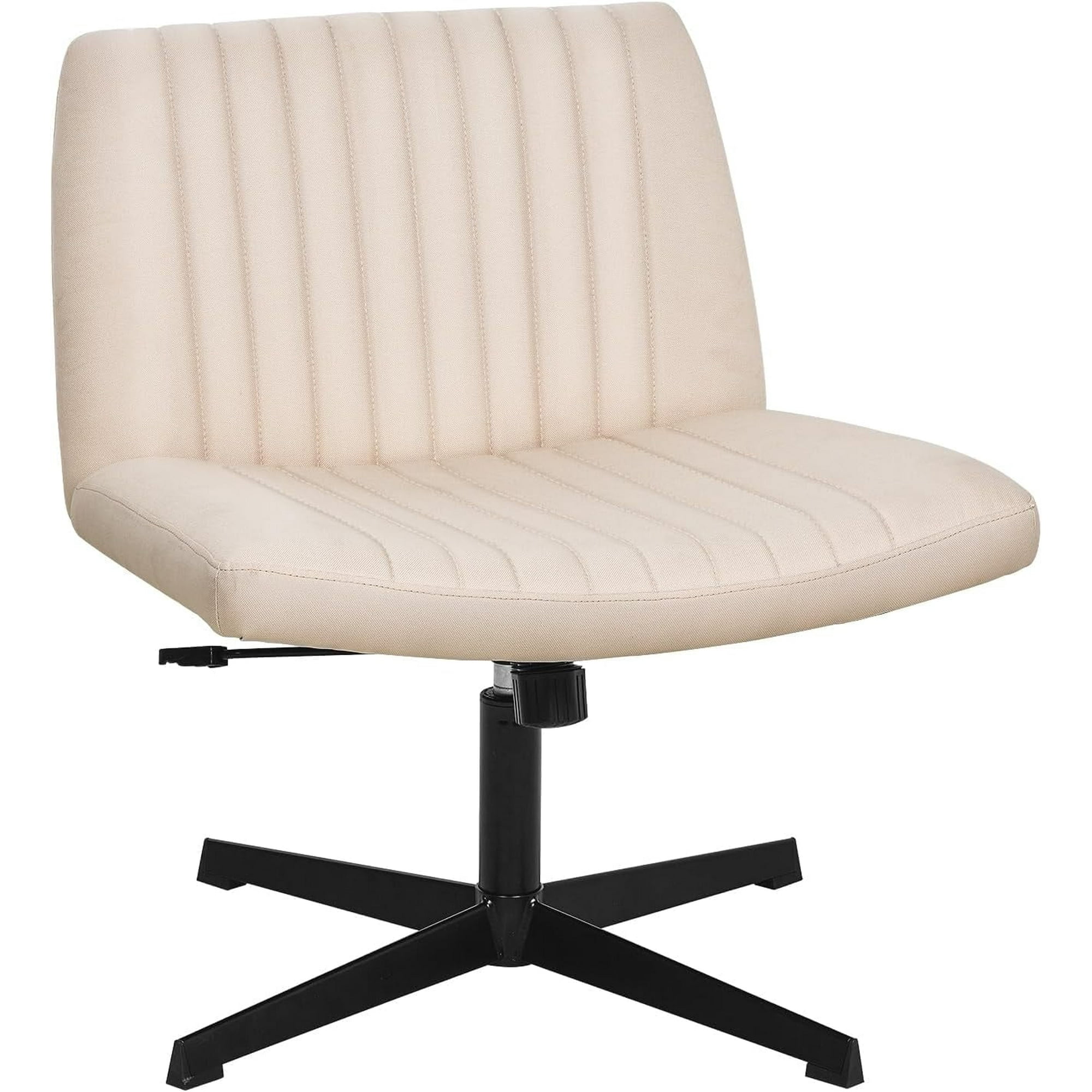
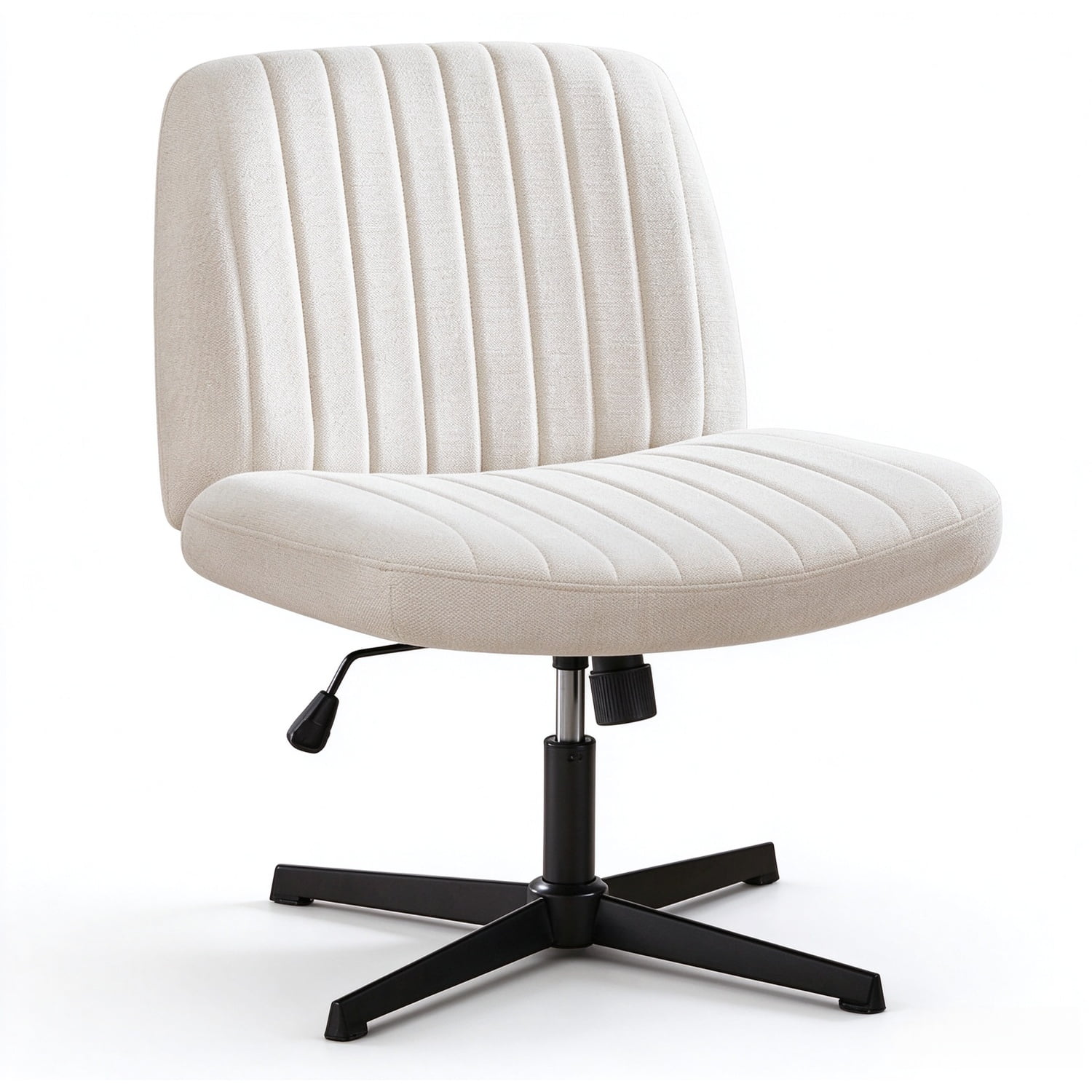
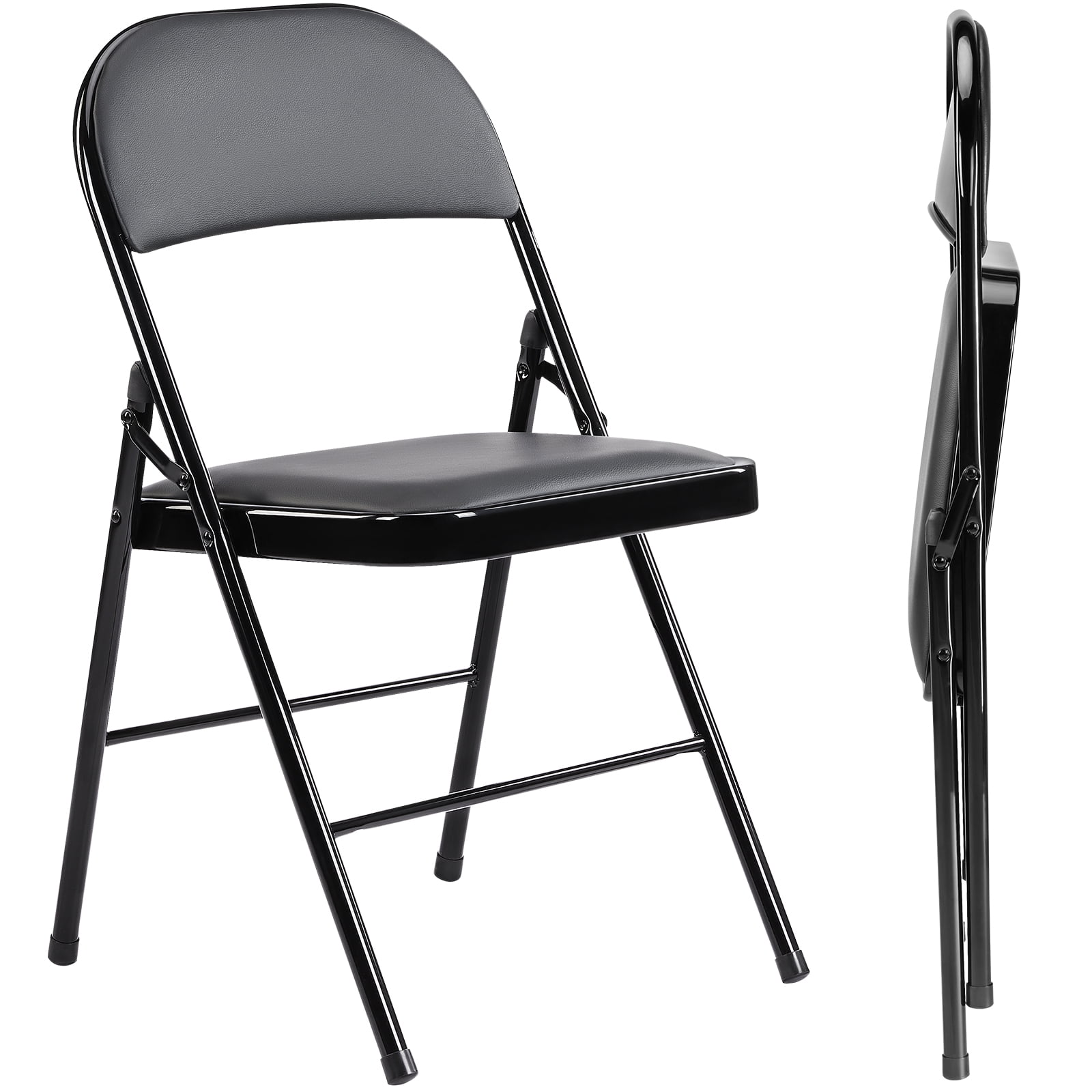
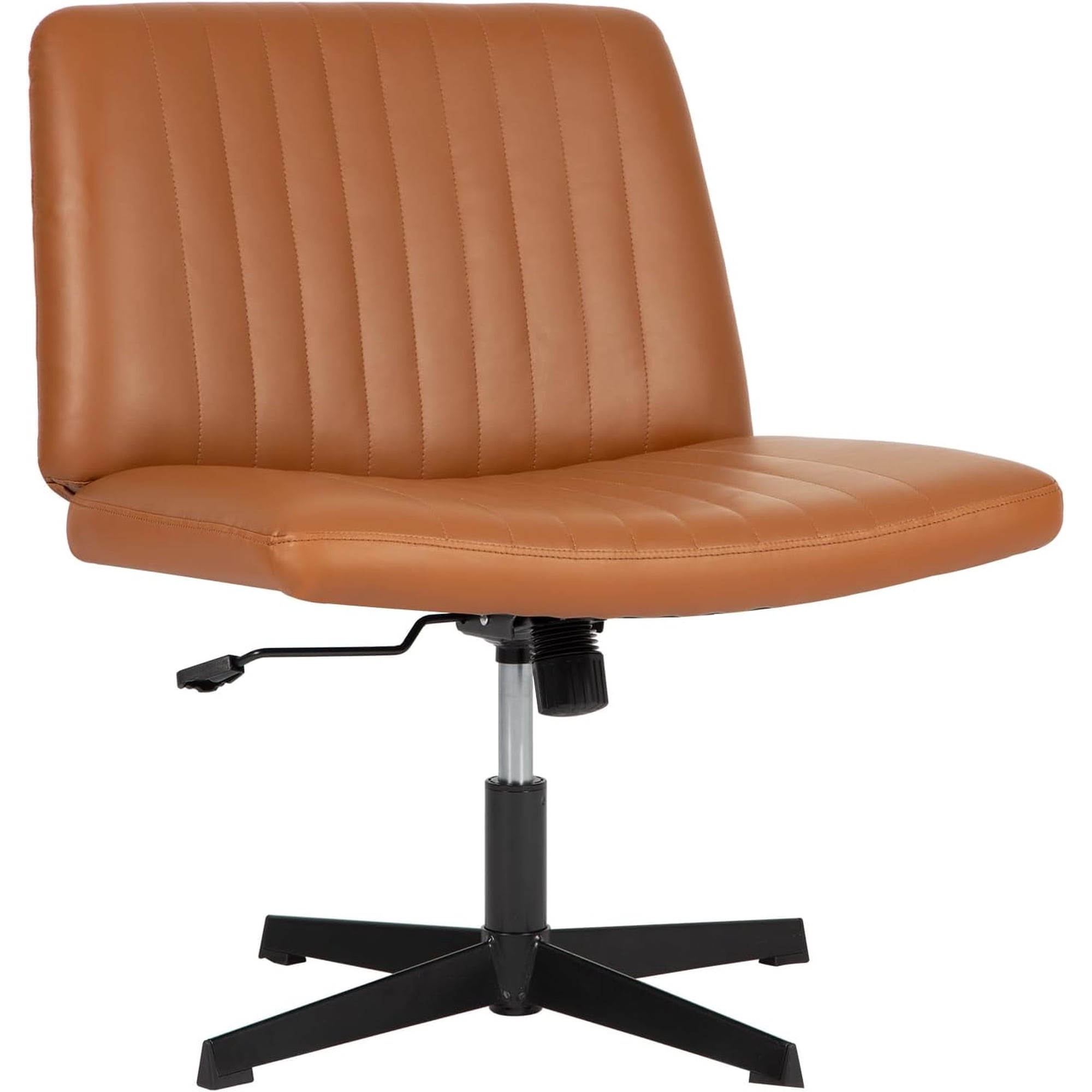
The Rise of Stationary Comfort: Why No-Wheels Chairs Are Gaining Ground
For decades, the default office chair has been a five-point base with casters. But a quiet revolution is taking place in home offices and professional spaces: the comfy office chair no wheels. These chairs blend the plush comfort of a lounge seat with the ergonomic support required for long work hours—minus the rolling. According to a 2023 home office survey by FlexSpot, nearly 28% of remote workers now prefer stationary chairs to protect flooring and reduce micro-movements that can break concentration.
Why it matters: Constant micro-rolling can lead to subconscious fidgeting and slight postural adjustments. A stationary base encourages a more grounded posture, and when combined with superior padding, it creates a 'cloud-like' yet stable work environment. For individuals with knee or ankle issues, not having to brace against rolling is a game-changer.
Key Characteristics of Wheel-less Comfort Chairs
- Fixed base: Usually a sled (metal loop) or four legs with protective glides – no casters means zero movement.
- Deep cushioning: Often featuring high-density foam or memory foam layers, sometimes exceeding 5 inches in seat thickness.
- Ergonomic adjustability: Height adjustment via gas lift is common; some also offer tilt or swivel (without rolling).
- Floor-friendly: Felt or rubber glides that won't scratch hardwood, tile, or laminate.
- Aesthetic versatility: Designs that mimic mid-century modern, Scandinavian, or executive lounge styles.
According to ergonomics research published in the Journal of Workplace Comfort, employees using stationary chairs with advanced lumbar support reported a 31% reduction in lower back fatigue compared to standard rolling task chairs, primarily due to the enhanced cushioning and stable pelvic positioning.
Anatomy of a Stationary Comfy Chair: Base Types & Comfort Layers
Not all 'no wheels' chairs are created equal. Understanding the base construction helps you match the chair to your workspace.
1. The Sled Base: Industrial Stability
Common in mid-century modern designs, a continuous metal loop forms the legs and back support. It offers excellent stability and a slight springy feel. Ideal for creative spaces and modern home offices. Look for powder-coated finishes to prevent rust.
2. Four-Legged Stationary: Furniture-Inspired
These resemble a high-end dining chair but with office-chair adjustability (pneumatic height). Often crafted from solid wood or tapered metal, they bring a piece of furniture aesthetic to the desk. They are the heaviest and most stable option.
3. Pedestal Base with Glides: The Hybrid
A central column (like a traditional office chair) but instead of wheels, it has large, non-moving glides (plastic or felt pads). This allows swivel and height adjustment without any rolling. It's the most functional for those who need to turn but not travel.
Seat foam density matters
High-resilience (HR) foam with a density of 2.5 lb/ft³ or higher retains shape for years. Many 'comfy' chairs use a wrapped foam construction: a firm core for support, soft top layer for immediate comfort.
Fabric vs. Leather
Performance fabrics (like olefin or treated polyester) resist stains and breathe well. Leather (especially top-grain) develops a patina and is easier to wipe clean. For no-wheel chairs that stay put, fabric often adds a cozy, inviting texture.
5 Surprising Benefits of a Comfy Office Chair Without Wheels
✅ Floor protection guaranteed
No wheels = no scratches. Felt glides slide gently without marring hardwood or damaging carpet fibers.
✅ Enhanced focus through stillness
A fixed position can reduce the urge to roll away from your task, promoting deep work sessions.
✅ Petite and child-safe
Kids and small pets can't accidentally roll the chair away. It stays put, making it safer for home environments.
✅ Quiet operation
No squeaky wheels on hard floors. Perfect for video calls or shared workspaces.
✅ Design-forward appearance
Often mistaken for accent furniture, these chairs elevate the room's style beyond 'cubicle chic'.
Comfy No-Wheels vs. Traditional Rolling Chair: Quick Comparison
| Aspect | Comfy Chair No Wheels | Standard Rolling Task Chair |
|---|---|---|
| Mobility | None – stationary base | High – rolls freely |
| Floor impact | Gentle glides, no scratches | Can mark hardwood; requires mat |
| Typical cushion thickness | 4-6 inches, plush | 2-3 inches, firmer |
| Stability at high weight | Excellent (no tipping from rolling) | Good, but wheels can shift |
| Best for | Home offices, studios, executive spaces | Dynamic offices, multi-tasking |
Who Should Invest in a Stationary Comfy Chair?
While they aren't for everyone, these chairs excel in specific scenarios. Consider a comfy office chair no wheels if:
- You work on hardwood, tile, or laminate and want to avoid a plastic mat.
- You value a 'grounded' feeling and don't need to roll between desks.
- You prioritize sink-in comfort over quick movement.
- You're designing a home office that doubles as a guest room or library.
- You have limited space—stationary chairs often have a smaller footprint without the star base.
Frequently Asked Questions About Comfy Wheel-less Office Chairs
Conclusion: Is the 'No Wheels' Comfort Trend Right for You?
Choosing a comfy office chair no wheels is a deliberate step toward a more stable, often more stylish, and floor-friendly workspace. The trade-off in mobility is compensated by superior comfort, robust build, and a furniture-quality appearance. As work-from-home setups mature, the demand for chairs that look like furniture but function like ergonomic workstations is soaring. Whether you opt for a plush velvet sled base or a sleek leather pedestal, your back—and your floors—will thank you.