
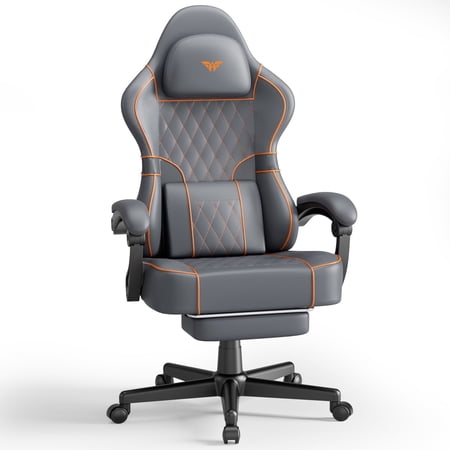
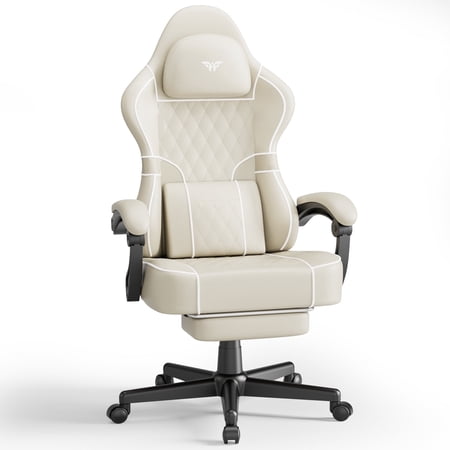
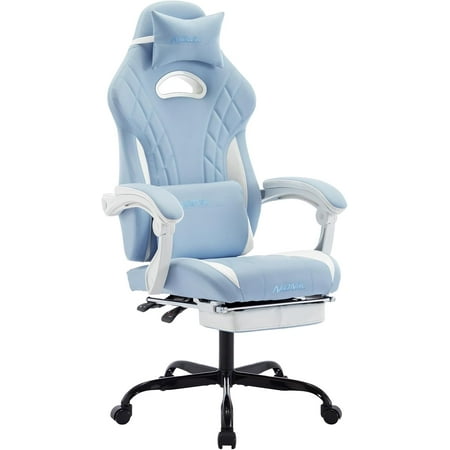
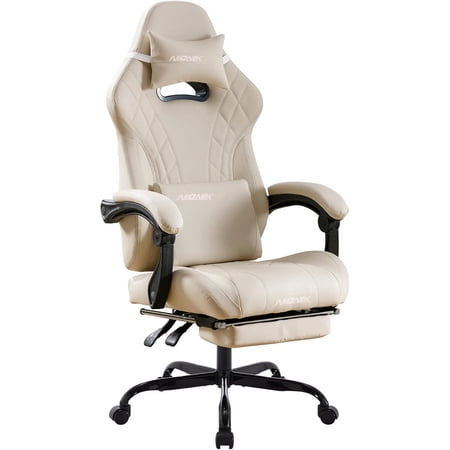
The Ultimate Guide to Comfortable Office Chairs with Footrests
Imagine coming home after a 10-hour workday and realizing your legs don't ache, your lower back isn't screaming, and you actually have energy left for your family. That's the transformative power of a comfortable office chair with footrest. It's not just a piece of furniture; it's an investment in your daily wellbeing and long-term health.
Ergonomic Insight: Research from the Human Factors and Ergonomics Society indicates that workers who use chairs with proper leg support report 34% less lower back discomfort and 28% higher job satisfaction compared to those using standard office chairs. The ability to elevate feet periodically reduces spinal compression by up to 30%.
Why a Footrest Transforms Your Seating Experience
A comfortable office chair with footrest addresses a fundamental flaw in traditional office seating: the 90-90-90 degree rule. While ergonomists recommend keeping feet flat on the floor, this position becomes problematic after hours of sitting. Here's why integrated footrests are game-changers:
- Dynamic Leg Positioning: A footrest allows you to alternate between feet-flat and feet-elevated positions, preventing stiffness and promoting natural movement throughout the day.
- Reduced Hamstring Tension: Elevating your feet slightly relaxes the hamstrings, which directly reduces pulling on the pelvis and alleviates lower back strain.
- Improved Venous Return: According to vascular specialists, elevating legs for just 15 minutes every 2 hours can increase blood flow velocity by 40%, significantly reducing the risk of deep vein thrombosis (DVT) for desk workers.
- Natural Recline Support: When you lean back in your chair, a footrest prevents you from sliding forward and maintains proper spinal alignment.
Types of Footrest Mechanisms in Office Chairs
Not all footrests are created equal. Understanding the different mechanisms helps you choose the right chair for your work style:
🔄 Flip-Up Footrest
How it works: A platform that folds out from under the seat, typically rotating 180 degrees.
Best for: Users who want a clean, professional look when the footrest isn't in use. Ideal for shared workspaces or video calls.
Most Popular
📏 Extendable Slide-Out
How it works: A foot platform that slides out horizontally from beneath the seat, often with multiple extension positions.
Best for: Taller individuals who need extra legroom. Allows precise positioning based on leg length.
Adjustable
📐 Multi-Angle Articulating
How it works: A sophisticated mechanism that allows the footrest to tilt and lock at various angles, similar to a recliner footrest.
Best for: Users who like to recline deeply while working or take power naps during breaks.
Premium Choice
⚡ Ottoman-Style Attached
How it works: A separate cushioned ottoman that attaches to the chair, often with its own casters.
Best for: Maximum comfort and those who want the feeling of a recliner in their office.
Luxury Feel
The Science of Comfort: Why Your Legs Matter More Than You Think
When ergonomists design chairs, they focus heavily on the spine, but the legs are equally important. Think of your legs as the foundation of a house. If the foundation is unstable, everything above it suffers. Here's the physiological chain reaction that occurs when you sit without proper leg support:
- Pressure Buildup: Sitting with feet flat for hours creates pressure under the thighs, compressing blood vessels.
- Reduced Circulation: Compressed vessels slow blood flow, leading to oxygen deprivation in leg muscles.
- Muscle Fatigue: Oxygen-starved muscles tire quickly, leading to restlessness and constant position shifting.
- Pelvic Tilt: Fatigued leg muscles cause the pelvis to rotate posteriorly (slouching).
- Spinal Stress: A tilted pelvis forces the lumbar spine out of alignment, creating disc pressure.
- Neck and Shoulder Tension: The body compensates for poor spinal alignment by tensing upper body muscles.
A comfortable office chair with footrest breaks this chain at step one. By periodically elevating your legs, you restore circulation, maintain pelvic neutrality, and keep your entire kinetic chain aligned.
Key Features to Look for in a Chair with Footrest
When shopping for the perfect comfortable office chair with footrest, prioritize these features to ensure you're getting genuine value:
| Feature | Why It Matters | What to Look For |
|---|---|---|
| Footrest Padding | Unpadded footrests can be uncomfortable and defeat the purpose of relaxation | At least 1-inch thick cushioning with memory foam or high-density foam |
| Footrest Surface Area | Small footrests force awkward foot positioning | Minimum 15" x 10" surface area; textured non-slip surface preferred |
| Weight Capacity | Footrest mechanisms must support your leg weight plus any downward pressure | Minimum 300lb capacity for the footrest mechanism itself, not just the chair |
| Seat Depth Adjustment | Ensures proper distance from seat edge to footrest | At least 2-3 inches of seat depth adjustment range |
| Recline Synchronization | Footrest should work seamlessly with chair recline | Footrest that maintains position or adjusts automatically as you recline |
| Material Durability | Footrest mechanisms undergo repetitive stress | Steel frame construction with reinforced pivot points |
Who Benefits Most from a Footrest Chair?
While virtually anyone can benefit, certain groups find comfortable office chairs with footrests particularly transformative:
Spend 10-12 hours daily monitoring screens; footrests reduce restlessness and improve focus during market hours.
Long coding sessions require intense concentration; comfort eliminates physical distractions.
Creative flow is disrupted by physical discomfort; footrests maintain the zone.
Long hours of online teaching; footrests allow subtle position changes without leaving camera view.
Patient consultations require focused presence; comfort enhances professional demeanor.
Back-to-back virtual meetings; footrests reduce fatigue without distracting movement.
Common Myths About Office Chairs with Footrests
Let's debunk some misconceptions that might be holding you back from experiencing true seating comfort:
How to Test a Comfortable Office Chair with Footrest
Before purchasing, whether in-store or online with a good return policy, test these specific aspects:
- The Transition Test: Deploy and stow the footrest multiple times. Does it operate smoothly? Does it lock securely in both positions?
- The Weight Test: Place your full leg weight on the footrest and gently bounce. Listen for creaking or instability.
- The Angle Test: If the footrest articulates, test all angle positions. Does it hold firmly at each setting?
- The Recline Test: Recline the chair with feet on the footrest. Does the footrest maintain a comfortable angle, or does it force your legs into an awkward position?
- The 30-Minute Test: Sit in the chair for at least 30 minutes with the footrest deployed. Note any pressure points or discomfort.
Maintenance Tips for Longevity
A quality comfortable office chair with footrest is an investment. Protect it with these maintenance practices:
- Monthly Mechanism Inspection: Check all pivot points and locking mechanisms for looseness. Tighten any accessible bolts.
- Quarterly Lubrication: Apply silicone-based lubricant to moving parts. Avoid oil-based lubricants that attract dust.
- Immediate Spill Response: If liquids spill on the footrest, dry immediately. Moisture can rust internal mechanisms.
- Weight Awareness: Never stand on the footrest. It's designed for resting legs, not supporting full body weight.
- Surface Cleaning: Wipe footrest surfaces weekly with appropriate cleaner (leather cleaner for leather, mild soap for fabric).