
Why 'Cheap' and 'Comfortable' Can Coexist in an Office Chair
There's a common myth that you need to spend a month's rent on an office chair to get decent comfort. The reality? The market for cheap comfortable office chairs has exploded. Thanks to advancements in materials and manufacturing, you can now find seating that supports your back, feels great, and leaves your bank account happy. Think of it like finding a hidden gem in a thrift store—it's all about knowing what to look for.
Did You Know? A survey by the American Chiropractic Association found that 70% of office workers who switched to an ergonomic chair, even a budget model, reported a significant decrease in daily discomfort. The key is the right features, not just the price tag.
The Anatomy of a Budget-Friendly Comfort Chair
What makes a cheap chair actually comfortable? It's not just about a thick cushion. It's a combination of factors working together. Let's break down the essential components you should examine before clicking "buy."
- The Cushion Conundrum: Look for high-density foam. It's firmer initially but resists flattening over time. A seat depth of 17-20 inches and a width of at least 20 inches generally fits most body types. A waterfall edge (where the front curves down) is non-negotiable for leg circulation.
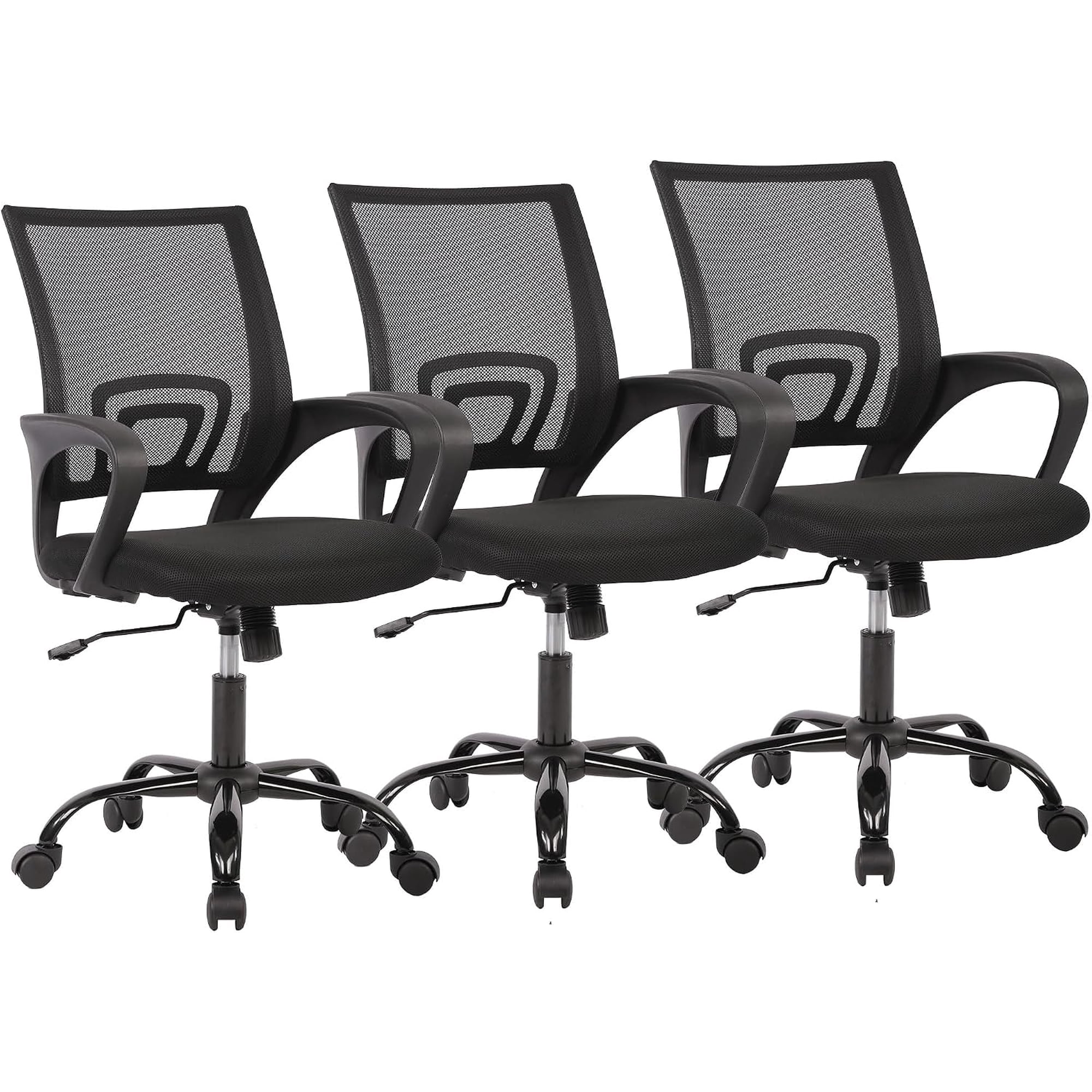
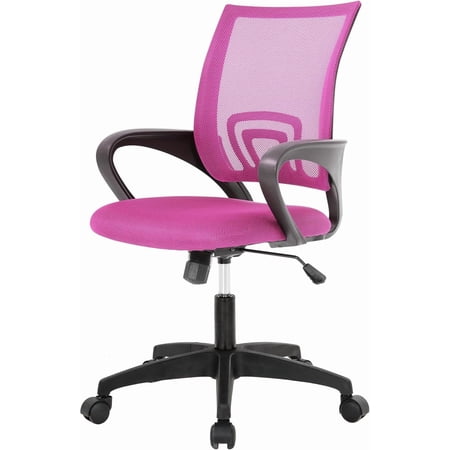
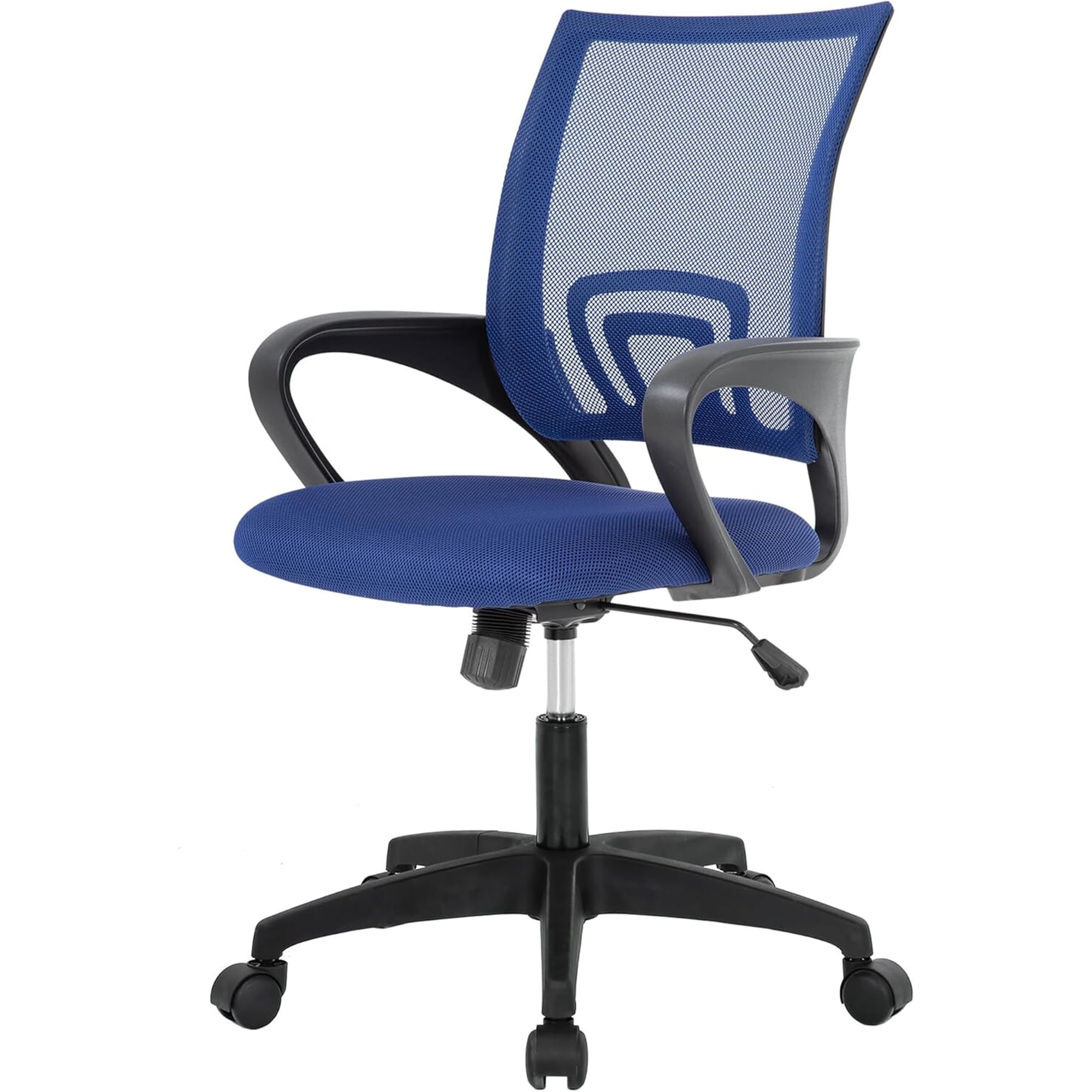
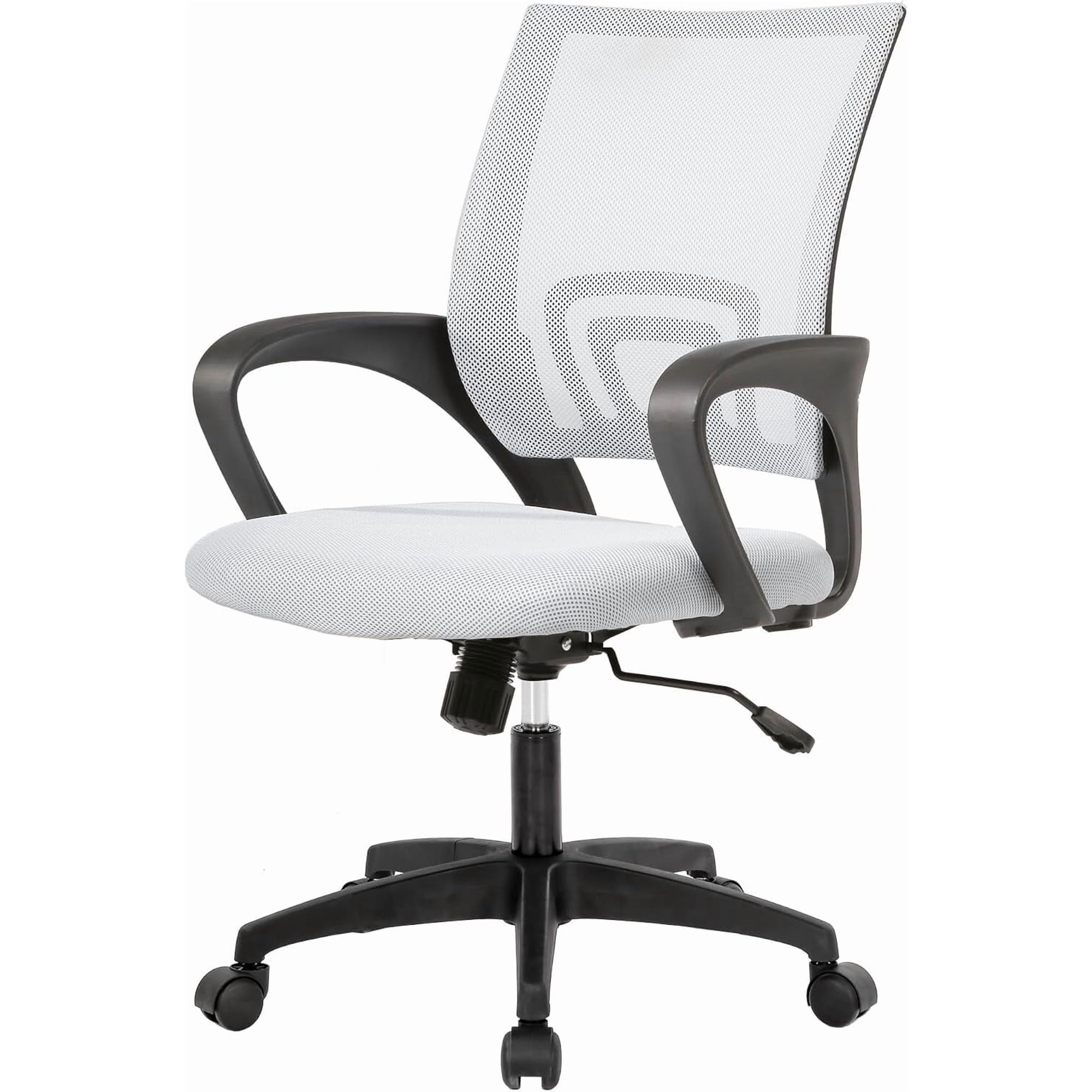
- Back Support on a Budget: Many cheap chairs skimp here. You want either an adjustable lumbar pad (a small pillow you can move up/down) or a built-in lumbar curve that aligns with your lower back. A breathable mesh back is a huge plus for all-day comfort.
- The Base & Mobility: A sturdy five-point base (usually nylon or plastic) is standard. For casters, if you have hardwood floors, look for soft rubber casters to prevent scratches. On carpet, standard hard plastic casters work fine.
- Armrests - The Unsung Heroes: Fixed armrests can be a pain if they're too high or low. At a minimum, ensure they are at a height where your shoulders are relaxed. Flip-up armrests are a fantastic feature on budget chairs, allowing you to tuck the chair under the desk when not in use.
Comfort vs. Support: Finding the Balance
Imagine a plush sofa—it feels great for an hour, but after four, your back aches. A good office chair needs to balance "comfort" (softness) with "support" (structure). In the budget category, the best chairs lean slightly towards support. They use firmer foam and a defined back shape to hold your posture correctly. The comfort comes from the materials being breathable and the adjustments allowing you to find your perfect sitting position. It's like a good running shoe: it feels snug and supportive, not like you're sinking into a marshmallow.
⚡ The "Goldilocks" Test for Budget Chairs
When you sit in a cheap comfortable office chair, it shouldn't feel too hard or like you're sinking in. Here’s a quick test: Sit for 5 minutes. Do you feel any pressure points (like the back of your knees or your tailbone)? Adjust the height. Is your lower back making contact with the backrest, or is there a gap? If there's a gap, you need better lumbar support. The right chair will make you forget you're sitting—it just feels neutral.
5 Hidden Gems: Features That Punch Above the Price Class
You don't need a $1,000 chair to get smart features. Manufacturers are increasingly adding "premium" touches to affordable models. Keep an eye out for these:
- Synchro-tilt mechanism: Often found in mid-range chairs, this allows the backrest and seat to move in a controlled ratio (usually 2:1 or 3:1) as you recline, keeping you supported in any position.
- Adjustable lumbar depth: Some budget chairs now offer a knob that pushes the lumbar support forward or backward, not just up and down. This is a game-changer for customizing fit.
- Breathable mesh fabric: Full mesh backs and even mesh seat cushions are becoming common in the $150-$250 range, providing unparalleled airflow.
- Class 3 or Class 4 gas lift: This is the cylinder that raises and lowers the chair. A higher class (3 or 4) indicates better quality and durability, preventing that dreaded sinking feeling.
- Weight capacity ratings above 250 lbs: Even if you weigh less, a chair rated for 275 or 300 lbs is built with stronger materials and will last longer.
Material Matters: Choosing the Right Cover for Your Wallet
The covering material drastically affects both price and comfort. Here’s a quick rundown for the budget-conscious shopper:
Mesh
Best for: Hot climates, all-day wear.
Pros: Maximum breathability, durable, often looks modern.
Cons: Can feel less "cozy" initially.
Fabric
Best for: A soft, warm feel.
Pros: Cozy, available in many colors, usually quiet.
Cons: Can trap heat, may stain easier.
PU/Faux Leather
Best for: Easy cleaning, sleek look.
Pros: Wipes clean, looks premium.
Cons: Can get sticky in heat, prone to peeling over 2-4 years.
The "Sit Test": How to Evaluate a Cheap Chair Before You Buy
Since you're likely buying online, you can't physically sit in the chair. But you can do the next best thing: analyze reviews like a detective. Here's a strategy we call the "3-30-300 Rule":
- Look for the 3-day review: What do people say about initial setup and first impressions? "Easy to assemble" and "looks great" are common here.
- Focus on the 30-day review: This is your goldmine. Search reviews for "30 days later," "after a month," or "update." This is when the true comfort level—good or bad—reveals itself. Look for comments on cushion breakdown or developing back pain.
- Value the 300-day review: These long-term reviews tell you about durability. Do the casters still roll smoothly? Is the mesh sagging? Has the gas lift failed? A chair with many positive long-term reviews is a safe bet.
Why a Cheap Comfortable Office Chair is a Smart Investment
Think of your office chair not as an expense, but as a tool for productivity. An uncomfortable chair leads to fidgeting, frequent breaks, and distracted work. It's like trying to run a marathon in flip-flops. A cheap comfortable office chair removes that physical distraction, allowing you to focus on your tasks. Studies have shown that ergonomic comfort can boost productivity by up to 17.5%. Spending $150 on a chair that helps you work better is easily recouped in a few days of improved output. It's one of the highest-ROI purchases you can make for your home office.
Frequently Asked Questions: Your Budget Comfort Queries Answered
Final Verdict: Your Path to Affordable Comfort
Finding a cheap comfortable office chair is absolutely achievable. It just requires shifting your focus from the price tag alone to the value the chair provides. By understanding key features like lumbar support, seat material, and adjustability, you can make an informed choice that keeps your spine happy and your wallet intact. Remember the "3-30-300" review rule and prioritize chairs with breathable mesh and high-density foam. The perfect budget chair is out there—one that supports you through every deadline and video call without causing discomfort. Start your search with the top-rated models above, and take the first step towards a more comfortable and productive workday.
Final Thought: Your comfort is an investment in your daily well-being. A chair in the $150-$200 range that lasts five years costs you less than 10 cents per hour of use. That's a small price for a pain-free back and focused work.