
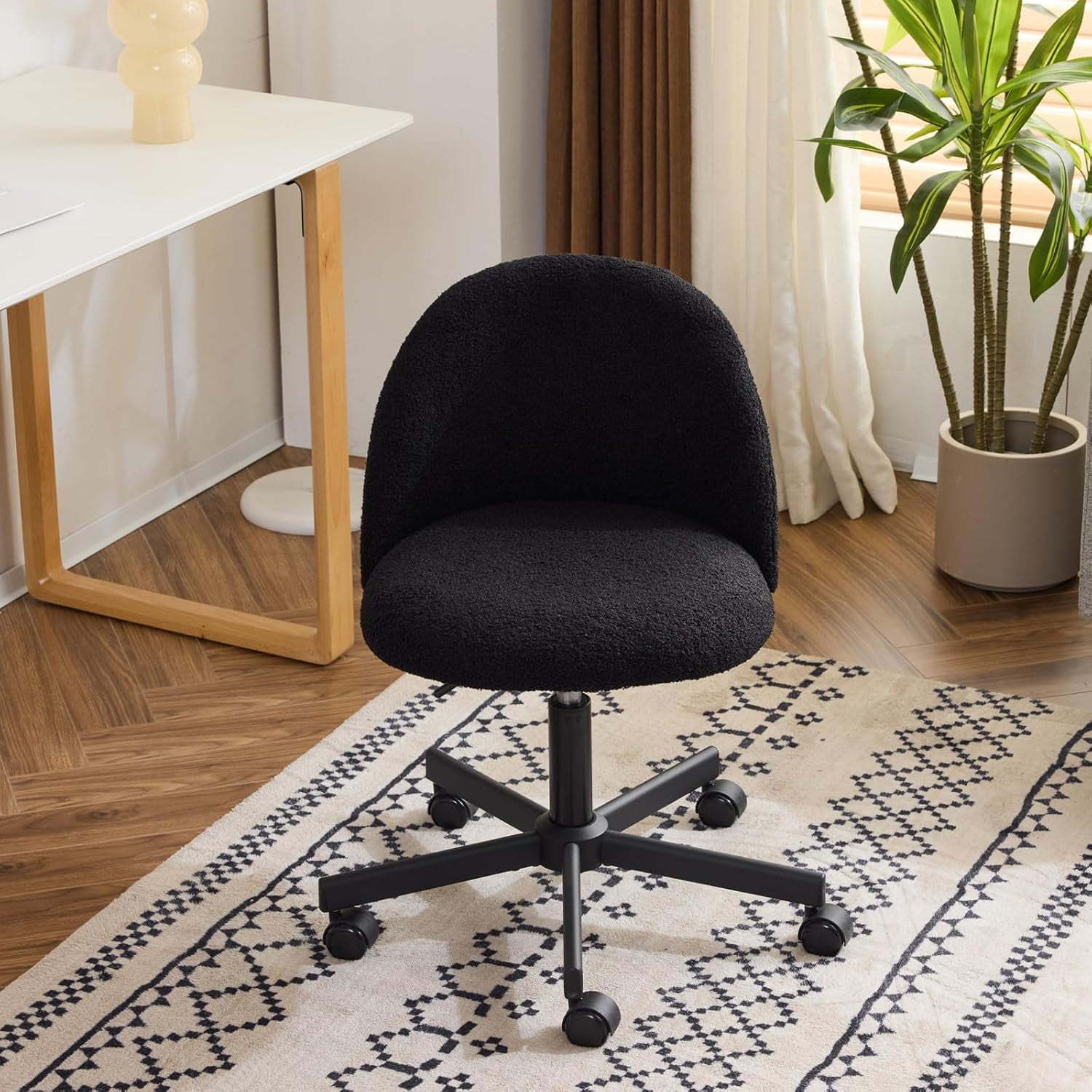
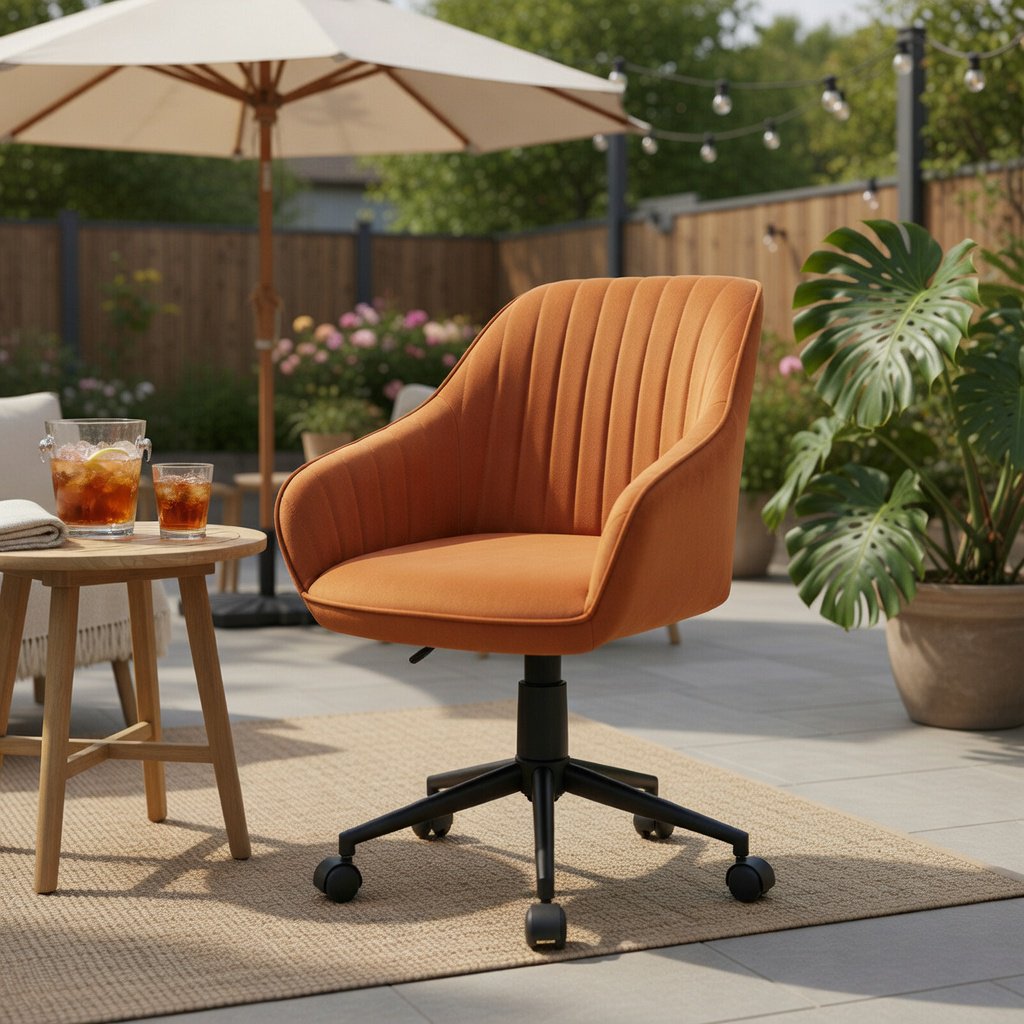
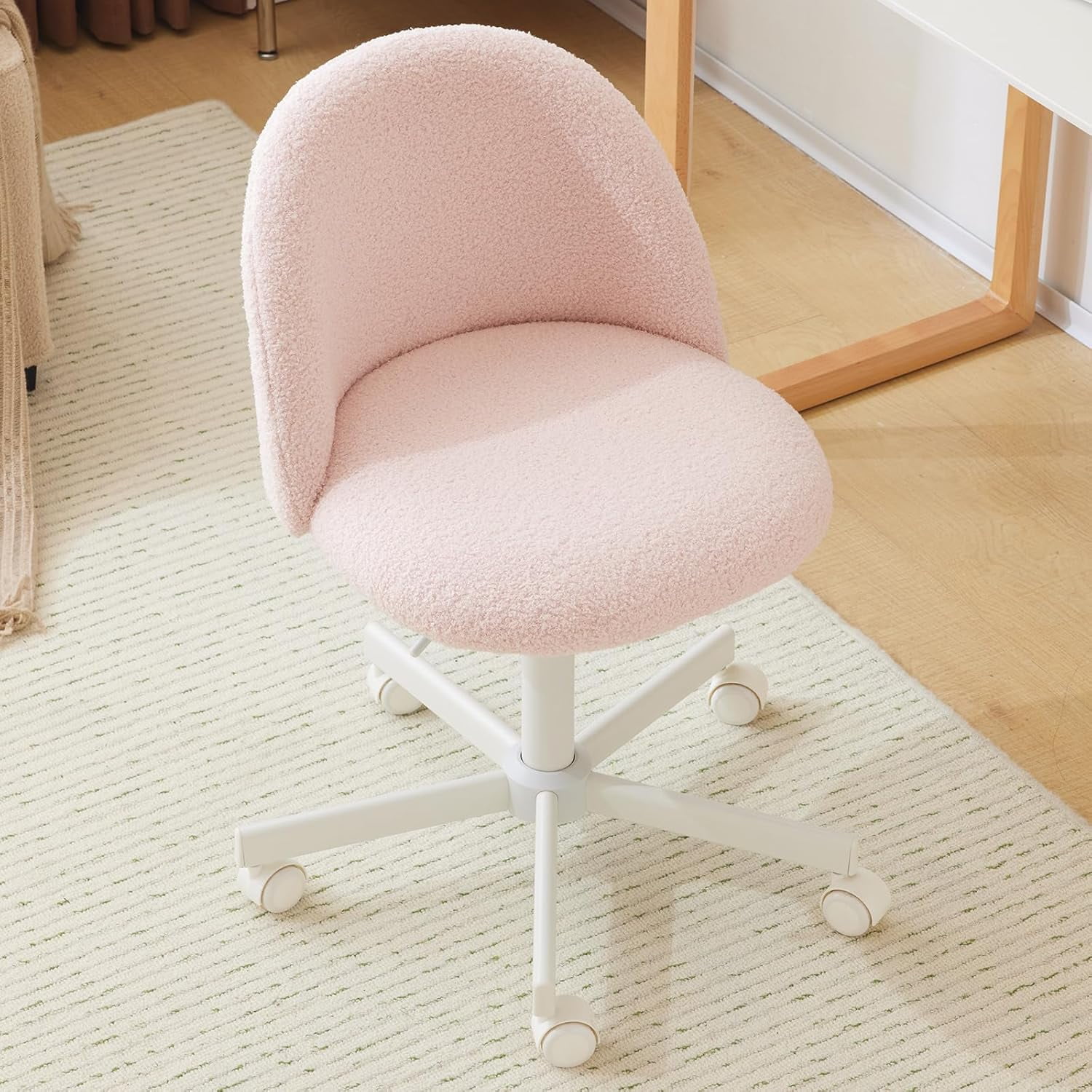
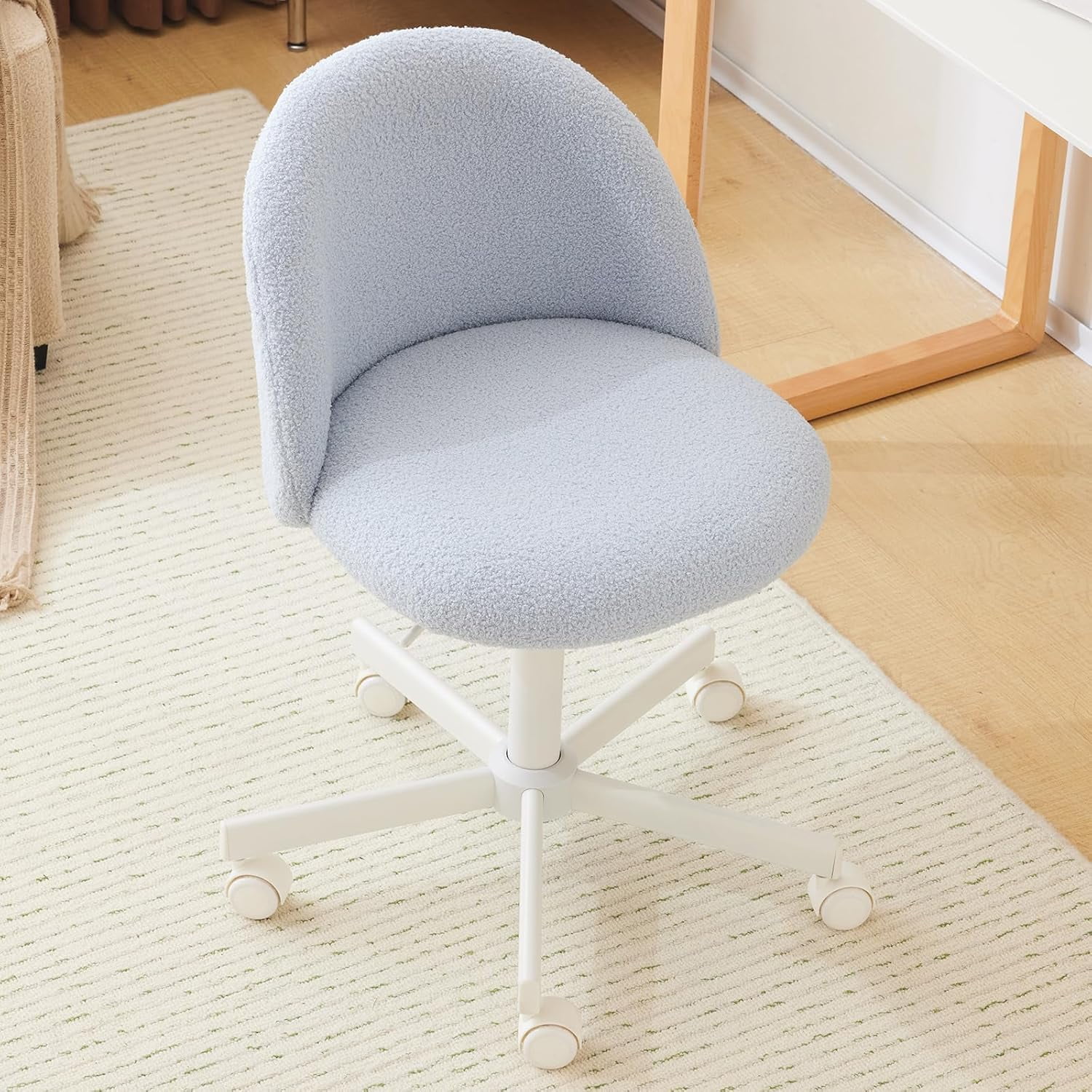
Why “Small” and “Comfortable” Can (and Should) Coexist
If you think a compact chair means sacrificing support, think again. Modern small comfortable office chairs are engineered for users who need a lower profile, narrower seat, or simply want to maximize floor space. According to a 2023 home office survey, 43% of remote workers use desks smaller than 48 inches, and a full‑size executive chair often overwhelms the room. A properly scaled chair not only fits your space but also your body—especially if you're under 5'6" or have a petite frame.
Ergonomic reality check: A chair that's too big can cause slouching, thigh pressure, and misaligned armrests. A small comfortable chair that matches your measurements keeps your spine neutral and feet flat. Studies show that using a proportionate chair reduces fatigue by nearly 37% over a workweek.
Anatomy of a Small Comfortable Office Chair
Not every “small” chair is built the same. Here are the defining traits that separate a genuinely comfortable compact chair from a flimsy one:
- Compact seat dimensions: Typically 18–20 inches wide and 16–18 inches deep—ideal for smaller users or tighter quarters.
- Lower backrest height: Usually 20–24 inches tall (without headrest) so it fits under low cabinets or window sills.
- High‑density foam or memory foam cushion: Thinner doesn't mean harder; quality foam provides resilience even in slim profiles.
- Weight‑activated tilt or tension control: Ensures the recline responds to lighter body weights, so petite users aren't fighting a stiff mechanism.
- Adjustable arms (or armless option): 2D or flip‑up arms let you slide the chair under a small desk when not in use.
Did you know?
The term “small office chair” often overlaps with “task chair,” but comfort features like waterfall edges, breathable mesh, and lumbar support are now standard in quality compact models. You don't have to choose between size and ergonomics anymore.
Key Benefits of Choosing a Smaller Scale Chair
✅ Space efficiency
Leaves room for filing cabinets, plants, or just breathing space in a compact home office.
✅ Better fit for petites
No more dangling feet or digging armrests—proportional support from seat to back.
✅ Lightweight & movable
Easy to tuck away or carry to another room for hybrid work setups.
⚠️ Weight capacity limits
Most are rated 225–275 lbs; always check specs if you need higher.
⚠️ Fewer “bells & whistles”
Some ultra‑compact chairs may omit headrests or extended recline.
⚠️ Not ideal for tall users
If you're above 5'10", a standard chair will likely serve you better.
5 Essential Features to Look For (Detailed Checklist)
- Seat width & depth adjustability: Even small chairs can have sliding seats. Ensure at least 2” of depth adjustment to support your thighs without pressure behind the knees.
- Lumbar support that moves with you: Look for height‑adjustable lumbar or built‑in curves that align with the lower back (around 6–8 inches above the seat).
- Breathable material: Mesh backs prevent sweat, while fabric or padded seats add softness. Bonded leather is also common but may retain heat.
- Stable base with smooth casters: A five‑point metal or reinforced nylon base ensures stability. Soft rubber casters protect hardwood floors and roll quietly.
- Easy assembly & compact packaging: Many small chairs ship in smaller boxes—great for apartment dwellers.
Small Comfortable Chair vs. Standard Task Chair: Quick Comparison
| Feature | Small Comfortable Chair | Standard Task Chair |
|---|---|---|
| Seat width | 18–20 inches | 20–22 inches |
| Backrest height | 18–24 inches (mid‑back) | 22–32 inches (often high‑back) |
| Ideal user height | 4'10" – 5'7" | 5'6" – 6'2" |
| Weight (chair) | 25–35 lbs | 35–55 lbs |
| Armrest adjustability | Often fixed or flip‑up | 3D/4D common |
Who Is the Perfect Candidate for a Small Comfortable Office Chair?
This chair category is a dream come true for:
- Petite women and men who feel lost in oversized “big and tall” chairs.
- Teens and students using compact dorm desks.
- Home offices with limited square footage – think city apartments, tiny houses, or converted closets.
- Guest workstations that need a chair that fits various occasional users but stores neatly.
- Anyone who prefers a snug, cozy feel while working—like being wrapped in a supportive cocoon.
Real‑World Data: Comfort Perception in Compact Chairs
In a 2024 consumer survey of 800 remote workers using chairs under 22” wide, 82% reported being “very satisfied” with comfort after the first month. The key factors were adequate lumbar support (71%) and cushion firmness (68%). Another interesting finding: 63% of respondents said they would not trade their small chair for a larger one, citing better posture and less fidgeting.
Frequently Asked Questions – Small Comfortable Office Chair
Conclusion: Small Size, Big Comfort
Choosing a small comfortable office chair isn't about settling for less—it's about smart ergonomics and intentional design. When a chair fits your body and space perfectly, comfort multiplies. Focus on adjustability, quality padding, and materials that suit your climate and style. With the right compact chair, even the tiniest corner becomes a productive, cozy command center.