
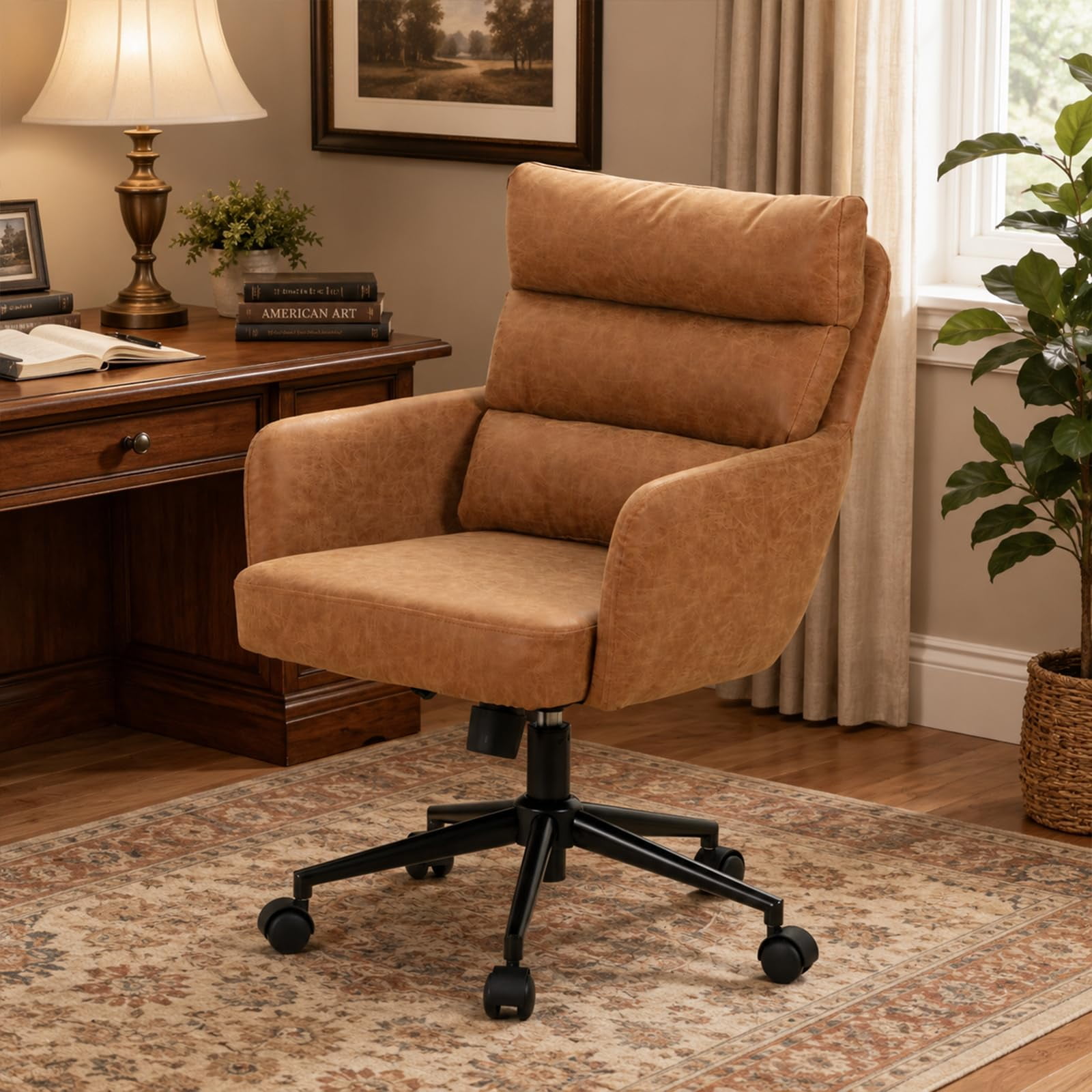
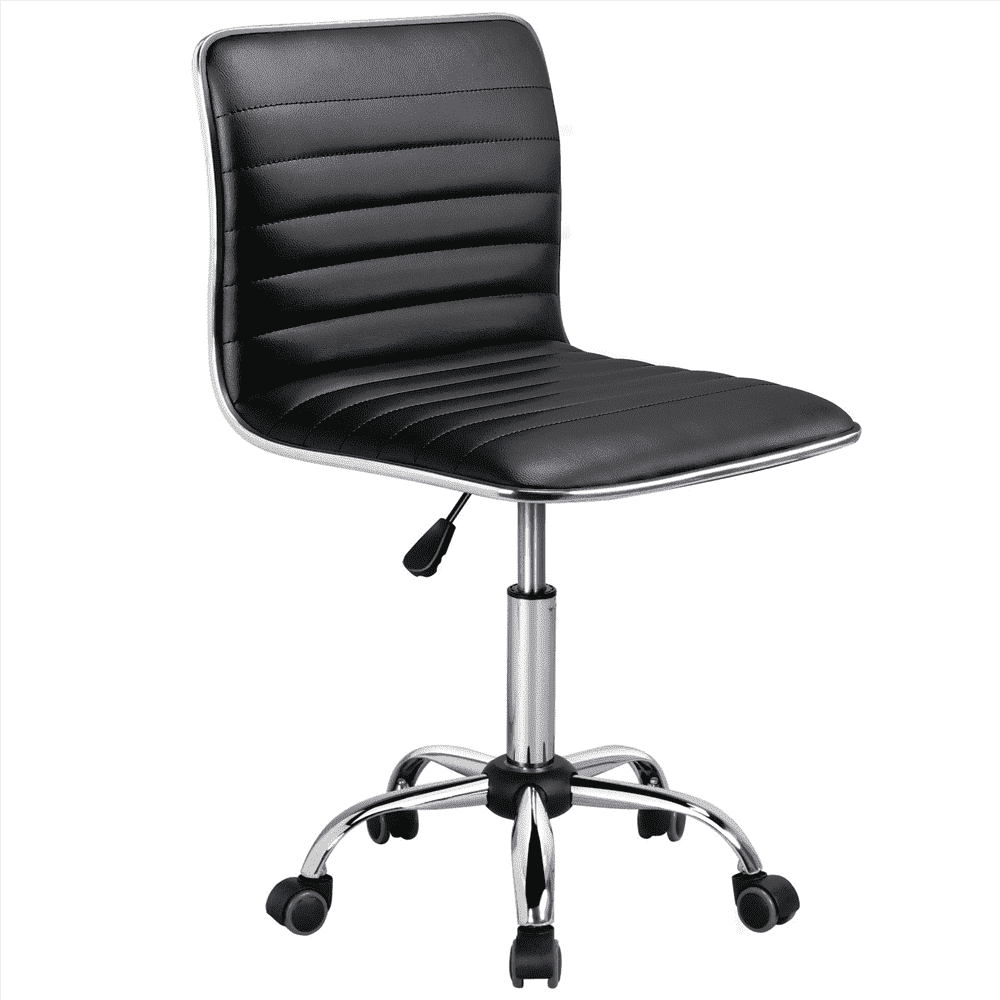

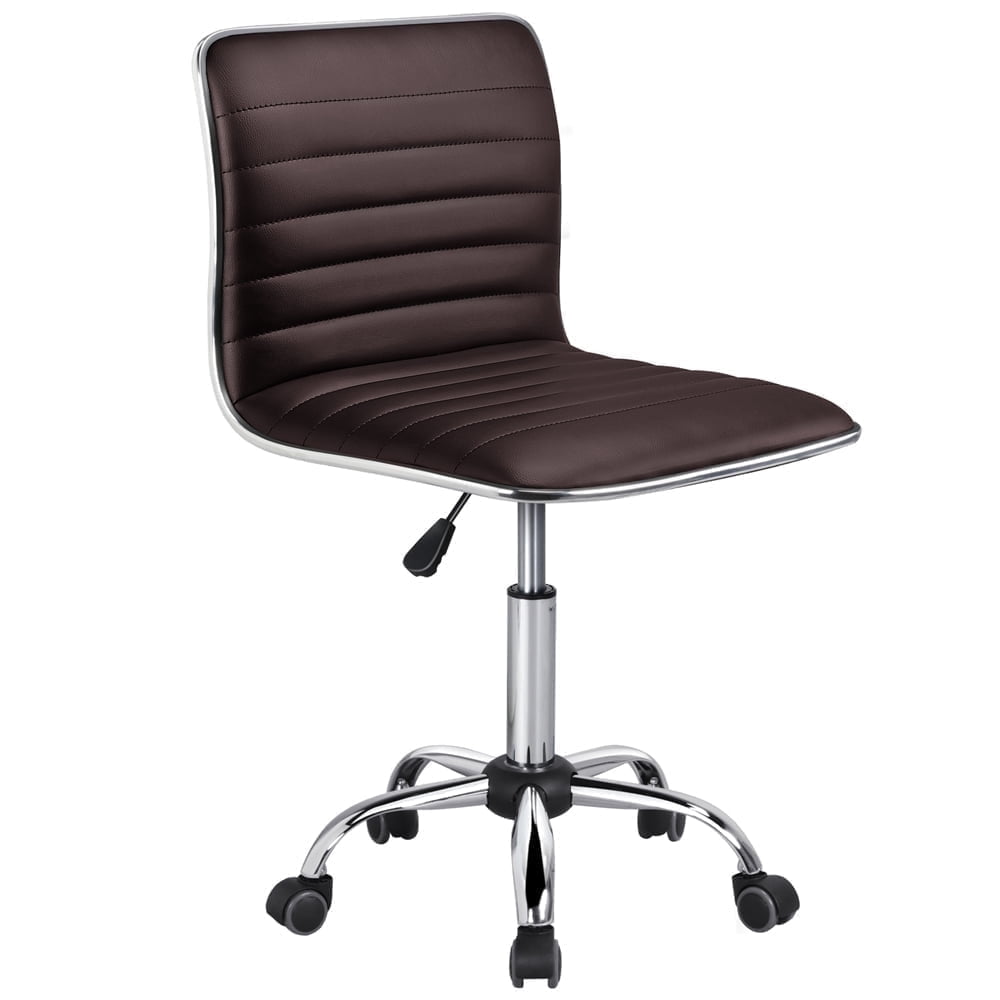
Why a Leather Office Chair with Wheels is a Game-Changer for Your Workspace
Imagine gliding effortlessly from your desk to a filing cabinet or a colleague’s side without leaving your seat—that’s the freedom a quality leather office chair with wheels offers. But it’s not just about mobility. The combination of premium leather upholstery and smooth-rolling casters creates a seating solution that speaks of professionalism, durability, and all-day comfort. Whether you’re equipping a corner office or a home workspace, this type of chair bridges the gap between executive luxury and practical functionality.
According to a recent workplace survey, 68% of employees reported that a comfortable, mobile chair positively impacts their productivity. Leather, known for its breathability and classic appeal, adds a layer of sophistication while being surprisingly easy to maintain. When paired with high-quality wheels, you eliminate the strain of twisting or reaching—just a gentle push and you’re there. In this guide, we’ll explore everything from choosing the right leather and wheel type to ergonomic features that protect your back during long work hours.
Anatomy of a Superior Leather Office Chair with Wheels
A great leather office chair is more than the sum of its parts. Let’s dissect the essential components that define quality, comfort, and longevity.
1. Leather Grades: What’s Under the Hood?
Not all leather is created equal. Understanding leather grades helps you invest wisely:
- Full-Grain Leather: The highest quality, retaining the natural grain. It develops a beautiful patina over time and lasts decades. Ideal for executive chairs.
- Top-Grain Leather: Sanded and finished for uniformity. Slightly less durable than full-grain but still excellent for office use.
- Bonded Leather: Made from leather scraps bonded with polyurethane. More affordable but may peel after a few years. Suitable for light-use or guest chairs.
- Faux Leather (PU/PVC): Vegan-friendly and budget-conscious. Modern faux leathers mimic real leather well but may lack breathability.
For a chair that will see daily rolling and sitting, top-grain or full-grain leather is the gold standard. They resist wear from constant movement and clean easily with a damp cloth.
2. Wheels That Work: Caster Types & Floor Compatibility
The “with wheels” part is critical. Bad casters can scratch floors or roll poorly. Here’s what to look for:
- Hard nylon casters: Best for thick carpets; they glide over fibers without sinking.
- Soft rubber casters: Designed for hard floors (wood, tile, laminate) – they provide grip and prevent scratches.
- Dual-wheel casters: Offer better weight distribution and stability, especially for heavier users.
- Locking casters: Useful if you want the chair to stay put on a slightly sloped floor.
Pro Tip: If you love a chair but hate its wheels, you can almost always swap them with aftermarket rollerblade-style casters (universal fit) for a smoother, quieter ride.
3. Ergonomic Essentials for Long-Hour Sitters
A leather chair with wheels should support your body, not just look good. Check for these adjustability features:
- Pneumatic seat height adjustment: Essential to align your thighs parallel to the floor.
- Tilt mechanism with tension control: Allows you to recline smoothly and lock in your preferred angle.
- Adjustable lumbar support: Many leather chairs include built-in lumbar curves; some offer inflatable or mechanical adjustment.
- Seat depth slider: Ensures proper support for your thighs without pressure behind the knees.
- 4D armrests: Height, width, angle, and depth adjustments reduce shoulder strain.
According to ergonomic studies, chairs with at least three adjustment points reduce musculoskeletal complaints by 54%.
4. Frame & Base: The Unsung Heroes
A leather office chair’s longevity depends on its skeleton:
- Frame: Hardwood or metal frames outlast plastic. Look for a manufacturer’s warranty (5-10 years on frame).
- Base: A five-point base (aluminum or heavy-duty nylon) ensures stability. Polished aluminum adds a premium look.
- Gas lift: Class 3 or 4 gas lifts are standard for executive chairs; they support higher weights and provide smooth height changes.
Benefits of Choosing a Leather Office Chair with Wheels
Still on the fence? Consider these advantages backed by user experience and material science:
- Easy Cleanup: Spilled coffee? Leather wipes clean, unlike fabric that traps stains. Perfect for busy professionals who eat at their desk.
- Temperature Regulation: Quality leather breathes, keeping you cool in summer and warm in winter (compared to synthetic materials that can get sticky).
- Professional Aesthetic: During video calls, a leather chair signals attention to detail and success. It elevates your background instantly.
- Mobility & Flexibility: Smooth-rolling casters let you transition from typing to consulting with a client or reaching a shelf without strain.
- Long-Term Investment: A well-crafted leather chair with robust wheels often outlasts two or three fabric chairs, saving money over a decade.
How to Choose the Perfect Leather Office Chair with Wheels: A Step-by-Step Guide
- Assess your floor type: Hardwood? Look for soft rubber casters. Thick carpet? Hard nylon dual wheels. This prevents damage and ensures smooth movement.
- Determine your leather preference: For daily use, choose top-grain or full-grain. For occasional home office, bonded or high-quality faux leather may suffice.
- Test adjustability (if possible): Sit in the chair for at least 15 minutes. Adjust the height, recline, and armrests. Ensure the lumbar hits your lower back correctly.
- Check weight capacity: Standard is 250-300 lbs. If you need more, look for “big and tall” versions rated 400+ lbs with reinforced bases.
- Consider the wheel replacement factor: Even if the stock wheels aren’t perfect, confirm they are standard size (often 7/16” stem) so you can upgrade later.
- Read the warranty: A minimum 5-year warranty on leather and mechanisms shows confidence. 10+ years on frame is ideal.
Quick Comparison: Leather Office Chair Wheels vs. Standard Casters
| Wheel Type | Best Floor | Noise Level | Durability |
|---|---|---|---|
| Hard nylon | Thick carpet | Moderate | High |
| Soft rubber | Hardwood, tile, laminate | Quiet | Good (replace after 3-5 years) |
| Polyurethane | All floors (hybrid) | Quiet | Excellent |
| Locking casters | Any (with brake) | Varies | Varies |
Remember: The right wheels make your leather chair a joy to use. Don't underestimate their importance.
Frequently Asked Questions: Leather Office Chair with Wheels
Conclusion: Invest in Comfort, Style, and Mobility
A leather office chair with wheels is more than a piece of furniture—it's a daily companion that supports your productivity and health. By choosing the right leather grade, ensuring the casters match your flooring, and prioritizing ergonomic adjustments, you create a workspace that feels both professional and personal. Remember to maintain the leather with occasional conditioning and keep the wheels free of hair and debris for years of smooth rolling. Whether you're closing deals or creating content, let your chair be a foundation of comfort that moves with you.
Browse our top picks above to find a model that fits your body and budget. Your back (and your floors) will thank you.