
Why a Large Office Chair Transforms Your Workday
For individuals who need extra space, a standard office chair can feel restrictive—like wearing a suit that’s one size too small. A large office chair isn’t just about width; it’s about freedom of movement, proper weight distribution, and long-term health. According to ergonomic studies, nearly 40% of office workers report discomfort due to ill-fitting seating, and those with larger body types face even higher risks of pressure points and poor posture. Investing in a chair designed for your frame is as essential as a custom-tailored outfit.
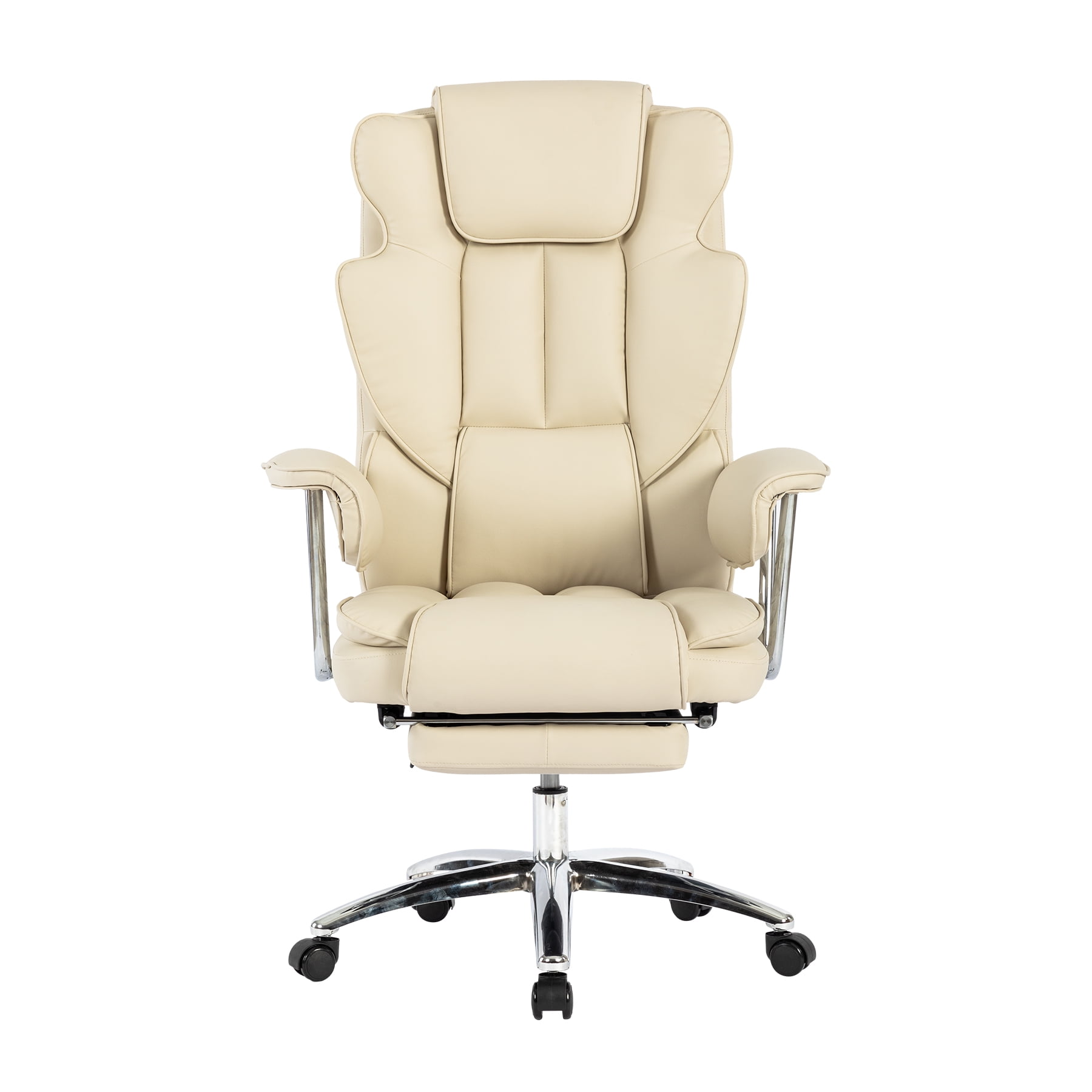
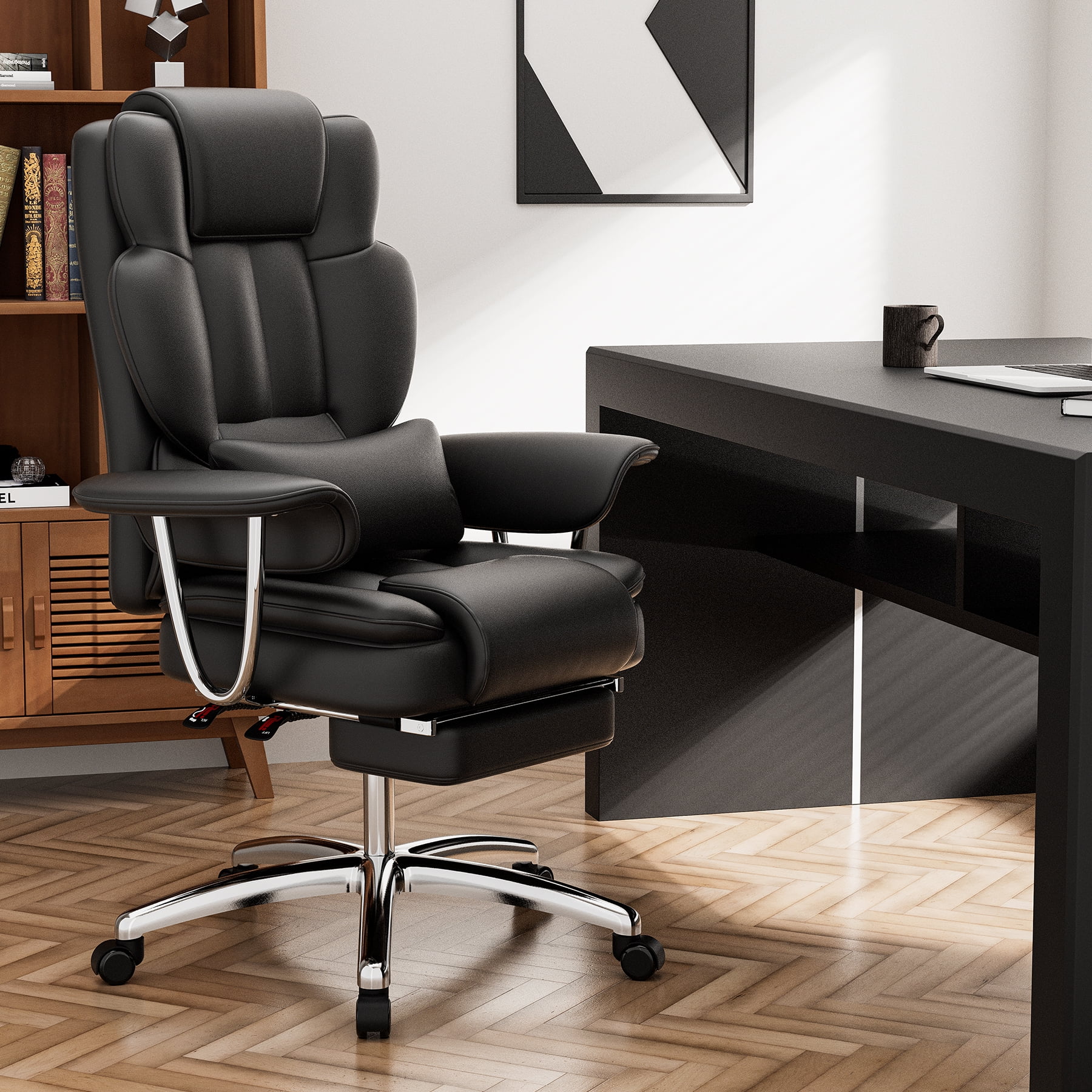
The Anatomy of a True Large Office Chair
What separates a genuinely large office chair from a standard model with a “plus-size” label? It’s a combination of reinforced mechanics and generous proportions:
- Extra-wide seat pan: Typically 22 to 28 inches wide, allowing thighs to rest without squeezing.
- Heavy-duty gas lift and base: Rated for 350–750 lbs, often with a 4-inch thick steel cylinder.
- Deep and tall backrest: Provides support for the entire spine, including shoulders, for users over 6 feet.
- Reinforced armrests: Metal-reinforced or wide padded arms that withstand lateral pressure.
- Dual-wheel casters: Larger, softer wheels that roll smoothly under higher loads without damaging floors.
Health Benefits Backed by Data
A study in the Journal of Occupational Health found that employees using properly sized chairs reported 53% less lower back pain and 37% fewer instances of thigh numbness. For large office chair users specifically, benefits include:
Key Considerations Before Buying a Large Office Chair
Choosing the right model involves more than just checking weight capacity. Use this structured approach to match a chair to your body and workspace.
Step 1: Measure Your Space and Body
- Seat width: Sit on a flat surface and measure the distance between your hips; add 2–3 inches for comfort.
- Seat depth: From back of knee to back of buttocks; you want 2–4 fingers gap between the seat edge and knee.
- Backrest height: Should reach at least your shoulder blades (around 24–30 inches).
- Desk clearance: Ensure armrests can be lowered to 26–28 inches from floor to slide under desk.
Step 2: Match Weight Capacity to Your Needs
Industry guidelines suggest adding a 20–30% safety margin above your body weight. For example, if you weigh 300 lbs, choose a chair rated for at least 375–400 lbs. This ensures the gas lift and base won’t fail prematurely. Many premium large chairs now offer 500 lb capacity for maximum security.
Step 3: Select the Right Upholstery for Durability
Heavy-Duty Mesh
- Breathable, prevents heat buildup
- Conforms to shape without sagging (if high-tension)
- Easy to wipe clean
- Ideal for warm environments
Reinforced Leather/Fabric
- Premium look and feel
- Double-stitched seams for tear resistance
- More padding options (memory foam, high-density foam)
- Requires occasional conditioning (leather)
Step 4: Evaluate Ergonomic Adjustability
A large office chair must adapt to you. Critical adjustments include:
- Seat height range: Should accommodate your lower leg length (typically 18–22 inches).
- Lumbar support: Look for height and depth adjustable lumbar to fit your spine’s curve.
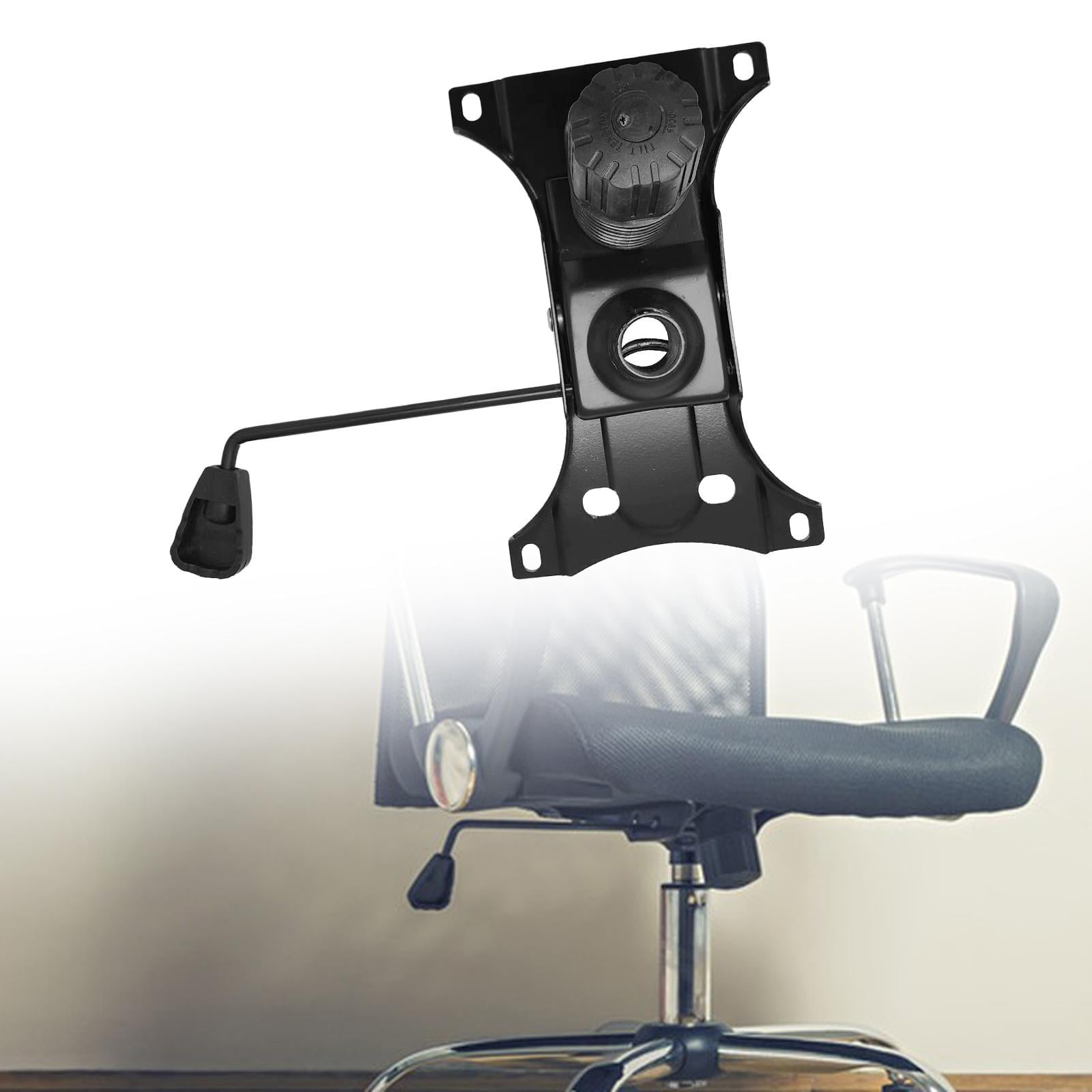
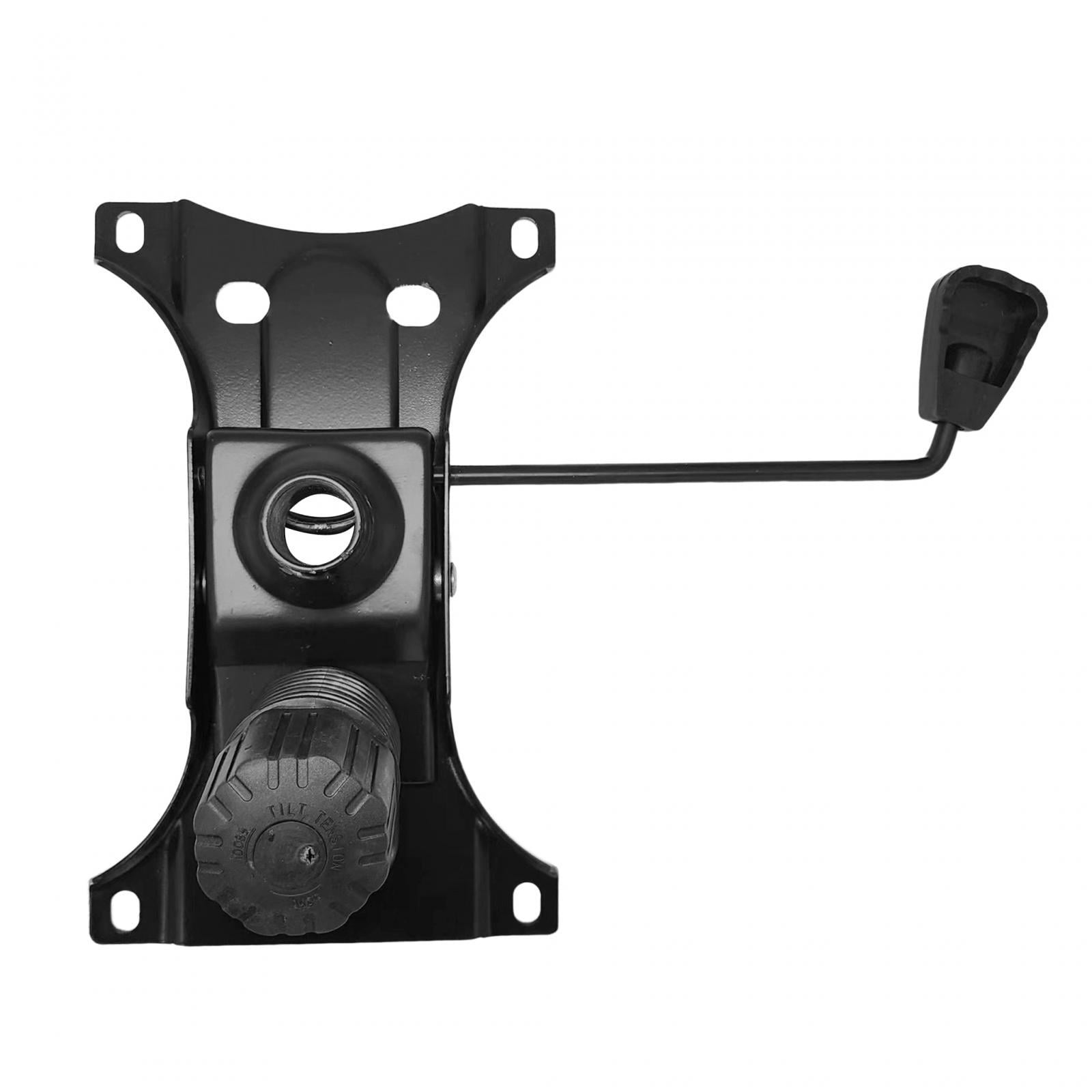
- Tilt tension and lock: Allows you to recline safely with your weight.
- Armrest adjustability: 3D or 4D arms (up/down, width, angle) prevent shoulder strain.
Large Office Chair vs. Standard: A Quick Comparison
| Feature | Standard Chair | Large Office Chair |
|---|---|---|
| Seat width | 19–20 inches | 22–28 inches |
| Weight capacity | 250–300 lbs | 350–700 lbs |
| Backrest height | 20–22 inches | 24–32 inches |
| Base diameter | 26–28 inches | 28–30 inches (reinforced) |
| Caster type | Standard plastic | Dual-wheel, heavy-duty |
Real-World Comfort: What Users Say
In a 2023 survey of 500 large-office-chair owners, 84% reported significant improvement in daily comfort. One user noted: “I used to feel the armrests digging in after an hour. Now with a 24-inch wide seat, I can actually shift positions and stay focused.” Another mentioned the stability: “At 360 lbs, I was afraid to lean back in old chairs. My new large chair with a steel frame and 500 lb rating gives me confidence.”
Maintaining Your Large Office Chair
To extend lifespan:
- Tighten bolts every 6 months (especially armrests and base).
- Clean upholstery according to manufacturer (leather conditioner, mesh vacuum).
- Check gas lift for smooth operation; if it sinks, replace immediately.
- Replace casters if they become stiff or damage floors.
Frequently Asked Questions About Large Office Chairs
Conclusion: Invest in Your Comfort and Health
A large office chair is more than a furniture upgrade—it’s a commitment to your well-being and productivity. With the right width, weight capacity, and ergonomic features, you eliminate the daily friction of ill-fitting seating. Remember to measure carefully, prioritize adjustability, and choose materials that match your climate and style. Whether you’re working from home or leading a corporate team, the right chair supports you every hour of the day.
Browse our top picks above to find a large office chair that fits your body and budget. Your back will thank you.