
Why a Counter Height Office Chair Transforms Your Workflow
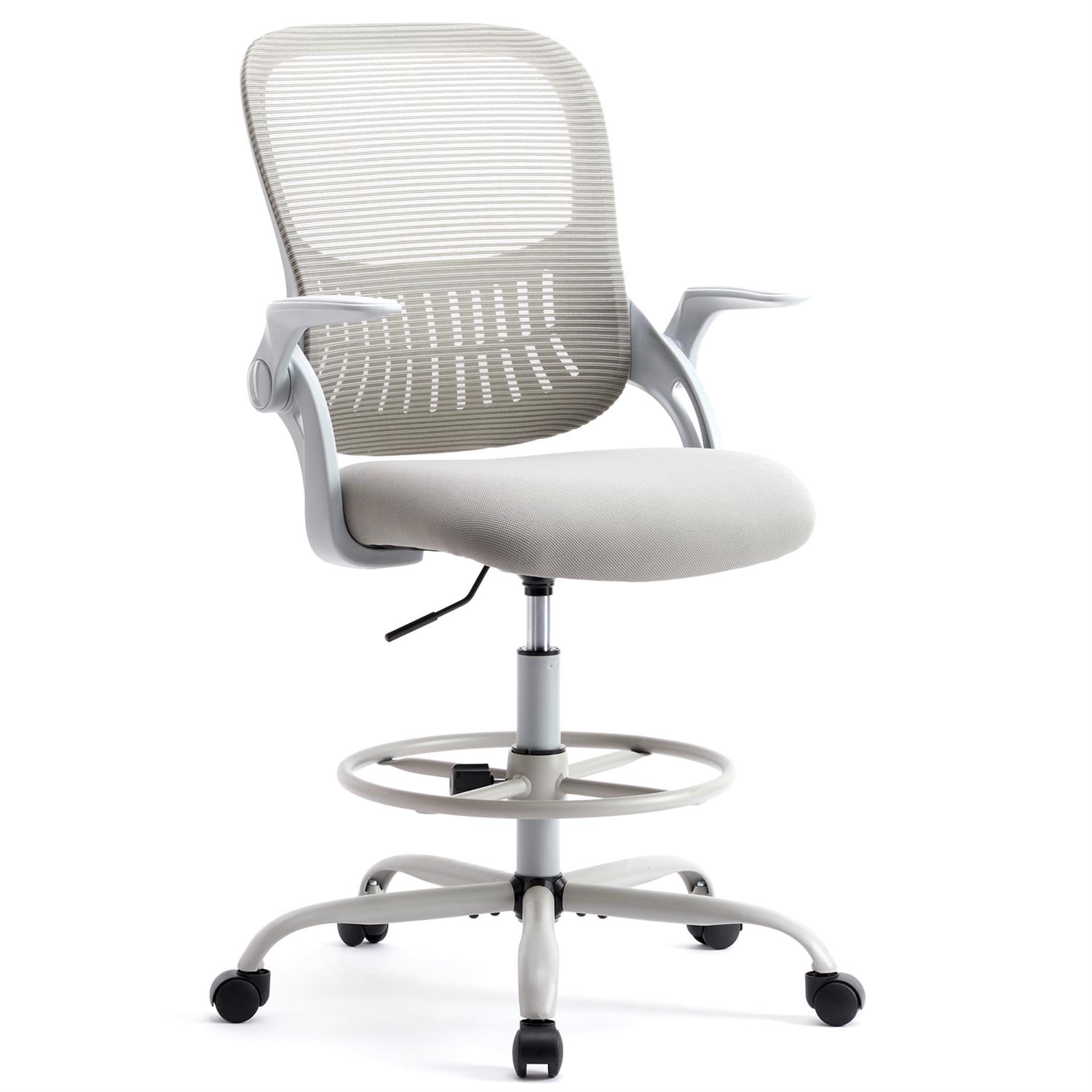
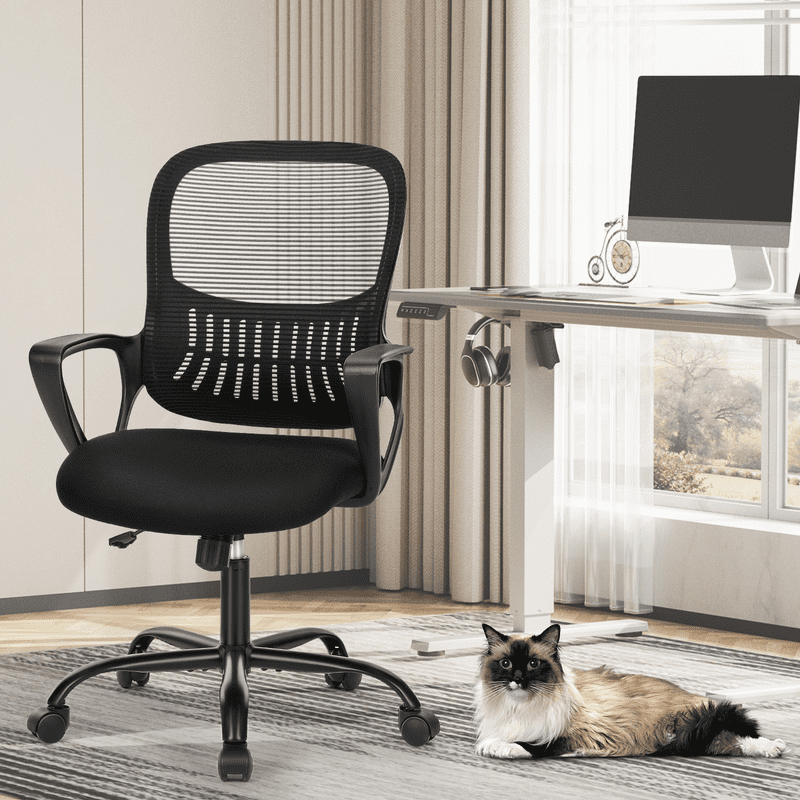
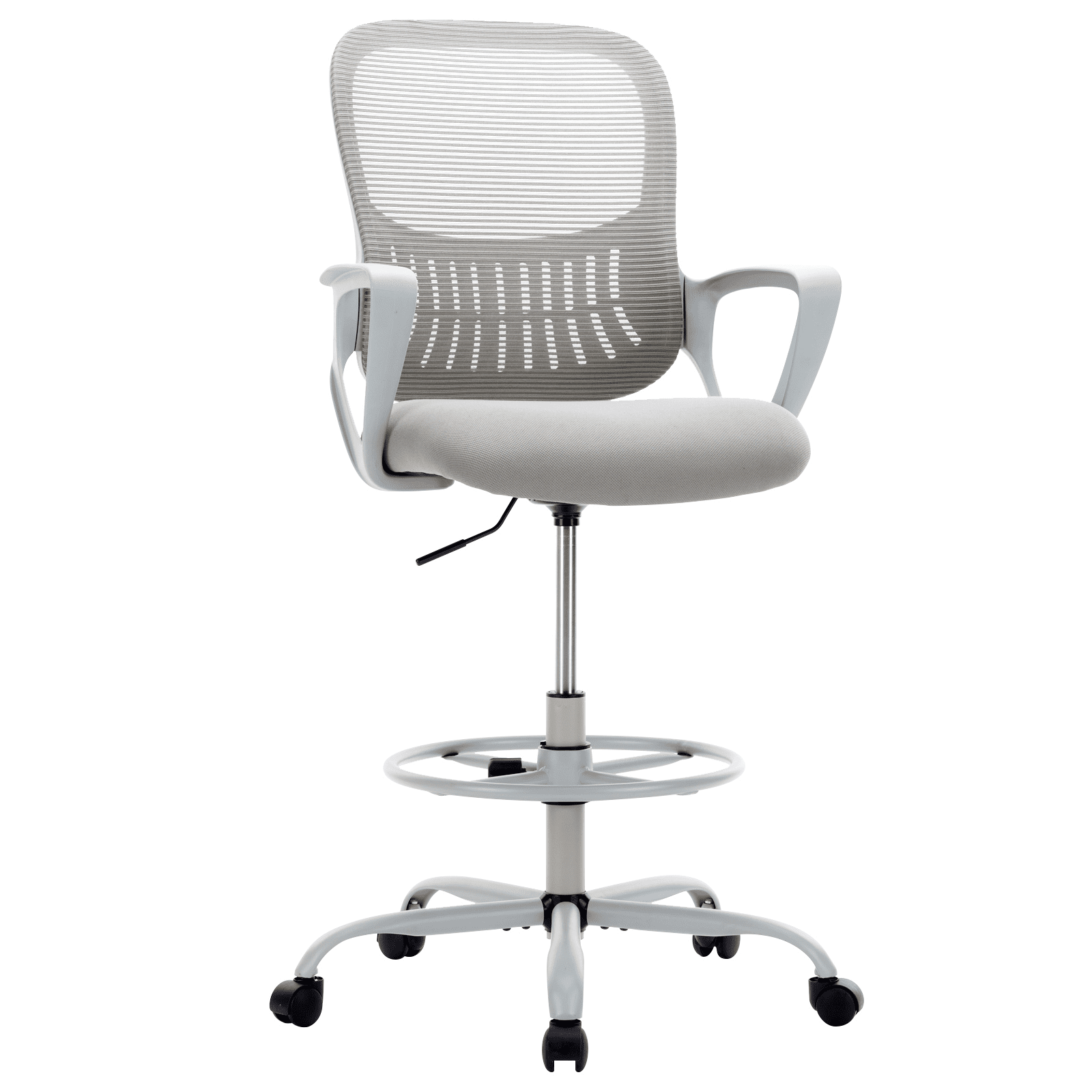
The shift toward standing desks and active workspaces has created demand for specialized seating. A counter height office chair—often called a drafting chair or tall office chair—bridges the gap between sitting and standing. Unlike a standard task chair, these chairs have longer gas cylinders, elevating the seat to 24-28 inches, perfect for 36-42 inch high surfaces.
Ergonomics at Height: According to research from the Cornell University Ergonomics Web, proper alignment at a standing desk requires the ability to perch at the right height. A counter height chair allows you to maintain a 135-degree hip angle, which reduces spinal disc pressure by up to 40% compared to slouching on a standard stool.
Key Distinctions: Counter Height vs. Standard Office Chairs
- Extended Pneumatic Lift: The cylinder is longer, providing seat heights typically between 22" and 30".
- Integrated Foot Ring: Because your feet might not reach the floor at this height, most models include a sturdy ring for lower leg support.
- Stability Base: A wider footprint (often 26" diameter or more) ensures the chair remains stable when you lean or swivel at higher elevations.
- Heavy-Duty Casters: Designed for both carpet and hard floors, they allow smooth movement even when you're perched high.
- Ergonomic Backrest: Many include adjustable lumbar support and waterfall seat edges to prevent circulation issues.
Who Benefits Most from a Tall Office Chair?
While anyone with a standing desk can benefit, certain users find them indispensable:
- Architects & Designers: Working at drafting tables or high workstations.
- Tech Professionals: Pairing with adjustable standing desks to alternate postures.
- Home Office Users: Creating a flexible workspace that accommodates both sitting and perching.
- Tall Individuals: Standard chairs often force taller users into awkward angles; a counter height chair can be adjusted to fit longer torsos and legs.
Critical Features Comparison: What to Look For
| Feature | Why It Matters | Ideal Specification |
|---|---|---|
| Seat Height Range | Ensures compatibility with your desk surface. | 24" to 30" minimum lift; measure your desk height minus 10-12" for optimal elbow height. |
| Foot Ring | Provides a place to rest feet, reducing leg fatigue. | 360-degree rotating ring with height adjustability, or at least a fixed ring at a comfortable level. |
| Base & Stability | Higher chairs require a heavier, wider base to prevent tipping. | 5-point base made of polished aluminum or reinforced nylon; base diameter 26" or more. |
| Lumbar Support | Maintains natural spine curve while perching. | Adjustable depth and height, or built-in contour with firm foam. |
| Caster Type | Hard floors vs. carpet: wrong casters can damage floors or roll poorly. | Soft rubber casters for hardwood; standard for carpet. Locking casters add stability. |
Health & Productivity Benefits of Perching
The concept of "perching" on a counter height chair activates core muscles while taking pressure off the lower back. A study in the Journal of Physical Therapy Science noted that perching at a higher level encourages a more open hip angle, which naturally aligns the spine. This can lead to:
- Reduced incidence of lower back pain compared to conventional sitting.
- Increased calorie expenditure (minor but beneficial over time).
- Improved focus: the slight instability keeps the brain engaged.
- Better circulation due to less compression under the thighs.
Material Considerations for Counter Height Seating
Given the unique demands of these chairs, material choice affects durability and comfort.
Mesh Back / Fabric Seat
- Breathable: Ideal for long hours, preventing sweat.
- Flexible: Contours to movements while perching.
- Lightweight: Easier to adjust height and move.
- Cost-effective: Often more affordable than full leather.
Leather / Faux Leather
- Professional aesthetic: Great for executive standing desks.
- Easy to clean: Wipe away spills.
- Potential heat buildup: Can feel warm; look for perforated options.
- Maintenance: Conditioning required to prevent cracking.
Adjustability: The Secret to a Perfect Fit
With a counter height chair, adjustability is even more critical. Here's what to look for:
- Pneumatic Seat Height: Smooth, easy lever to change height on the fly.
- Foot Ring Height: Ideally adjustable, because leg lengths vary greatly.
- Backrest Angle & Tension: Allows you to lean back slightly while working.
- Armrests (optional): Flip-up or adjustable arms can be useful but may get in the way when perching close to a desk.
- Seat Depth Adjustment: Ensures proper thigh support without pressure behind the knees.
Analogy: Think of a counter height chair like a convertible car. Standard chairs are sedans—comfortable on flat roads. But when you need to go higher (like a winding mountain road with a view), the convertible gives you the elevation and flexibility to enjoy the experience without straining. It's built for the climb.
Choosing the Right Counter Height Chair for Your Workspace
Follow this step-by-step guide to narrow down your options:
Step 1: Measure Your Desk Height
Measure from the floor to the top of your work surface. Standing desks typically range from 36" to 42". Your seat height should allow your elbows to rest at 90 degrees when typing.
Step 2: Assess Your Sitting/Perching Ratio
Do you intend to perch 80% of the time and stand 20%? Or a 50/50 split? More perching time means you need extra padding and lumbar support. If you stand more, a minimalistic saddle seat might suffice.
Step 3: Test Foot Ring Comfort
If possible, sit on the chair and place your feet on the ring. Your knees should be at a 90-100 degree angle. If the ring is too low or high, you'll feel thigh pressure.
Step 4: Consider Mobility & Floor Type
Will you roll between a desk and a counter? Larger, softer casters are quieter and glide better on hard floors. For thick carpet, choose larger wheels.
Budget Expectations for Quality Tall Chairs
Investing in a durable, ergonomic counter height chair ensures longevity and health benefits. Here's a realistic budget breakdown:
Entry-Level
Basic pneumatic lift, fixed foot ring, mesh or fabric back. Good for occasional use.
Mid-Range
Adjustable foot ring, better lumbar support, premium casters. Ideal for daily use.
Premium
High-weight capacity (400+ lbs), full adjustability, leather or high-end mesh, long warranty.
Maintenance Tips for Longevity
- Clean mechanisms: Dust the gas lift and moving parts to prevent sticking.
- Tighten bolts: The foot ring and base can loosen over time; check every 6 months.
- Condition leather/faux leather: Prevents drying and cracking.
- Replace casters if worn: Smooth rolling reduces strain.
Frequently Asked Questions About Counter Height Office Chairs
Conclusion: Elevate Your Comfort and Productivity
Choosing the right counter height office chair is an investment in your daily well-being and work efficiency. By matching the chair's height to your standing desk, ensuring proper ergonomic support, and selecting durable materials, you create a workspace that adapts to you—not the other way around.