
Why Your Next Chair Needs Breathable Lumbar Support
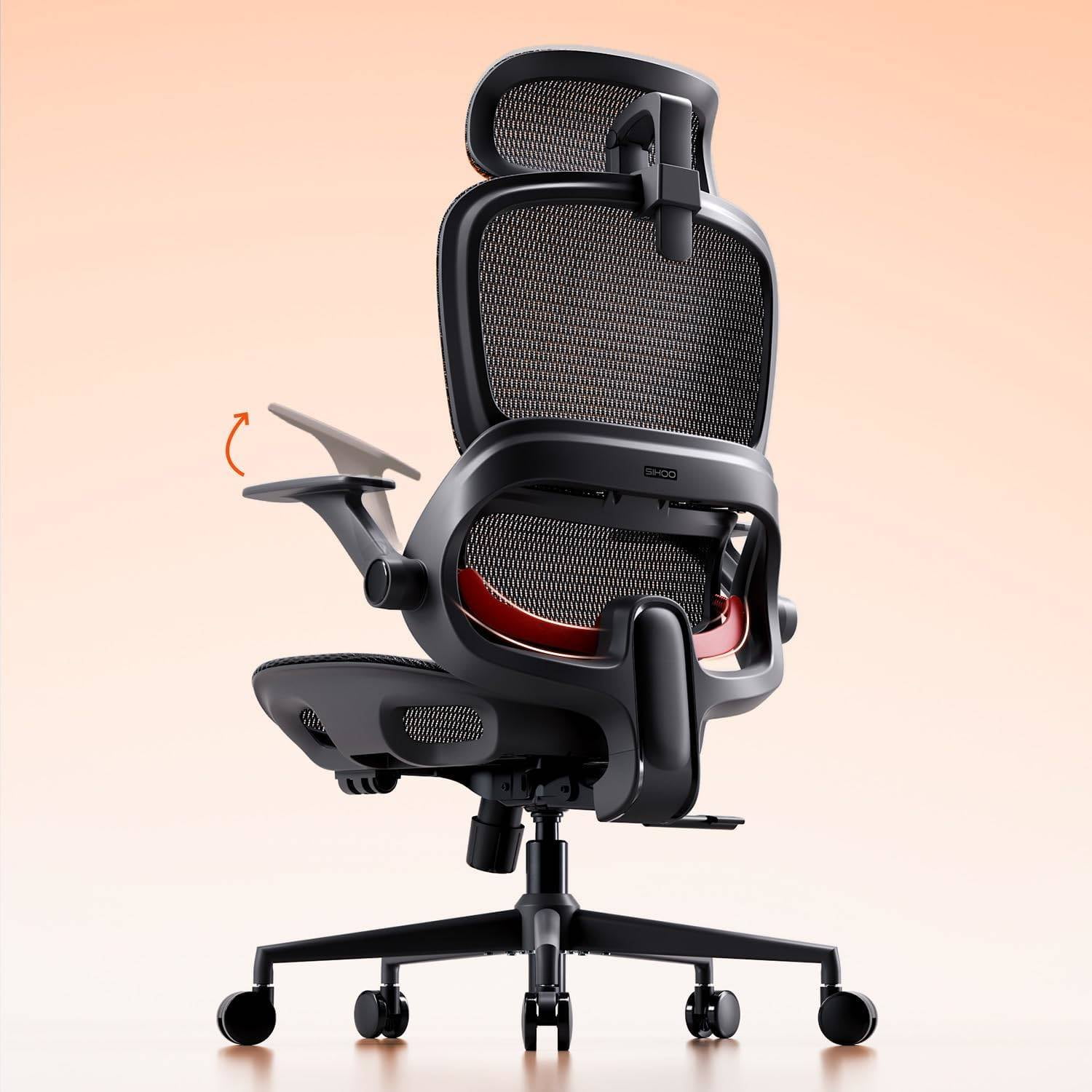
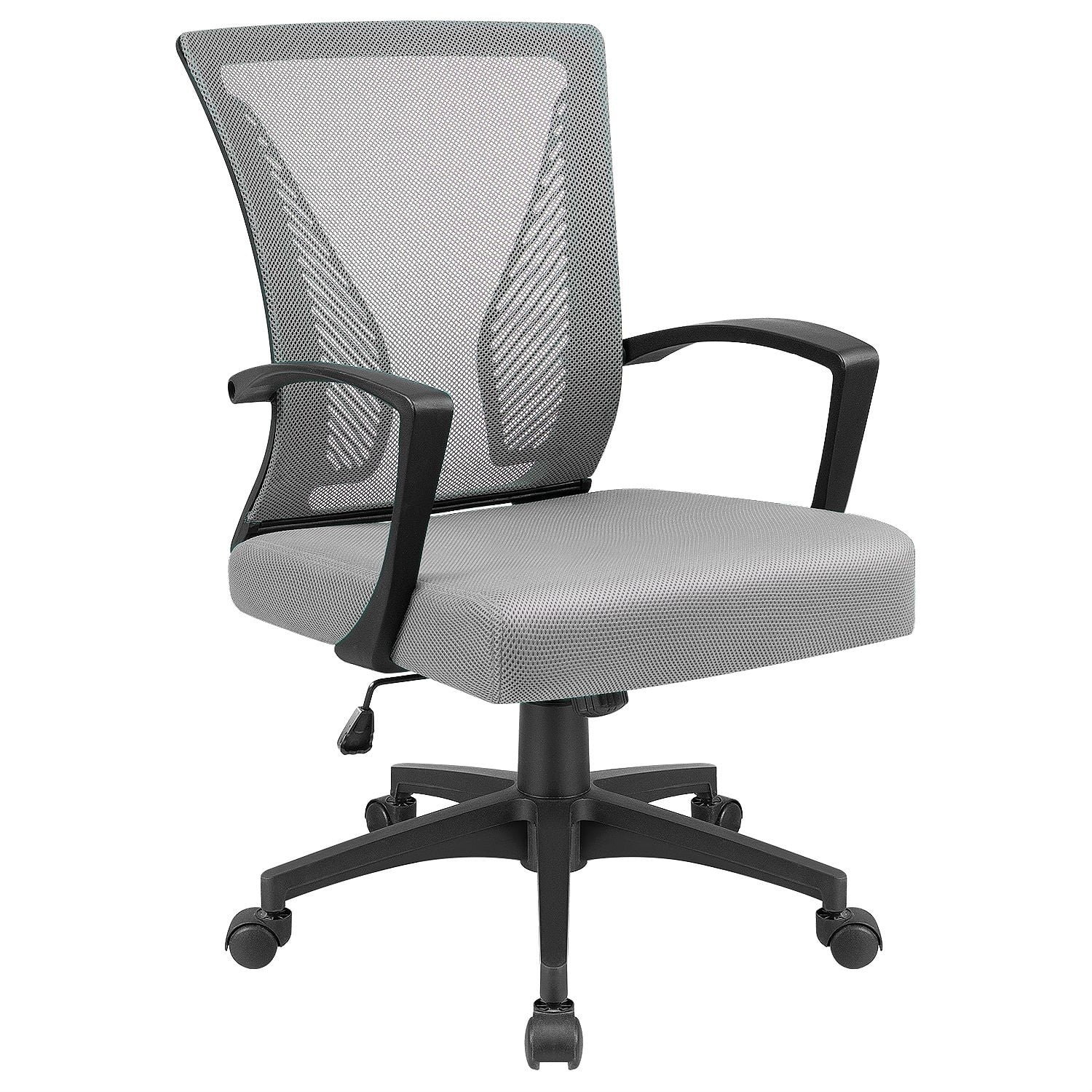
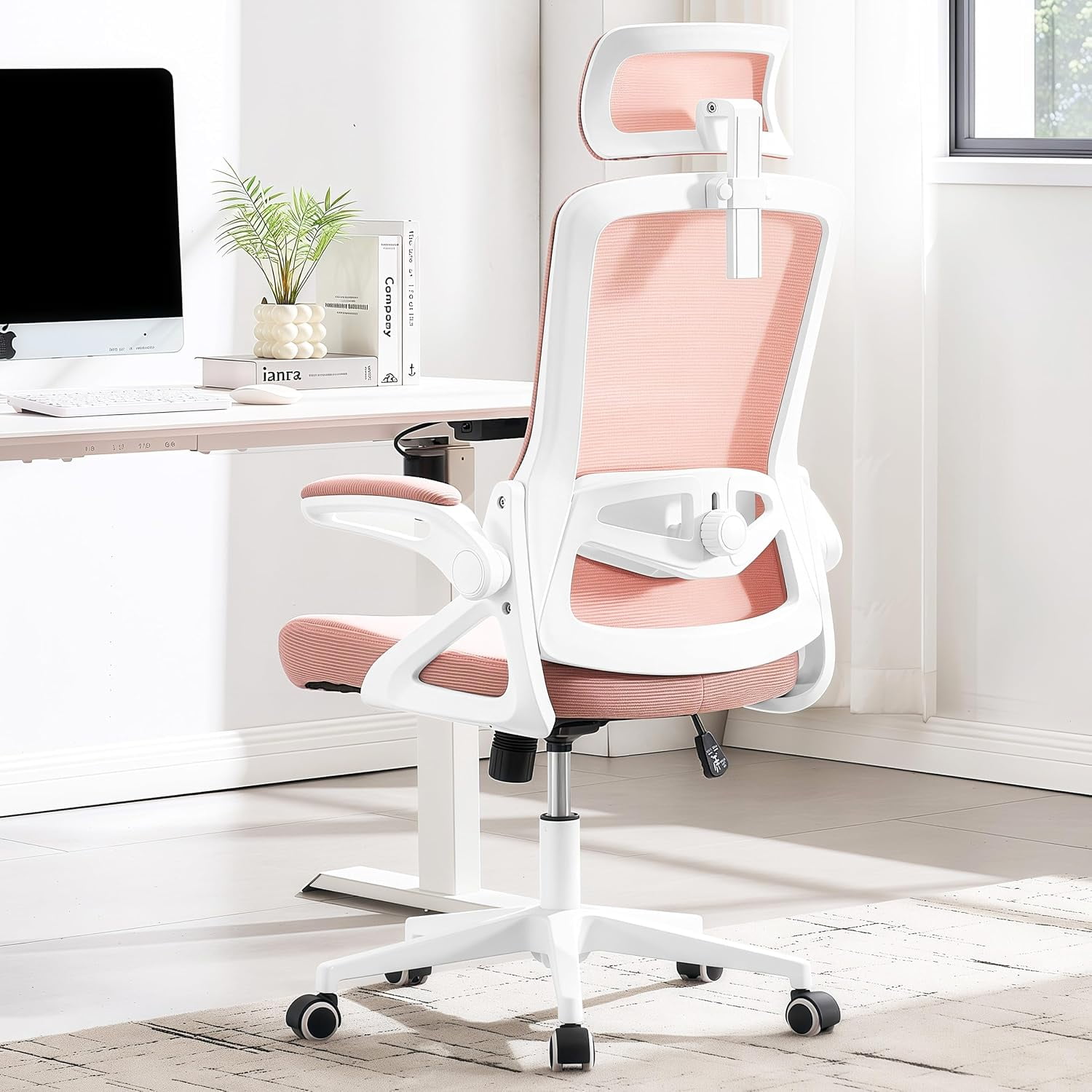
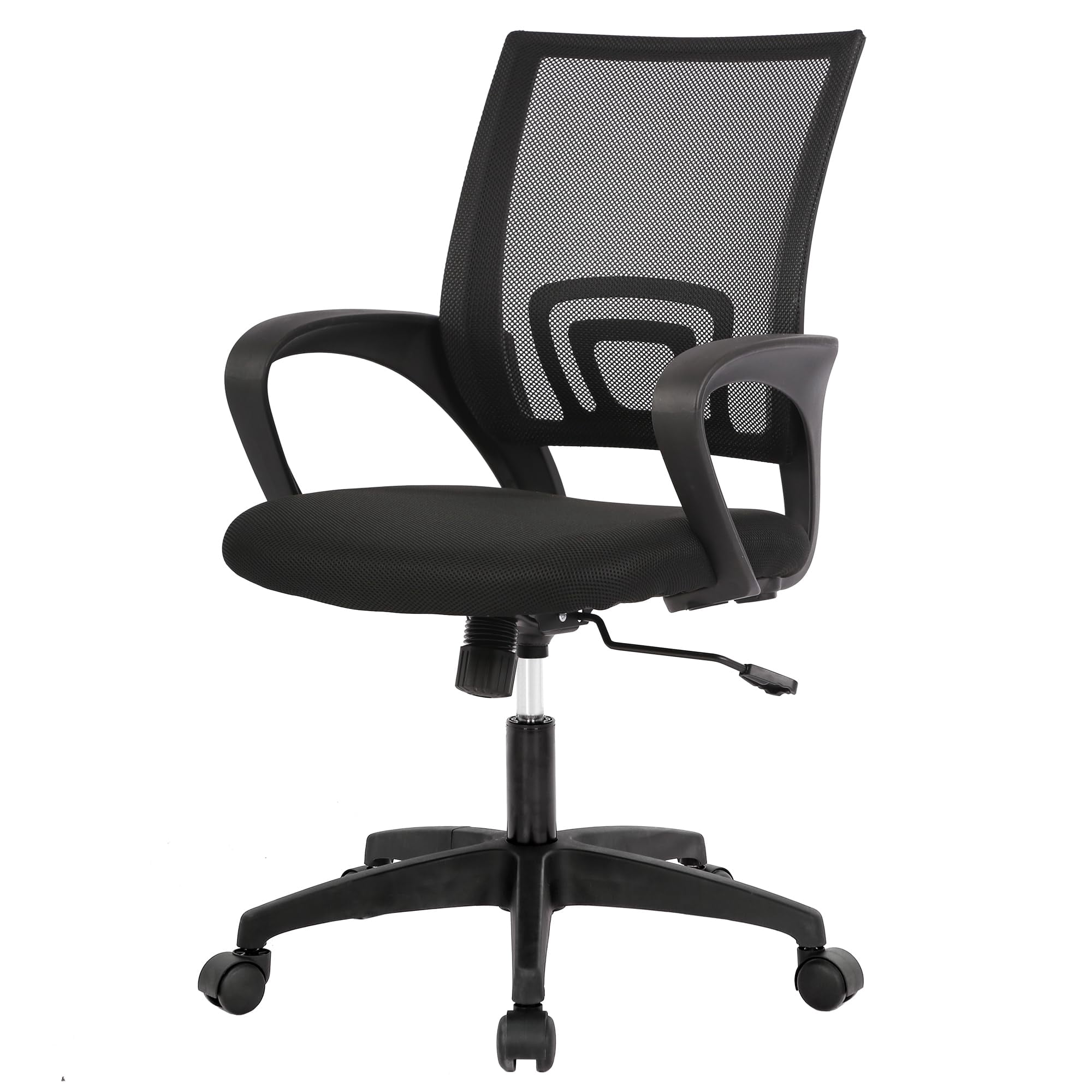
Imagine wearing a winter coat on a summer day—that's what sitting on a non-breathable chair for hours can feel like. A mesh office chair with lumbar support is the antidote. It acts like a high-performance cooling fabric for your back, while the lumbar support functions like a custom-tailored brace for your spine. For anyone spending long hours at a desk—from remote workers to busy executives—this combination isn't a luxury; it's an ergonomic necessity.
Unlike traditional padded chairs that can trap heat, mesh chairs promote constant airflow, preventing that sticky, uncomfortable feeling. But the real hero is the built-in lumbar support. It fills the gap between your lower back and the chair, maintaining the spine's natural 'S' curve. Without it, you slump, inviting back pain, fatigue, and poor circulation. This guide dives deep into why this chair type is a game-changer and how to pick the perfect one for your body and workflow.
Did you know? According to a study published in the journal 'Applied Ergonomics', participants using chairs with adjustable lumbar support reported a 35% reduction in perceived lower back discomfort after a full workday compared to those using standard task chairs. Your back's health directly influences your cognitive sharpness.
The Anatomy of Superior Lumbar Support in Mesh Chairs
Not all lumbar supports are created equal. When we talk about a mesh office chair with lumbar support, we're referring to a system—often a combination of a tensioned mesh panel and an adjustable pad or curve. Here’s what sets high-quality models apart from the rest.
1. Active vs. Passive Lumbar Systems
Understanding this distinction is key.
- Active Lumbar Support: This is the gold standard. It features a mechanism (often a wheel, lever, or pump) that allows you to increase or decrease the firmness and depth of the support. Think of it as an air cushion for your spine that you can inflate to the perfect pressure. It's ideal for people with specific back pain or those who want to adjust support throughout the day.
- Passive Lumbar Support: This relies on the built-in curve of the mesh backrest or a fixed pad. While better than nothing, it's a "one-size-fits-most" solution. It provides a gentle curve but lacks the customization of an active system. Great for general comfort but may not solve specific postural issues.
2. The Role of Mesh Tension and Flexibility
The mesh itself is a support component. High-quality elastic mesh acts like a hammock for your back, conforming to your spine's shape while providing firm resistance. This is often called synchro-tilt or dynamic support. As you lean back, the mesh stretches and the lumbar support moves with you, ensuring constant contact. Cheaper mesh can be too loose (offering no support) or too rigid (creating pressure points).
3. Adjustability: The 4 Pillars of a Perfect Fit
A truly ergonomic mesh chair allows you to adjust multiple elements. Before buying, check for these four critical adjustments:
- Lumbar Height Adjustment: The lumbar curve should hit the narrow part of your waist. Being able to slide the support up or down ensures it fits your torso length perfectly.
- Lumbar Depth/Pressure Adjustment: This controls how much the support pushes into your back. You want it firm enough to support, but not so aggressive that it feels like a constant poke.
- Seat Depth Adjustment: You should be able to sit with your back against the lumbar support and have 2-4 fingers of space between the back of your knee and the seat pan. This prevents circulation issues.
- Armrest Adjustability (4D): While not directly lumbar, proper armrests (height, width, angle, pivot) take strain off your shoulders and upper back, allowing the lumbar support to do its job more effectively.
4. Seat Construction: The Perfect Partner to Mesh
Don't overlook the seat. While the back is mesh, the seat is often foam. Look for:
- High-density foam: This retains its shape and won't "bottom out" after a few months. It provides the stable platform your pelvis needs.
- Waterfall edge: The front of the seat should curve gently downward to relieve pressure on the backs of your thighs, promoting healthy blood flow to your legs.
- Contoured shape: A slight dip or contour in the seat helps center your pelvis and keep you in a neutral position.
Who Benefits Most from a Mesh Chair with Lumbar Support?
While nearly everyone can benefit, certain profiles find this chair type indispensable:
The Hot-Natured Worker
If you tend to run warm or live in a non-AC environment, mesh is your best friend. It prevents sweat buildup on your back and shirt.
The Lower Back Pain Sufferer
Targeted, adjustable lumbar support can be a non-invasive way to manage chronic lower back discomfort by encouraging better posture.
The Multi-Shift User
In shared workspaces or homes where multiple people use the same chair, easy adjustability makes it simple for each user to find their perfect fit.
The Design-Conscious Professional
Modern mesh chairs offer a sleek, contemporary aesthetic that fits both minimalist home offices and high-tech corporate environments.
Mesh vs. Leather vs. Fabric: A Quick Lumbar-Focused Comparison
Here’s how mesh stacks up against other materials specifically regarding back support and comfort:
Why Mesh Wins for Lumbar
- Breathable Support: You get firm lumbar contact without a hot, sweaty back.
- Dynamic Conformity: The mesh stretches and flexes with your movements, providing continuous support.
- Durability of Support: High-quality mesh doesn't sag like foam can. The lumbar curve remains consistent for years.
- Easy to See Adjustment: The mesh frame often makes the lumbar mechanism more visible and easier to adjust intuitively.
When Other Materials Excel
- Leather: Offers a premium, authoritative look but retains heat and can be slippery, reducing postural stability.
- Fabric: Provides a soft, warm feel but can absorb odors and offer less defined, dynamic lumbar tension.
- Faux Leather: Budget-friendly but often peels and doesn't offer the same breathability or dynamic support as mesh.
5 Common Myths About Mesh Office Chairs Debunked
Let's clear up some misconceptions that might be holding you back from choosing the perfect breathable chair.
- Myth: "Mesh chairs are uncomfortable because they're too hard."
Truth: Quality mesh is tensioned to provide a "hammock-like" conforming feel, not a hard surface. The support comes from even tension, not from soft padding. - Myth: "Mesh will stretch out and sag over time."
Truth: High-grade elastomeric mesh (like that used in Herman Miller or Steelcase chairs) is designed for tens of thousands of flex cycles and retains its tension for years. Cheap mesh might sag, but reputable brands use durable materials. - Myth: "Lumbar support is just a marketing gimmick."
Truth: For people who sit upright or lean forward to work, it's a critical ergonomic feature. Without it, your back muscles constantly work to hold your spine's curve, leading to fatigue and pain. - Myth: "All mesh chairs are the same."
Truth: The difference between a $150 mesh chair and a $600 one is immense—in mesh quality, frame durability, gas lift, adjustment mechanisms, and the effectiveness of the lumbar support system. - Myth: "You can't sit in a mesh chair with shorts."
Truth: While the mesh pattern leaves temporary impressions on skin, it's not painful. Many people find it more comfortable than sticky vinyl or leather in warm weather.