
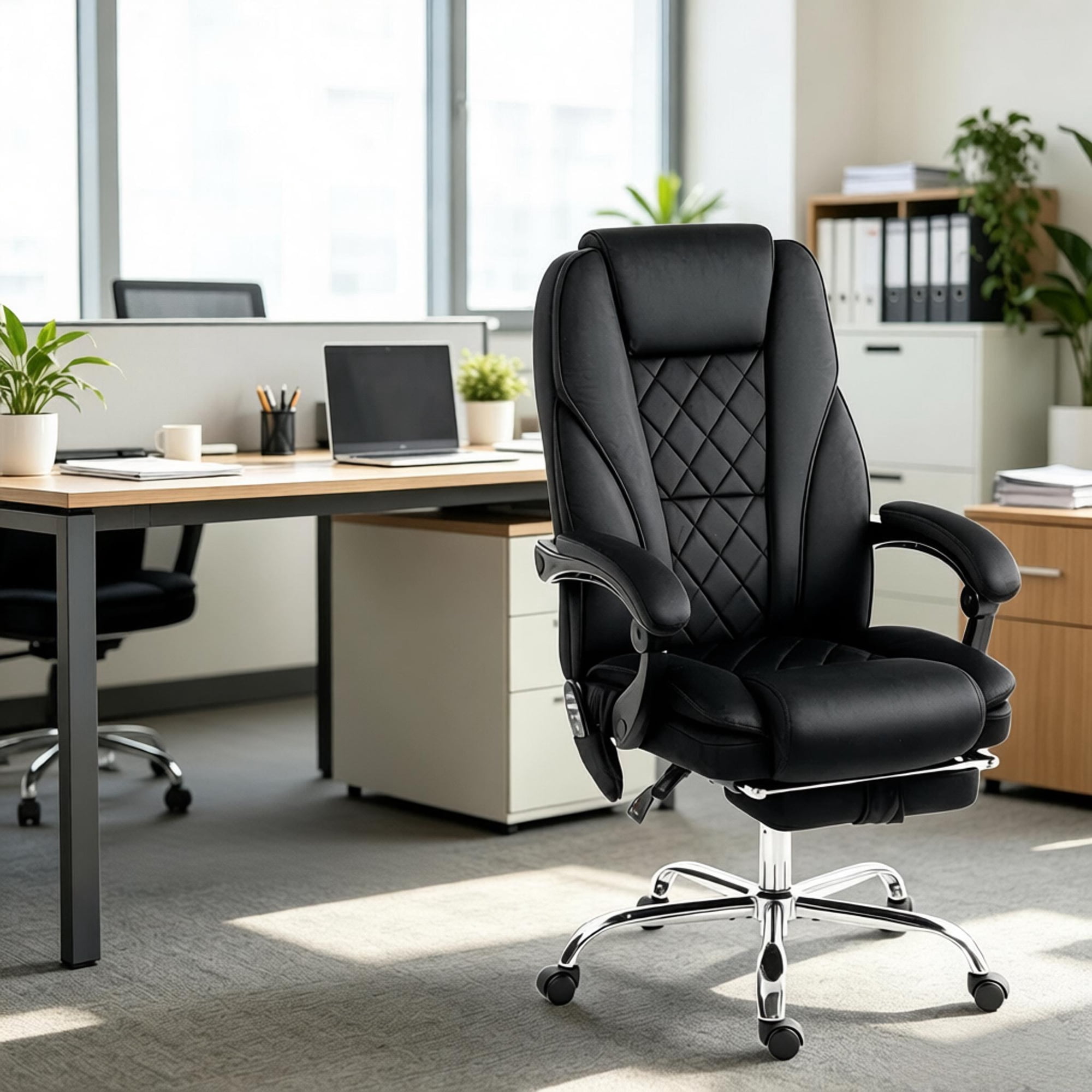
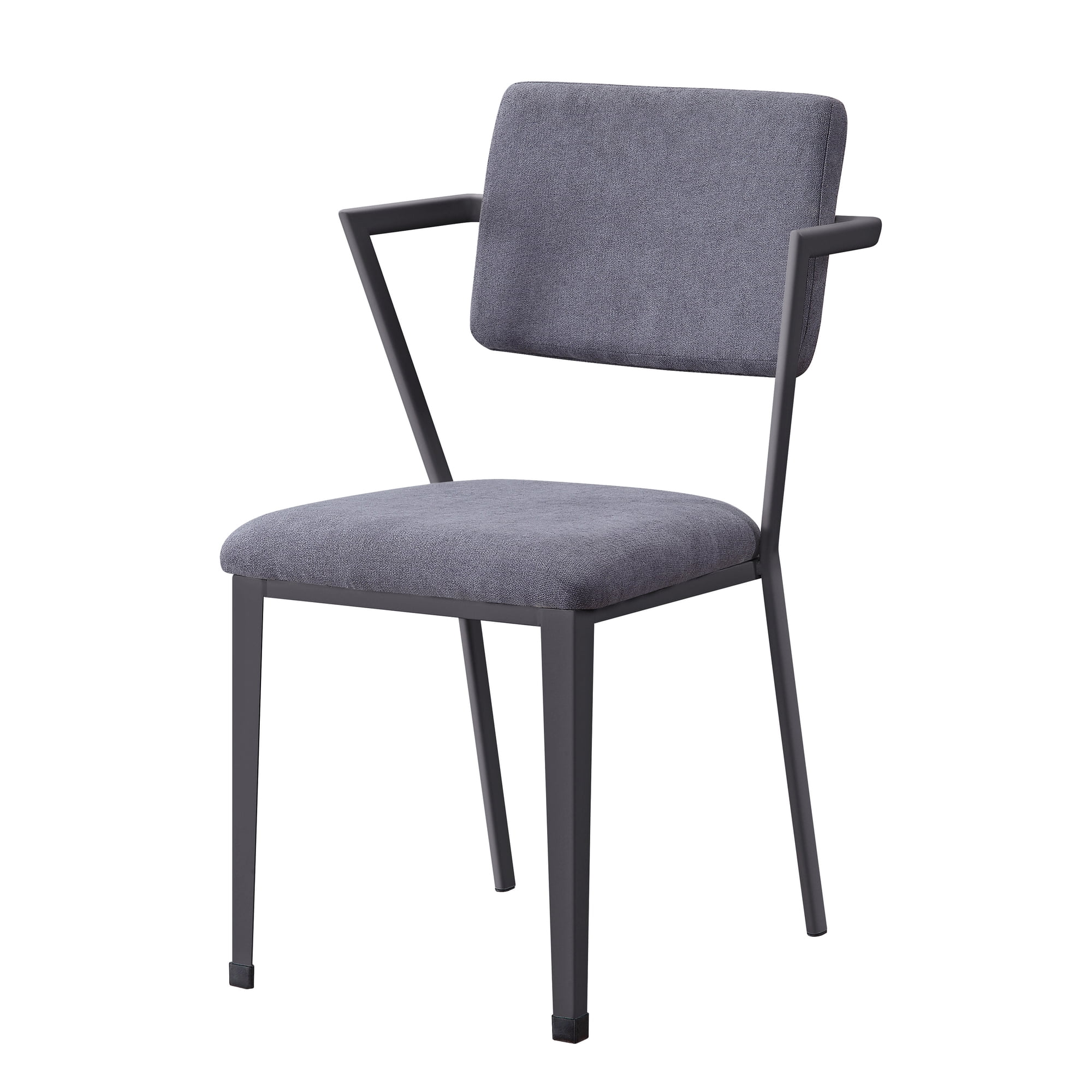
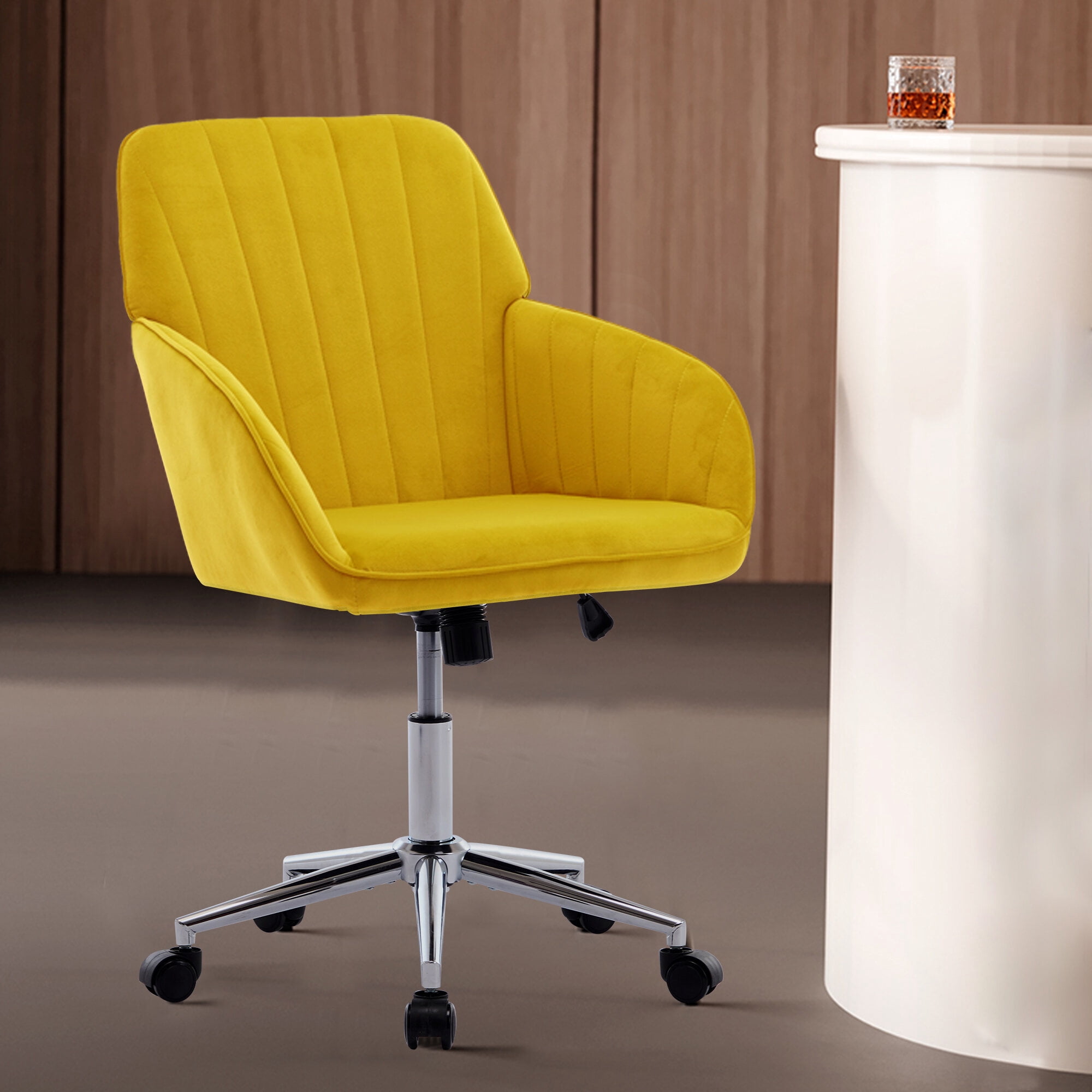
Finding the Perfect XL Office Chair: Comfort Without Compromise
For individuals who need more space and durability, a standard office chair often falls short. An XL office chair is specifically engineered to provide a wider seat, higher weight capacity, and reinforced construction—without sacrificing ergonomic support or professional aesthetics. Whether you're a big and tall executive, someone who prefers extra room, or you simply value a chair built like a tank, the right XL chair can transform your workday.
Think of an XL chair not just as a larger seat, but as a heavy-duty workstation for your body. Just as a truck needs a stronger frame to haul heavy loads, your chair needs a reinforced base, a robust gas cylinder, and a wider frame to provide stable, lasting support. In this guide, we'll explore everything you need to know to select the ideal XL office chair for your home office or corporate workspace.
Beyond Size: Engineering and Comfort Factors in XL Seating
Choosing an XL office chair involves more than just looking at the seat width. Here are the critical engineering and comfort factors that distinguish a quality extra-wide chair from an ordinary one.
1. The Foundation: Base, Casters, and Gas Lift
The foundation of any XL chair is its most critical component. A standard chair's base might flex or break under higher loads.
- Base Material & Diameter: Look for a metal base (nylon bases can crack over time). A wider base, typically 27 to 30 inches in diameter, provides a lower center of gravity and prevents tipping. This is like having a wider stance for better balance.
- Gas Lift Class: The cylinder is the hydraulic mechanism that raises and lowers the chair. For XL chairs, a Class 4 or Class 5 gas lift is non-negotiable. These are tested for higher loads and provide smooth, safe height adjustment. A Class 3 lift, common in budget chairs, is simply not adequate.
- Heavy-Duty Casters: Standard casters can flatten or break under increased weight. XL chairs use larger, often metal-hubbed, casters rated for higher loads. For carpeted floors, look for "hard" casters; for hardwood, "soft" rubber casters to prevent floor damage.
2. Seat Dimensions and Cushioning
The seat is where you'll spend hours, so getting the dimensions right is crucial.
- Seat Width: While standard chairs are 18-20 inches wide, an XL office chair typically starts at 22 inches. Many models offer 24, 26, or even 28-inch wide seats. Measure your hip width or the space you need to sit comfortably without pressing against the armrests or sides.
- Seat Depth: This is often overlooked. A seat that's too short won't support your thighs, while one that's too long can press against the back of your knees. Look for chairs with seat depth adjustment (sliding seat pan) to ensure proper support—you should have 2-4 fingers of space between the back of your knee and the seat edge.
- High-Density Foam: Cushioning in XL chairs uses high-density foam that resists compression and sagging over time. Memory foam or gel-infused layers can add pressure relief for long sitting sessions.
3. Backrest Height and Lumbar Support
Taller individuals need a backrest that reaches their shoulders and upper back.
- High-Back Design: Most XL chairs feature a high back (26 inches or taller) to support the entire spine, including the thoracic region. Some models even include an adjustable headrest for neck support.
- Scaled Lumbar Support: Lumbar support must be positioned correctly. Look for chairs with adjustable lumbar support (both height and depth) that can be positioned to fit the natural curve of your lower back. For larger body types, the support mechanism itself is often wider and more robust.
- Recline and Tilt Tension: A synchronized recline mechanism allows the backrest and seat to move together, providing a natural recline. The tilt tension must be adjustable with a strong spring to accommodate higher body weights, preventing the chair from tipping back too easily.
4. Armrests: 3D and 4D Adjustability
Armrests on XL chairs are built wider and stronger.
- Width Adjustability: This is a key feature for XL chairs. Being able to slide the armrests outward ensures they support your arms without forcing them inward, promoting better shoulder and neck posture.
- Height and Pivot: Look for armrests that adjust in height and can pivot or angle to match your natural arm position. Padded, soft-touch armrests add to the comfort.
5. Material Choices for Durability and Comfort
The material must withstand higher stress and, often, more friction.
- Heavy-Duty Fabric: Commercial-grade fabrics are tested for abrasion resistance (double rubs) and are a durable, breathable choice.
- Thick-Gauge Leather: Premium XL chairs often use thick, top-grain leather that resists stretching and tearing better than thin leather or bonded leather. It's easier to clean and develops a comfortable patina over time.
- Reinforced Mesh: Some modern XL chairs use a specialized, high-tensile mesh that provides excellent breathability and support without sagging, even under higher weights.
Quick Comparison: XL Chair Types for Different Needs
| Chair Type | Best For | Typical Seat Width | Weight Capacity | Key Feature |
|---|---|---|---|---|
| Executive XL Leather | Managers, CEOs, client-facing roles | 24" - 28" | 400 - 500 lbs | Premium look, thick cushioning, high back |
| Ergonomic XL Mesh | Long hours, hot climates, tech workers | 22" - 26" | 350 - 450 lbs | Breathable back, adjustable lumbar, headrest |
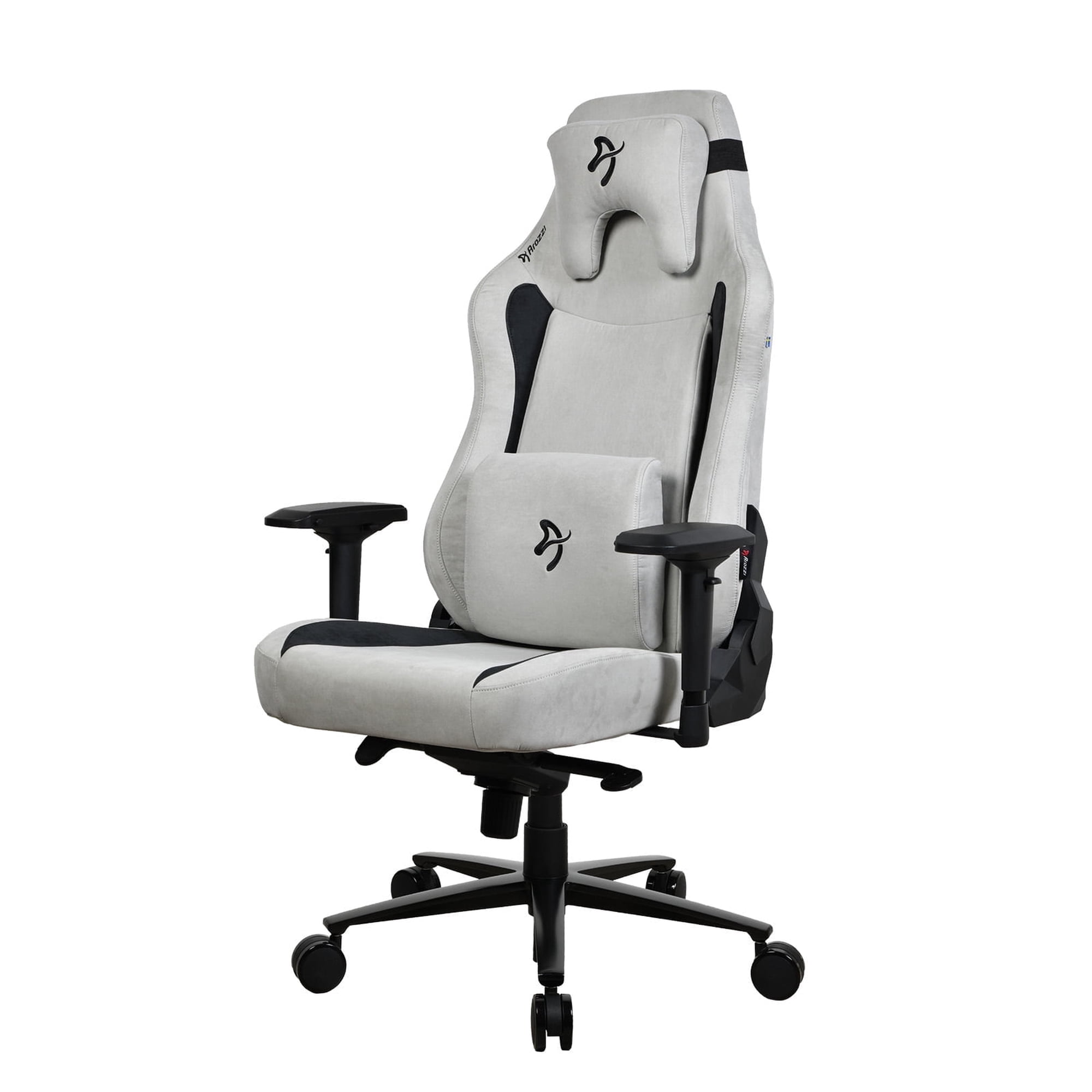
| Big & Tall Gaming Chair | Gamers, home use, bold style | 22" - 24" | 400 lbs+ | Bucket seat style, reclining, pillows |
| Heavy-Duty Task Chair | General office work, value-focused | 22" - 24" | 350 - 400 lbs | Simple, functional, durable fabric |
Frequently Asked Questions About XL Office Chairs
Conclusion: Invest in Your Comfort and Long-Term Health
Choosing an XL office chair is a decision that pays dividends in daily comfort, productivity, and long-term physical well-being. It's about finding a chair that works with your body's dimensions, providing the support you need without compromise. By focusing on the core engineering—the base, cylinder, and frame—and then dialing in the ergonomic features like seat width, lumbar support, and armrest adjustability, you can find a chair that feels custom-made.
Remember, a chair that fits you properly isn't a luxury; it's a tool for success. Whether you opt for a luxurious leather executive model or a breathable ergonomic mesh chair, prioritize quality construction and a weight capacity that gives you a safety margin. Your body will thank you for it, especially after those long days at the desk.