
Why Finding the 'Top' Office Desk Chair Matters More Than You Think
Imagine wearing shoes that don't fit for eight hours a day—your feet, knees, and back would ache. Your office chair is the 'footwear' of your workspace. A top office desk chair isn't just a place to sit; it's an investment in your daily well-being and professional output. The market is flooded with options, but a truly 'top' chair transcends mere aesthetics. It’s engineered to support your body’s natural posture, adapt to your unique movements, and withstand years of use.
According to a study by the Journal of Physical Therapy Science, prolonged sitting in a non-ergonomic chair increases spinal pressure by up to 40%. This can lead to chronic pain, reduced focus, and even long-term musculoskeletal issues. The right chair acts as a countermeasure, promoting dynamic sitting and reducing fatigue. Whether you're a remote worker, a manager, or a creative professional, the quest for the best seating is a quest for a healthier, more productive life.
The Anatomy of a Top-Tier Office Chair: Beyond the Buzzwords
What separates a genuinely top-tier chair from a mediocre one? It’s not just a high back or thick padding. It’s the thoughtful integration of mechanics, materials, and adjustability. Let's dissect the critical components that define the best office desk chairs.
1. The Adjustment Ecosystem: Your Chair as a Custom Suit
A top chair must fit you, not the other way around. Think of it like a high-end bicycle: you adjust the seat height, handlebars, and suspension for a perfect fit. Similarly, a premier office chair offers a range of adjustments that work in harmony.
- Seat Height Range: Look for a pneumatic lift that accommodates your leg length, allowing your feet to rest flat on the floor with thighs parallel to the ground. A standard range is 16-21 inches from floor to seat pan.
- Seat Depth (Slider): This is often overlooked but crucial. You should be able to fit 2-3 fingers between the back of your knee and the seat edge. Top chairs offer at least 2-3 inches of seat pan adjustment.
- Lumbar Support (Height & Depth): The best chairs provide a lumbar system that moves both up/down and in/out to fill the natural curve of your lower back. This prevents slouching and maintains spinal alignment.
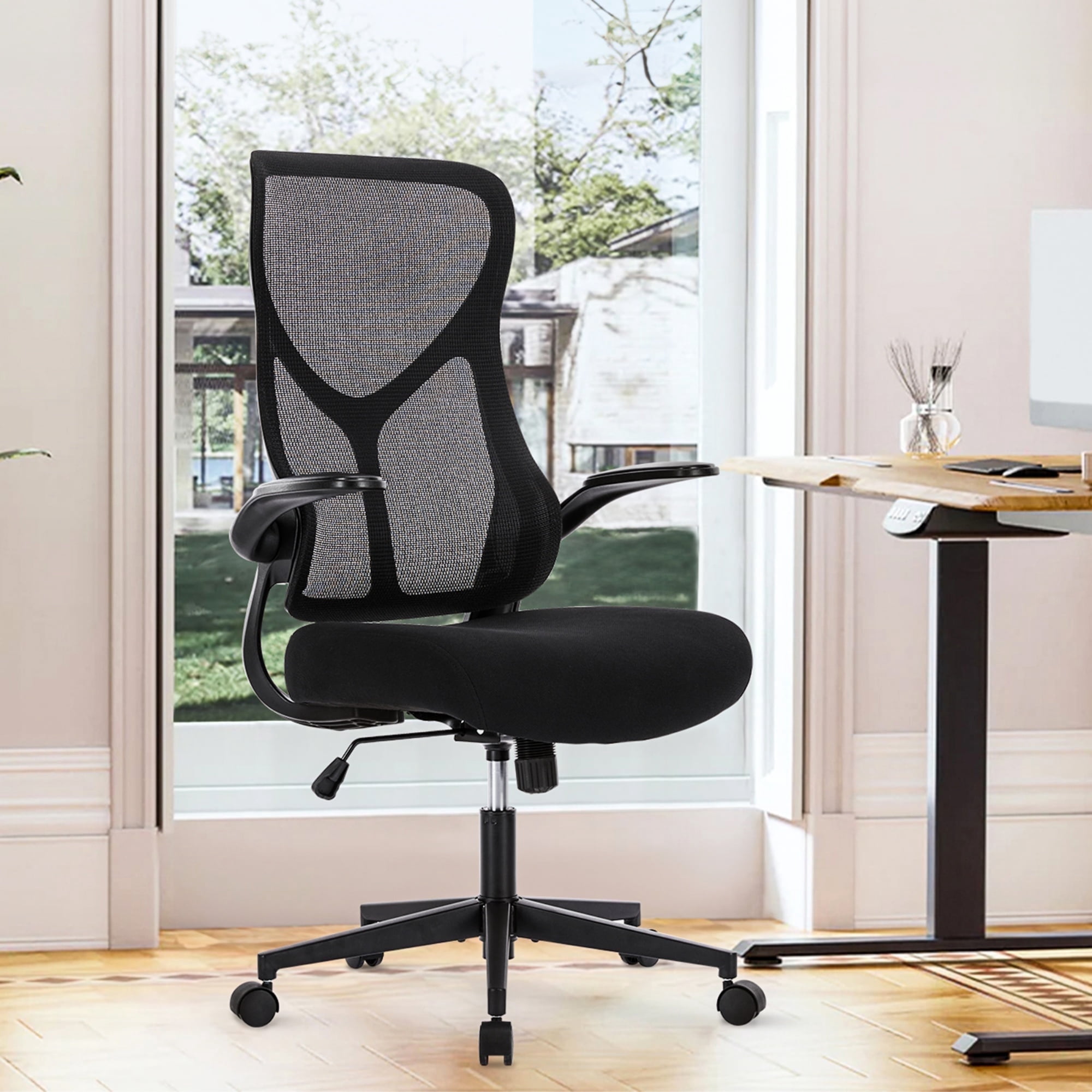
- Armrests (4D): '4D' armrests adjust in height, width, depth, and pivot angle. This allows you to support your elbows at a 90-degree angle, relaxing your shoulders and neck while typing.
- Tilt Tension & Lock: You should be able to adjust how much force is needed to recline. A good chair lets you lock in multiple positions or rock freely.
Data from the Human Factors and Ergonomics Society suggests that workers using chairs with fully adjustable components report a 25% decrease in upper body discomfort. The ability to micro-adjust throughout the day encourages movement, which is vital for spinal disc health.
2. Material Science: The Choice Between Breathability and Luxury
The material covering your chair dictates comfort, temperature, and longevity. There's no single 'best' material, but understanding their trade-offs helps you choose a top contender for your environment.
High-Grade Mesh
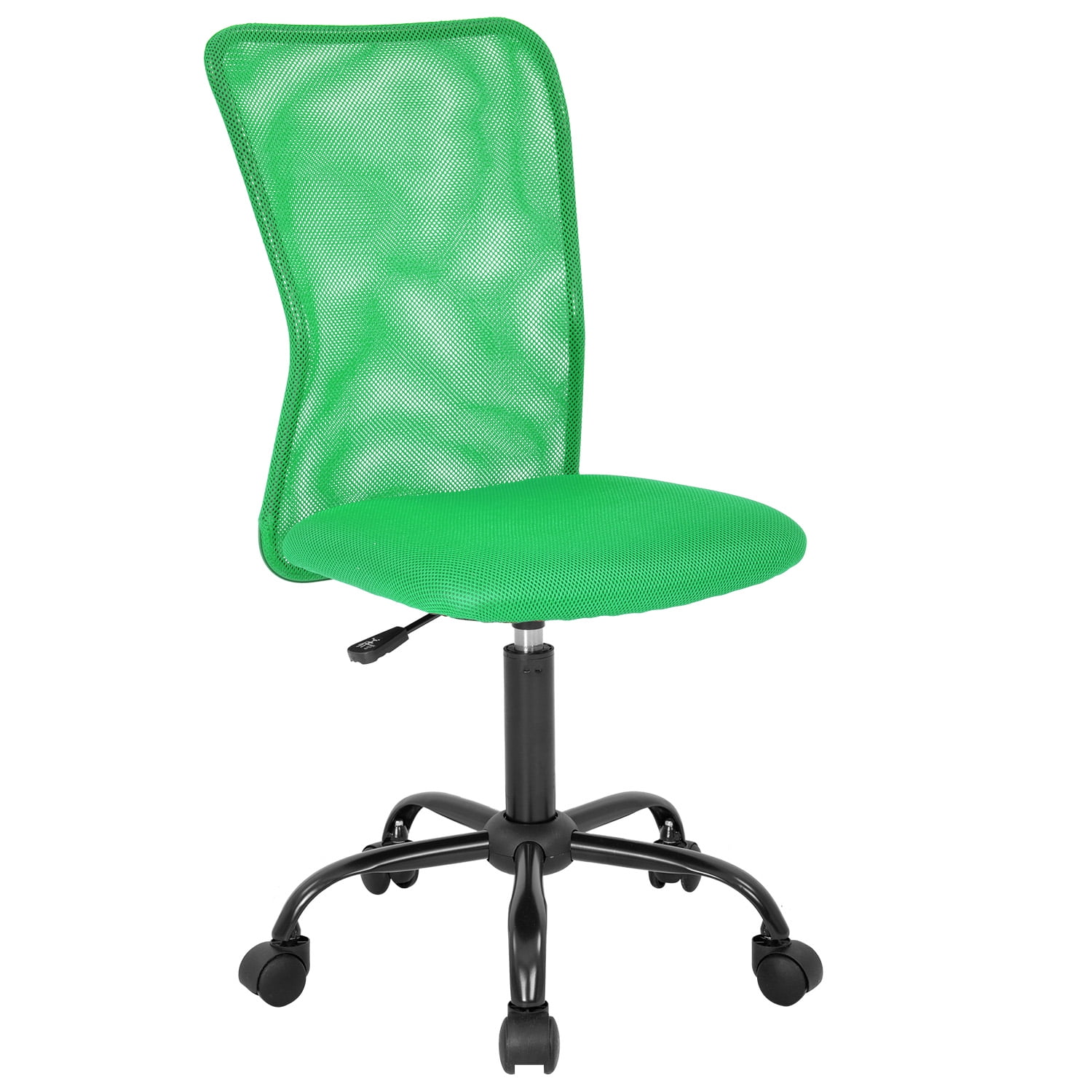
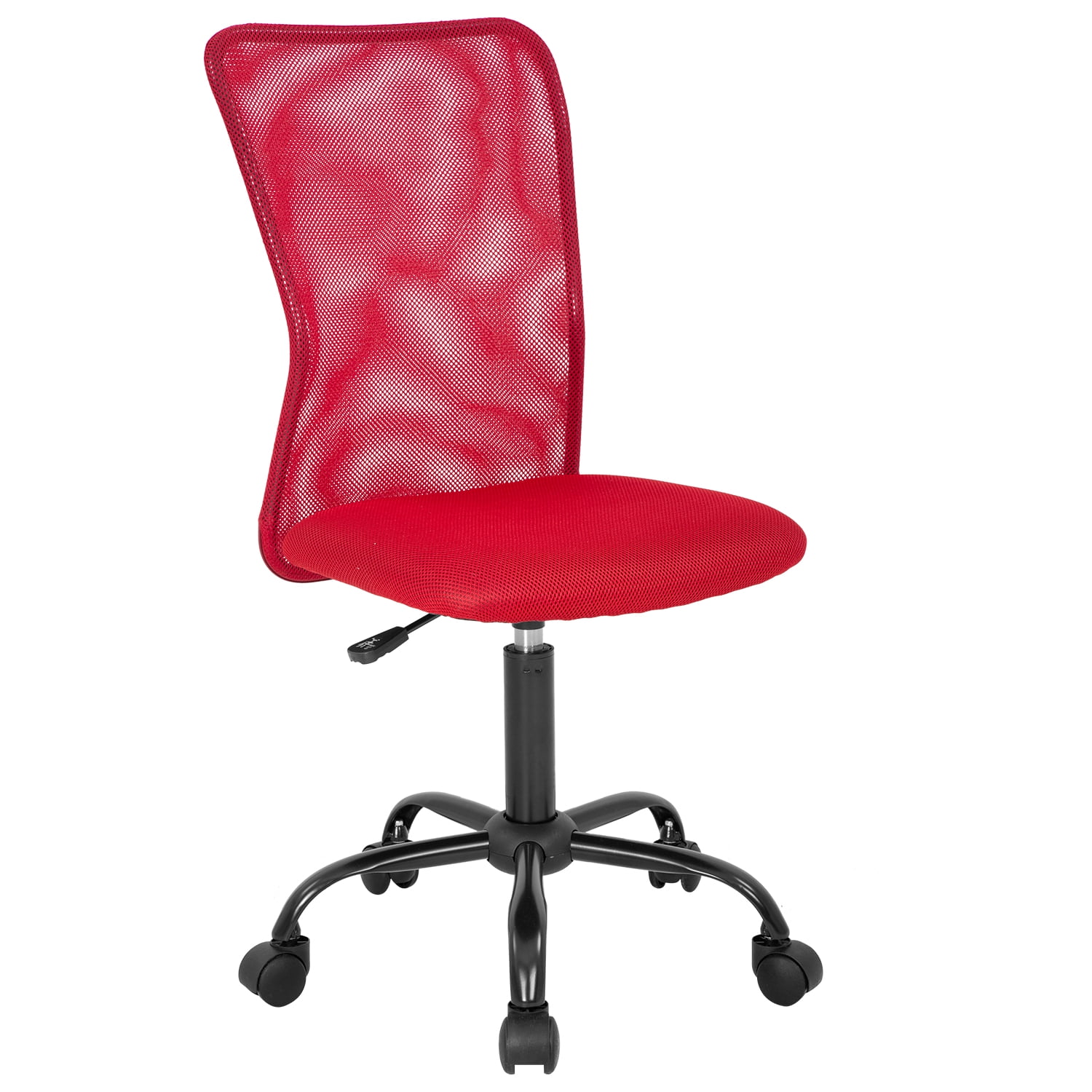
Best for: Warm climates, long-hour sitters who tend to get hot. Top-tier mesh (like from brands such as Herman Miller or Steelcase) is not flimsy; it's a resilient, tensioned fabric that conforms to your back while providing excellent breathability. It virtually eliminates sweat buildup.
Premium Leather/Fabric
Best for: Executive settings, those who prioritize a classic look or plush comfort. Top-grain leather is durable and molds over time. High-quality fabric is cozy and comes in diverse colors. However, leather can be warm, and fabric may trap odors. Many top hybrid chairs feature a mesh back with a cushioned seat.
3. The Foundation: Base, Casters, and Cylinder
The unseen parts are just as important. A top office desk chair will always feature a sturdy 5-star base, typically made of aluminum or reinforced nylon. Aluminum is lighter and more premium, while reinforced nylon is still very strong and cost-effective.
- Casters: The wheels must match your floor type. Soft rubber casters (often with a 'hooded' design) are for hard floors (wood/tile) to prevent scratching. Hard casters are for carpet. Top chairs often include instructions for swapping or come with dual-purpose casters.
- Gas Lift: Look for a cylinder that is Class 3 or 4, indicating it has passed rigorous safety and durability tests (BIFMA standards). A high-quality lift ensures smooth, reliable height adjustment without sinking over time.
4. Weight Capacity and Build Robustness
A 'top' chair implies durability. Standard chairs might hold 250 lbs, but a truly robust chair is engineered for a wider range of users. Look for chairs explicitly tested to BIFMA (Business and Institutional Furniture Manufacturers Association) standards. These standards involve thousands of cycles of tilting, rolling, and pressure to simulate years of use. Chairs with higher weight capacities (350 lbs+) often feature wider seats, thicker gauge steel in the mechanism, and larger casters.
The 'Seat Map' Test: How to Evaluate a Chair Before You Buy
Since you can't always test a chair in person, you need a mental checklist. I call this the 'Seat Map' test. Imagine your body makes a map on the chair. A top chair should have no 'red zones'—areas of high pressure or discomfort.
- The 10-Minute Stillness Test: Sit in your ideal posture for 10 minutes without moving. Do you feel any hot spots under your thighs or sharp pressure in your lower back? A top chair distributes weight evenly.
- The Fidget Factor: Good chairs encourage micro-movements. Tilt forward slightly. Can you maintain balance? Recline. Does the movement feel fluid or jerky? The chair should move with you, not against you.
- The Armrest Alignment Check: With your hands on your keyboard, can you easily slide your armrests so your elbows are at 90 degrees and your forearms are parallel to the floor? If the armrests don't go high or low enough, it's not a top contender for you.
- The 'Get Up and Go' Assessment: Stand up from the chair. Does the seat edge catch behind your knees? If so, the seat depth is too long or the front edge (waterfall) isn't pronounced enough. A proper waterfall edge reduces pressure on the underside of your thighs, promoting good circulation.
Using this mental test when reading reviews can help you filter marketing hype from genuine ergonomic value.
Ergonomics vs. Aesthetics: Finding the Perfect Balance
Many professionals feel torn between the sleek, minimalist look of a design-forward chair and the complex, sometimes bulky look of a highly ergonomic task chair. The best office desk chairs of today successfully bridge this gap. Manufacturers now understand that 'health' doesn't have to look 'clinical.'
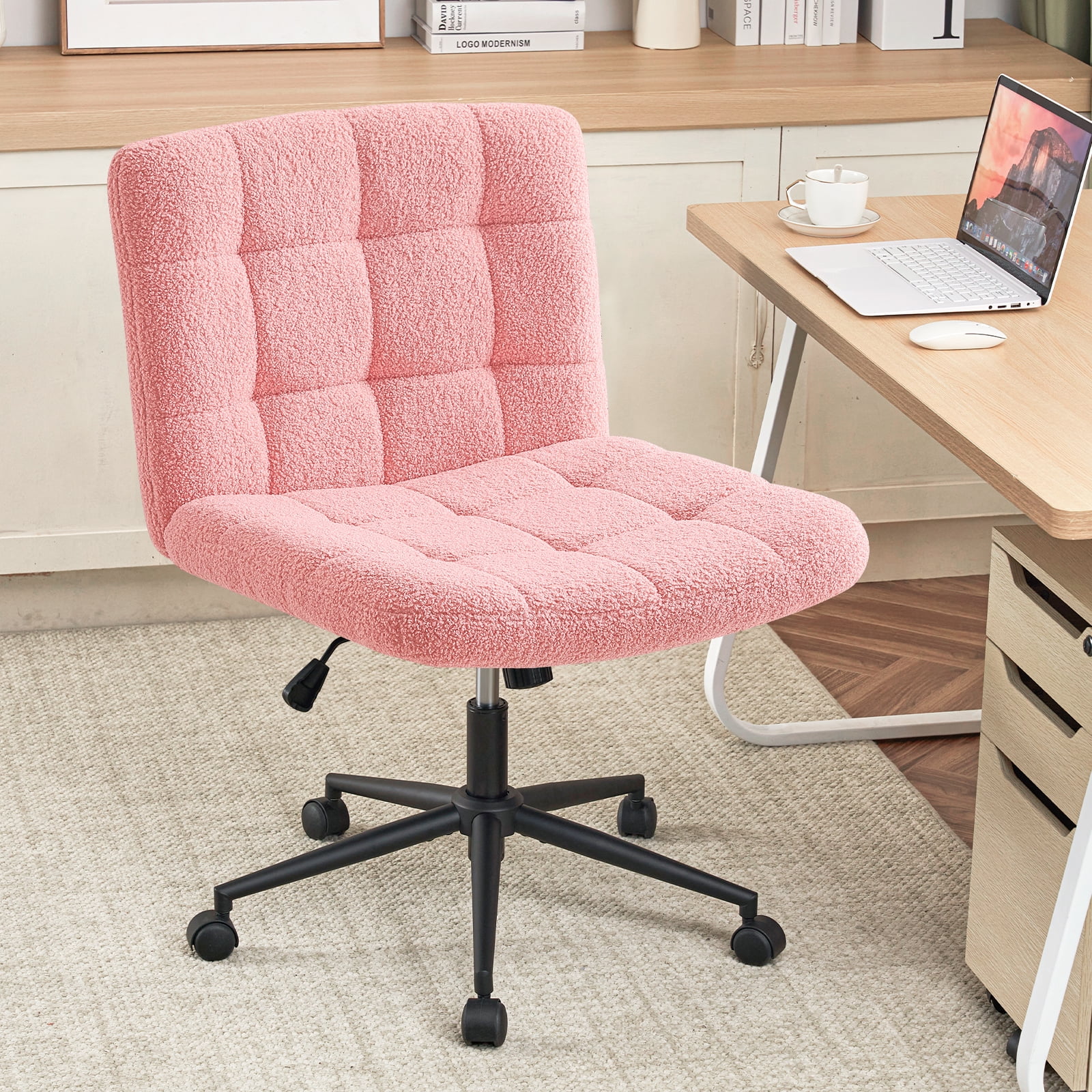
For the Modern Home Office: You might prioritize a chair that doesn't scream 'office.' Look for chairs with clean lines, concealed mechanisms, and premium materials like wool-blend fabric or polished aluminum. These chairs offer hidden ergonomics—adjustable lumbar built into the frame, or synchro-tilt mechanisms that are seamless to operate.
For the Corporate Environment: Aesthetics often need to convey professionalism and authority. Here, a high-back leather chair with polished stitching might be the choice. However, ensure that beneath the leather lies high-density, resilient foam and a robust mechanism that supports your back, not just your image.
The sweet spot is a chair that you're proud to look at and that you forget you're sitting in—because it supports you so well. This 'forgetfulness' is the ultimate sign of a top-tier ergonomic design.
Long-Term Value: Why the Cheapest Chair Is Often the Most Expensive
It's a classic trap: buy a $150 chair, and within two years, the foam is flat, the gas lift is sinking, and the armrests are wobbly. You then buy another $150 chair, repeating the cycle. Over 10 years, you've spent $750 on disposable seating. Conversely, a $700-$1,000 top office desk chair, built with replaceable parts and durable materials, often lasts a decade or more.
Factor in the health costs. A 2020 study in Spine journal indicated that individuals with chronic low back pain incur significantly higher healthcare costs. Investing $1,000 in a chair that prevents pain and improves posture offers a return on investment that far exceeds its price tag. You're paying for engineering, material quality, and the peace of mind that comes with a 10-12 year warranty.
Your Next Step to a Better Workday
Navigating the world of office seating can feel overwhelming, but armed with this knowledge, you can see past the marketing fluff. Focus on adjustability, material suitability for your environment, build quality, and the 'seat map' test. The 'top office desk chair' isn't a single model; it's the one that best fits your unique body and workflow. Use the curated product grid above as a starting point—these are chairs that consistently meet the high standards we've discussed. Your back, your focus, and your productivity will thank you.