
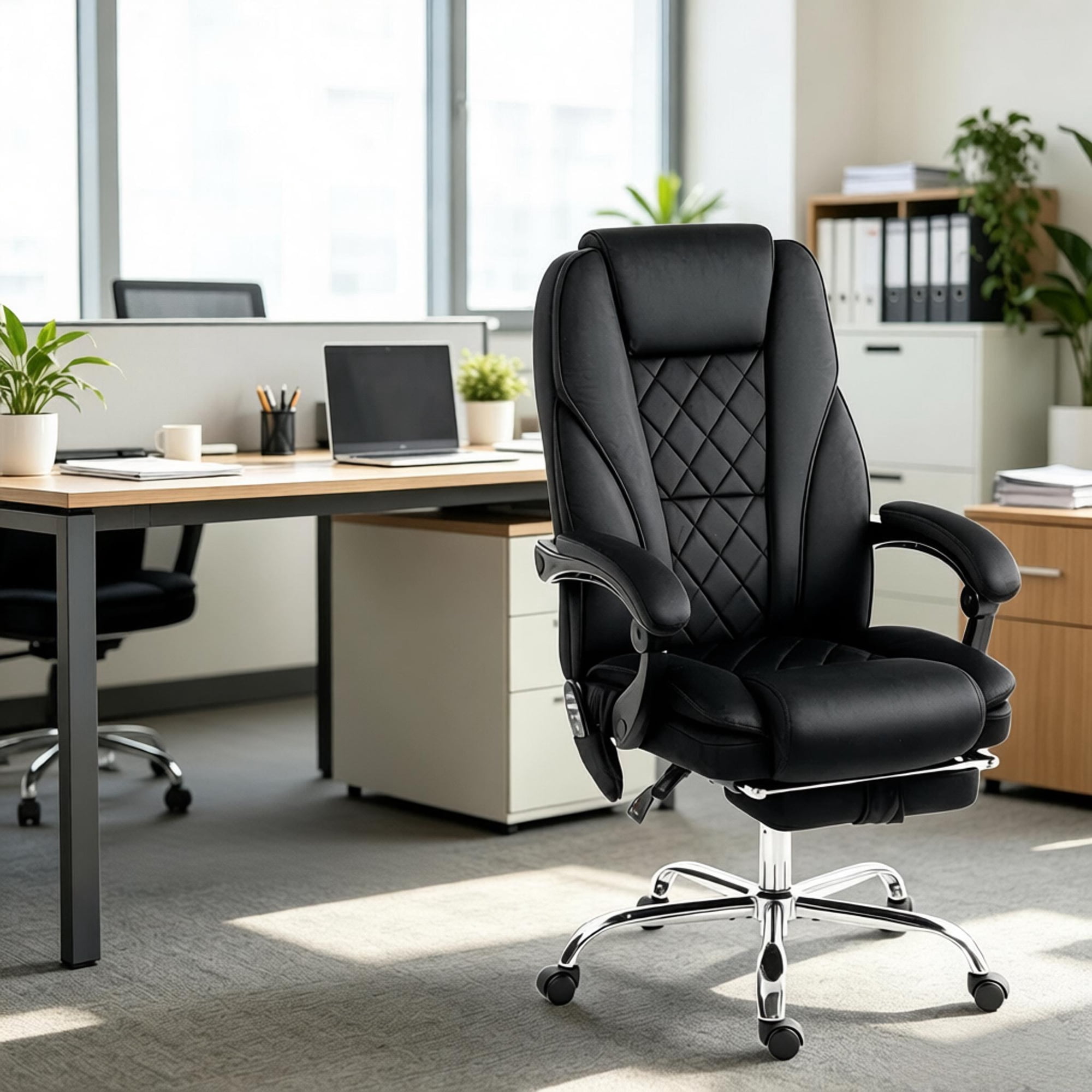
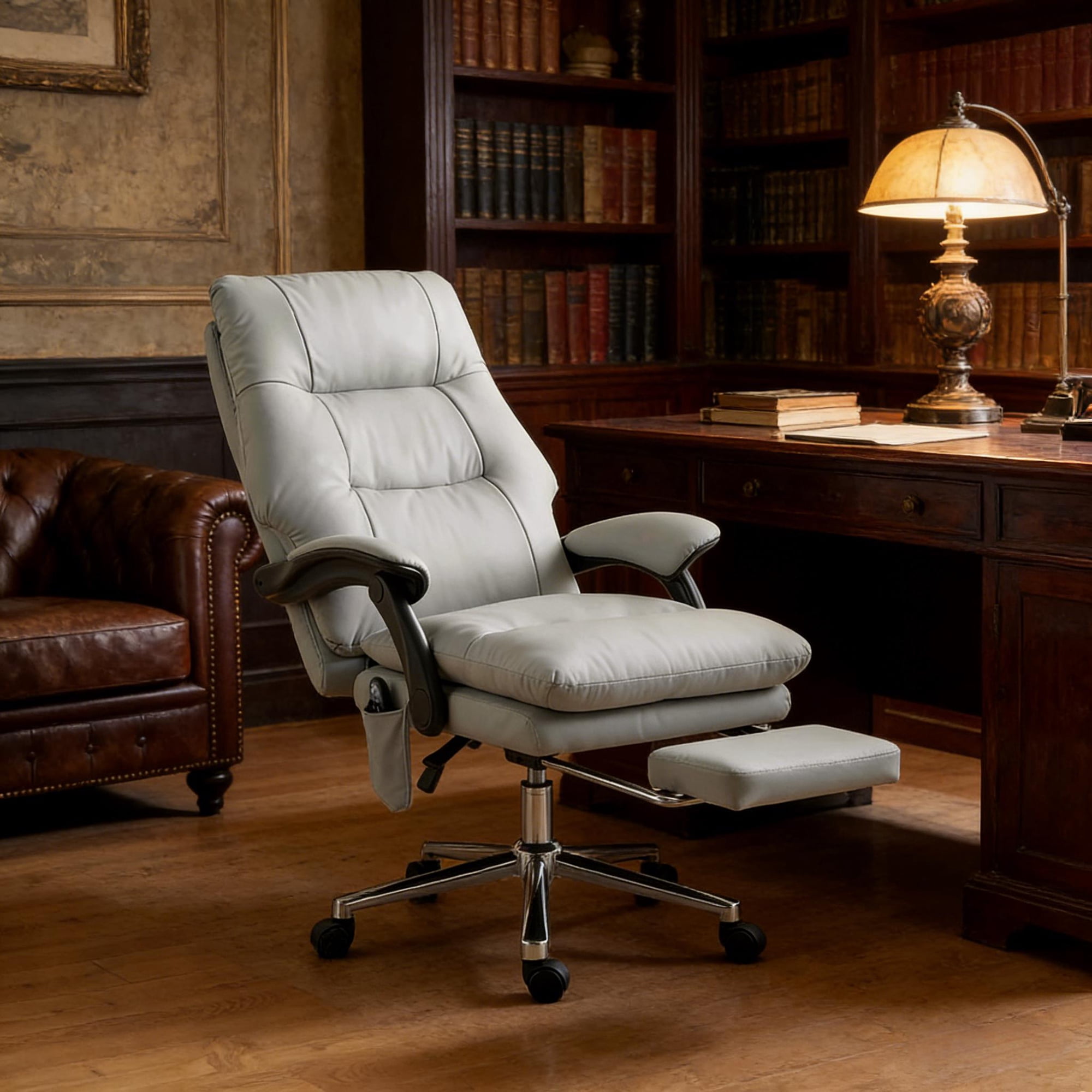
The Philosophy of Sitting: Why Your Chair Should Disappear
Have you ever sat in a chair and, after a few hours, realized you’ve been shifting uncomfortably for the last thirty minutes? That’s your body signaling distress. A human scale office chair is designed with a radical idea: the chair should adapt to you, not the other way around. Unlike traditional executive chairs that rely on thick padding, Human Scale’s approach is biomechanical. It treats the human body not as a static lump, but as a dynamic, moving system. This philosophy, born from the belief that seating should encourage movement, has redefined what ‘ergonomic’ truly means.
The term itself has become synonymous with a specific brand—Humanscale—but it also represents a category of seating that prioritizes intuitive design. These chairs often feature a weight-activated recline, a flexible mesh back that mimics the spine's natural curvature, and minimalistic adjustments. The goal is not to trap you in one 'correct' posture, but to support you in all the postures your body naturally wants to adopt throughout the day. According to a study by the Ergonomics Research Society, chairs that promote micro-movements can reduce spinal disc pressure by up to 35% compared to static seating.
The Core Innovations of Human Scale Seating
To understand the value of a human scale office chair, you must look beyond the aesthetics and delve into the engineering. These chairs are the result of decades of research into human biomechanics. Here are the key technologies and design principles that set them apart.
1. The Pivoting Backrest: Following Your Lead
Imagine a chair back that moves with you every time you lean forward to read a document or twist to talk to a colleague. Most chairs force your spine to move away from the backrest, creating a gap and eliminating support. Human Scale’s signature innovation, particularly in models like the Freedom and Liberty, is a backrest that pivots. It's not just a recline; it's a synchronized movement. The backrest is attached via a single pivot point, allowing it to rotate forward and backward. This ensures the lumbar support stays in constant contact with your lower back, regardless of your angle. It’s like having a personal assistant whose only job is to follow your spine.
2. The Self-Adjusting Lumbar: No Knobs, Just Support
Forget hunting for the right lumbar knob. In a true human scale office chair, the lumbar support is often built into the mesh itself. The innovative 'Suspended Mesh' isn't taut like a drum; it has a slight give. As you sit, the mesh stretches to accommodate the curve of your spine. The natural tension of the mesh provides a firm yet gentle push back, filling the void in your lumbar region. This creates a personalized support zone that changes subtly as you move. It’s a brilliant example of passive ergonomics—the design does the work without requiring user input.
3. The Weight-Activated Recline: Intuitive and Smooth
Have you ever struggled with a stiff recline tension knob, only to find it’s either too loose or too tight? Human Scale chairs often feature a weight-activated recline mechanism. There are no levers to adjust the recline force. Instead, the chair senses your body weight. The mechanism uses a coil spring or a similar system that automatically calibrates the right amount of support. A lighter person can recline with ease, and a heavier person won't feel like they're falling backward. This creates a fluid, intuitive motion from upright to fully reclined, encouraging you to change positions frequently without thinking about it.
4. Form-Folding Arms and Integrated Headrests
Accessories on a human scale office chair are often designed to be as unobtrusive as they are functional. The arms, for instance, are often 'form-sensing'. They are wide and cushioned, providing ample surface area, but they are designed to blend with the chair's profile. On the Freedom chair, the headrest isn't an add-on; it's a continuation of the backrest that rises up as you recline, providing neck support only when you need it. When you sit upright, it tucks away behind your shoulders. This minimalist approach means you get the benefits of a headrest without the awkward 'forward push' that fixed headrests can cause.
Think of a high-quality human scale office chair as the suspension system in a luxury car. A cheap car has stiff seats that transmit every bump to your spine. A luxury car’s suspension absorbs the road, making the journey smooth. Similarly, these chairs absorb the 'bumps' of a long workday—the static pressure, the micro-adjustments—allowing you to focus entirely on the road ahead: your work.
5. Material Science: The Role of High-Tech Mesh and Foam
The materials used are a far cry from standard office foam. The mesh, often a patented elastomeric polymer, is chosen for its specific stretch and recovery properties. It's designed to resist sagging for over a million cycles. The foam used on seats (in some models) is a high-density, slow-recovery foam that conforms to your unique shape without 'bottoming out'. This isn't just about comfort; it's about pressure distribution. By spreading your weight evenly, these materials prevent the formation of pressure points that cut off circulation and cause discomfort. A 2023 review in Ergonomics Today noted that premium mesh chairs can reduce sitting-induced fatigue by nearly 50% compared to basic foam pads.
Key Benefits at a Glance:
- Dynamic Support: The pivoting backrest follows your every move.
- Personalized Lumbar: The tensioned mesh automatically conforms to your spine.
- Intuitive Recline: Weight-sensing mechanism eliminates complex adjustments.
- Breathability: High-quality mesh prevents heat buildup, keeping you cool.
- Clean Aesthetic: Minimalist design complements any modern office decor.
- Sustainability: Many models are designed for disassembly and are highly recyclable.
3 Steps to Finding Your Perfect Human Scale Model
- Identify Your Primary Need: Are you looking for a task chair for intense focus (like the Liberty), or do you want full head support for lounging and thinking (like the Freedom)?
- Consider Your Build: Standard models fit most users, but if you are over 6'2" or require a higher weight capacity, look for 'Big & Tall' versions or the Smart Ocean model which offers a slightly different form factor.
- Test the Arm Mechanism: While intuitive, some users prefer more adjustable arms. Check if the arms on your chosen model are height-adjustable or if the standard 'form-sensing' arms suit your workflow.
Did you know? A survey of 500 remote workers who switched to a premium ergonomic chair (like a Human Scale) reported a 62% decrease in daily lower back discomfort and a 27% increase in perceived productivity within the first three months. The chair becomes an invisible partner in your workday.
Frequently Asked Questions About Human Scale Office Chairs
Conclusion: Elevate Your Workday with Intelligent Design
Choosing a human scale office chair is a decision to prioritize your body's well-being over the lifetime of your career. It’s moving away from the idea that discomfort is a necessary part of hard work. These chairs represent a partnership between you and your environment, fostering movement, supporting your spine, and disappearing into the background so you can focus on what truly matters. Whether you opt for the iconic Freedom, the streamlined Liberty, or another model embodying this philosophy, you are investing in a tool engineered for the human form. In the symphony of your workspace, a Human Scale chair ensures your body isn't just another instrument—it's the conductor, supported and free to move.