
Why a Tall Office Chair With a Footrest is a Game-Changer
If you are over 6 feet tall, you know the struggle of standard office chairs. Your knees may hit the underside of the desk, your thighs might not be fully supported by the seat, and your feet often dangle, straining your lower back. This is where a tall office chair with a footrest becomes an essential tool, not just a luxury. It’s the difference between enduring your workday and thriving through it. By combining an extended seat height range with dedicated foot support, these chairs create a complete ergonomic ecosystem for taller individuals.
Think of a standard office chair as a "one-size-fits-all" t-shirt. It works for some, but for those with longer limbs, it’s uncomfortable and restrictive. A tall chair with a footrest is like a tailor-made suit. It adjusts to your specific proportions, ensuring that from your head to your feet, your body is in a neutral, supported position. This comprehensive support is crucial for maintaining focus, preventing fatigue, and avoiding long-term musculoskeletal issues.
The Anatomy of Comfort: Key Features in Tall Chairs With Footrests
Not all tall chairs are created equal. When searching for the perfect model, understanding the specific components that contribute to a superior sitting experience is key. Here’s what sets a high-quality tall office chair with a footrest apart from the rest.
Extended Seat Height and Depth: The Foundation of Fit
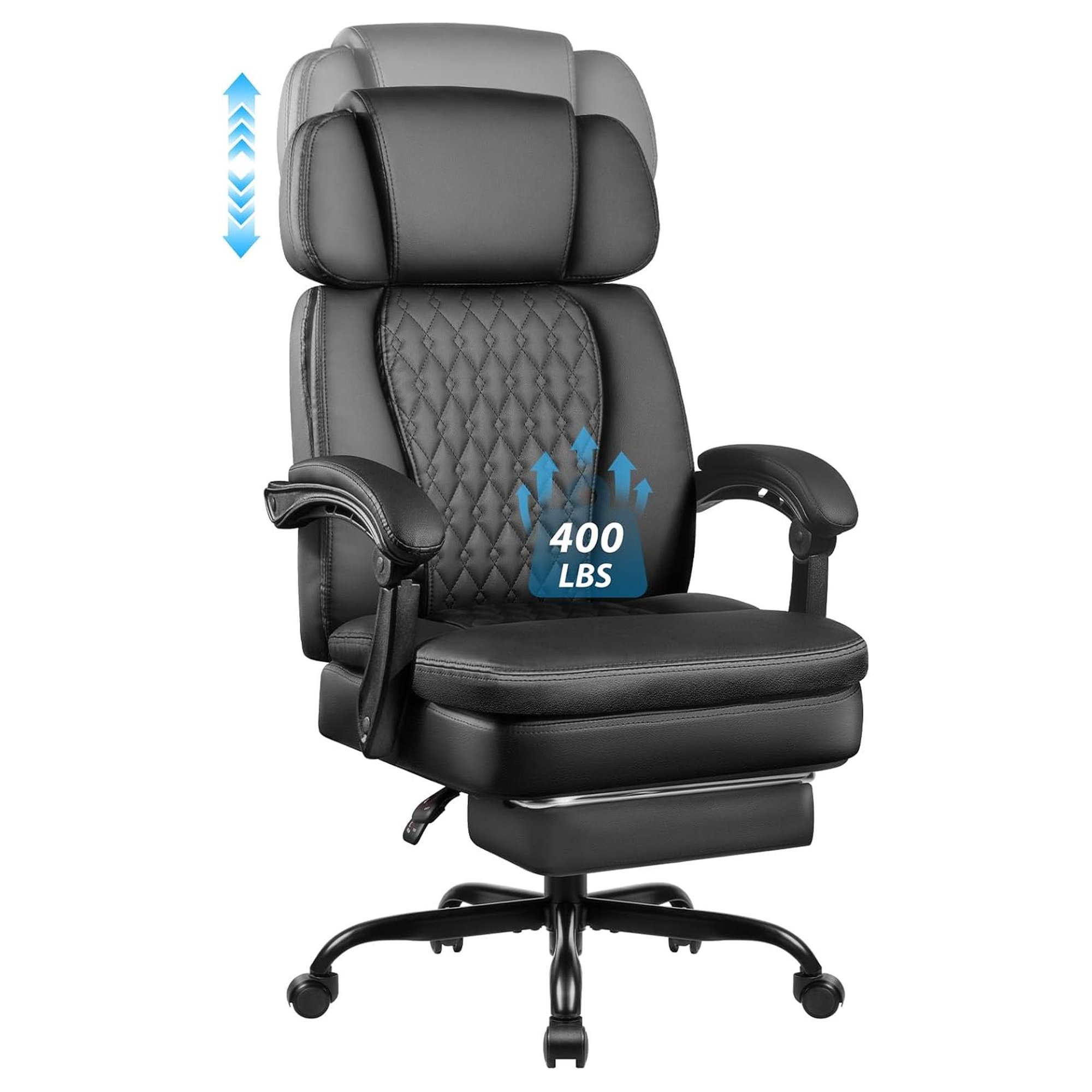
The primary feature of a tall office chair is its pneumatic cylinder, which must offer a higher maximum seat height—typically starting at 19-20 inches from the floor and extending to 22 inches or more. This allows your hips to sit at or above knee level, a cornerstone of good posture. Equally important is the seat depth. A standard 18-inch deep seat may only support half of your thigh. Look for chairs with a seat depth of at least 20 inches, or adjustable seat slides, to ensure 2-4 inches of space between the back of your knee and the seat edge. Without proper depth, the integrated footrest can't do its job effectively.
Types of Footrests: Integrated vs. Attachable vs. Flip-Up
The footrest itself comes in several forms, each with its own advantages:
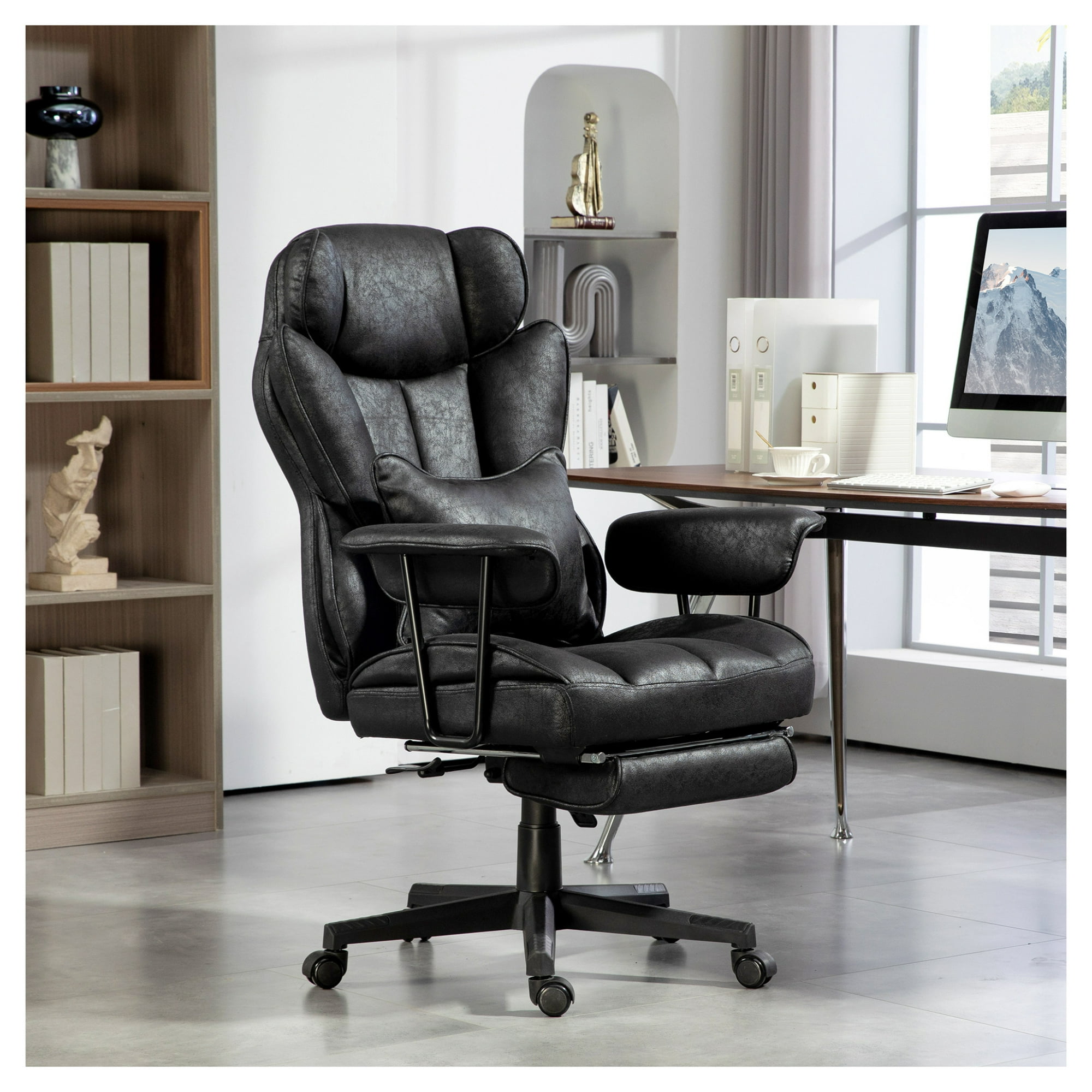
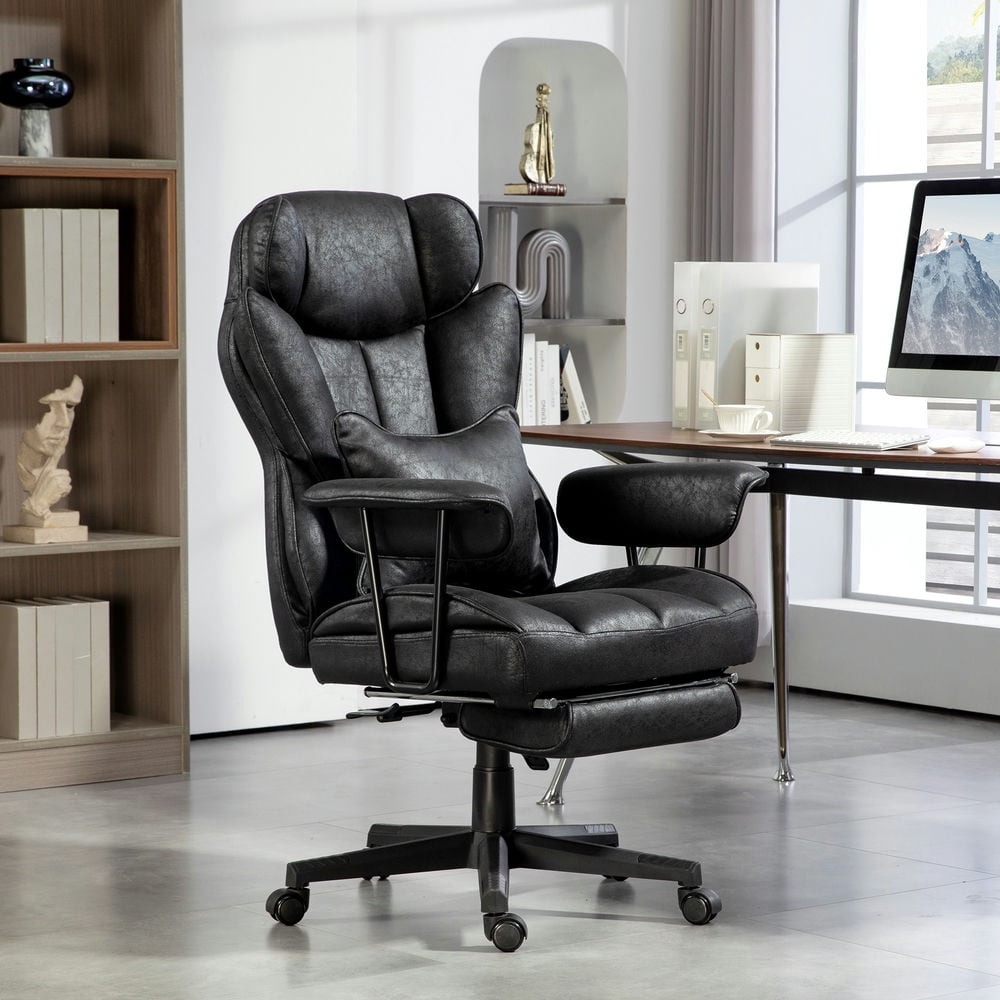
- Integrated Sliding Footrest: This mechanism slides out from under the seat like a drawer. It provides a solid, stable platform and is usually the most durable option. It's ideal if you use the footrest constantly.
- Flip-Up Footrest: A very popular design where the footrest is hinged and folds up against the front of the chair when not in use. This is perfect for those who want the support available but need to tuck the chair fully under a desk.
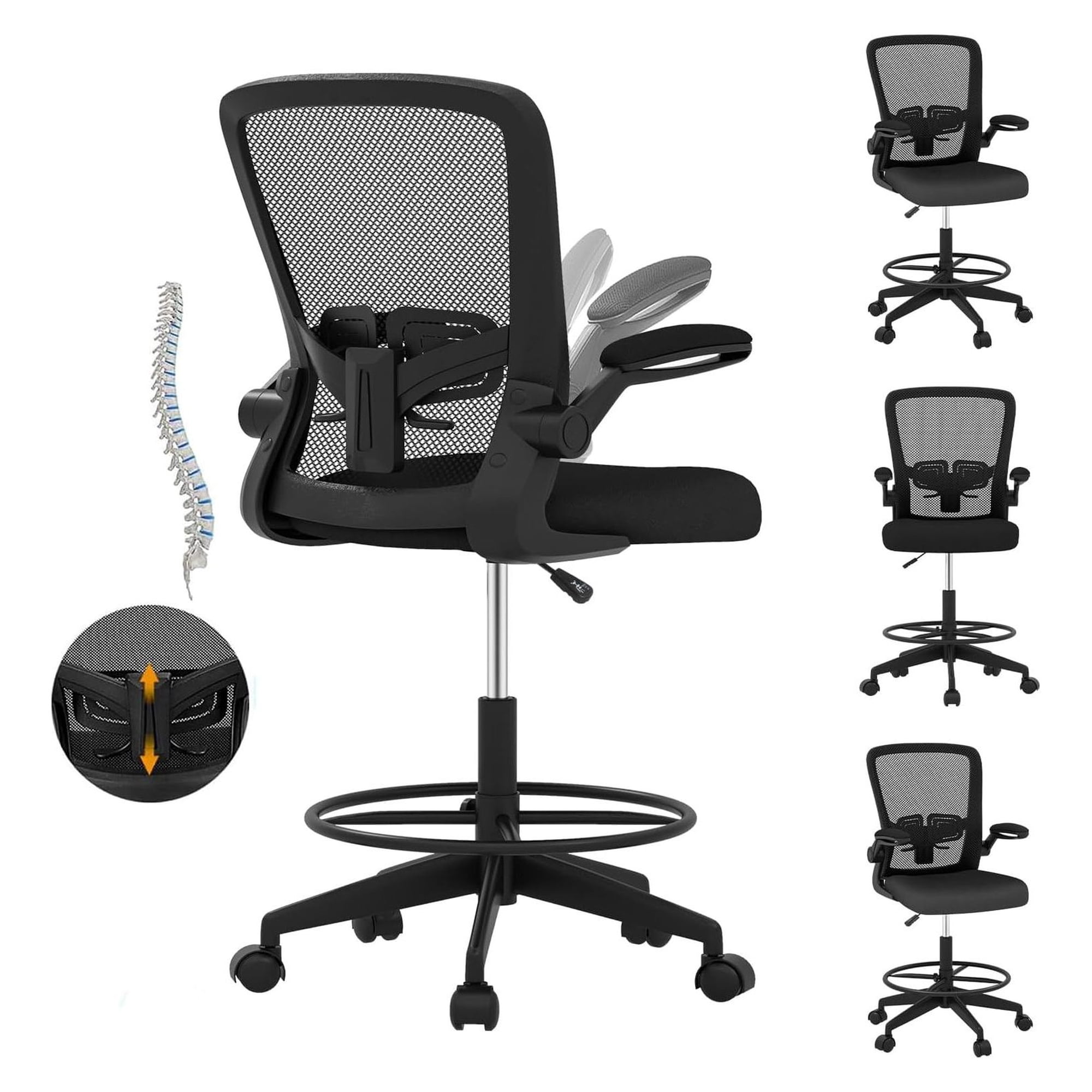
- Attachable/Aftermarket Footrests: Some chairs don't come with a built-in footrest but are compatible with add-on rings or independent floor footrests. A foot ring, for example, is a circular rest that attaches to the chair's base, allowing you to rest your feet at various angles.
The choice depends on your workflow. If you recline frequently, a sliding footrest that moves with you is best. If you switch between typing and standing, a flip-up model offers the most flexibility.
High Backrest and Headrest Support
A tall office chair is defined by its backrest. For true tall seating, the backrest should extend to support your shoulders and often include an adjustable headrest. A minimum back height of 28-30 inches is recommended. This ensures that the natural curve of your spine is fully supported, right up to the thoracic region. An adjustable headrest is non-negotiable for preventing neck strain, especially if you tend to lean back during phone calls or deep-think sessions. It should move both vertically and tilt to cradle the base of your skull.
Weight Capacity and Build Quality
Taller individuals often have a larger build. Therefore, a sturdy construction is paramount. Look for chairs with a heavy-duty five-star base made of nylon or aluminum, and casters rated for your floor type. The gas lift mechanism should be Class 3 or 4 to handle higher weights safely. Pay close attention to the footrest mechanism—it should feel solid with no wobble. A weight capacity of at least 350 lbs is a good benchmark for durability, even if you weigh less, as it indicates a stronger overall frame.
Pros and Cons: Is This the Right Chair for You?
To help you decide, here is a balanced look at the advantages and potential drawbacks of investing in a tall office chair with a footrest.
✅ Pros
- Superior Ergonomics for Tall Users: Eliminates the "dangling feet" problem, promoting better spinal alignment.
- Improved Circulation: A footrest reduces pressure on the underside of the thighs, preventing numbness and improving blood flow.
- Versatile Sitting Positions: Allows you to recline comfortably while keeping your feet supported, reducing lower back strain.
- All-Day Comfort: Reduces overall fatigue by providing support from head to toe.
- Professional and Commanding Presence: A high-back chair with a footrest conveys authority and a focus on personal well-being.
❌ Cons
- Higher Cost: Specialized features mean these chairs are generally more expensive than standard office chairs.
- Space Considerations: Some models, especially those with fixed or sliding footrests, may require more floor space.
- Weight: Built with heavy-duty materials, they can be quite heavy and difficult to move.
- Not Suitable for Short Users: The high seat height and deep back are specifically designed for taller individuals and won't fit smaller users properly.
Step-by-Step Guide to Choosing Your Tall Office Chair With Footrest
Navigating the options can feel overwhelming. Follow this practical guide to make an informed decision that you'll be happy with for years.
Step 1: Take Precise Measurements
Before you even start browsing, grab a tape measure. Measure your lower leg length (from the floor to the back of your knee) while sitting. This determines the minimum seat height you need. Measure your thigh length (from the back of your knee to your hip) to find the required seat depth. Finally, measure your torso length (from your seat to your shoulders) to gauge the necessary backrest height. Write these numbers down.
Step 2: Prioritize the Footrest Mechanism
Decide which footrest style best matches your habits. Do you often sit cross-legged or shift positions? A foot ring might offer the most freedom. Do you need to tuck your chair in? Go for a flip-up model. Do you want a solid, always-there platform? Choose an integrated slider. This is the most personal choice, so think about your typical sitting posture.
Step 3: Match Your Measurements to Chair Specs
Use your measurements to filter chairs. Compare them to the manufacturer's specifications for seat height range, seat depth, and back height. A good rule of thumb is to ensure there's some adjustability left over—you don't want to be at the absolute maximum of the chair's range. Look for terms like "extra tall cylinder" or "big and tall" in the product description.
Step 4: Verify Adjustability and Build
Check for 4D armrests (height, width, depth, and pivot), adjustable lumbar support, and a recline mechanism with tension control. For the footrest, if it's a slider, ensure it locks securely. Read reviews to see if users mention the footrest being flimsy or the gas lift failing. A solid, wobble-free build is a sign of quality.
Frequently Asked Questions About Tall Office Chairs With Footrests
Final Verdict: Invest in Your Foundation
A tall office chair with a footrest is more than just a piece of office furniture; it's an investment in your physical well-being and professional performance. By addressing the specific needs of taller users, it closes the ergonomic loop, ensuring that support starts from the ground up. The right chair will eliminate the subtle discomforts that accumulate over a workweek, freeing you to focus on your tasks without the distraction of an aching back or restless legs.
When making your final decision, prioritize chairs that offer robust adjustability in seat height, depth, and the footrest itself. Look for solid construction that promises longevity. While the initial price may be higher than a standard model, the return on investment in terms of comfort, health, and productivity is undeniable. Choose a chair that fits you—not one you have to fit into.