
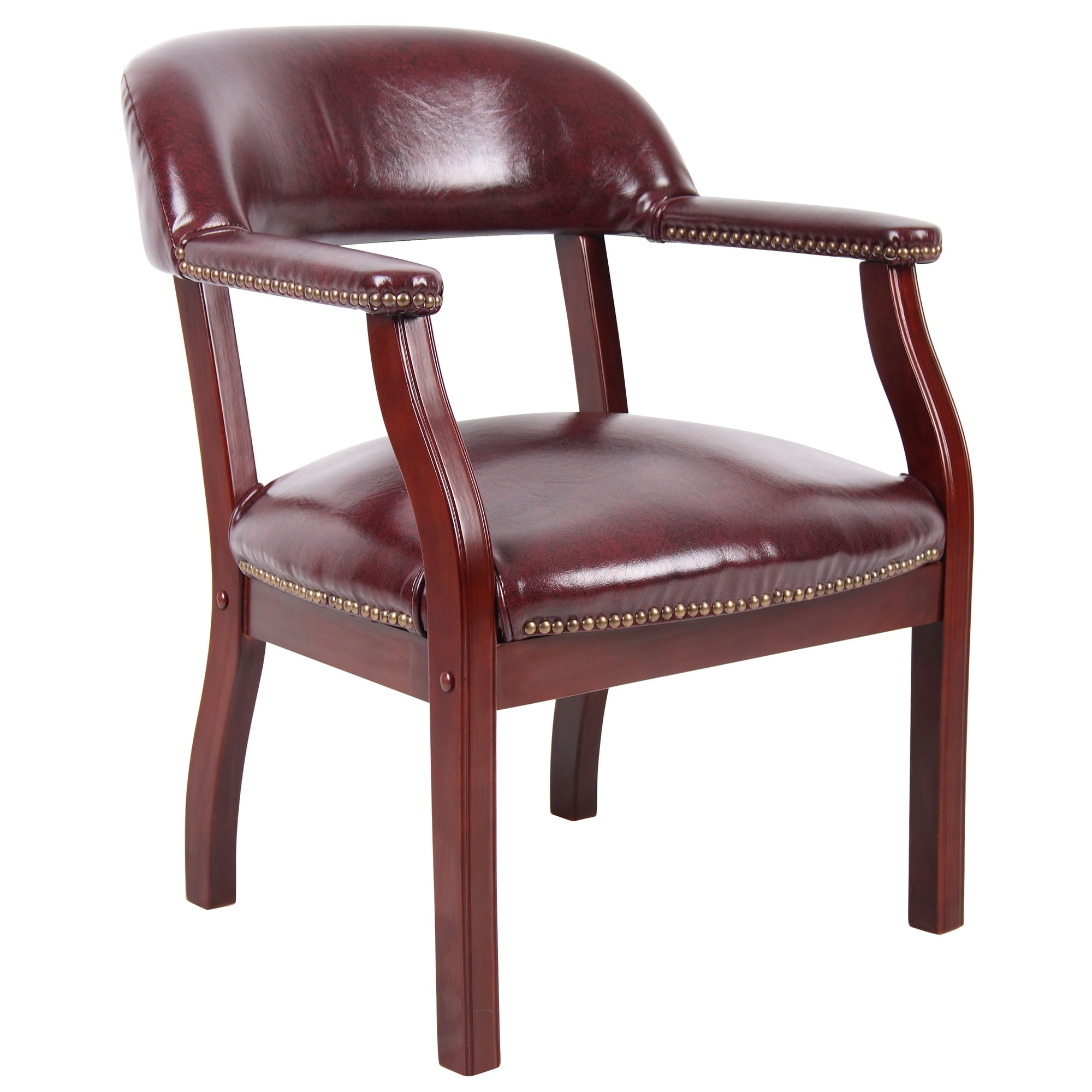
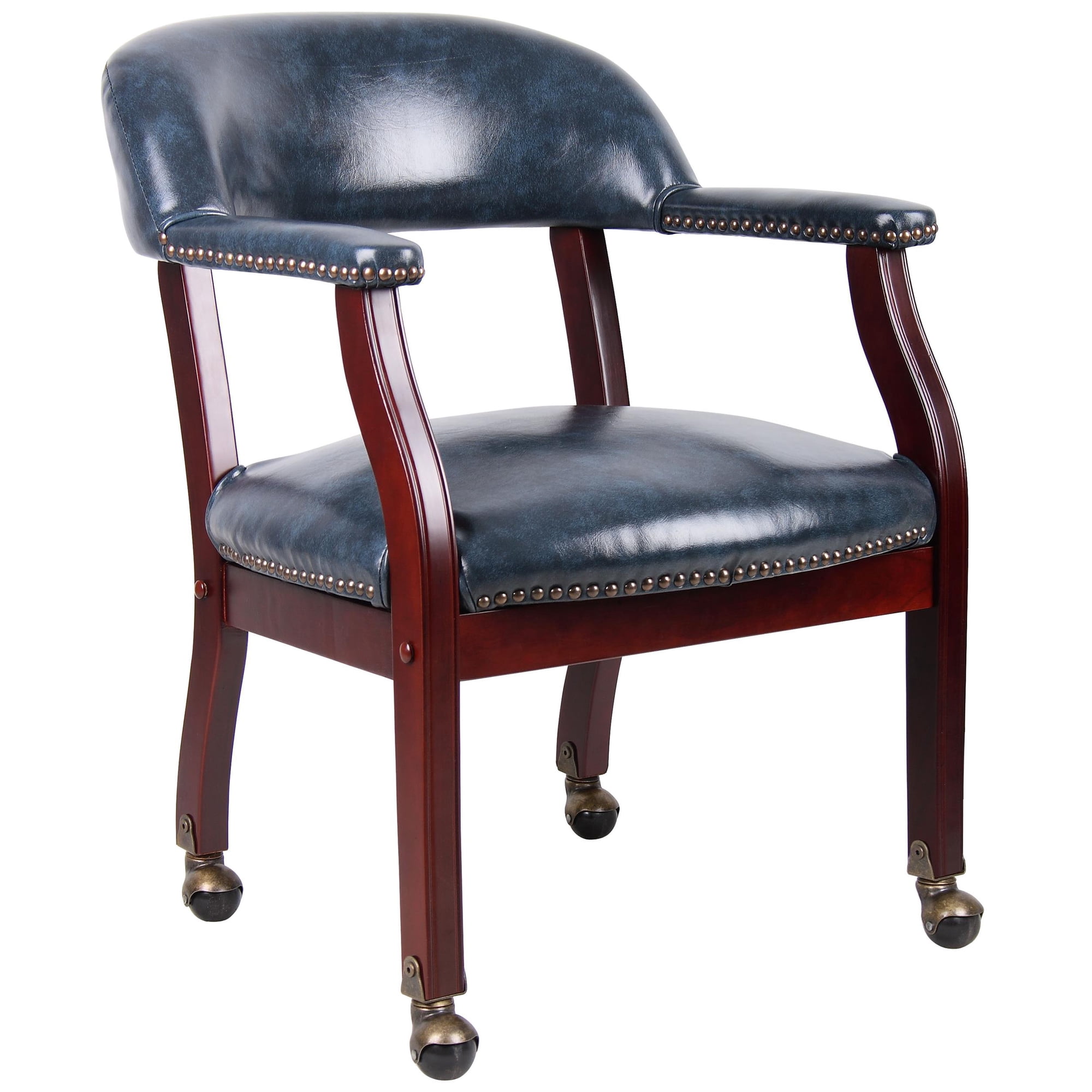
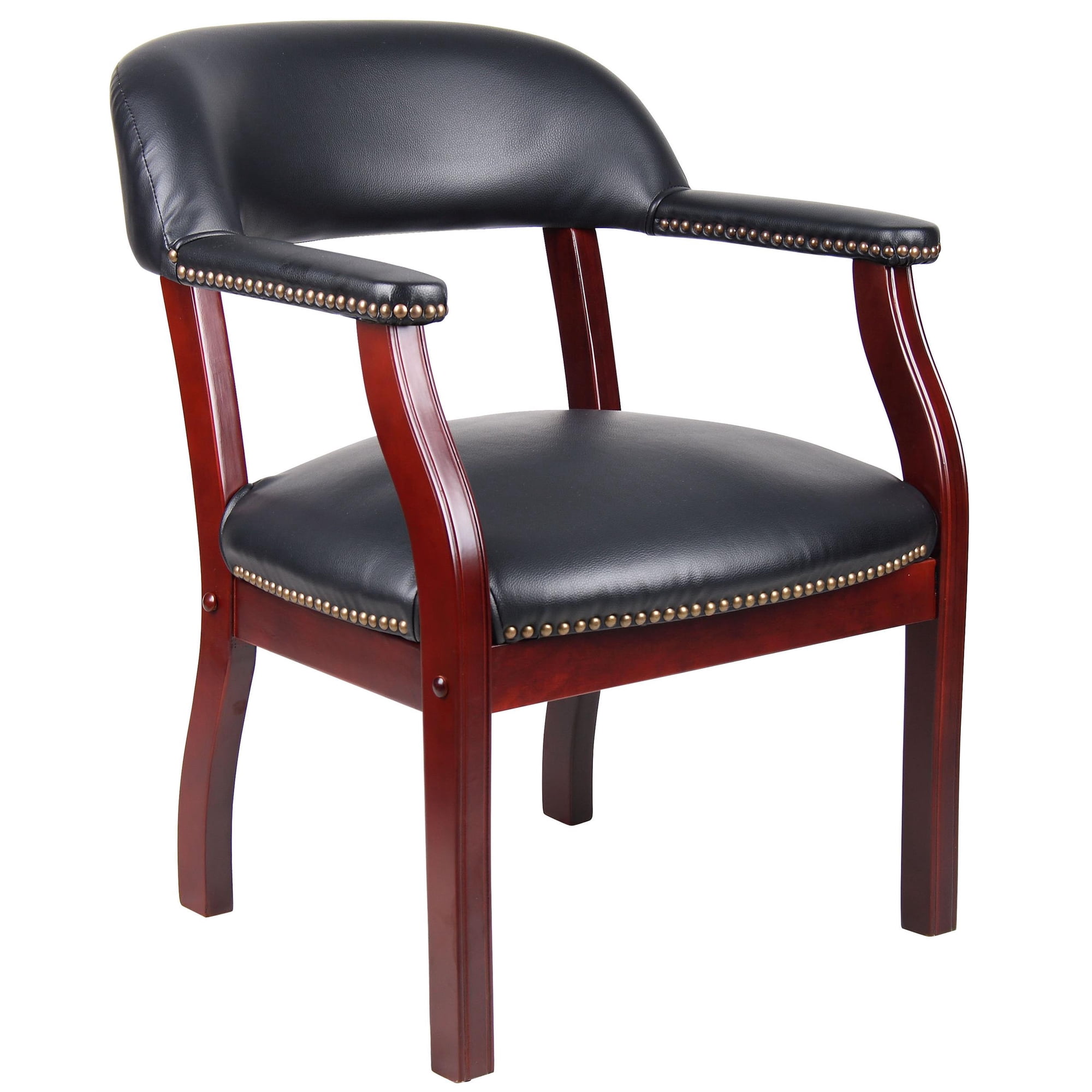
Steering Your Success: The Allure of the Captains Office Chair
Imagine the bridge of a classic ship: the captain, steady at the wheel, seated in a chair built for hours of watchful command. That image of sturdy authority and focused comfort is now translated into the modern workspace with the captains office chair. More than just a place to sit, it's a statement of purpose, a throne for the home admiral or the corporate leader. But the modern captains chair isn't just about nostalgia; it's a sophisticated piece of ergonomic furniture designed to support you through the longest voyages—your workday.
In today's design landscape, a captains office chair stands out with its distinctive high back, often enveloping wings, and a robust, grounded presence. It promises a sanctuary of support, a place where you can focus entirely on the task at hand. Whether you're navigating spreadsheets, charting business strategies, or simply seeking unparalleled comfort, this style of chair offers a unique blend of psychological assurance and physical relief. We'll explore how this nautical-inspired seating has evolved into a top-tier choice for ergonomic wellness and professional aesthetics.
The Anatomy of a Modern Captains Chair: What to Look For
Choosing the right captains office chair is like selecting the right vessel for a long journey. You need to understand its construction, features, and materials. Here is a detailed breakdown of the critical components that define a quality captains chair, ensuring you invest in a seat that will serve you well for years.
1. The Command Center: Backrest and Head Support
The most defining feature of a captains chair is its high backrest. This isn't just for show; it's engineered to support the entire thoracic and cervical spine. Look for a backrest that reaches at least your shoulder blades, ideally with an integrated or adjustable headrest. This full-height support is crucial for preventing 'tech neck' and reducing strain during intense focus sessions.
- Integrated Lumbar Support: Unlike generic chairs, a true captains chair often has pronounced lumbar curves. Seek models with adjustable lumbar (both depth and height) to customize the fit to your spine's natural S-shape.
- Winged Design: Some classic captains chairs feature slightly winged sides on the backrest. This provides a subtle enclosure, offering lateral support and a feeling of being 'held'—which can be psychologically calming during high-pressure tasks.
- Recline Mechanism: A multi-lock or infinite position recline is invaluable. It allows you to lean back for thoughtful moments or to relieve pressure on your discs. Look for a tension control knob that adjusts the force needed to recline, accommodating your weight and preference.
2. The Hull: Seat Construction and Comfort
The seat is your foundation. A poorly designed seat can lead to circulatory issues and discomfort within hours. The modern captains chair borrows from automotive and maritime design to prioritize long-haul comfort.
- Waterfall Edge: This is a non-negotiable ergonomic feature. The front of the seat should curve gently downward, reducing pressure on the back of your thighs and promoting healthy blood flow to your legs.
- Seat Depth Adjustment: A feature often overlooked but vital for proper ergonomics. The ability to slide the seat pan forward or backward ensures that you can sit with your back fully against the backrest while leaving 2-4 fingers of space between the edge of the seat and the back of your knee.
- Cushion Density: Forget soft, sink-in cushions. High-density foam (or multi-layer foam with memory foam toppers) provides the right balance of initial comfort and long-term support. It should feel supportive, not like a hammock.
3. The Helm: Armrests and Base
These are the control surfaces of your chair. Their adjustability and build quality directly impact your upper body posture and the chair's overall stability.
- 4D Armrests: The gold standard for a reason. 4D armrests adjust in height, width, depth, and pivot angle. This allows you to position them so your elbows rest comfortably at a 90-degree angle, with shoulders relaxed, directly impacting neck and shoulder tension.
- Sturdy Base: A five-point base is mandatory for stability. Look for bases made of polished aluminum or heavy-gauge steel. They not only look premium but also provide a durable foundation, often supporting higher weight capacities.
- Caster Wheels: The right casters make the chair glide effortlessly. Choose hard floor casters (often with a polyurethane coating) for wood or tile, and soft carpet casters for plush office flooring. Some high-end models offer lockable casters for absolute stability—perfect for the 'captain' who needs to stay put.
4. Material Matters: Dressing for the Voyage
The material of your captains office chair dictates its aesthetic, durability, and comfort level. Here’s a quick look at your primary options:
Premium Leather
- Classic Look: Timeless and professional, ages beautifully.
- Durable: Top-grain leather can last 15+ years.
- Easy to Clean: Spills wipe away easily.
- Conforms: Softens and molds to your body over time.
Premium Mesh/Fabric
- Breathable: Ideal for warmer climates, prevents sweating.
- Modern Aesthetic: Clean, contemporary look.
- Flexible Support: High-quality mesh contours to the back.
- Variety: Available in more colors and patterns.
Hybrid Options: Many top-tier captains chairs now offer a hybrid design: a breathable mesh back for cooling airflow, combined with a padded leather or fabric seat for comfort and a premium feel. This offers the best of both worlds for all-day use.
5. Step-by-Step: Finding Your Perfect Captains Chair
Follow these steps to ensure your new chair is a perfect fit:
- Measure Your Space: Note the height of your desk and the floor space. Ensure the chair's base and armrests will fit comfortably.
- Check Specifications: Note the seat width, depth, and back height. Compare these to your own body dimensions.
- Prioritize Adjustability: Make a list of must-have adjustments (e.g., lumbar support, seat depth, 4D arms).
- Read for Construction: Look for details on the frame (metal/wood), foam density, and base material. This indicates longevity.
- Consider Your Climate: Choose leather for a classic feel (and use A/C), or mesh/fabric for superior breathability in warm offices.
- Check the Warranty: A good captains chair should come with a minimum 5-year warranty on parts and mechanism, often longer on the frame.
By understanding these elements, you are no longer just buying a chair; you are investing in a command station tailored to your body and workflow.
Frequently Asked Questions About Captains Office Chairs
Final Harbor: Your Investment in Command and Comfort
The journey to finding the perfect captains office chair is an investment in your daily well-being and professional environment. It's about choosing a seat that doesn't just accommodate you, but actively supports your posture, reduces fatigue, and provides a workspace anchor that signals focus and authority. From the robust frame to the intricate adjustability of its components, every element works in concert to create a seating experience that is both physically restorative and aesthetically commanding.
Whether you're drawn to the timeless elegance of a high-back leather chair or the breathable innovation of a mesh-back hybrid, remember that the best chair is the one that fits you and your workspace perfectly. Use the insights from this guide to navigate the options with confidence. By prioritizing ergonomics, build quality, and the unique nautical-inspired design, you'll secure a command post that will support your success for the long haul. Set your course for better comfort and productivity today.