
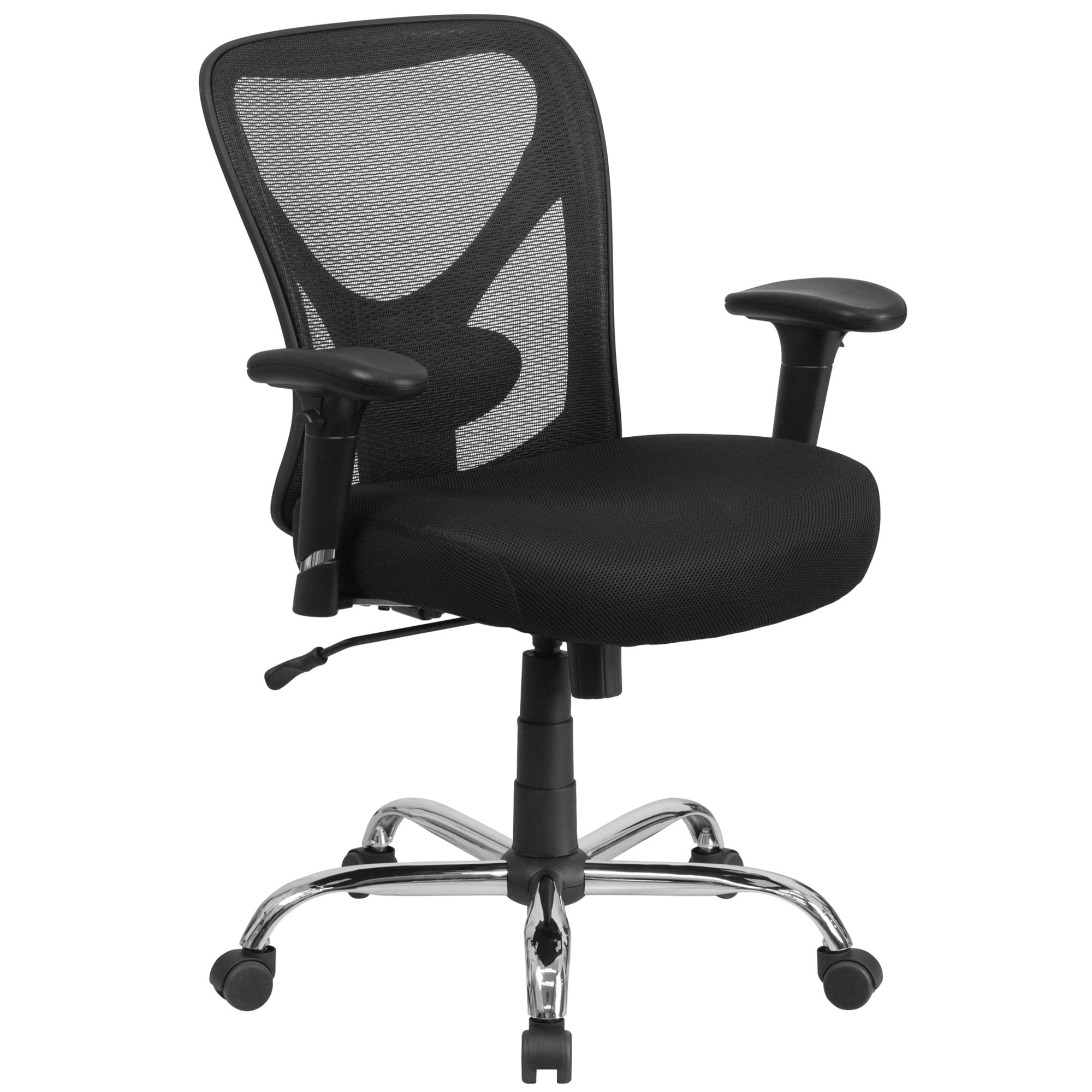
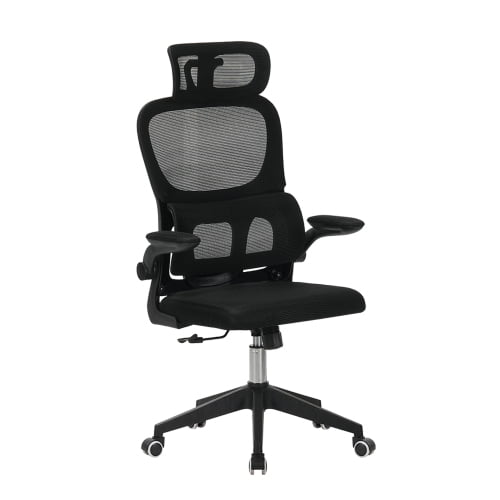
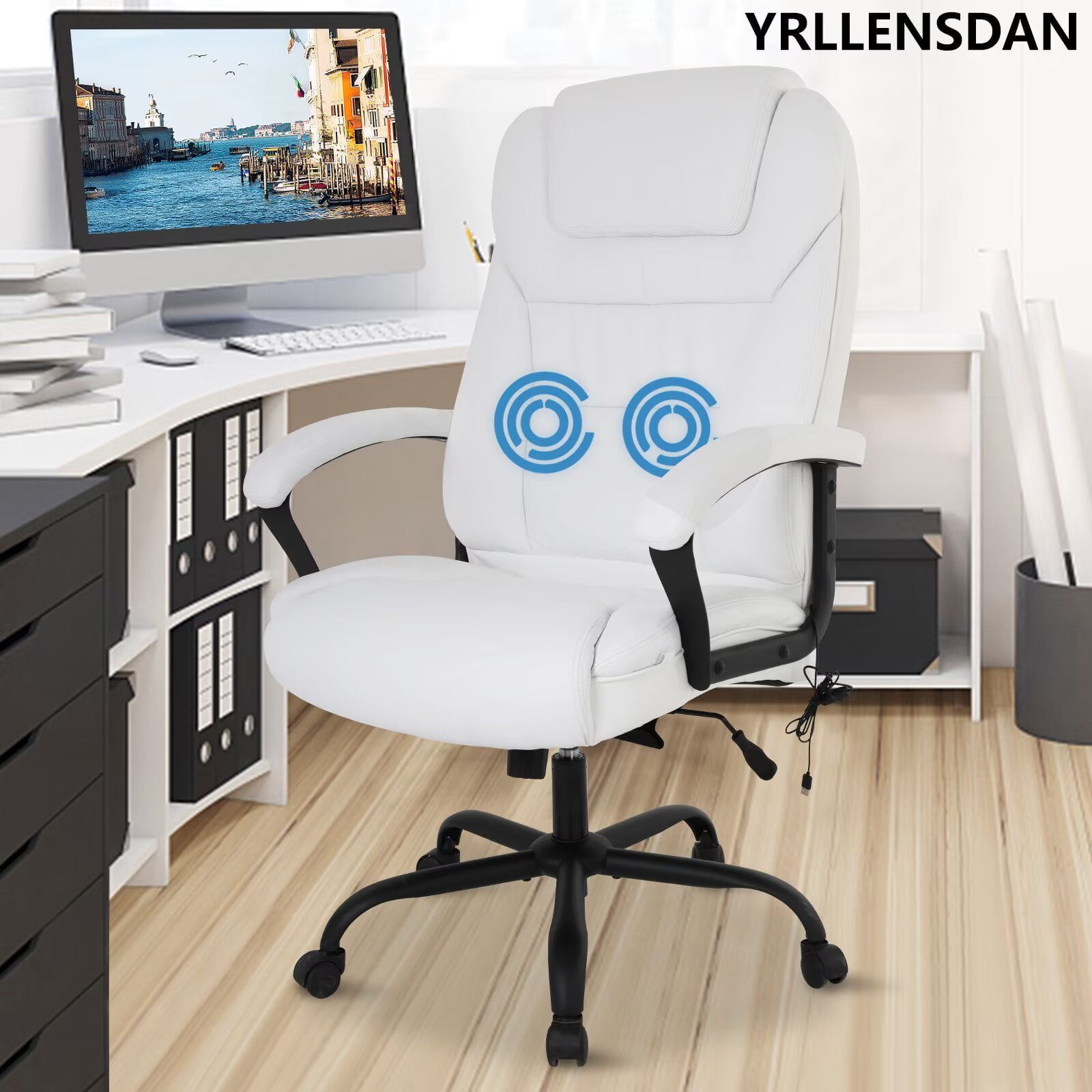

Why Your Chair's Wheels Matter More Than You Think
Imagine driving a high-performance sports car with flat, square tires. That is exactly what happens when you have a premium ergonomic chair fitted with cheap, standard casters. Your office chair is your cockpit for 8+ hours a day, and the tall office chair wheels are the tires that determine your mobility, stability, and even the safety of your flooring. Whether you are an executive gliding across a plush carpet or a freelancer protecting a brand-new hardwood floor, upgrading your casters is the most underrated ergonomic investment you can make.
Unlike standard wheels that measure around 2 inches, tall wheels (typically 2.5 to 3 inches in diameter) offer a smoother roll over thresholds, cables, and carpet transitions. They also add a slight height increase, which can be a game-changer for taller individuals or those using standing desks. In this guide, we will explore why swapping your wheels is essential, how to choose the right ones, and which materials stand the test of time.
Did You Know? According to a study by the Human Factors and Ergonomics Society, the rolling resistance of chair casters can affect muscular effort by up to 20%. Poor quality wheels force your legs and core to constantly micro-adjust, leading to fatigue. Upgrading to smooth-rolling tall office chair wheels can significantly reduce this unnecessary strain.
The Anatomy of a Perfect Caster: What Makes Wheels "Tall" and Effective?
Not all wheels are created equal. When we talk about "tall" wheels, we refer not only to diameter but also to the build quality, material, and bearing type. Let us break down the components that separate a mediocre caster from a premium mobility tool.
1. Wheel Material: Plastic vs. Polyurethane
The material is the single most important factor. Standard office chairs often come with hard nylon or plastic wheels. While cheap to produce, these are essentially "floor scratchers" on hard surfaces and "carpet diggers" that collect hair and debris.
- Hard Plastic/Nylon: Best for low-pile carpet only. They are noisy, can mark hard floors, and often crack under heavy loads. If you have hardwood or tile, avoid these at all costs.
- Polyurethane (Urethane): This is the gold standard for tall office chair wheels. It offers the grip of rubber with the durability of plastic. High-quality urethane wheels (often called "rollerblade wheels") are non-marking, shock-absorbent, and glide silently. They protect hardwood floors while rolling effortlessly over carpet.
- Rubber: While soft and floor-safe, solid rubber wheels can develop flat spots if the chair sits stationary for long periods. They also have higher rolling resistance than urethane.
2. Bearing Types: The Secret to Smooth Rolling
Ever wondered why some chairs glide with a simple push while others feel sticky? It is the bearing. There are two main types:
- Standard Rivet/Sleeve Bearings: Found in most stock wheels. They consist of a metal rod sliding inside a plastic sleeve. They are functional but wear out quickly and can become gritty.
- Precision Ball Bearings: High-end tall wheels use sealed ball bearings (often rated ABEC-5 or ABEC-7). These allow the wheel to spin freely with minimal friction. They are the same technology used in rollerblades and skateboards, ensuring years of smooth, quiet operation.
3. Stem Size and Compatibility
Before you buy, you must understand your chair's "axle." Most office chairs in the US use a standard 7/16" (11mm) diameter stem with a 7/8" (22mm) length. However, some European or heavy-duty chairs use a 10mm or 8mm stem. Tall office chair wheels almost universally use this standard stem, but always check.
There are two stem types:
- Grip Ring Stems: These have a series of rings that compress when pushed into the chair leg, holding the wheel in place. They are the most common and easiest to install.
- Threaded Stems: These screw into the chair base. Less common, but if you have them, you will need specific threaded casters or adapters.
4. Height and Diameter: The "Tall" Factor
Standard wheels are usually 2 inches (50mm) in diameter. Tall office chair wheels range from 2.5 inches (65mm) to 3 inches (75mm). The benefits of going taller include:
- Increased Seat Height: Adds approximately 0.5 to 1.5 inches to your sitting height. Perfect for taller users or pairing with higher desks.
- Better Obstacle Clearance: Taller wheels roll over power cords, carpet edges, and floor transitions without getting stuck.
- Improved Momentum: Larger diameter wheels maintain momentum better, meaning you need less effort to move.
Quick Comparison: Tall Wheel Materials
| Material | Floor Suitability | Noise Level | Durability | Best For |
|---|---|---|---|---|
| Hard Nylon | Carpet only | Loud (clattering) | Low (cracks easily) | Disposable chairs, temporary use |
| Polyurethane (Rollerblade style) | All floors (Hardwood, Tile, Carpet) | Silent | High (wear-resistant) | Home offices, executive suites, hardwood floors |
| Soft Rubber | Hard floors only (poor on carpet) | Silent | Medium (flat spots) | Hardwood floors with low movement |
Why Upgrade? The Tangible Benefits of Tall, High-Quality Casters
Switching from stock wheels to premium tall office chair wheels is not just about aesthetics. It is a functional upgrade that impacts your daily work life. Here is what you gain:
Floor Protection
Polyurethane wheels are like slippers for your floors. They eliminate scratches, scuffs, and dents on hardwood, laminate, and vinyl.
Effortless Mobility
Glide from your desk to your filing cabinet with a single push. Ball bearings reduce the force needed by up to 50%.
Hair & Debris Resistance
Solid core wheels prevent hair from wrapping around the axle, a common issue that turns standard wheels into stationary blocks.
Enhanced Ergonomics
The slight height boost can improve your viewing angle and reduce neck strain, especially for taller individuals.
How to Replace Your Office Chair Wheels: A 5-Minute Upgrade
You do not need to be a handyman to swap out your casters. It is one of the simplest DIY furniture hacks. Follow these steps:
Step 1: Gather Your Tools
You only need your new tall office chair wheels and optionally a flathead screwdriver (to help pry out stubborn old wheels). That is it.
Step 2: Remove the Old Wheel
Lay the chair on its side. Grip the old wheel firmly and pull it straight out of the chair leg. If it is stuck, insert the flathead screwdriver between the wheel stem and the chair leg to gently pry it loose. They are designed to be pulled out with force.
Step 3: Insert the New Tall Wheel
Align the new wheel's stem with the hole in the chair leg. Push firmly until you hear a click or feel it seat fully. The grip rings should hold it tight. For threaded stems, screw them in clockwise.
Step 4: Test the Movement
Stand the chair upright and give it a spin. You should notice an immediate difference in smoothness. Roll it around to ensure all wheels are securely fastened and moving freely.
Pro Tip: If you have a heavy chair or a thick carpet, opt for wheels with a slightly larger diameter (3 inches) and a softer durometer (hardness) urethane for maximum rollability.
Frequently Asked Questions About Tall Office Chair Wheels
Conclusion: Small Wheels, Big Difference
Your office chair is the center of your professional universe, and its wheels are the point of contact with your environment. Investing in high-quality tall office chair wheels is a small expense that pays dividends in comfort, floor protection, and daily efficiency. Whether you are navigating a sprawling corporate suite or a compact home office, the right casters transform your chair from a static seat into a dynamic tool.
Do not settle for the default plastic wheels that came with your chair. Upgrade to polyurethane, enjoy the silence, and protect your floors. Your back and your hardwood will thank you.