
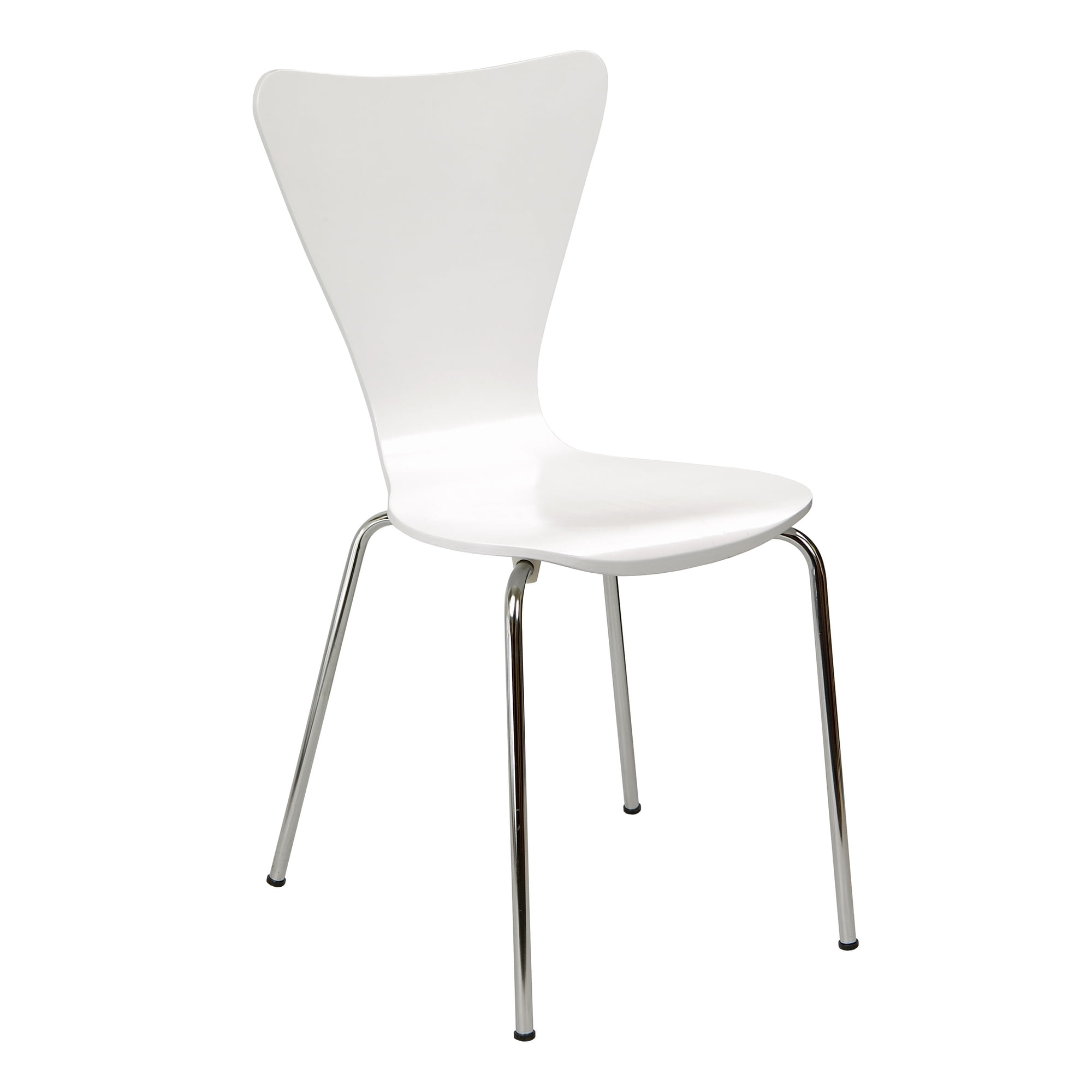
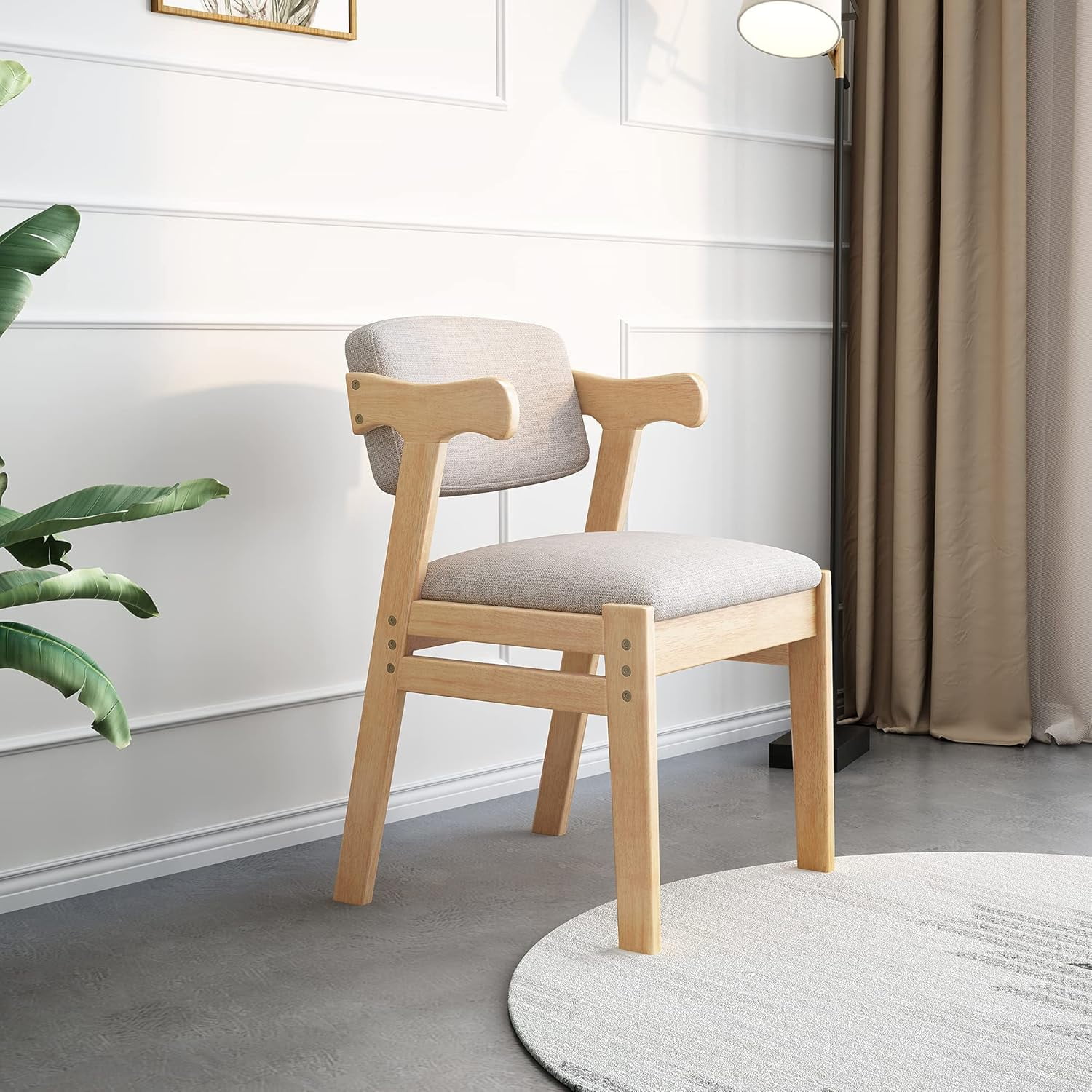
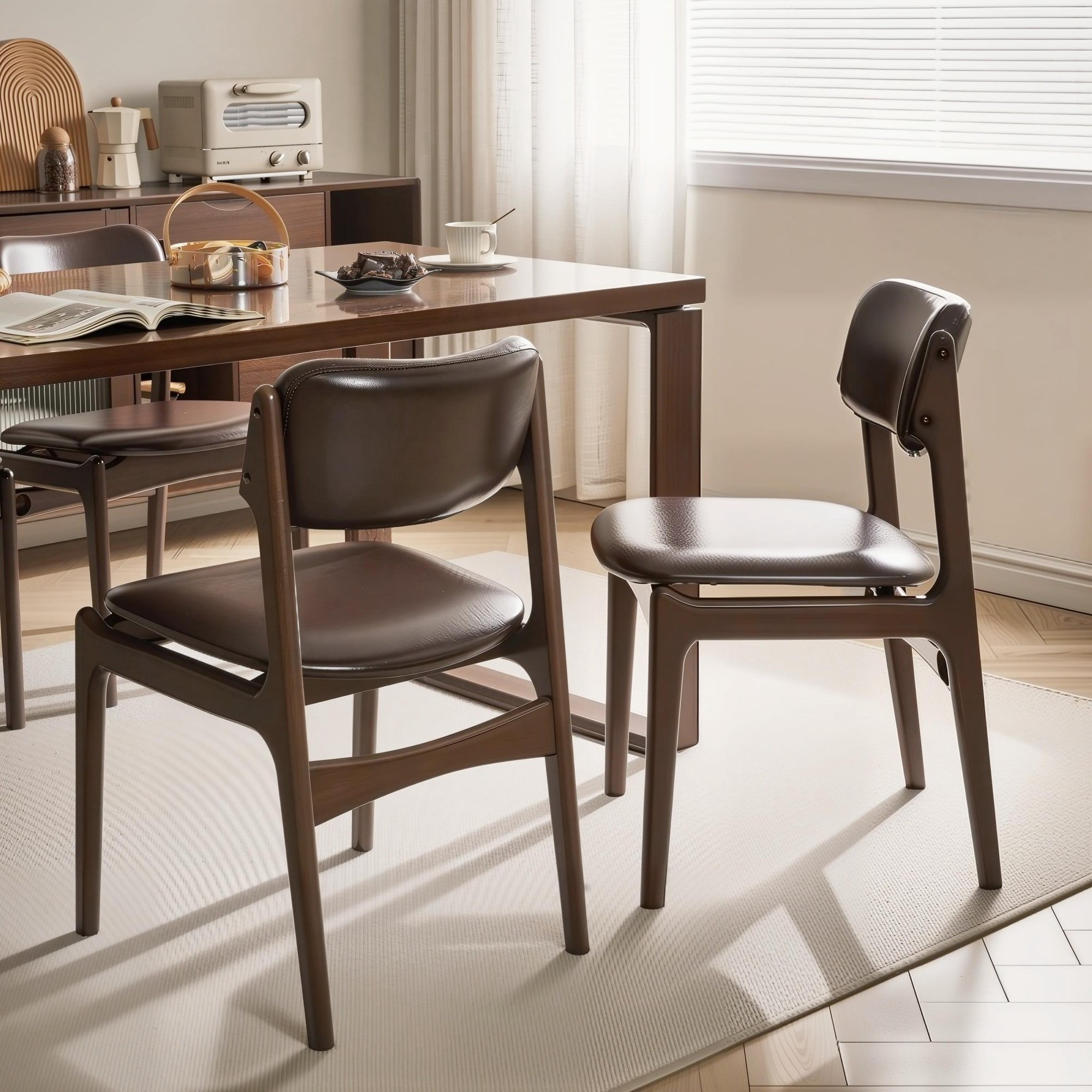
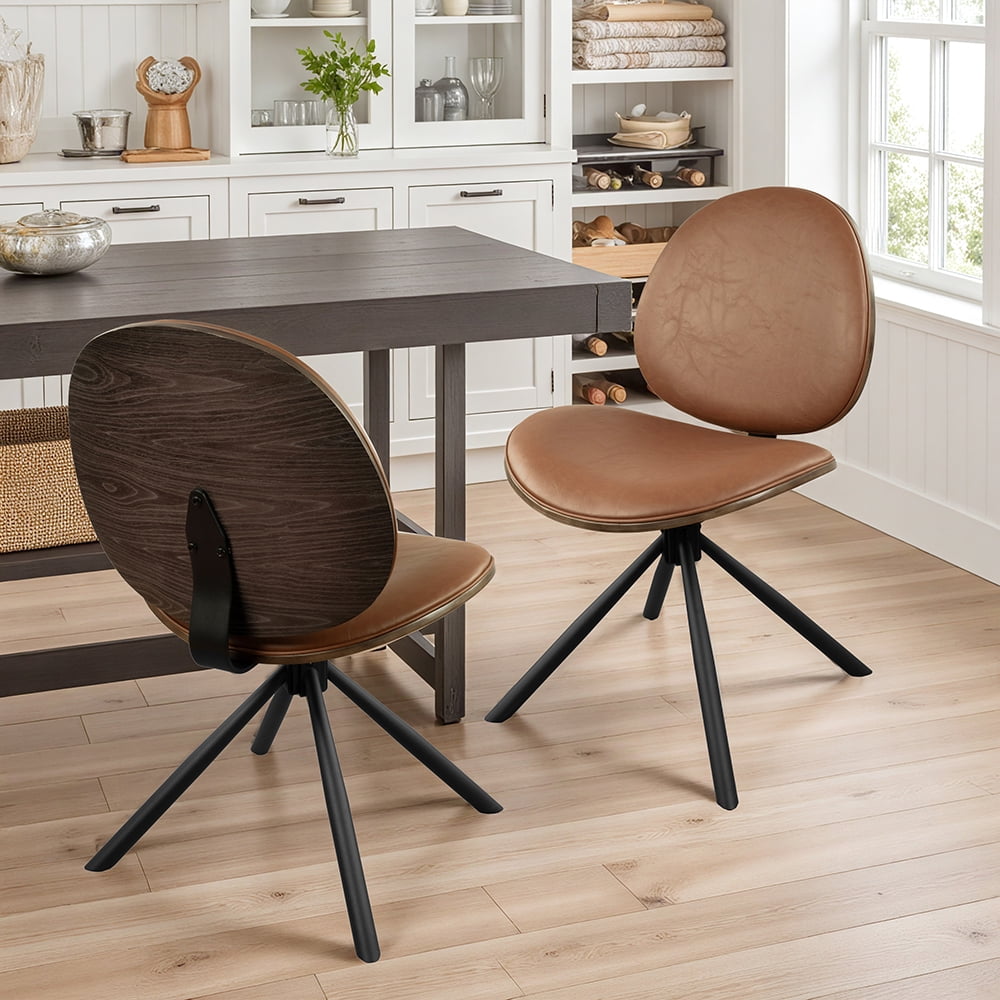
Why Your Home Office Needs a Dining Office Chair
The line between dining room and home office has never been blurrier. Today, many of us eat, work, and relax in the same multifunctional spaces. Enter the dining office chair: a design-centric, comfortable seating solution that doesn't scream "cubicle." It's a piece of furniture that respects your home's aesthetic while supporting you through video calls, creative work, and paying bills. Unlike traditional bulky office chairs, these hybrids are scaled to fit beautifully under a dining table or a compact desk, proving that ergonomics and elegance can coexist.
Did you know? According to a 2023 interior design survey, 68% of homeowners now prefer home office furniture that could double as living or dining room pieces, highlighting the demand for versatile designs like the dining office chair.
The Art of Balancing Aesthetics and Ergonomics
A true dining office chair masters the delicate dance between form and function. It must be inviting enough for a long dinner conversation yet supportive enough for a focused work session. Let's explore the key pillars that define this unique category.
1. Design Languages: From Minimalist to Maximalist
The beauty of the dining office chair lies in its diversity. You're not limited to the standard mesh-back look. Here are popular design directions:
- Scandinavian Simplicity: Light woods, clean lines, and pale upholstery. These chairs create an airy, uncluttered look. Think tapered legs and a gently curved backrest for subtle lumbar support.
- Industrial Modern: A fusion of metal frames (black or brass) with leather or canvas seats. These chairs often feature exposed rivets and a utilitarian charm, perfect for a loft-style office.
- Mid-Century Revival: Iconic silhouettes with wooden legs, organic curves, and button-tufting. They add a touch of retro sophistication and often include a comfortable, slightly reclined posture.
- Bouclé & Velvet Luxe: For a soft, tactile experience, chairs upholstered in bouclé or velvet are on-trend. They bring warmth and texture to a space, making your work corner feel like a cozy nook.
2. Ergonomic Features You Can't Ignore
While style is paramount, comfort is king. When selecting a dining office chair for work, look beyond the fabric. Here’s a checklist of ergonomic considerations:
- Seat Depth and Contour: A good seat pan should be deep enough to support most of your thigh (about 17-20 inches) without pressing behind your knees. A slight contour or waterfall edge promotes better circulation.
- Backrest Shape: Does it follow the natural curve of your spine? Ideally, the backrest should offer lumbar prominence. Some modern designs incorporate a subtle, flexible curve that moves with you.
- Height Adjustability: This is a game-changer. A pneumatic lift allows you to align your eyes with your screen and keep your feet flat on the floor. It’s a feature borrowed from task chairs that makes a huge difference in a dining-style chair.
- Swivel Base: A 360-degree swivel is incredibly practical. It allows you to reach different areas of your desk without straining, a must-have for multitasking.
3. The "In-Between" Use Case: From Breakfast to Briefing
The true test of a dining office chair is its ability to transition seamlessly. Imagine starting your day with a quick breakfast, rolling the chair slightly closer to the table. An hour later, you swivel it to face your laptop on a nearby desk. On weekends, it pulls back up to the table for a family meal. This fluidity is its superpower. It eliminates the need for two separate sets of chairs, freeing up space and visual clutter. According to a recent home decor trend report, multi-functional furniture pieces are searched for 40% more often than single-purpose items, with dining office chairs leading the charge in small-space living solutions.
4. Material Science: Choosing Your Upholstery Wisely
Your choice of material dictates the chair's durability, comfort, and vibe. Consider your lifestyle. Do you have pets? Kids? Do you enjoy a mid-day coffee at your desk?
- Performance Polyester: Often solution-dyed, these fabrics are incredibly stain-resistant and fade-resistant. They mimic the look of linen or cotton but offer the durability of outdoor fabric. Ideal for high-traffic home offices.
- Faux Leather (PU): Offers a premium look for a fraction of the cost of real leather. It's easy to wipe clean, making it great for accidental spills. Look for "bonded leather" alternatives for better longevity.
- Velvet: Adds instant glamour. However, it can show wear patterns (pile reversal) and may trap heat. Perfect for a low-traffic, stylish home office used for shorter periods.
- Mesh Accents: Some innovative dining chairs incorporate a mesh back panel for breathability while maintaining a stylish fabric or leather seat. This is a fantastic compromise for those who tend to get warm while working.
Frequently Asked Questions About Dining Office Chairs
Final Thoughts: Invest in Your Space, Invest in Your Day
Choosing a dining office chair is more than just picking a seat; it's about curating a home that works for you. It's an acknowledgment that our living spaces must be fluid and functional. By opting for a chair that bridges the gap between the dining room and the home office, you're not sacrificing comfort for style or vice versa. You're investing in a piece that supports your work and complements your life. Whether you lean towards a sleek metal frame or a plush velvet seat, remember to prioritize the features that matter most to your body and your daily routine. A well-chosen dining office chair is a small change that makes a big difference in how you live and work.