
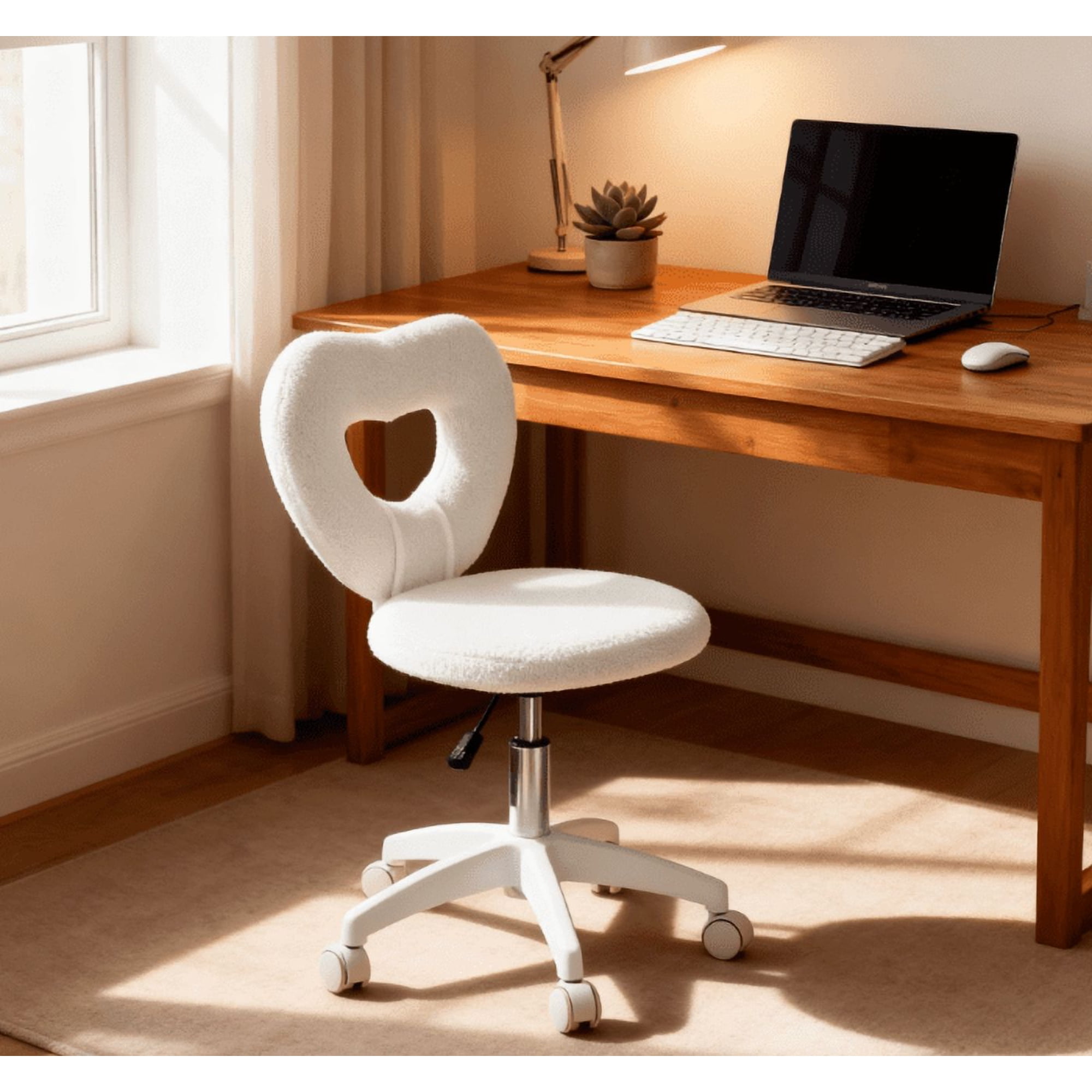
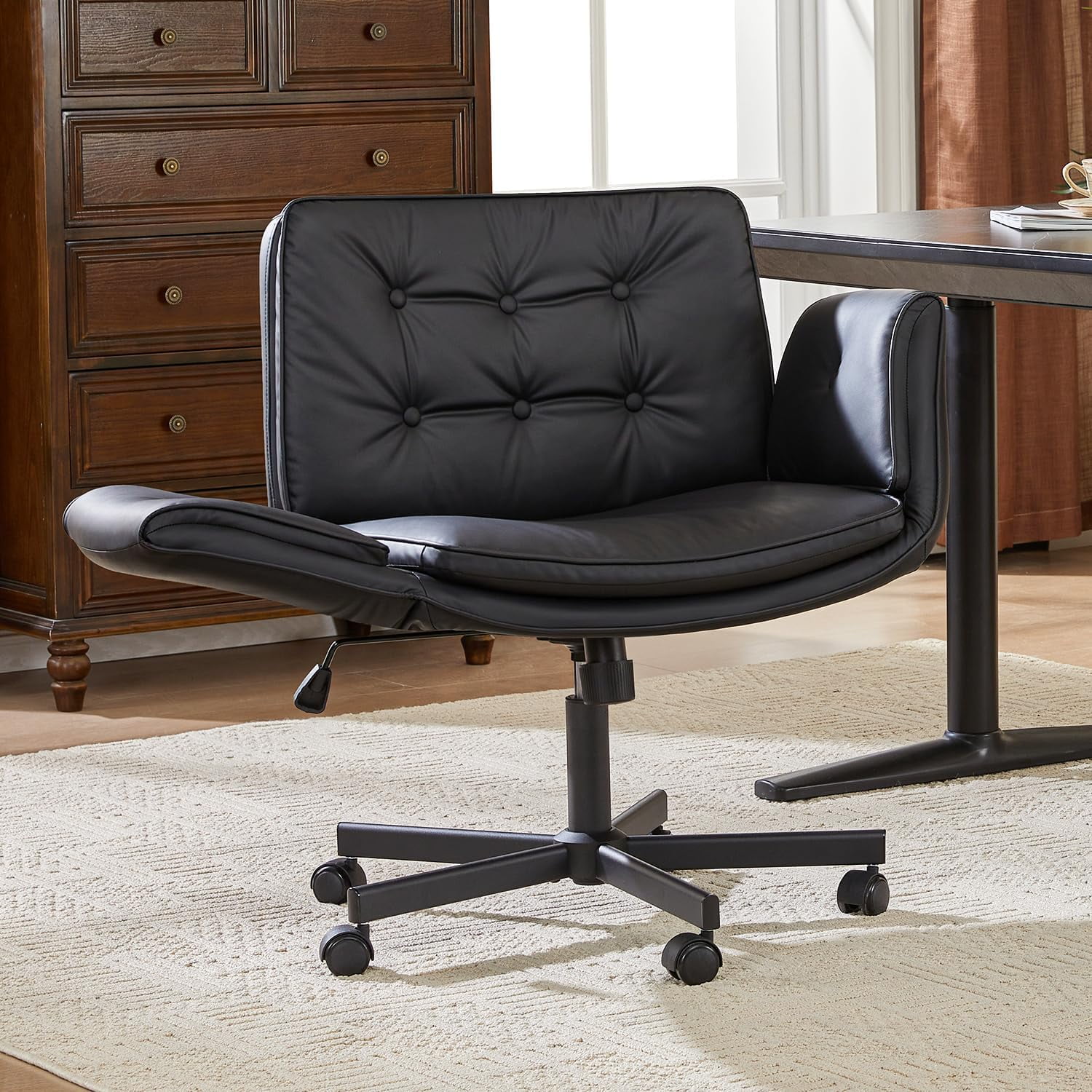
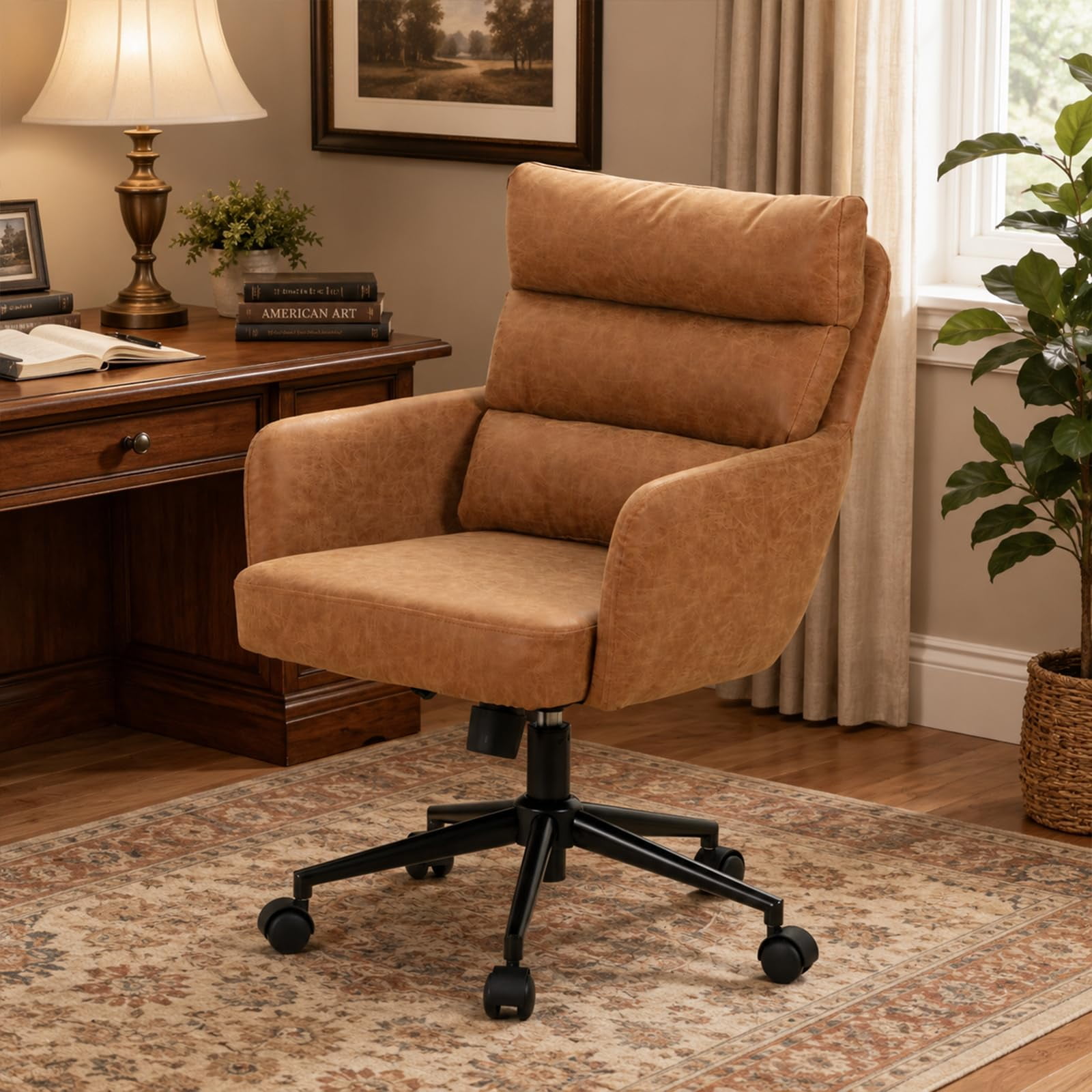
Why a Swivel Office Chair With Wheels is Essential for Modern Work
Imagine trying to conduct an orchestra while glued to a single spot. You'd miss half the instruments. That's what working from a stationary chair feels like. A swivel office chair with wheels is your ticket to a dynamic workspace. It's not just about rolling from your keyboard to a filing cabinet; it's about creating a fluid workflow. The ability to pivot, reach, and glide reduces physical strain and keeps your focus on the task, not on getting up and down. Whether you're in a sprawling corner office or a compact home setup, mobility is a game-changer for productivity and comfort.
Did you know? A study by the Journal of Physical Therapy Science found that workers who used chairs with smooth-rolling casters and swivel mechanisms reported 30% less perceived effort when multitasking, as they could transition between tasks without breaking their physical or mental flow.
Decoding the Perfect Roll: A Deep Dive into Swivel Chairs With Wheels
Selecting a rolling office chair involves more than just picking a color. The synergy between the chair's design, the wheel type, and your daily habits determines your long-term satisfaction. Let's break down the critical components that separate a great chair from a frustrating one.
• Anatomy of a Wheel: It's Not Just a Caster
The wheels are arguably the most functional part of a rolling chair. They determine how the chair interacts with your floor and how much effort it takes to move. Here’s a quick guide to choosing the right ones:
- Hard Plastic/Nylon Casters: Best for thick, low-pile carpet. They dig into the fibers to provide grip and roll easily. Avoid these on hardwood, tile, or laminate, as they can leave scratches and marks.
- Soft Rubber/Polyurethane Casters: The gold standard for hard floors. They are non-marking, glide silently, and provide enough grip to prevent uncontrolled rolling. They also work well on thin office mats.
- Rollerblade-Style Casters: A popular aftermarket upgrade. These feature a soft polyurethane wheel on a precision bearing, offering an ultra-smooth, quiet, and effortless glide on virtually any surface.
- Locking Casters: Ideal for sit-stand desks or situations where you need the chair to stay put. They automatically lock when you stand up and unlock when you sit down.
• The Swivel Mechanism: Your Rotational Command Center
The swivel function is what connects you to your workspace. A high-quality swivel allows for 360-degree rotation with smooth, consistent tension. It should feel effortless, not jerky or sticky. This feature is crucial for:
- Multi-Screen Workflows: Easily turn from your main monitor to a reference screen or a notebook on a side table.
- Collaboration: Pivot to face a colleague who stops by your desk without contorting your body.
- Reaching: Access items on a credenza or bookshelf behind you without straining your back.
According to ergonomic standards, the swivel mechanism should be part of a robust gas lift system that has been tested for thousands of rotations, ensuring it remains smooth for years.
• Matching the Chair to Your Floor Type: A Practical Guide
Choosing the wrong wheels for your floor is a common and costly mistake. Here's a simple way to visualize it:
| Your Floor Type | Ideal Wheel Material | Why It Matters |
|---|---|---|
| Hardwood / Laminate / Tile | Soft Rubber or Polyurethane | Prevents scratches, dents, and marks; smooth, quiet rolling. |
| Low-Pile Carpet (e.g., office carpet) | Hard Plastic or Nylon | Wheels grip the carpet fibers for easy movement without snagging. |
| High-Pile Carpet / Plush Rug | Hard Plastic (or use a chair mat) | Hard wheels can still sink in. A chair mat is highly recommended to create a smooth, hard surface for the wheels. |
| Mixed Surfaces (e.g., rug on hardwood) | Soft Rubber + Chair Mat | Soft wheels protect the hardwood, and a mat provides a smooth transition on and off the rug. |
• Ergonomics Meets Mobility: Key Features to Look For
A chair with great wheels but poor ergonomics is just a fancy skateboard. When shopping for a swivel office chair with wheels, ensure it includes these non-negotiable ergonomic features for all-day comfort:
- Adjustable Seat Height: Allows you to keep your feet flat on the floor and thighs parallel to the ground.
- Lumbar Support: Ideally adjustable in height and depth, to support the natural curve of your lower back.
- Seat Depth Adjustment: Ensures there's a 2-3 finger gap between the back of your knee and the seat pan.
- Tilt Tension and Lock: Lets you control the recline resistance and lock the chair in an upright position for focused work.
- Adjustable Armrests: 3D or 4D armrests (height, width, depth, and pivot) allow you to keep your shoulders relaxed and elbows at a 90-degree angle.
Frequently Asked Questions About Swivel Office Chairs With Wheels
Final Verdict: Invest in Your Daily Motion
Your office chair is the base of operations for your workday. A swivel office chair with wheels is more than a convenience; it's an investment in your physical well-being and professional efficiency. By understanding the interplay between wheel types, floor surfaces, and ergonomic features, you can select a chair that feels like a natural extension of your body. Don't settle for a chair that fights your movements. Choose one that flows with you, turning your workspace into a hub of seamless productivity. Remember, the best chair is the one you forget you're sitting in—because you're too busy getting things done.