
Why an Office Desk Chair Mat is a Smart Investment for Your Workspace
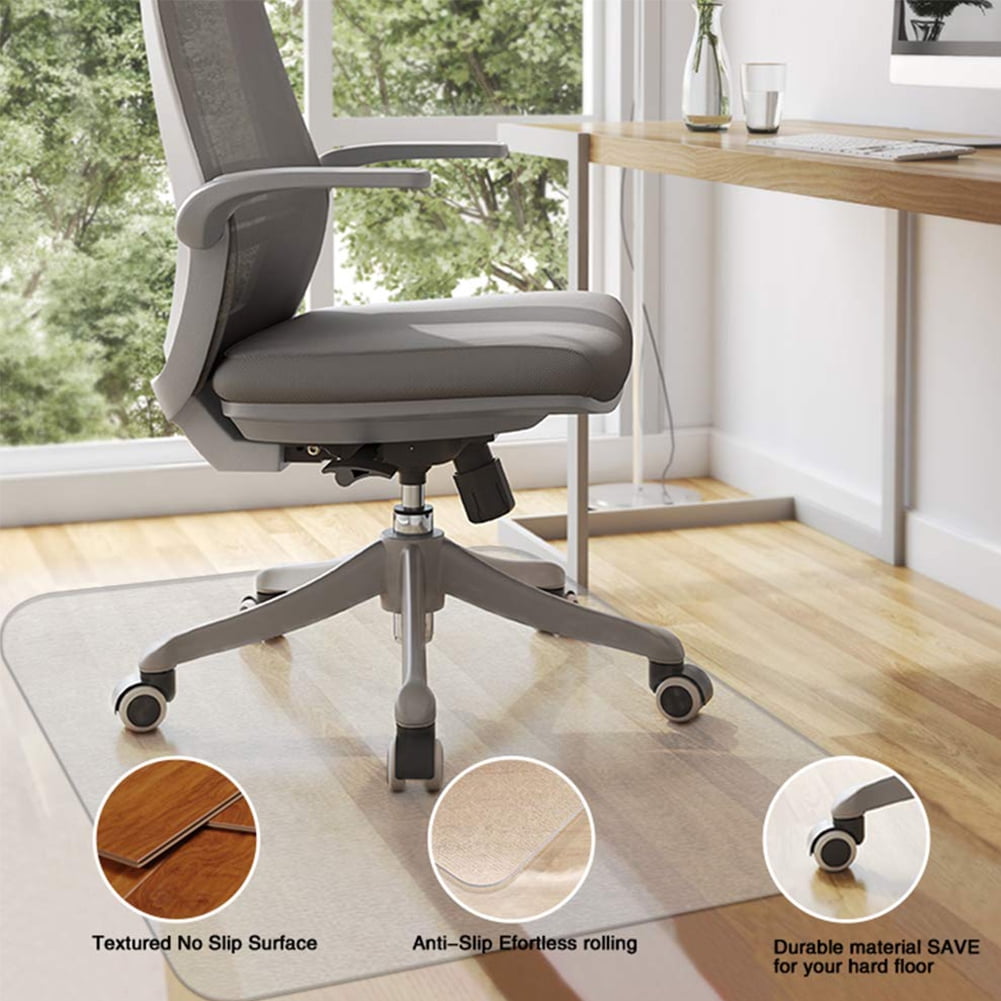
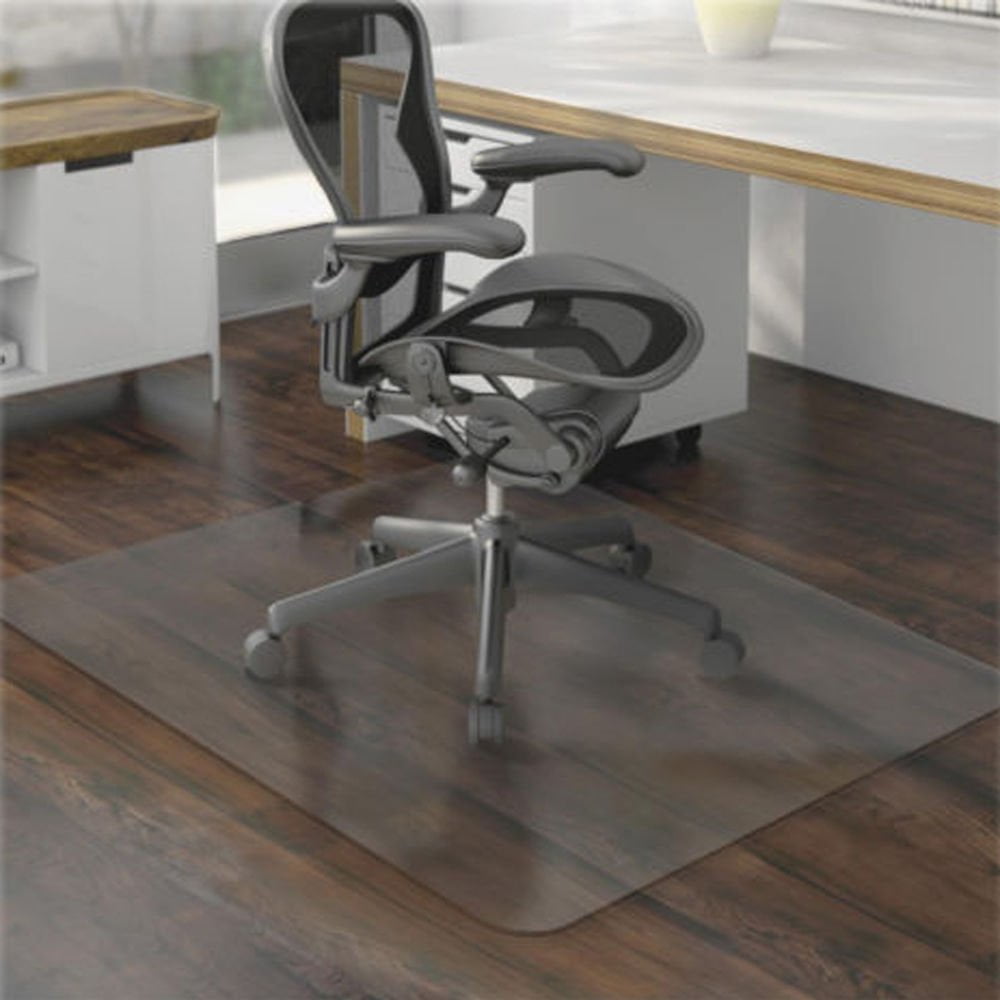
Imagine your office floor as the foundation of a house. No matter how beautiful the walls (your desk and chair), a cracked foundation spells trouble. An office desk chair mat acts as that protective foundation, shielding your flooring from the daily grind of rolling wheels. But its benefits go far beyond just floor protection.
💡 Did you know? According to flooring specialists, a single chair castor can exert pressure of up to 50 pounds per square inch. On hardwood, this repeated pressure can create permanent divots within months. A quality mat distributes this weight, extending the life of your floor by up to 10 years.
A good desk mat for office chair also dramatically improves ergonomics. On thick carpet, chair wheels sink in, making it difficult to roll and forcing you to use extra effort to move. This constant micro-exertion can lead to muscle strain in your legs and lower back. A mat creates a smooth, hard surface that allows for effortless movement, reducing fatigue during long workdays.
Choosing the Right Mat for Your Floor: A Simple Guide
Selecting the correct floor protector for office chair starts with understanding your flooring. Using a carpet mat on hardwood, or vice versa, leads to slipping or poor performance. Here’s a breakdown of the two main categories:
🟤 For Hard Floors (Wood, Tile, Laminate, Vinyl)
- Smooth Backing: Designed with a flat, often slightly textured underside that grips the floor without suction.
- Material: Often made from clear polycarbonate, PVC, or tempered glass. Clear options preserve the look of your floor.
- Thickness: Typically thinner (2-3mm) to create a low-profile transition.
- Key Feature: Must be labeled "hard floor safe" to ensure the backing won't react with or scratch the finish.
🟢 For Carpet (Low to Medium Pile)
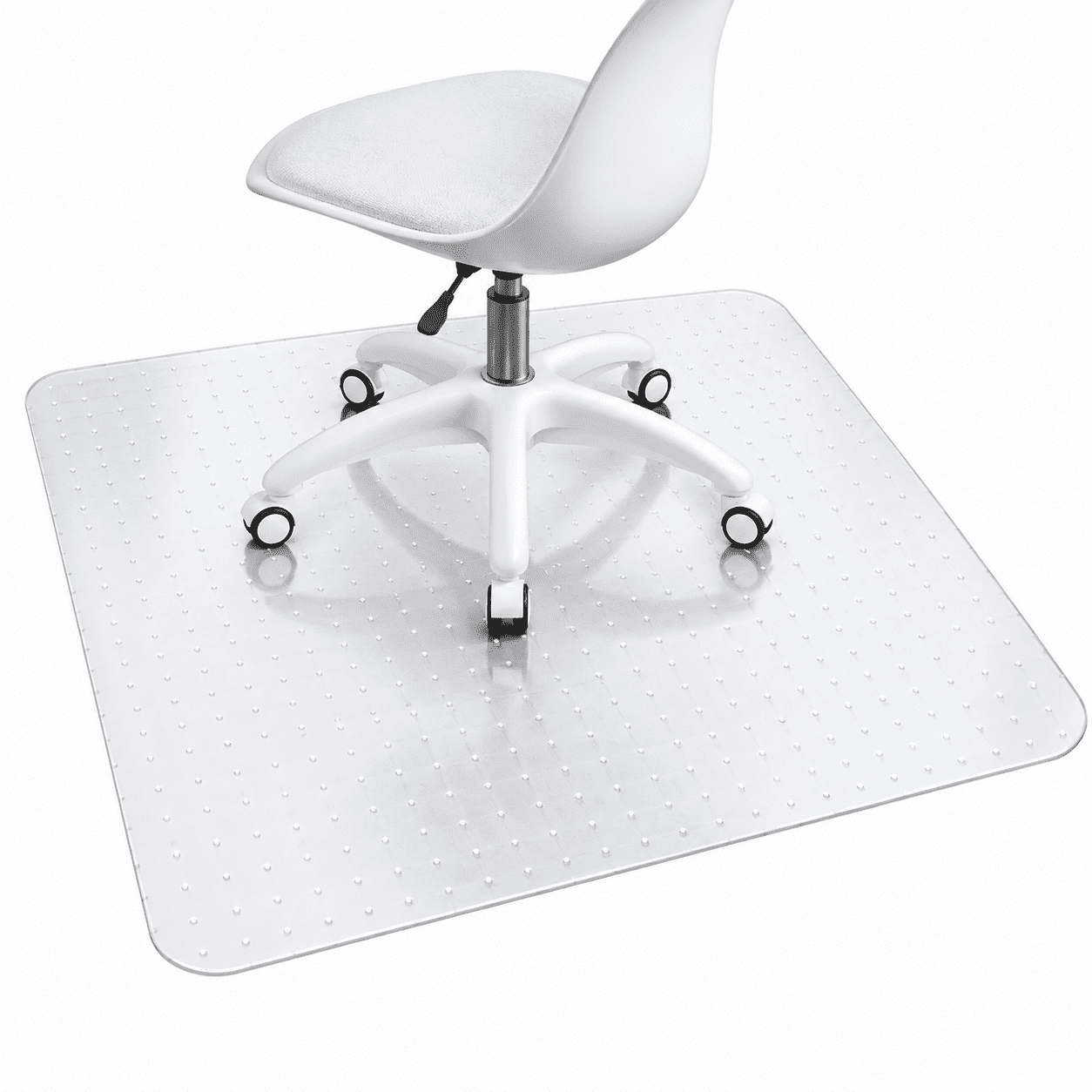
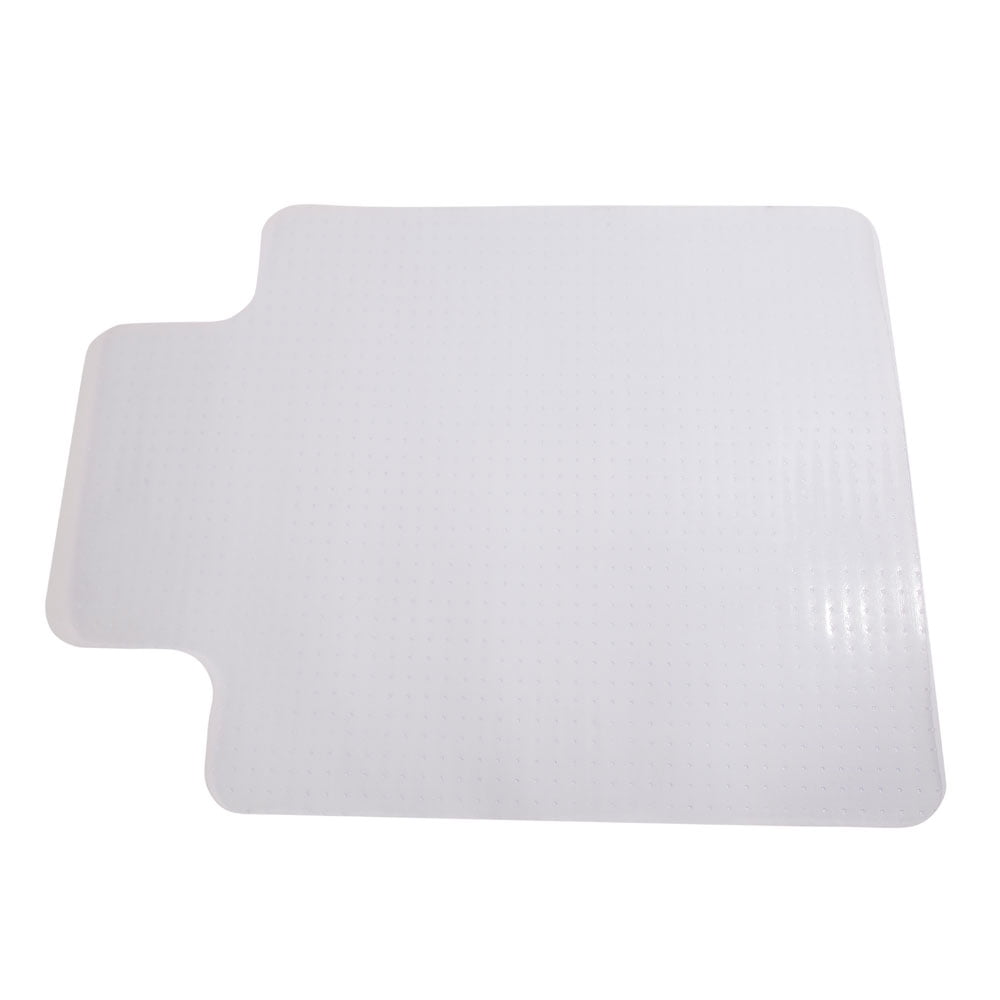
- Studded or Spiked Backing: The underside has hard plastic spikes or grippers that dig into the carpet fibers, anchoring the mat in place.
- Material: Usually made from durable PVC or polycarbonate. Often translucent or colored.
- Thickness: Thicker (4-6mm) to provide a stable rolling surface over the carpet pile.
- Key Feature: Look for mats with deeper studs for plush or thick carpet to prevent "bottoming out."
Special Case: High-Pile or Thick Carpet
For plush, shag, or thick Berber carpet, standard studded mats may not be enough. You need a heavy-duty chair mat with extra-long grippers and a rigid construction. Some manufacturers offer specific "high pile carpet" versions. Alternatively, a tempered glass chair mat can work on some low-to-medium pile carpets but is primarily a hard-floor solution.
Material Matters: PVC, Polycarbonate, or Glass?
The material of your office desk chair mat determines its durability, clarity, and feel. Let's compare the most common options:
| Material | Durability | Best For | Pros | Cons |
|---|---|---|---|---|
| PVC (Vinyl) | Good (5-8 years) | Budget-friendly, low-traffic home offices | Flexible, widely available, low cost. Can be clear or colored. | Can curl at edges over time, may become brittle in cold, can have a strong odor initially. |
| Polycarbonate | Excellent (10+ years) | High-traffic offices, rolling on hard floors or low carpet | Extremely durable, crystal clear (won't yellow), virtually unbreakable, lays flat. | More expensive than PVC, can be slightly heavier. |
| Tempered Glass | Excellent (lifetime with care) | Executive offices, modern aesthetics, hard floors | Stunning clarity, scratch-resistant, perfectly flat, easy to clean, stays put. | Heavy, expensive, can break under extreme point load (rare), not for thick carpet. |
| Polypropylene | Fair (3-5 years) | Temporary or light-use areas | Very lightweight, inexpensive, often recycled material. | Can warp, not as durable, may crack under heavy chair use. |
👨💼 Executive Pro Tip: If you have a high-end hardwood floor and want to show it off, a tempered glass chair mat is the ultimate choice. It offers unparalleled protection and a sleek, professional look. For most home offices with medium-pile carpet, a high-quality polycarbonate mat offers the best balance of durability and value.
5-Step Guide to Finding Your Perfect Office Desk Chair Mat
- Step 1: Identify your floor type (hardwood, tile, low-pile carpet, plush carpet). This is non-negotiable.
- Step 2: Measure your workspace. You need enough room for the chair to roll side-to-side and front-to-back. Standard sizes are 36"x48" or 45"x53". Consider a lip-style mat that slides partly under your desk to protect the area where your feet rest.
- Step 3: Consider your chair's casters. Rollerblade-style wheels (soft urethane) are gentler on mats and floors. If you have standard hard plastic casters, ensure the mat is thick enough to resist denting.
- Step 4: Choose your material based on budget and aesthetics (see table above). For clear mats, prioritize polycarbonate over PVC to avoid yellowing.
- Step 5: Check for "anti-slip" backing or grippers appropriate for your floor. Read reviews to ensure the mat lays flat and doesn't have a strong chemical smell (off-gassing).
Eco-Friendly and Health-Conscious Mat Options
Today's consumers are increasingly aware of the environmental and health impact of their purchases. Traditional PVC mats can contain phthalates and emit volatile organic compounds (VOCs). Here are alternatives:
- Phthalate-Free PVC: Many manufacturers now offer mats made from PVC that is free from harmful phthalates, making them safer for indoor air quality.
- Recycled Content Mats: Some polypropylene mats are made from recycled materials, offering a more sustainable choice. Check product specifications.
- Bio-Based Mats: Emerging options use plant-based materials like corn or sugarcane. These are often marketed as eco-friendly alternatives, though durability may vary.
- Tempered Glass: Glass is 100% recyclable and contains no VOCs. It's an inert, non-toxic option that can be recycled at the end of its extremely long life.
If indoor air quality is a concern (especially for home offices or bedrooms), look for mats that are GREENGUARD Gold certified. This certification ensures the product has low chemical emissions, contributing to a healthier indoor environment for your family.
Frequently Asked Questions About Office Desk Chair Mats
Final Thoughts: A Small Investment for Long-Term Protection
An office desk chair mat is often an afterthought, but it plays a pivotal role in preserving your flooring and enhancing your daily comfort. By understanding your floor type, measuring your space, and selecting the right material, you can find a mat that serves you well for years. Whether you opt for a budget-friendly PVC mat or a premium tempered glass protector, your floors—and your back—will thank you.
Quick Checklist Before You Buy
- ✔️ Floor Type: Carpet (studded back) or Hard Floor (smooth back)?
- ✔️ Size: Measure your rolling area – add 12" on each side.
- ✔️ Material: Polycarbonate (best clarity/durability), PVC (budget), or Glass (premium).
- ✔️ Thickness: At least 2mm for hard floors, 4mm+ for carpet.
- ✔️ Safety: Look for low-VOC/GREENGUARD certification if sensitive to smells.
Browse our top picks above to find the ideal match for your workspace.